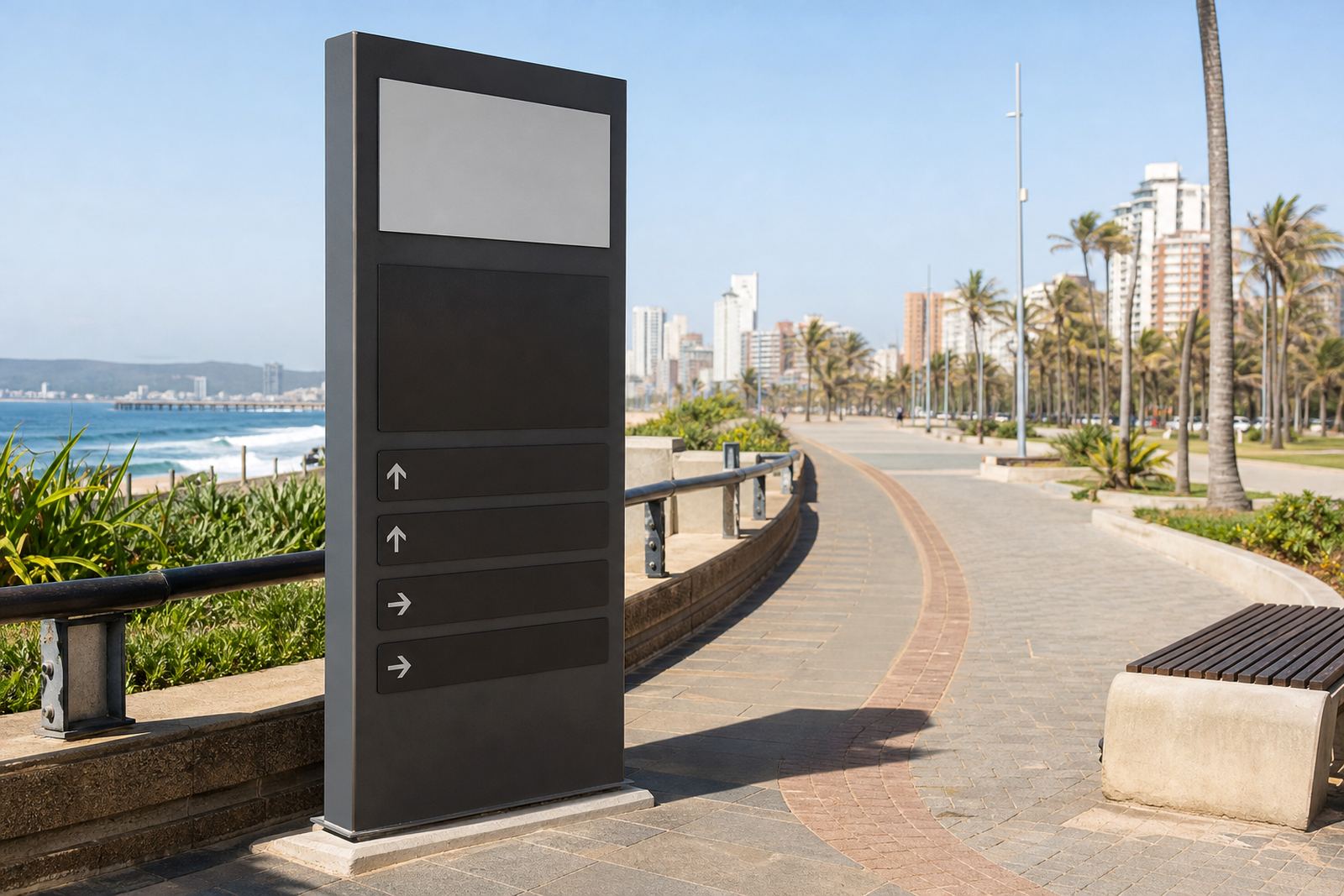
Promenade Brief For A Coastal Public Area
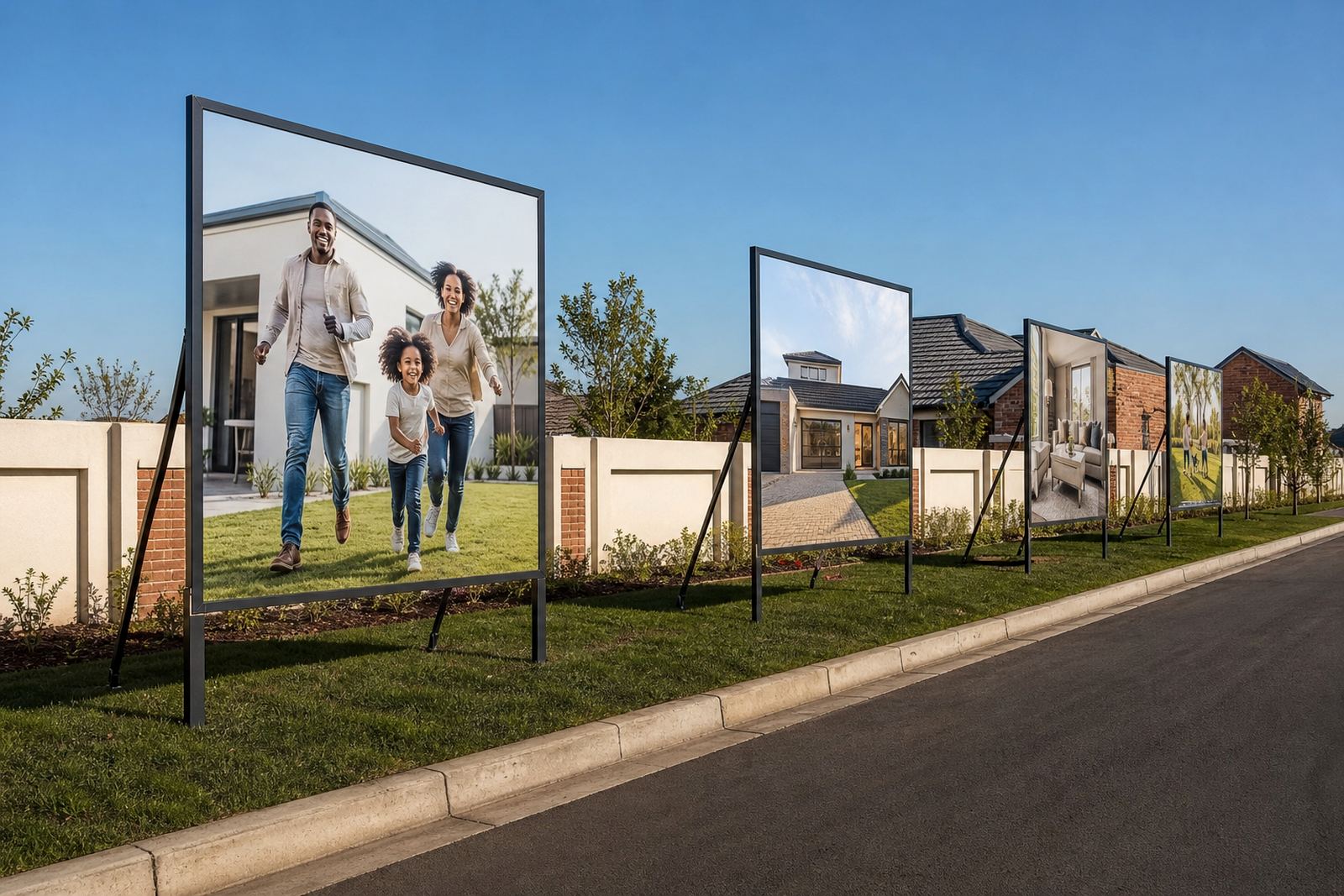
The brief came from a public-facing site in Durban where the signs needed to be readable from a distance, hold colour in strong sun and stand up to daily moisture from the coast. The area receives steady foot traffic, so the display had to look tidy, be easy to clean and stay presentable through the seasons.
Our approach was to keep the structure simple and the print workflow practical. The client needed rigid boards for outdoor use, with graphics that could be produced in repeatable batches and installed without long delays. We also had to account for wind exposure, surface cleaning and the fact that coastal air can work its way into poor fixings quite quickly.
- Project type: rigid outdoor signage for a promenade display area
- Town: Durban, KwaZulu-Natal
- Key needs: weather resistance, legible graphics and neat public presentation
- Main constraint: coastal conditions and constant public visibility
How We Planned The Print And Install Workflow
Before production, we mapped the sign sizes, mounting points and the order in which each panel would be handled. That saved time later, because once the boards are printed, trimmed and packed, a loose workflow can lead to scratches, mismatched panels or awkward on-site adjustments. We kept the process tight from file setup through to final fitment.
The print path used flatbed UV production for rigid media, with UV-curable inks selected for strong colour and good outdoor performance. Flatbed UV is well suited to direct printing on sign board, foam board, composite sheet and other rigid substrates used in signage work. The key is consistent ink laydown, clean curing and attention to edge finish so the boards look professional once installed.
- Print method: direct UV printing on rigid board media
- Inks: UV-curable inks for outdoor signage use
- Workflow steps: file check, print setup, curing, trimming, packing and installation planning
- Focus: repeatability across each panel and clean final presentation
Materials And Finishing For Weather Exposure
For a site near the sea, the material choice matters as much as the print. We supplied rigid boards suitable for outdoor display, then checked that the surface would accept the print cleanly and remain stable during installation. The finishing was handled to suit public use, so the edges were neat and the panels sat well against the mounting surface.
Coastal projects need practical thinking. High humidity, salt in the air and sharp changes in temperature can affect adhesion, fixings and the way a board behaves after installation. We also considered ongoing cleaning, because public areas are often washed down more often than private sites. The print itself needed to stay bright without depending on a complicated maintenance routine.
What we kept in mind on this job was simple: use the right rigid media, avoid overcomplicating the build and make sure the final sign can be maintained by the site team without fuss. That kind of planning saves money over time and avoids rework, which is useful when municipal or public-facing spaces have limited downtime.
Installation On A Live Durban Site
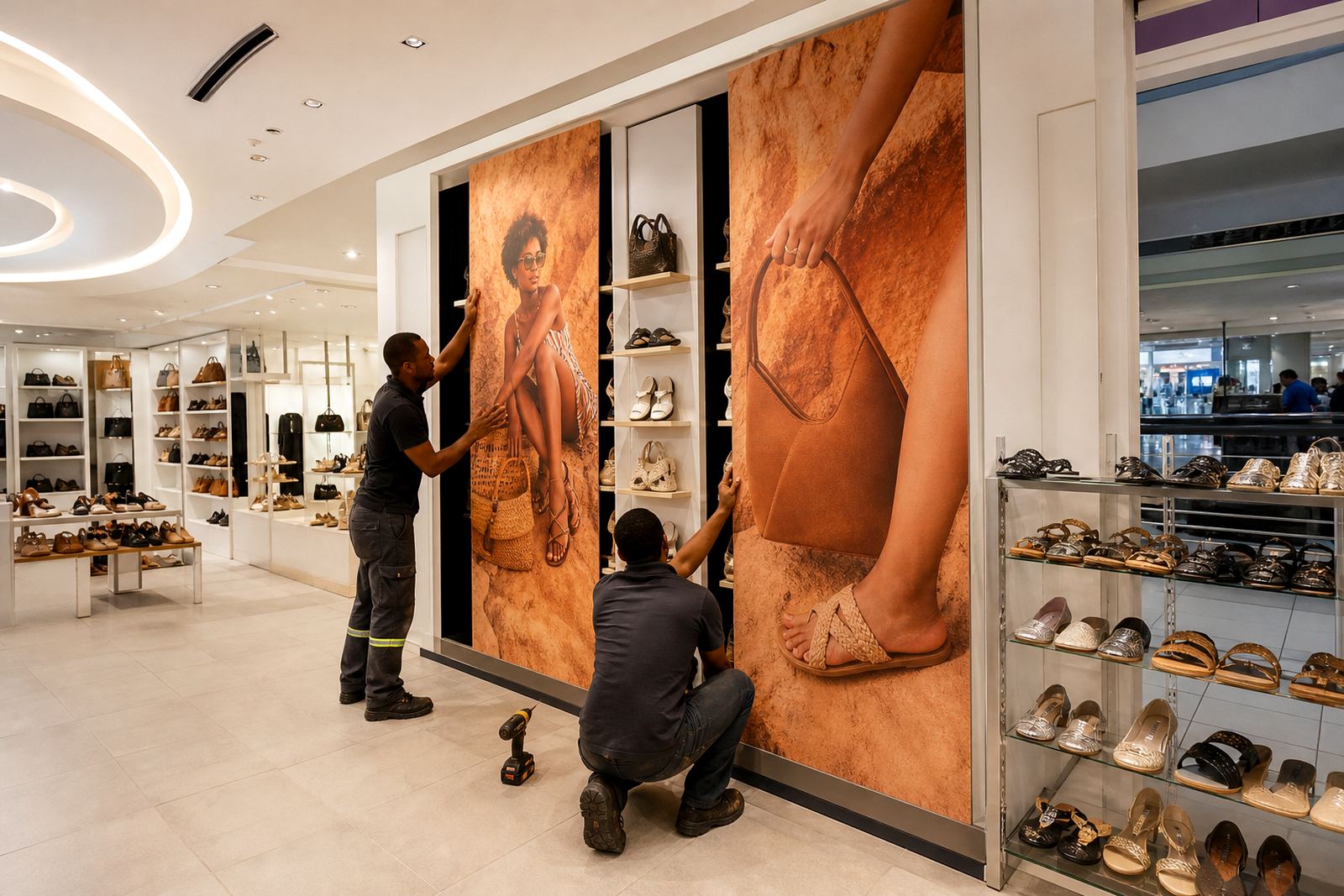
We carried out the installation in a controlled sequence so the public area could stay orderly while the work was underway. Panels were positioned, checked for alignment and secured with the fixing method agreed during the site prep stage. We worked around access constraints and kept the area clean as we moved through each section.
The site itself needed practical handling because promenade areas often have moving pedestrians, changing weather and limited storage for tools or spare parts. We planned for that from the start. One panel needed a small adjustment on site, and it was dealt with quickly without interrupting the rest of the install.
- On-site checks for alignment and spacing
- Fixing method matched to the surface and exposure
- Work sequenced to reduce disruption in a public area
- Final walk-through for appearance and legibility
Timeline, Sign-Off And The Outcome
The project ran over three weeks from initial brief to final sign-off. The first week covered planning, measurements and production setup. The second week moved into printing, curing and finishing. The third week was reserved for delivery, install and final checks. That pace suited the site because it allowed time for proper preparation without dragging the job out.
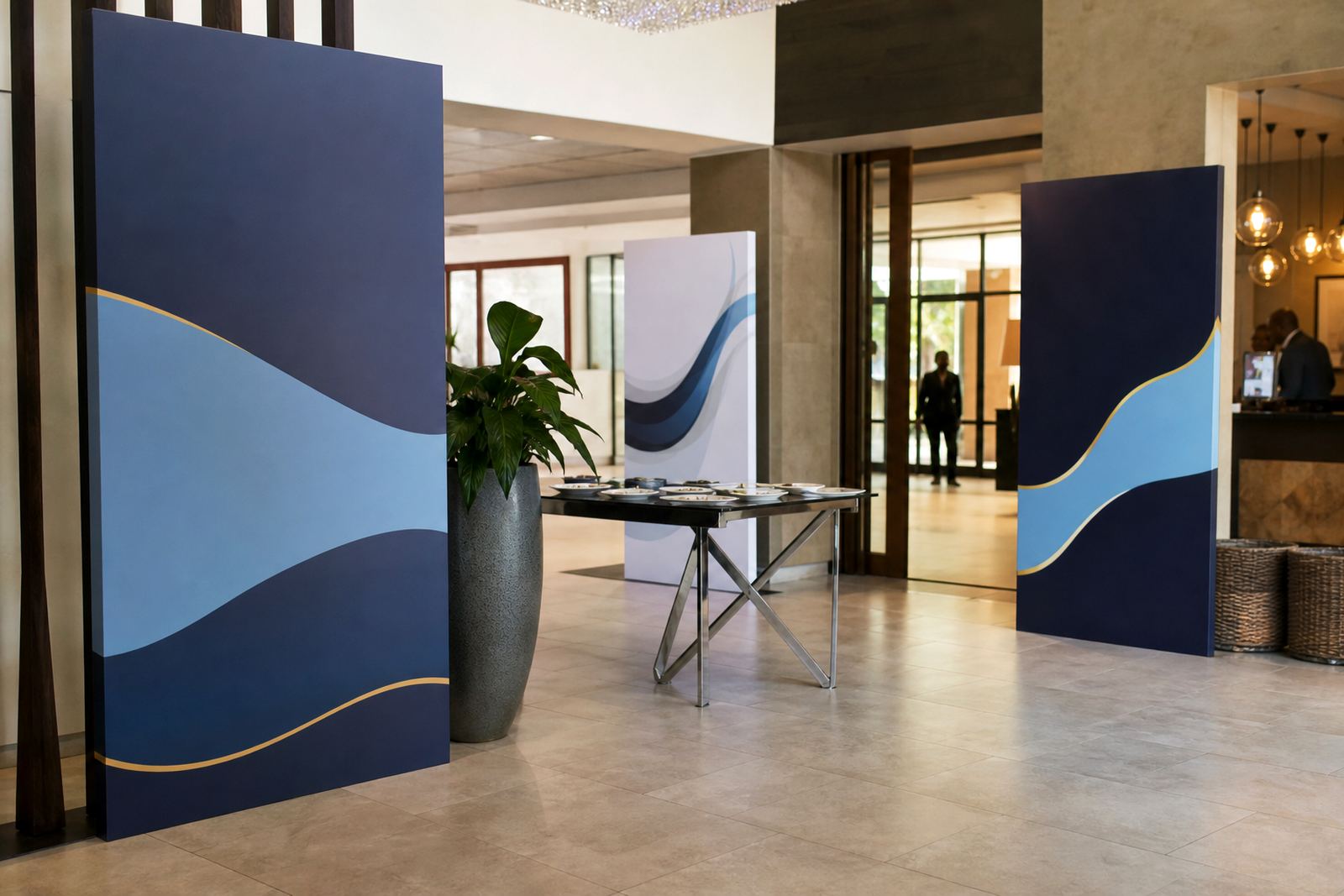
The result was a set of rigid signs that read clearly in bright coastal light and presented well from the promenade side. The boards held their colour well and the finish stayed tidy after installation, which is important in an area where the public sees the work up close every day. The client wanted something that felt clean and practical, and that is what we delivered.
For us, the real result was a job that worked in context. It was not just about print quality, but about whether the signage could do its job in wind, sun and salt air. It did, and the public-facing presentation improved without needing a complicated support plan.
What We Would Repeat On The Next Coastal Project
If we were to do this job again, we would keep the same disciplined approach: measure carefully, confirm the fixing points early, and plan the print order around the final install sequence. Coastal signage is unforgiving if the prep is rushed. A few extra checks in the beginning save a lot of hassle later on.
We would also keep the workflow focused on simple maintenance. Public signage should not need special treatment to look good. For a Durban promenade or any exposed coastal site, that means choosing the right rigid board, using suitable UV inks, and making sure the installation is neat enough to stand up to daily cleaning and weather exposure.
- Confirm exposure conditions before print approval
- Allow for wind, salt air and cleaning access
- Keep panel layout simple for faster installation
- Use a finish that stays presentable over time
Support Behind The Project
This kind of work depends on more than the printer alone. Our Germiston base supports flatbed UV printer sales, installation, training and service across South Africa, including Durban, Johannesburg, Pretoria, Cape Town and Gqeberha. The same practical support applies whether the job is a new machine, operator training, workflow planning or a production issue that needs attention.
Our team includes Sibusiso Mthembu, Lerato Nkosi, Johan van der Merwe, Ayanda Dlamini, Michael Naidoo and Zanele Khumalo. For clients, that means help with site preparation, colour guidance, preventive maintenance, ink handling help, media testing and breakdown support when production needs to keep moving. Enquiries come through the contact page, and that remains the quickest way to reach us for project support or printer related work.