








What Flatbed UV Printing Means In Daily Production
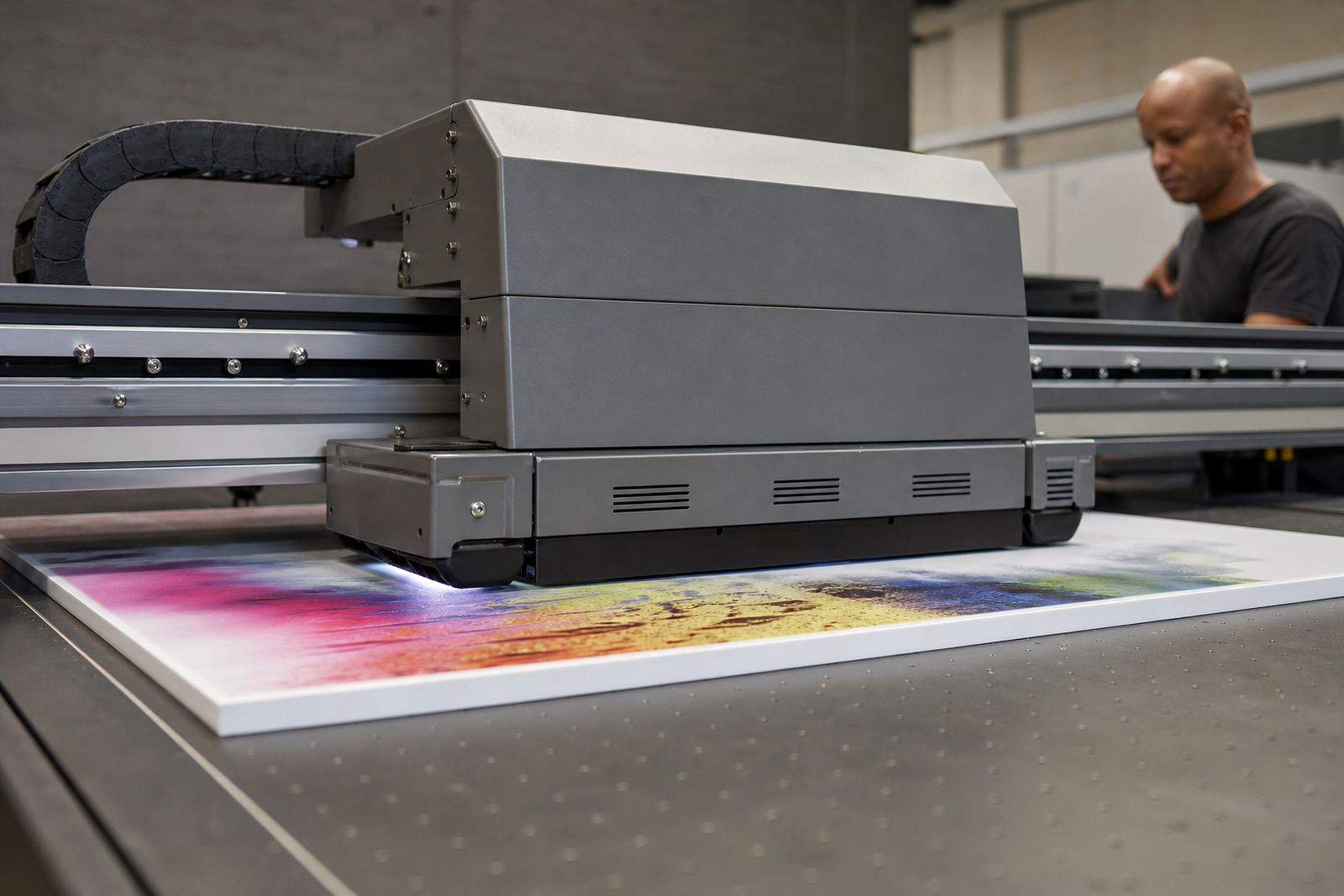
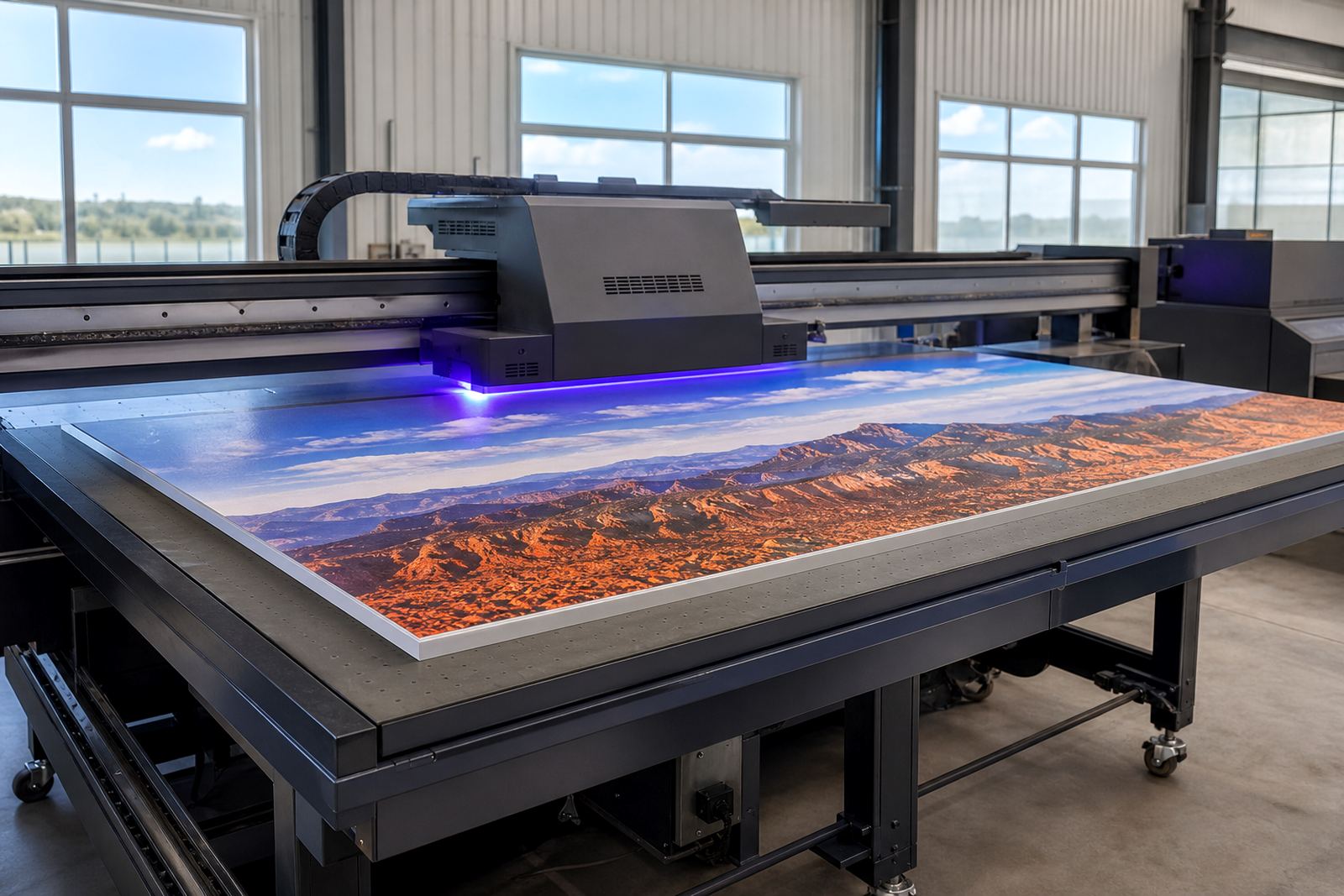
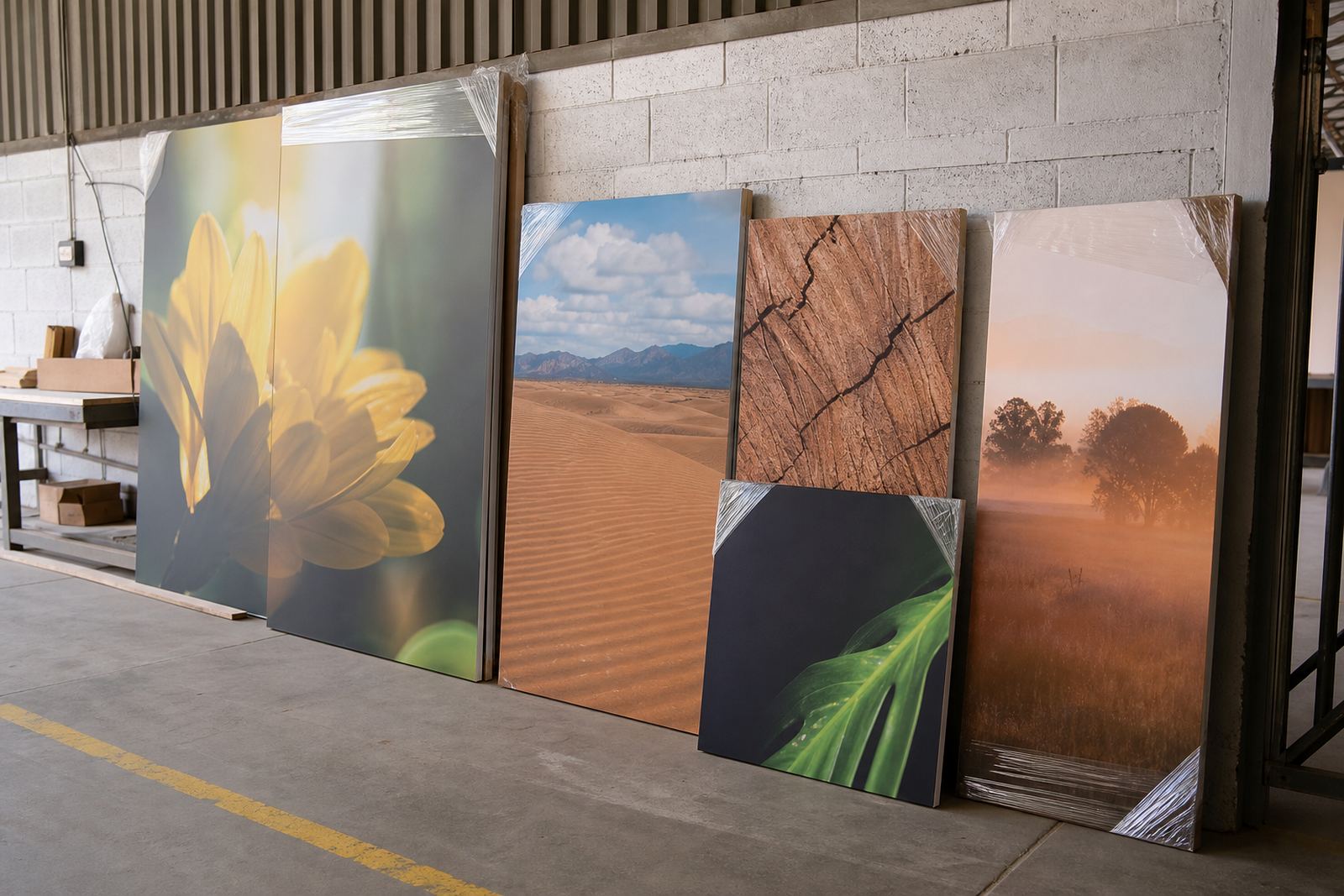
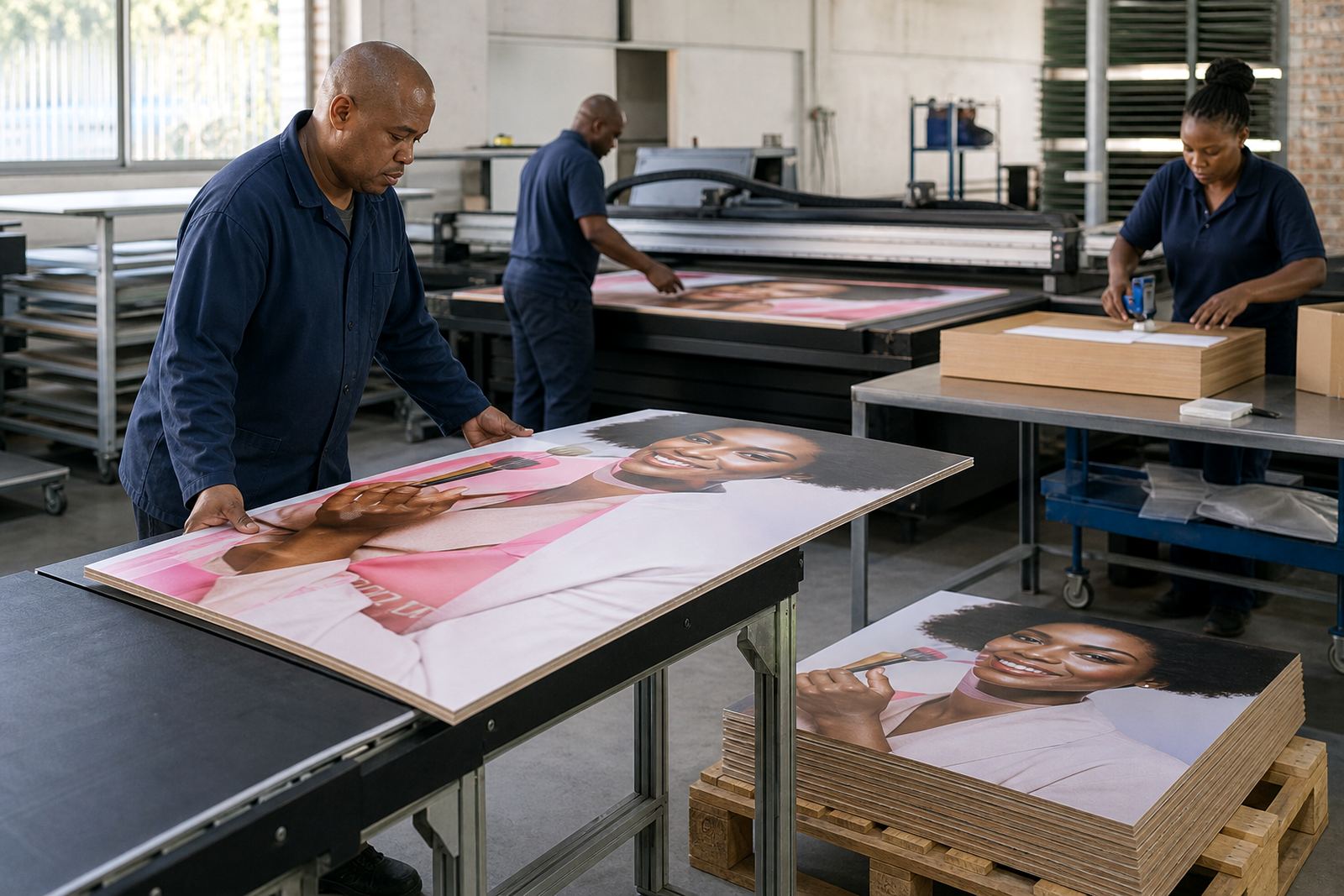
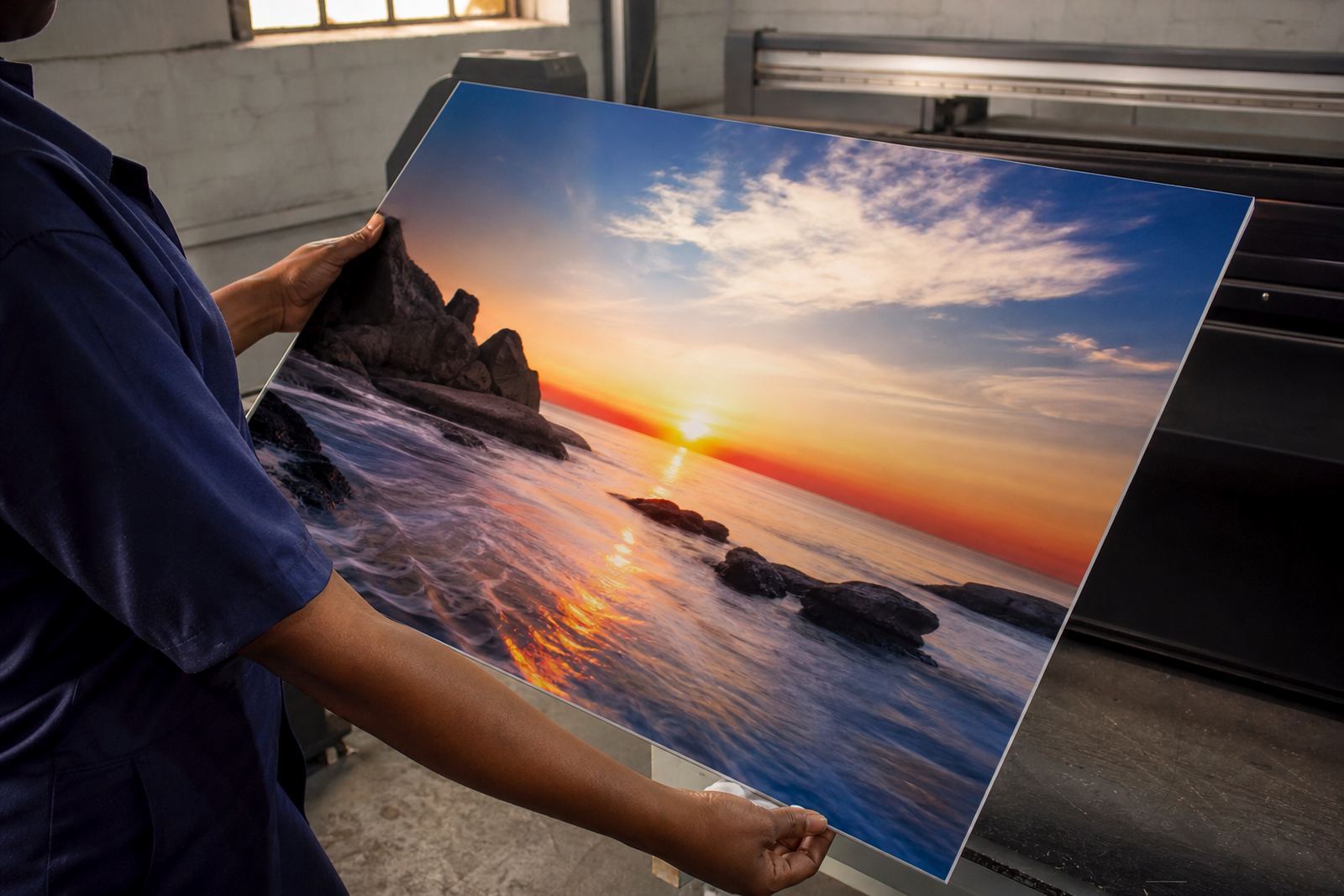
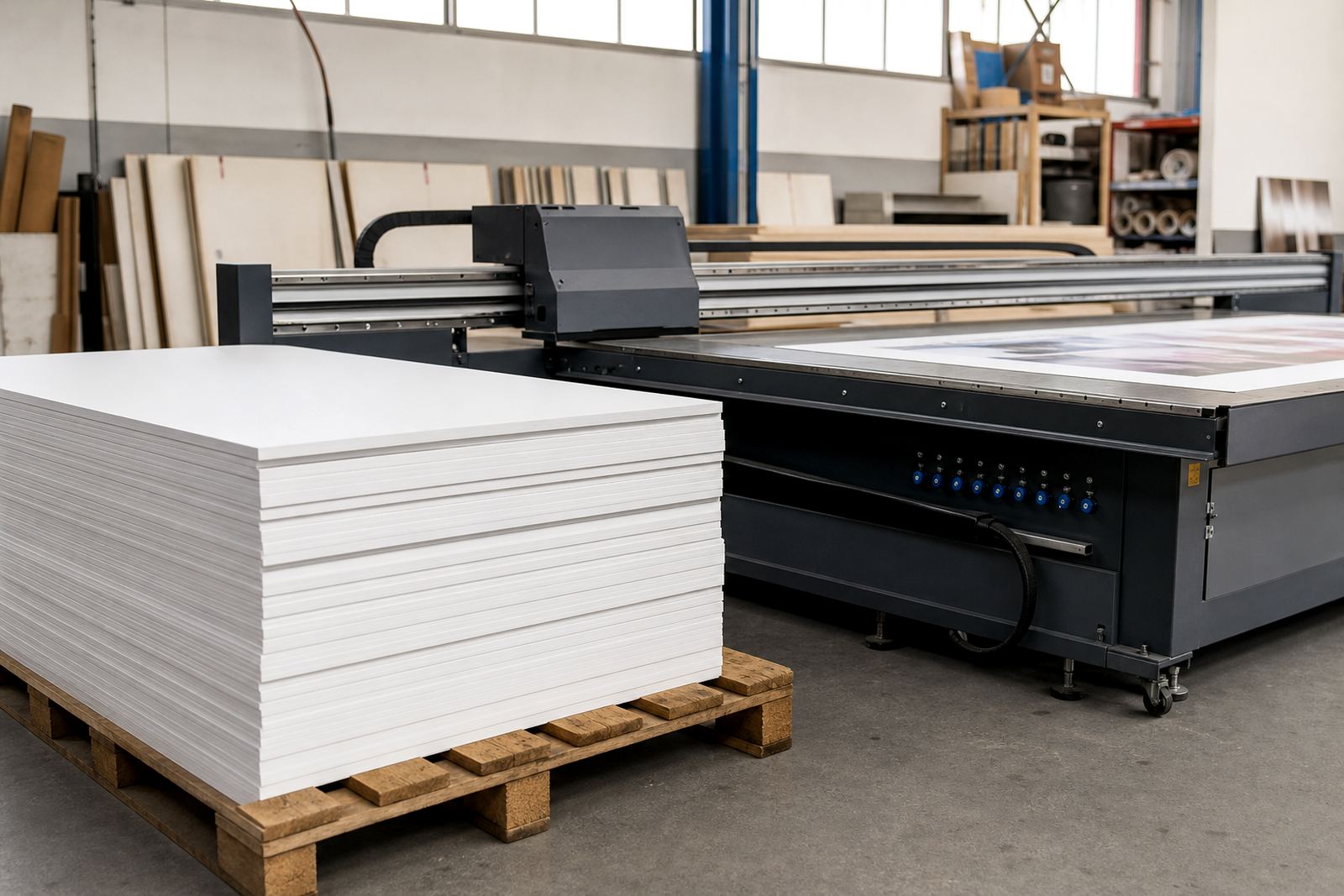
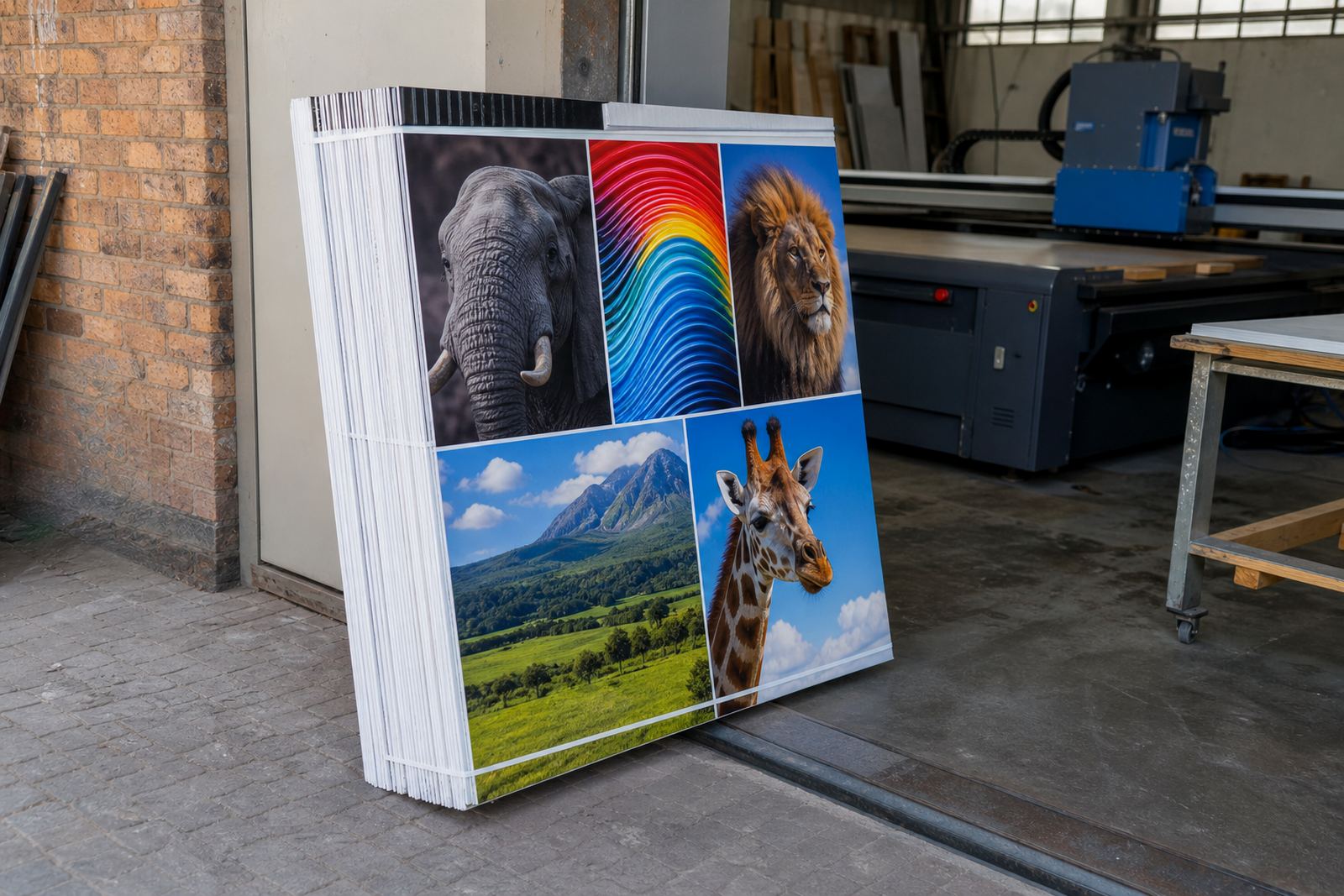
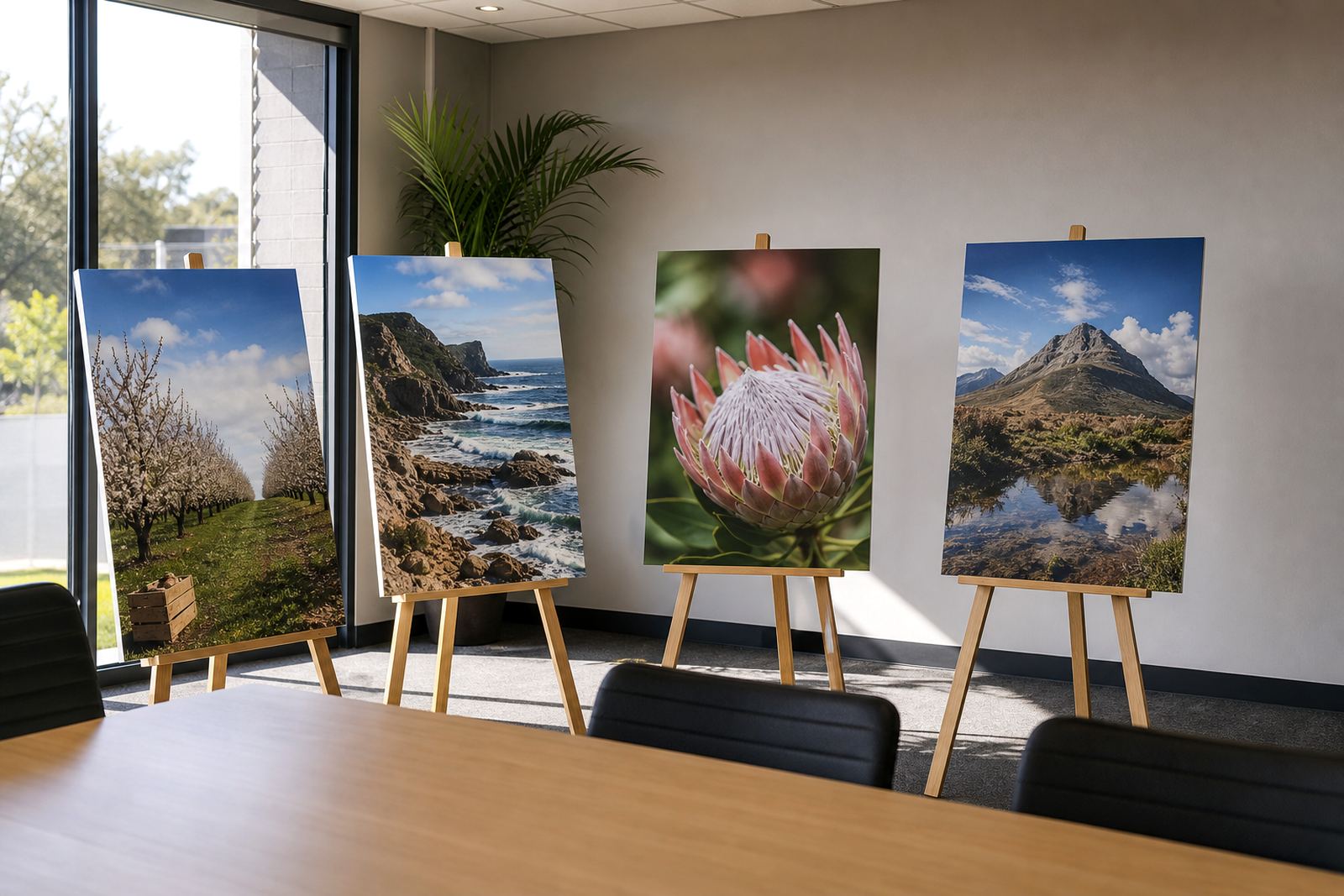
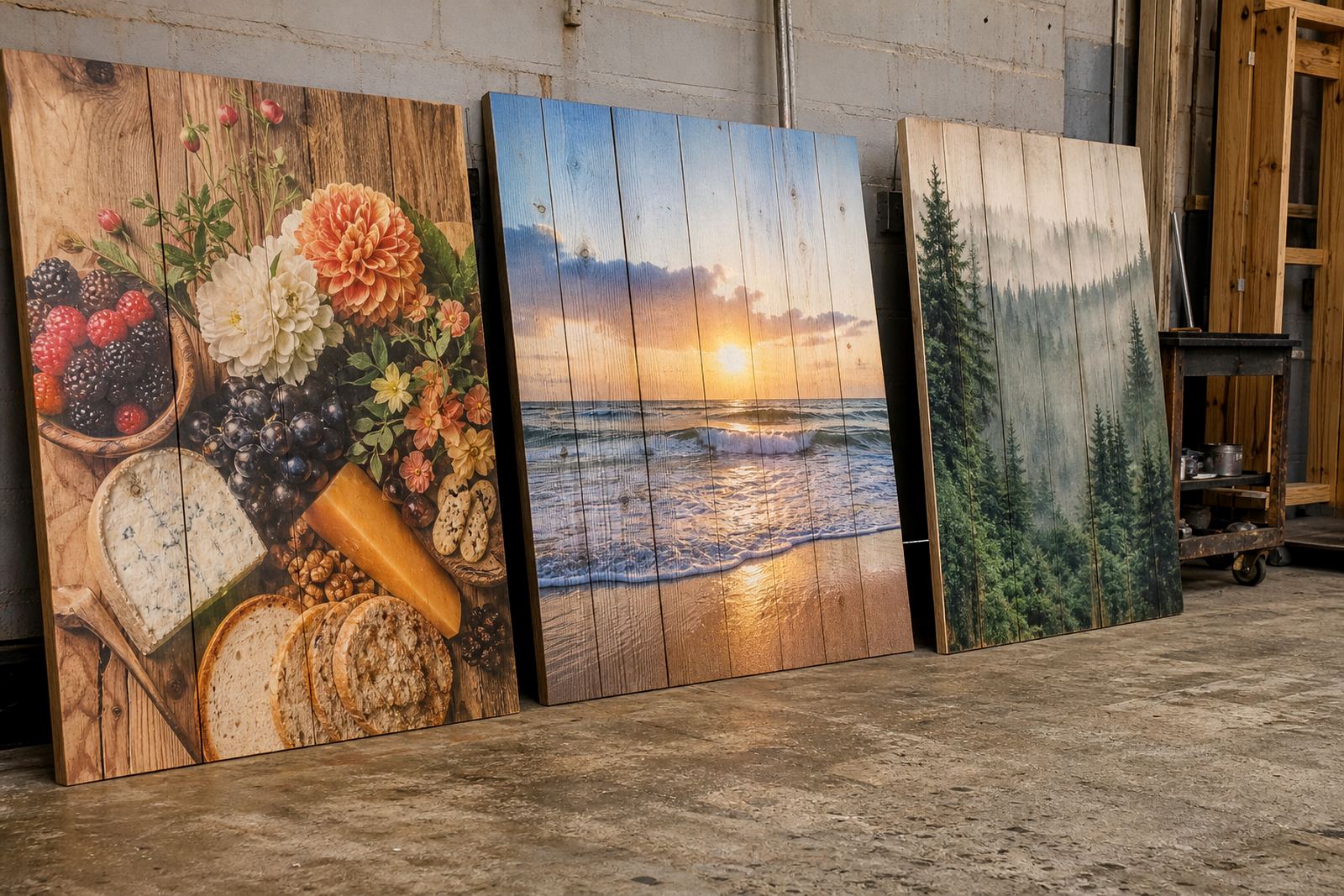
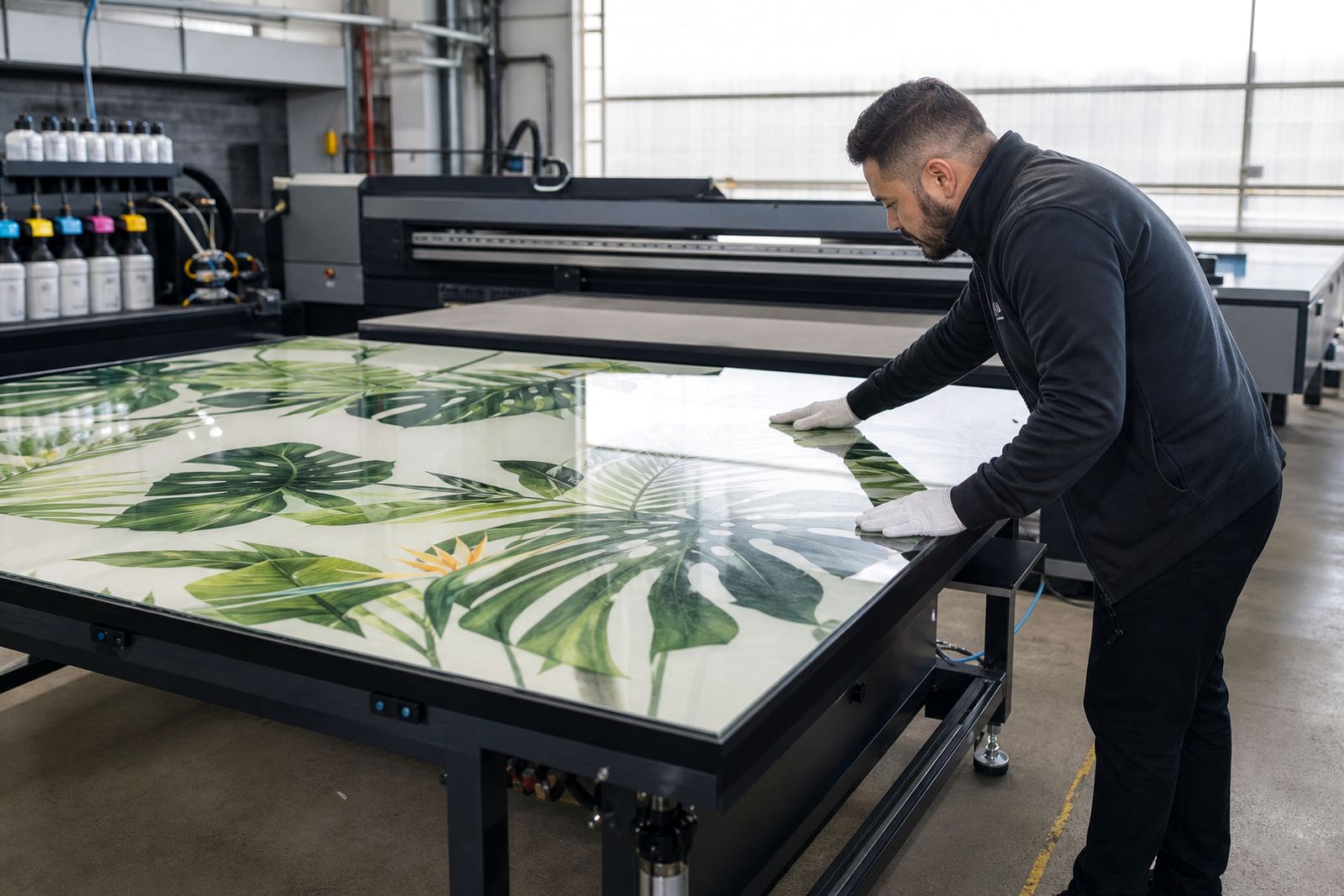
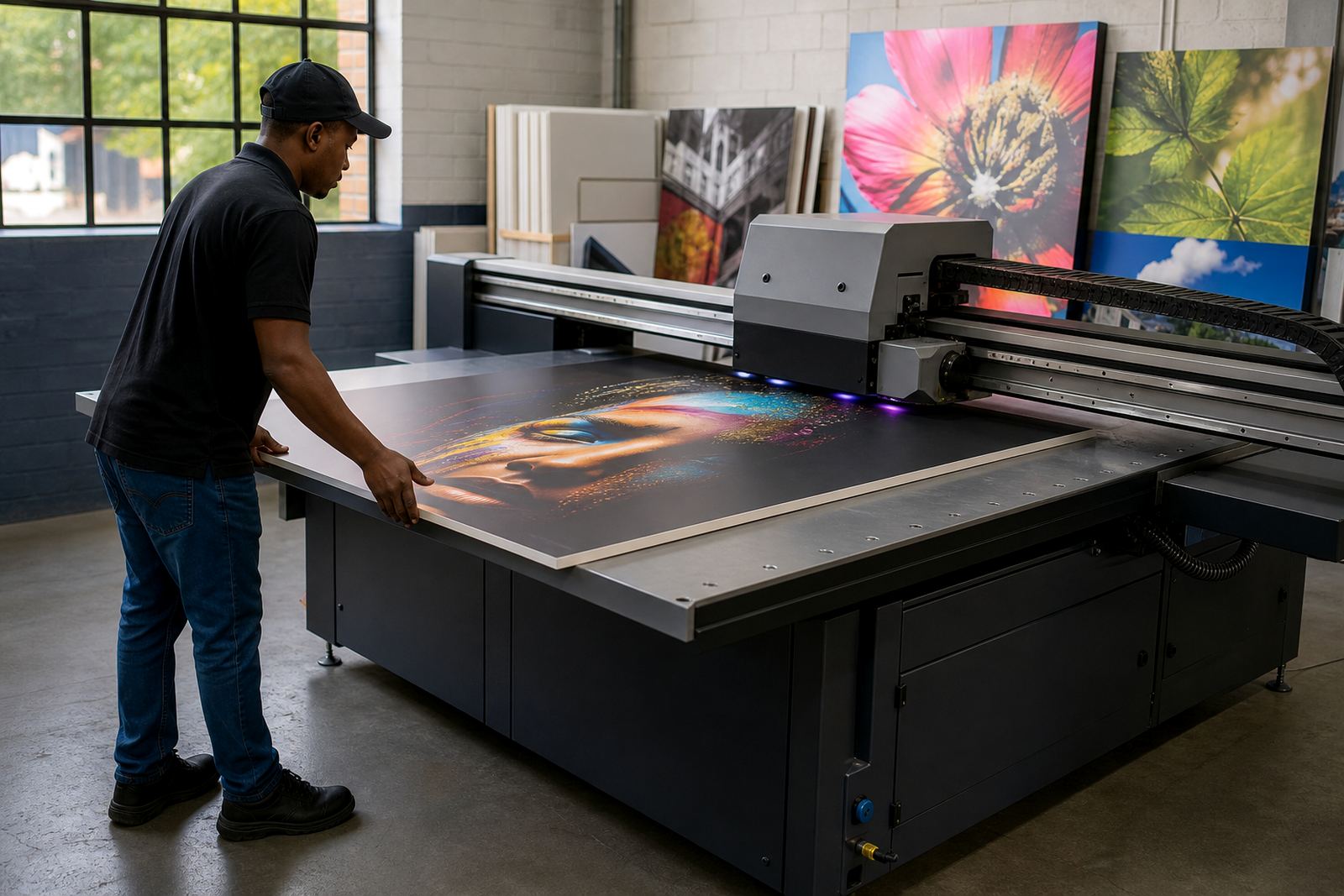
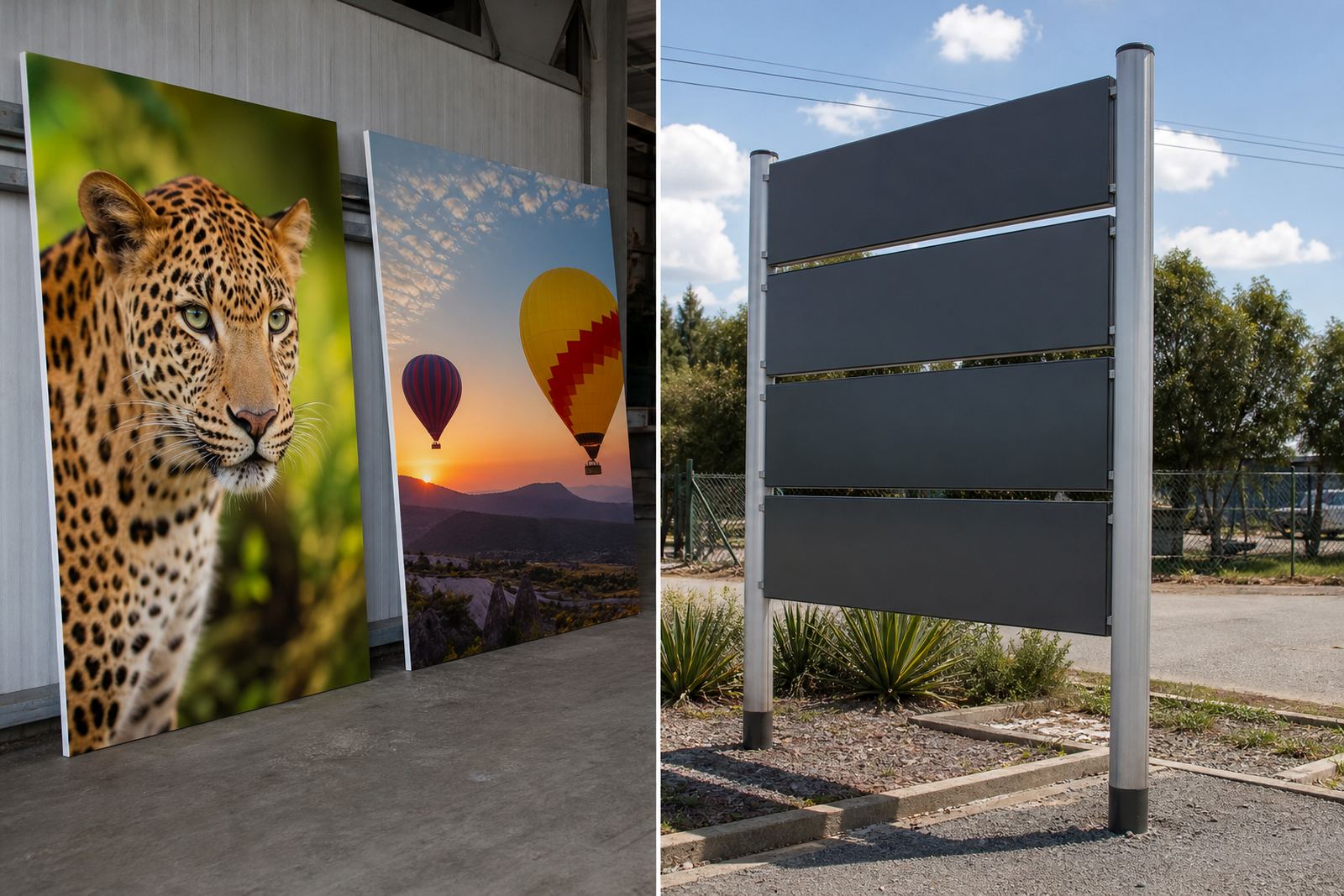
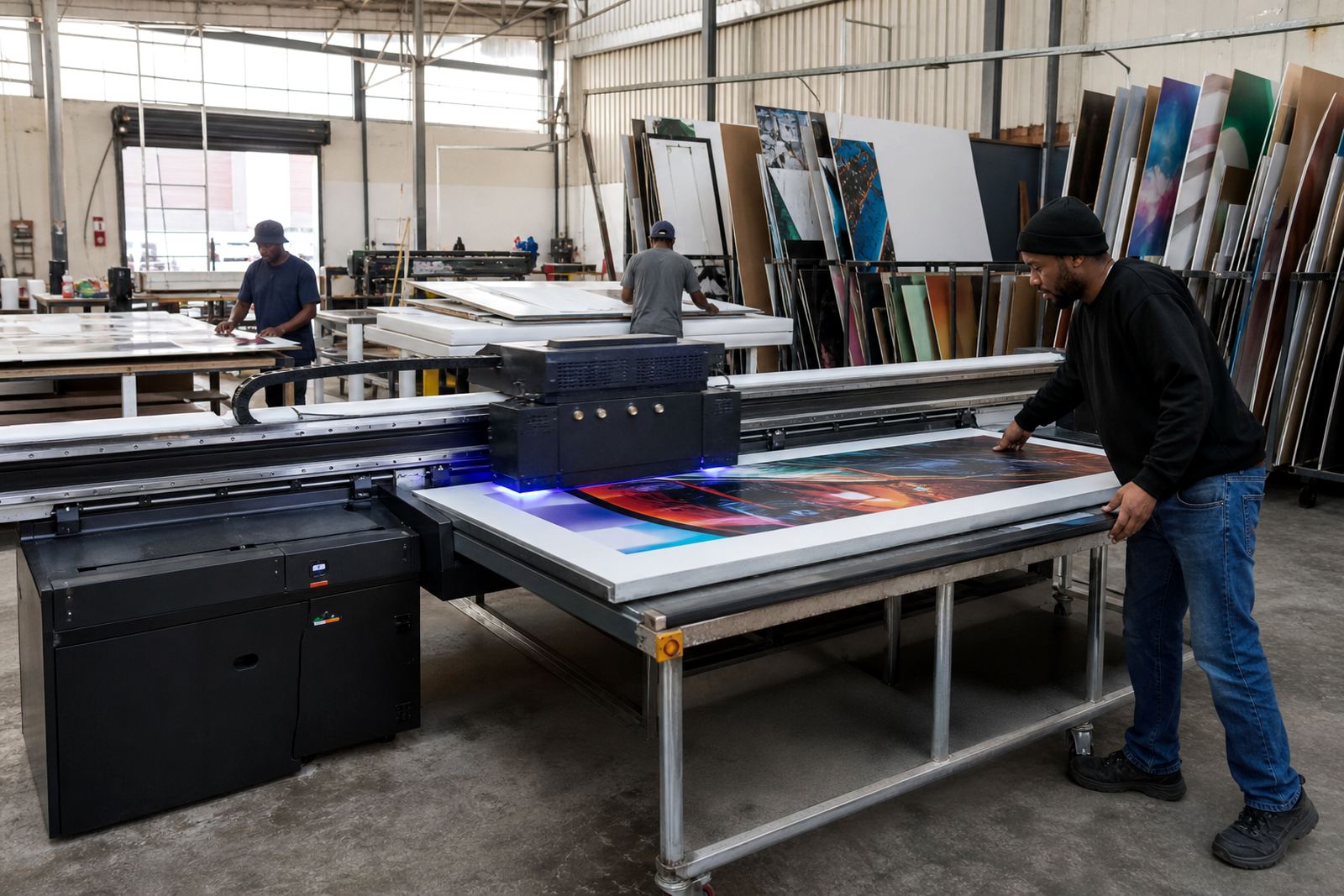
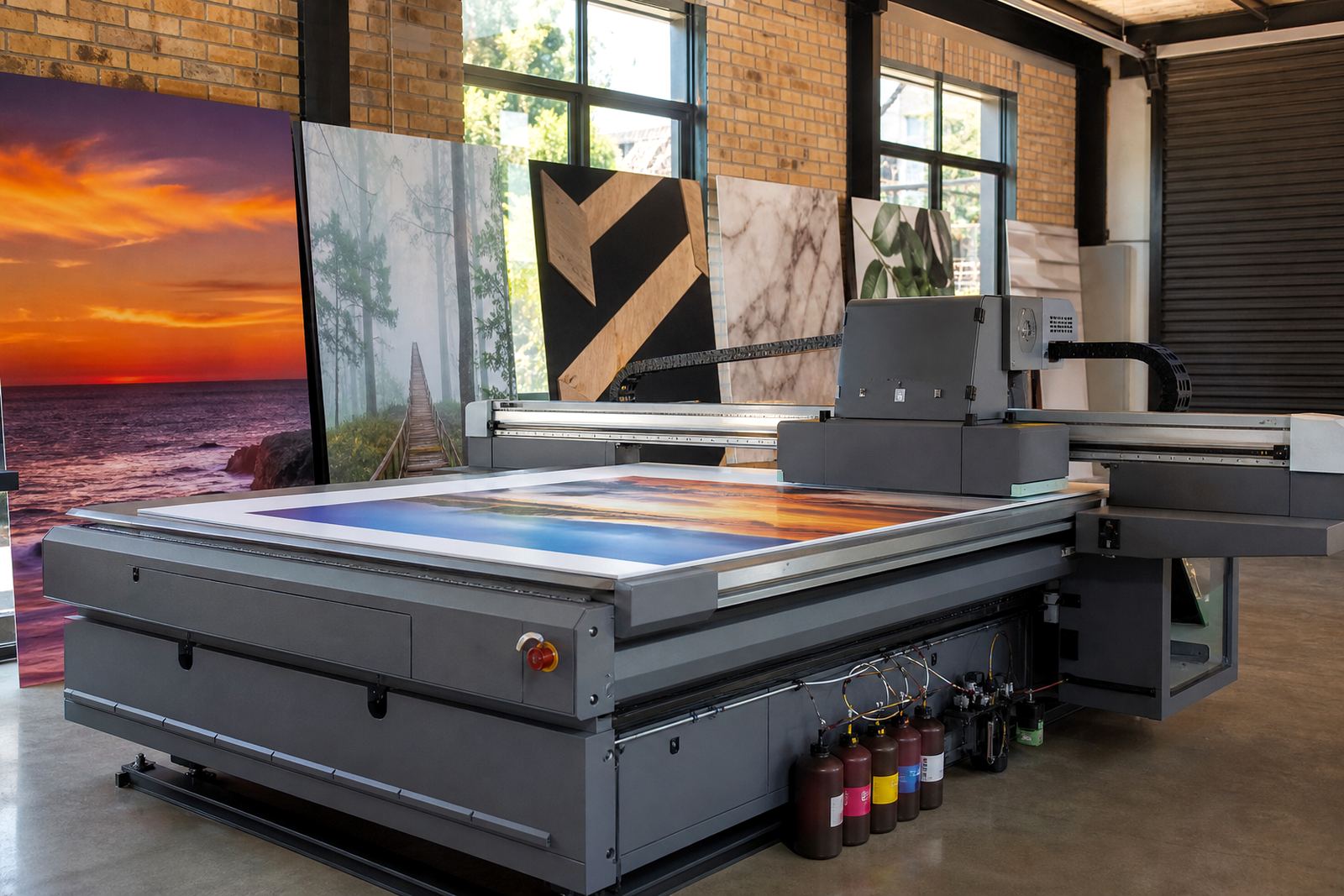
Flatbed UV printing is used for direct-to-board work where rigid sheets, panels or shaped items need clear detail and good adhesion. The articles in this journal focus on the choices that affect output on site, from handling board thickness to planning curing, stacking and finishing. That matters whether you are producing signage for Germiston, retail displays in Johannesburg, or event boards heading to Durban and Cape Town.
We keep the articles practical. You will find guidance on setup decisions, the way ink behaves on different surfaces, and how to plan work around load-shedding, dust and coastal humidity. A good result is rarely about one setting only. It is usually the combination of the right media, the right workflow and steady operator habits.
Choosing Rigid Media For The Job
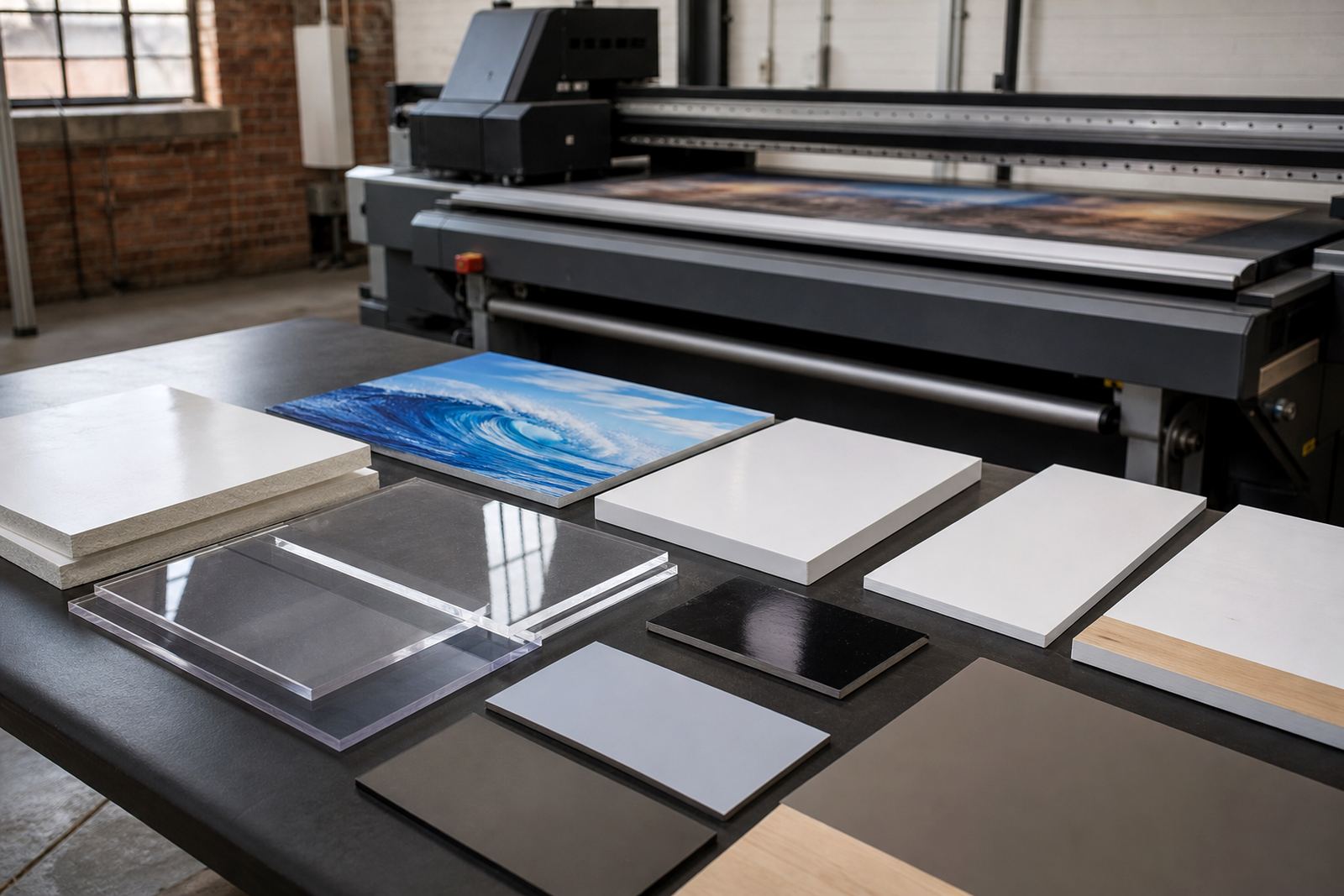
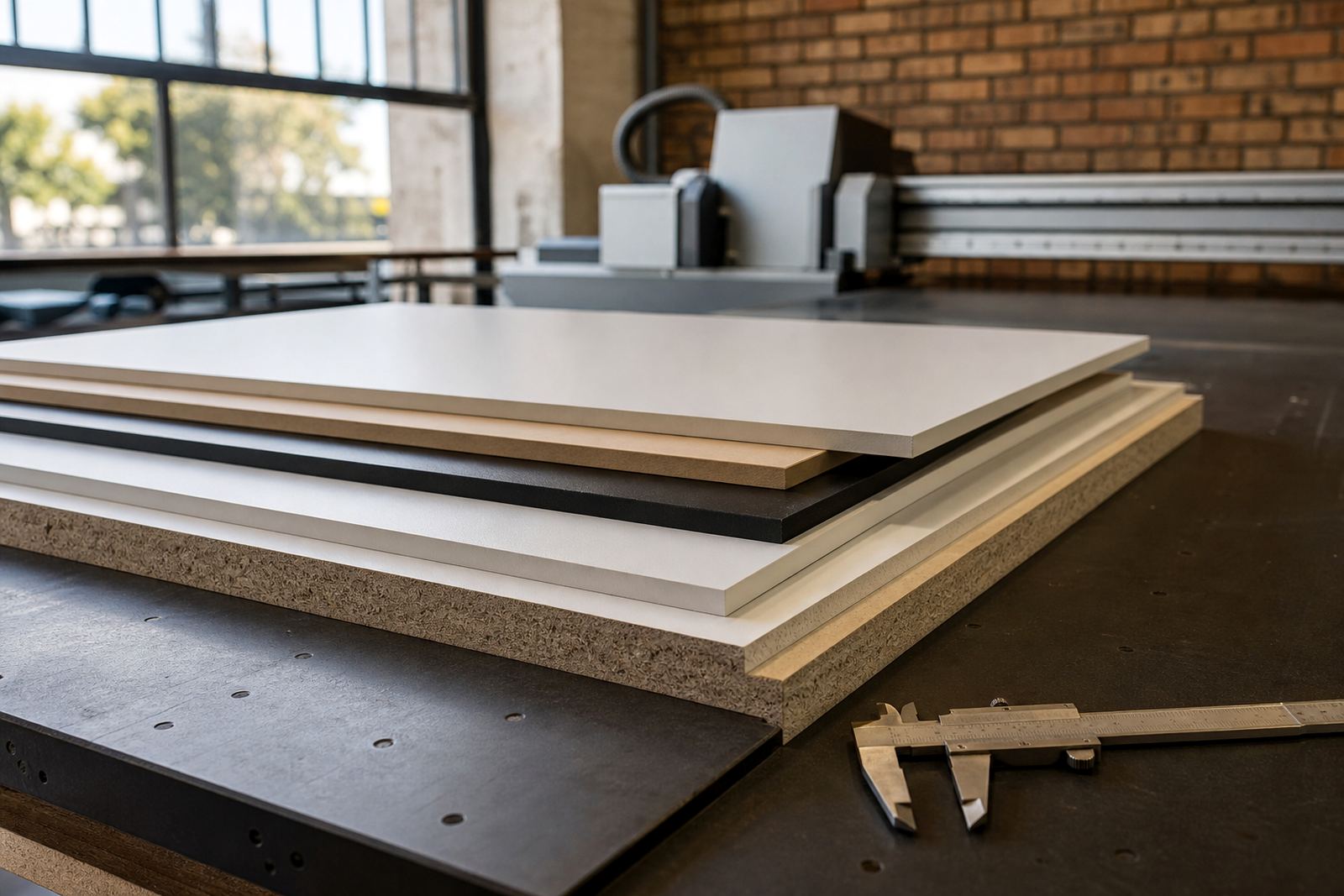
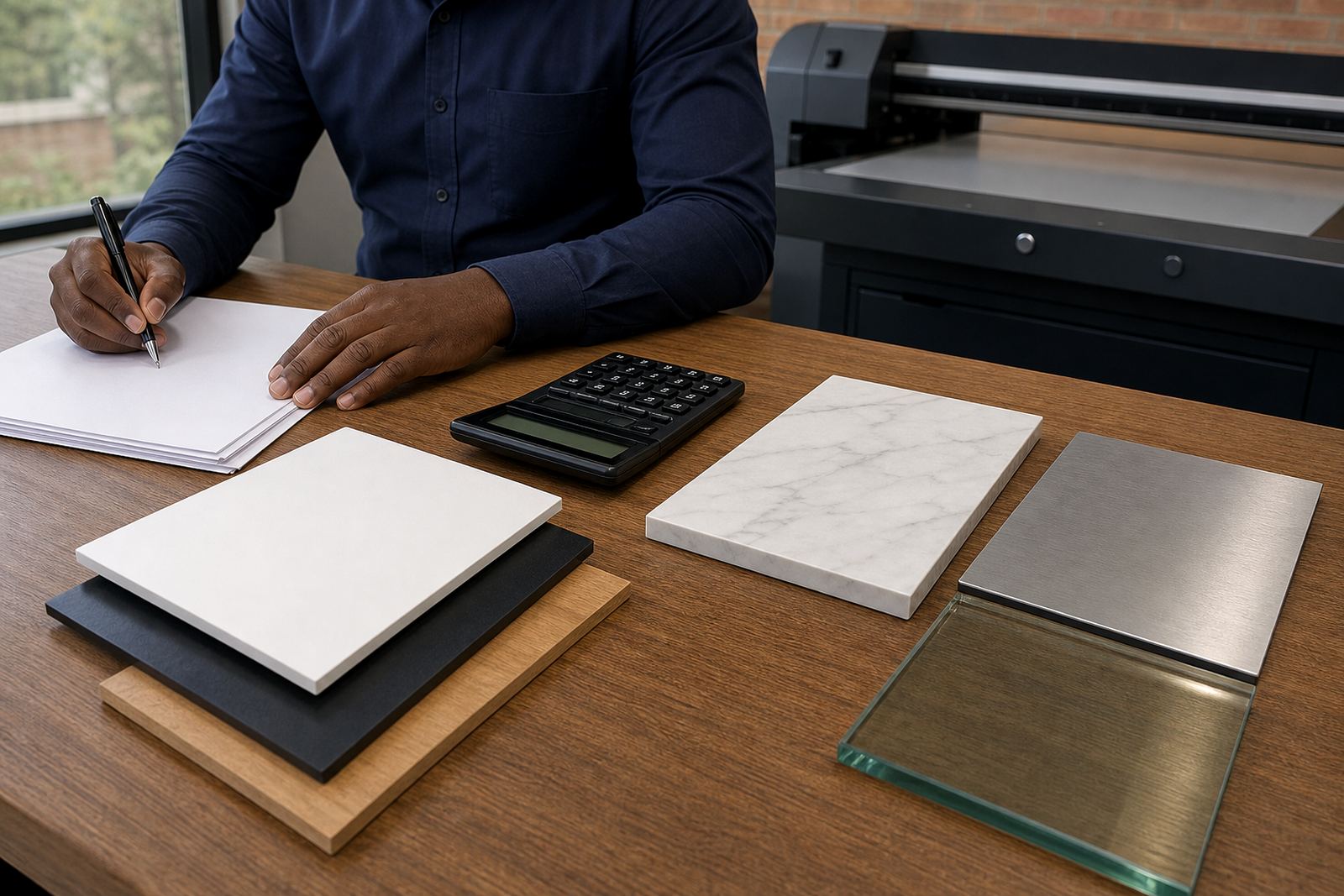
Rigid media choice changes everything from print feel to cutting, stacking and installation. Some boards suit short-term promotional work, while others hold up better on exterior jobs, in damp stores or where signage is handled often. The journal explains the usual trade-offs so you can match the board to the use, not just the price per sheet.
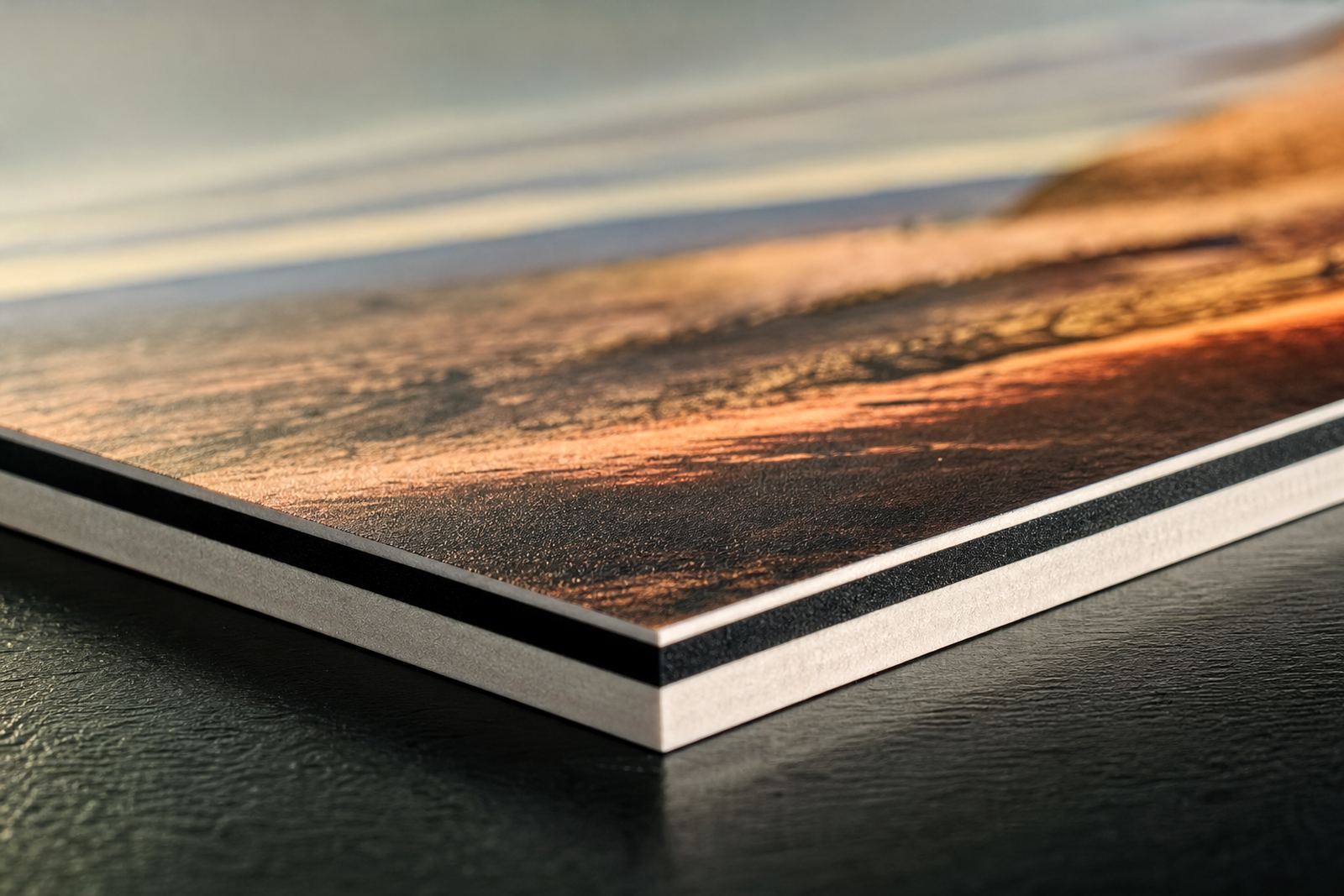
- Foamed PVC and similar boards for clean indoor signage
- Corrugated or honeycomb sheets for lighter event work
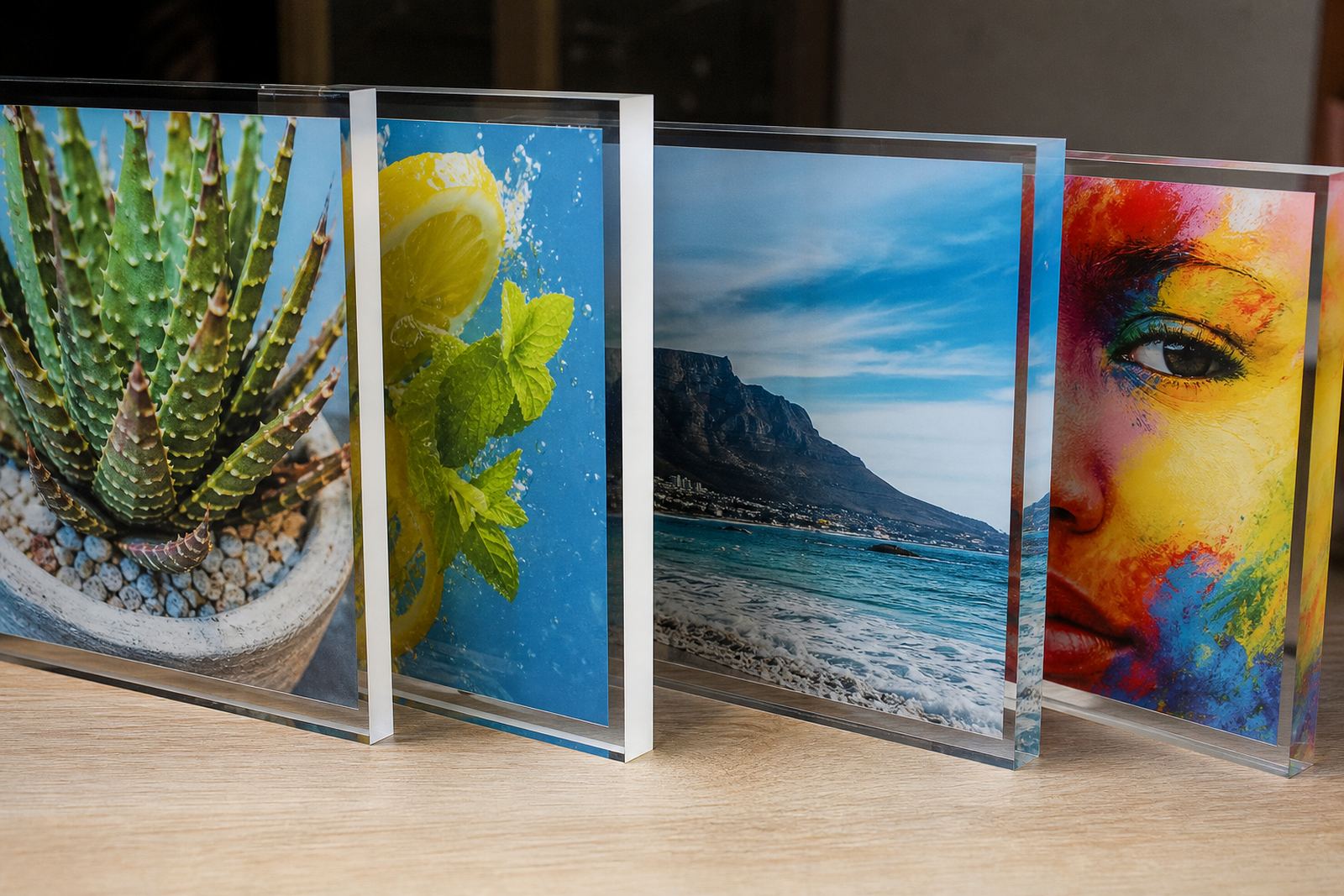
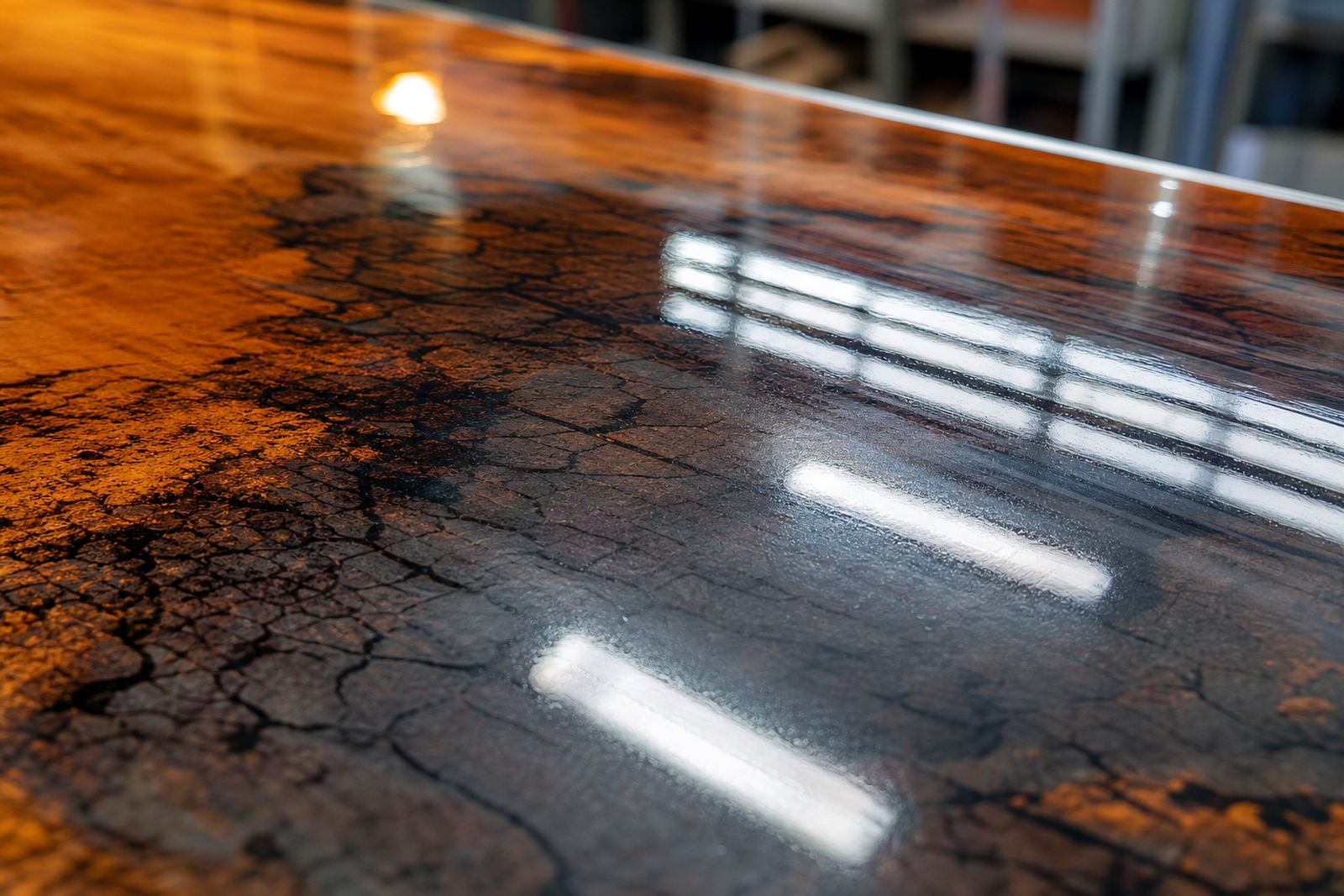
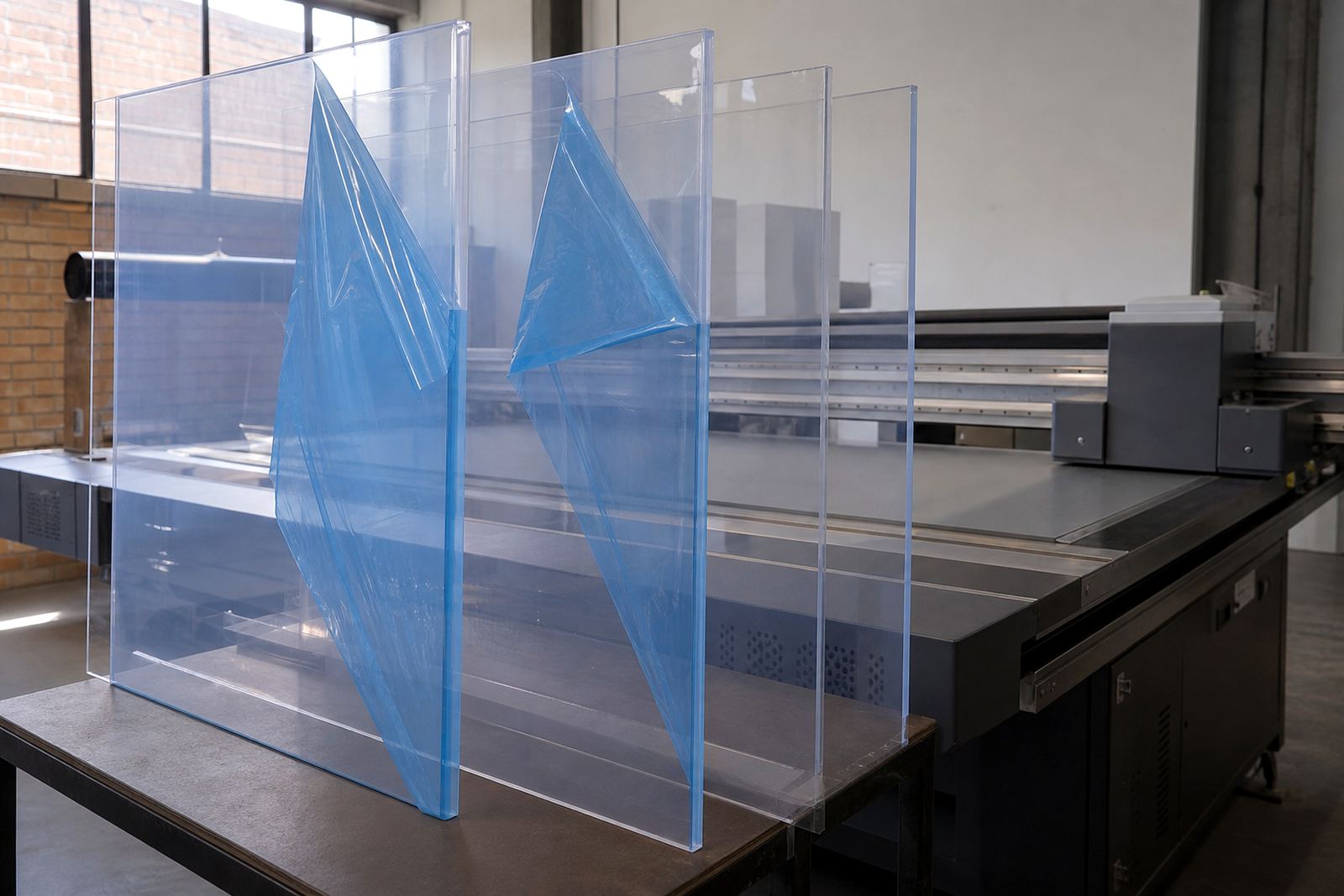
- Acrylic, polycarbonate and other clear or glossy surfaces for display pieces
- Composite panels for shopfitting, industrial notices and longer-life applications
- Test prints on new media before bulk production
Across Gauteng, many customers want boards that are easy to source and store. In coastal centres, the same board may need extra care because humidity can affect flatness and edge condition. The journal covers those practical checks without making the process more complicated than it needs to be.
Ink Handling, Colour Control And Cure Checks
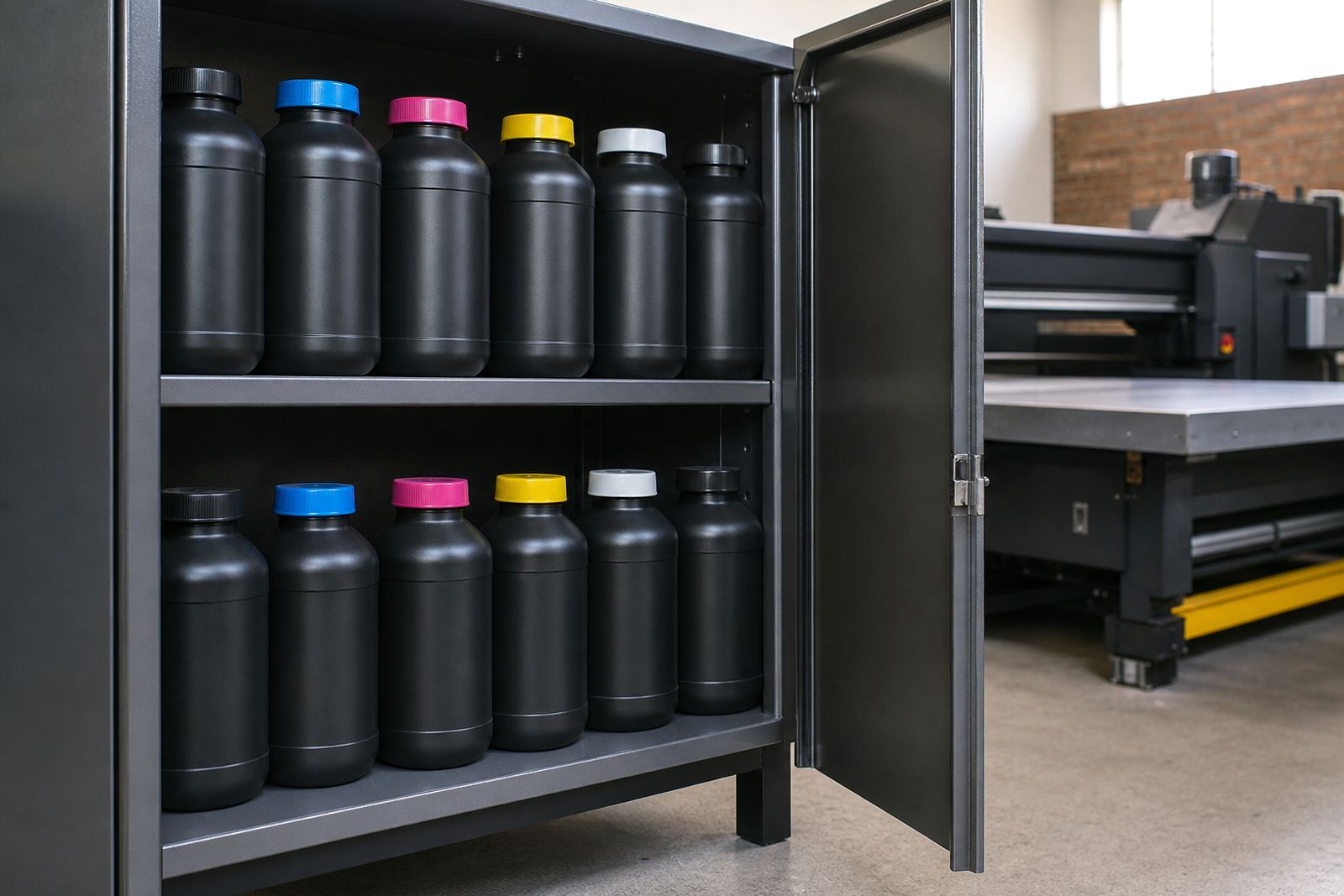
UV inks need careful handling if you want reliable colour and consistent cure. The articles cover basic storage, mixing discipline, nozzle care and simple ways to check whether the print is ready for finishing. That is especially useful when teams work through long shifts or where power interruptions can affect production flow.
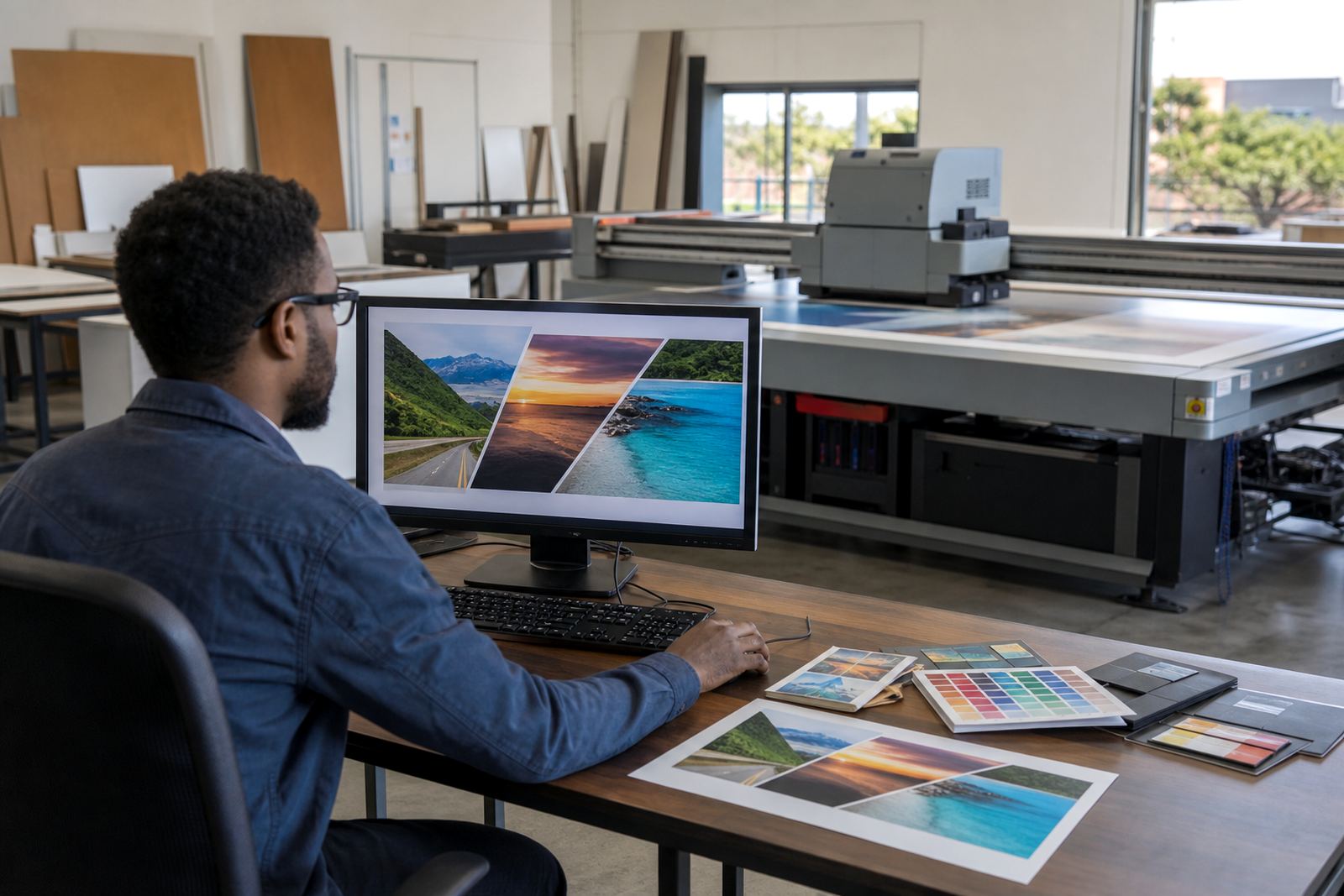
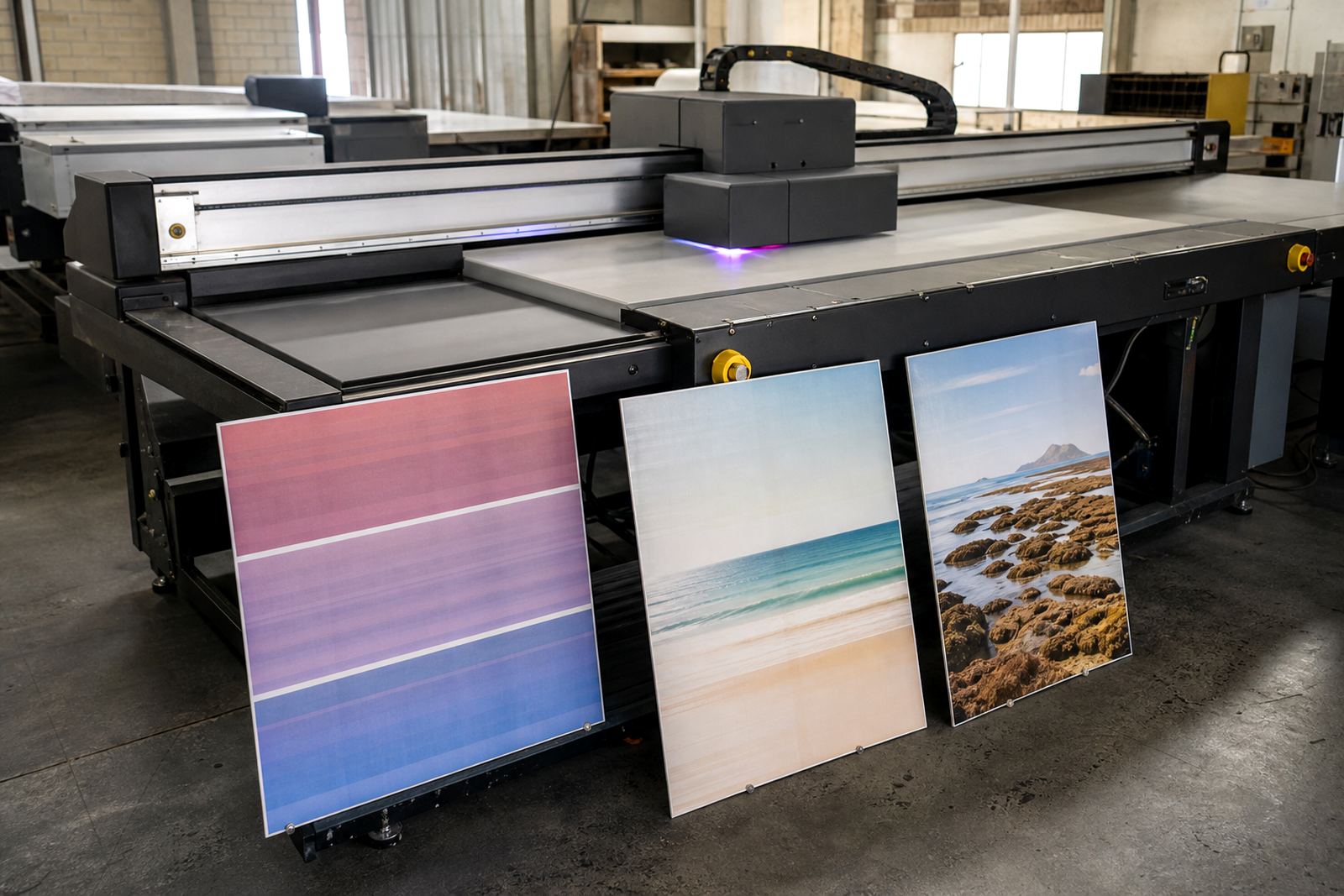
Colour guidance is also part of the journal. Different media can shift the look of the same artwork, so it helps to test on the actual board before a full run. In practice, this saves time on reprints and keeps customer approvals clearer. It also helps production teams judge when a file needs more contrast, less ink density or a small layout change.
A Practical Workflow For Busy Print Shops
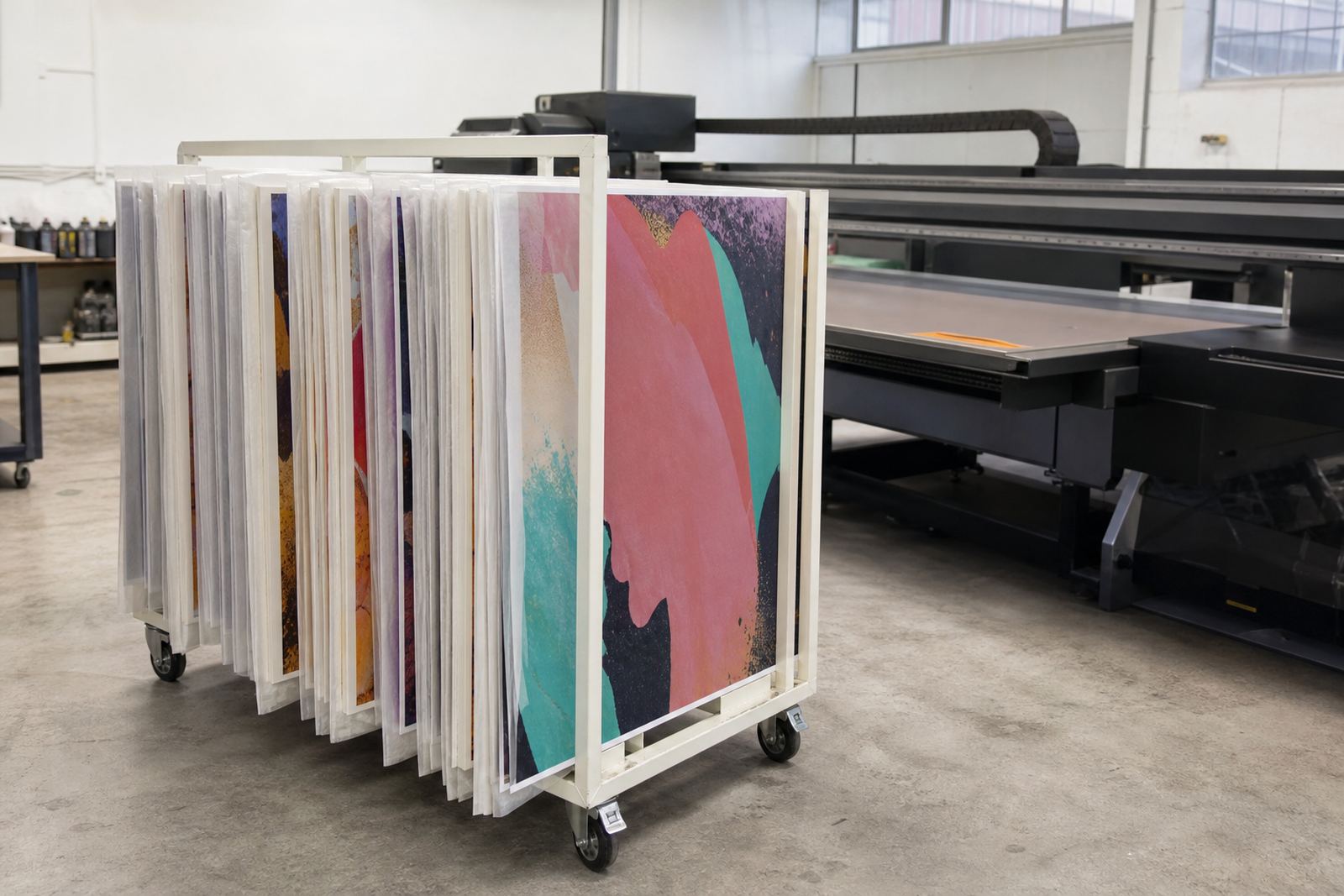
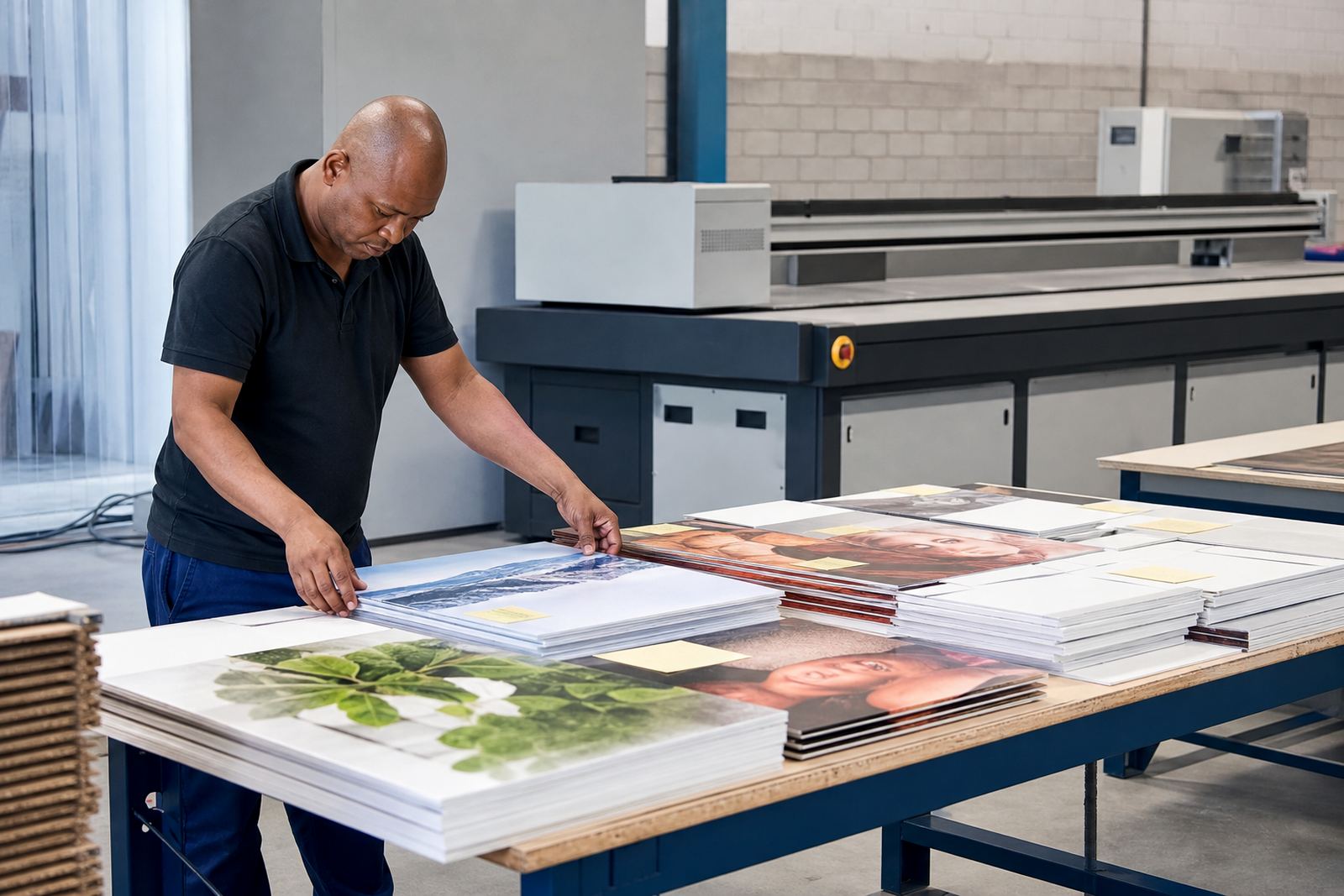
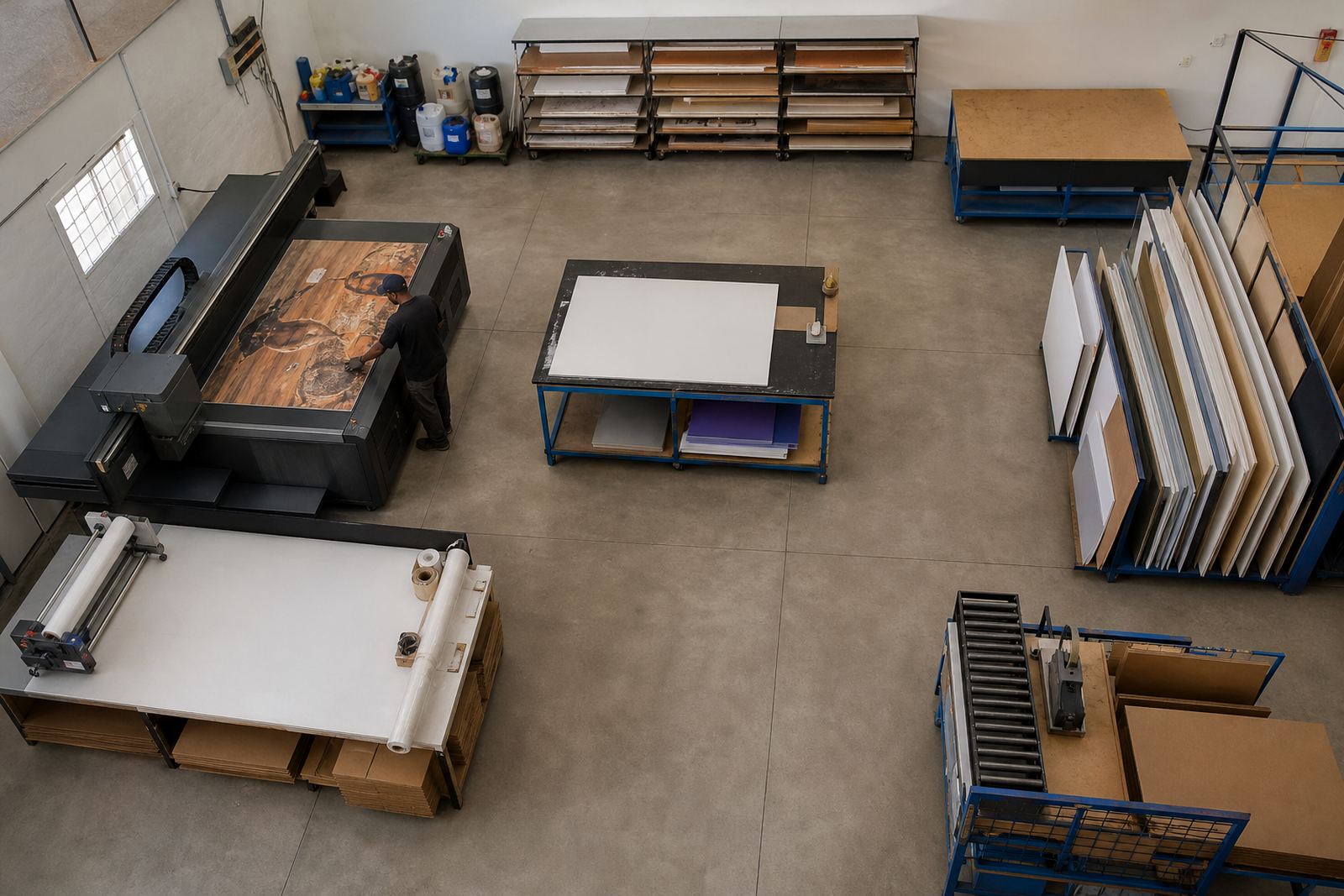
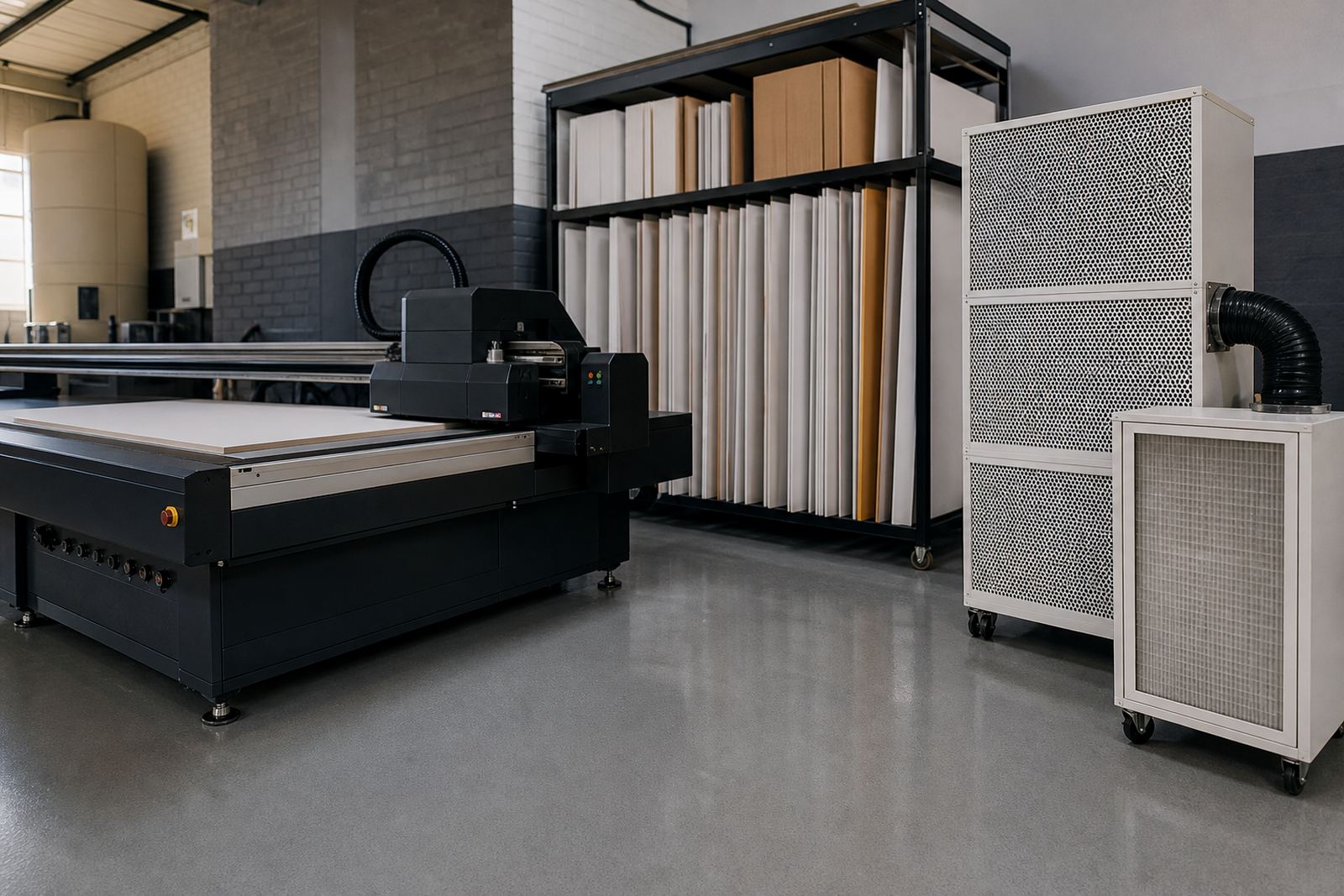
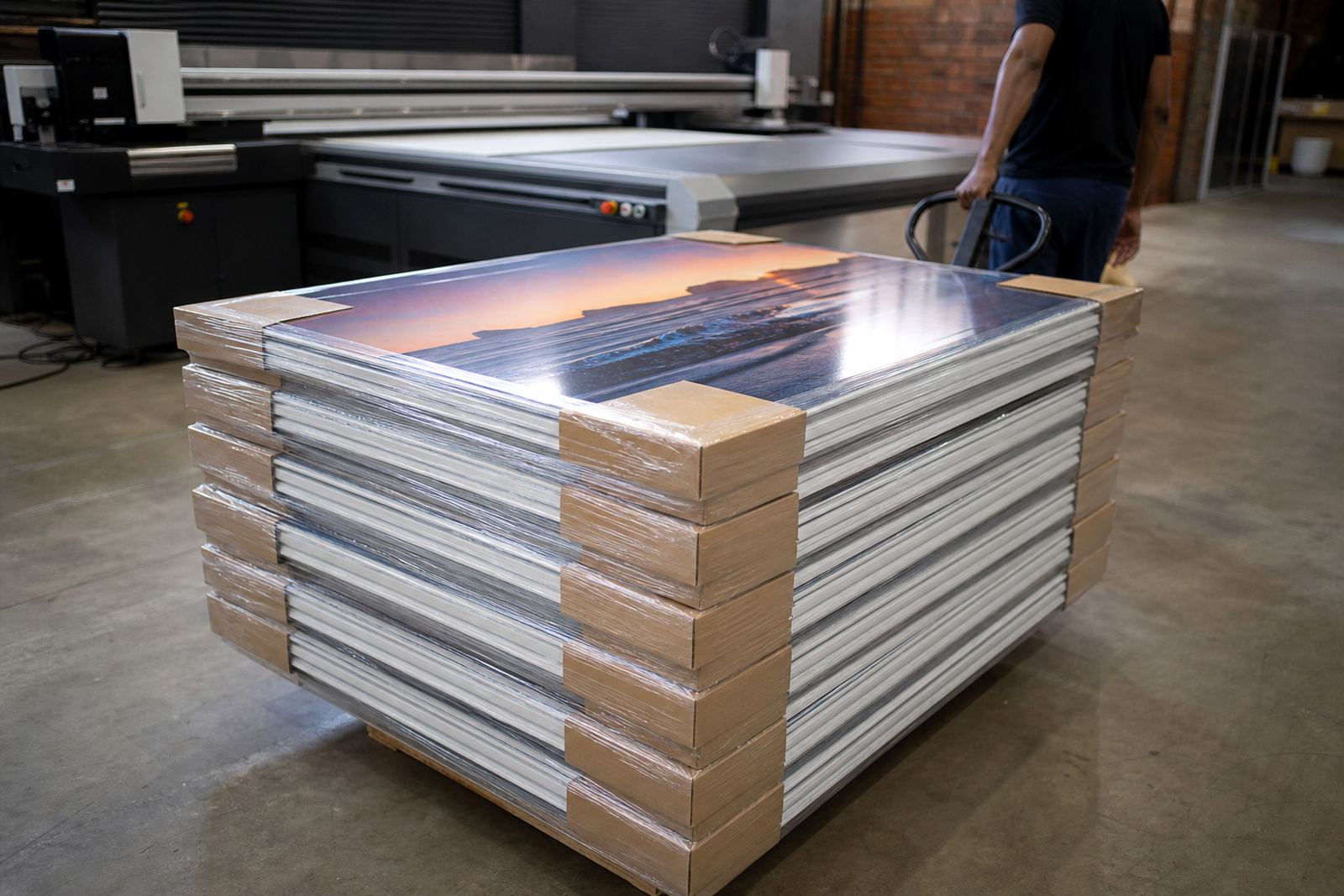
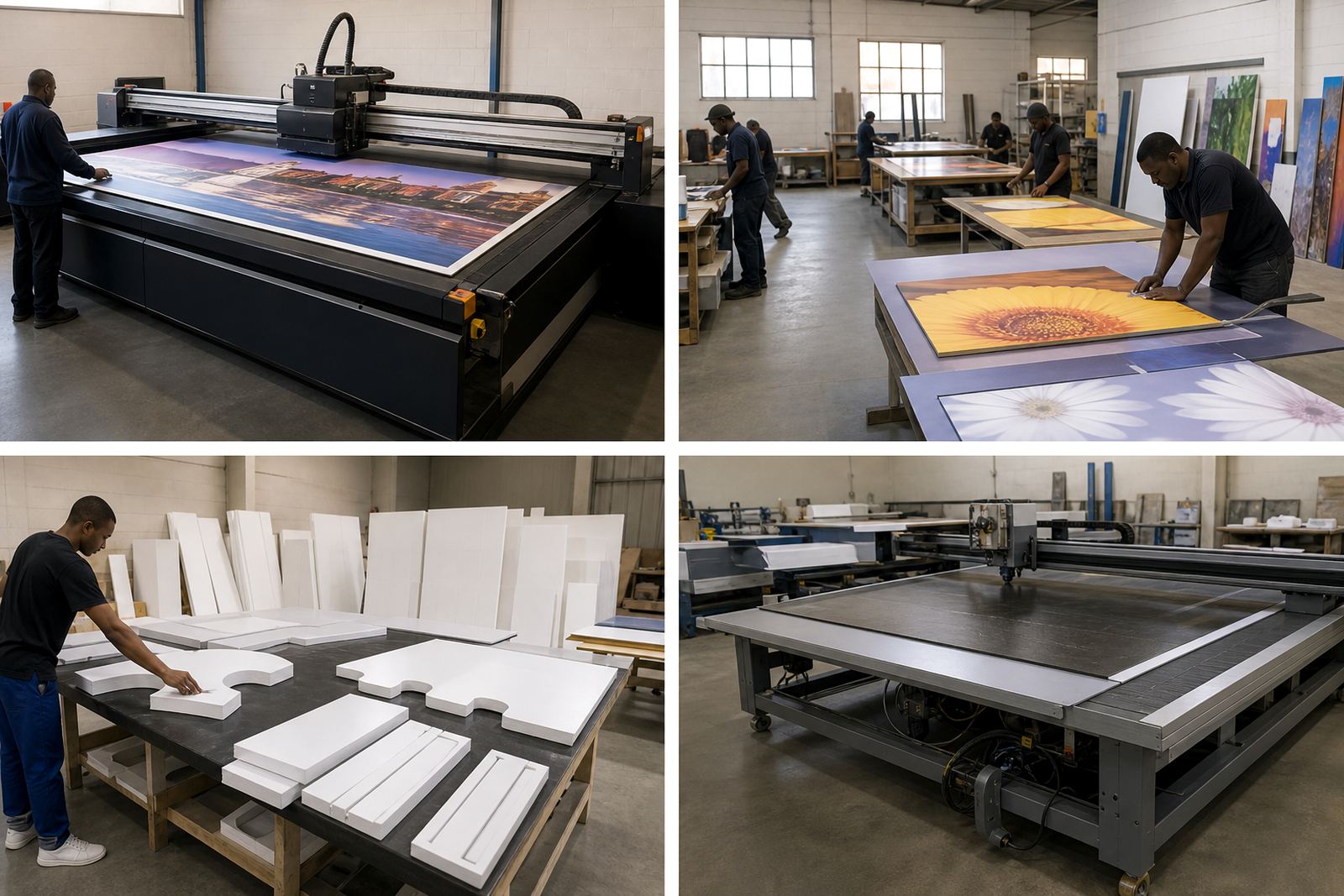
The journal looks at the full workflow, not just the print stage. That includes site preparation, unpacking media, organising jobs by urgency and planning where finished boards will dry, cool or be stored before dispatch. A clear process matters in a shop that is moving between rush orders, scheduled work and same-day collections.
- Check the substrate before it enters production
- Confirm artwork dimensions against the board size
- Set a simple approval step for colour and layout
- Keep drying, stacking and dispatch areas separate
- Record useful settings for repeat jobs
Good workflow planning also supports training. When operators understand why each step matters, they waste less material and catch problems earlier. That is useful in places like Pretoria and Centurion where production teams often handle a mix of corporate signage, retail boards and short-run promotional pieces in the same week.
Maintenance Habits That Protect Output
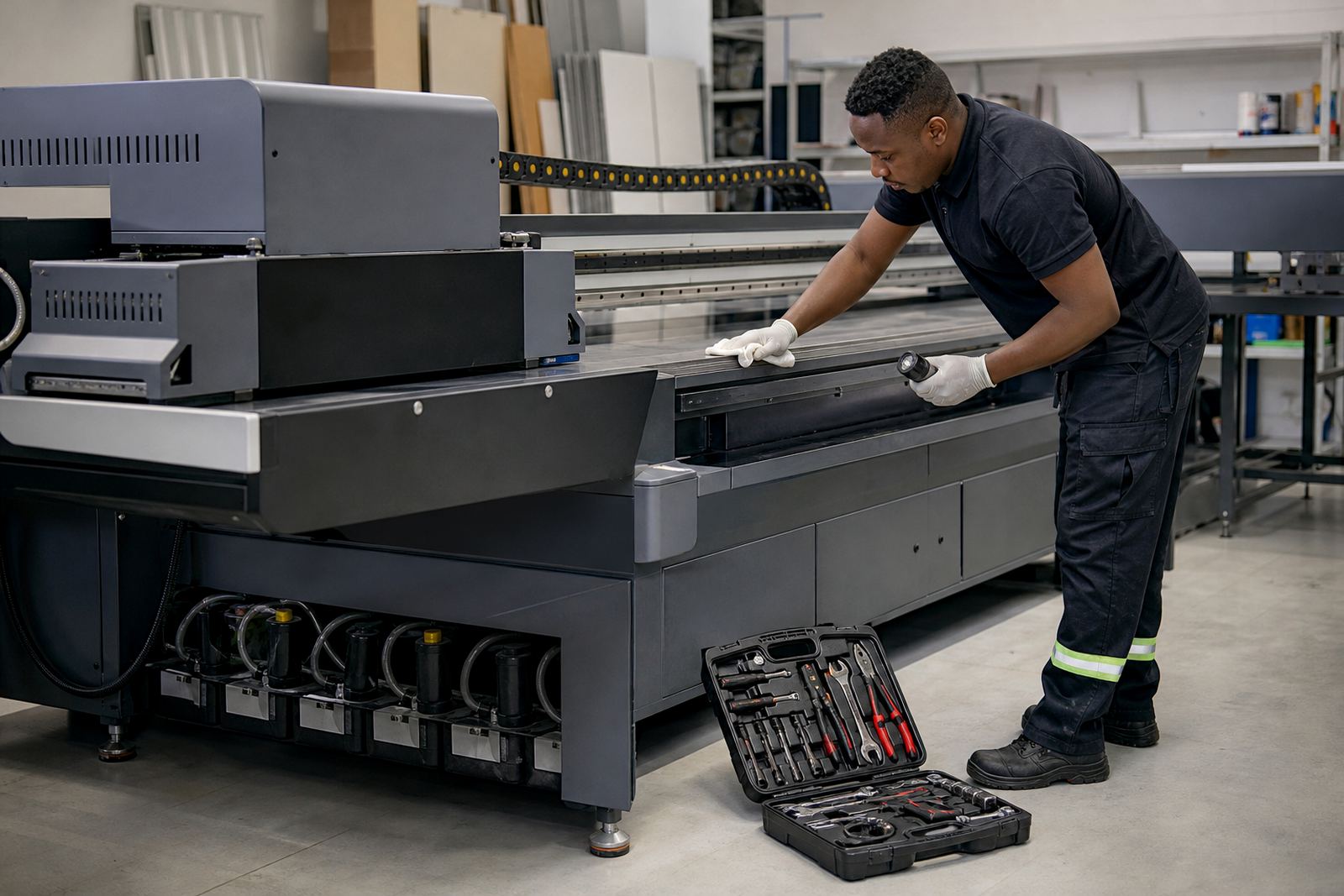
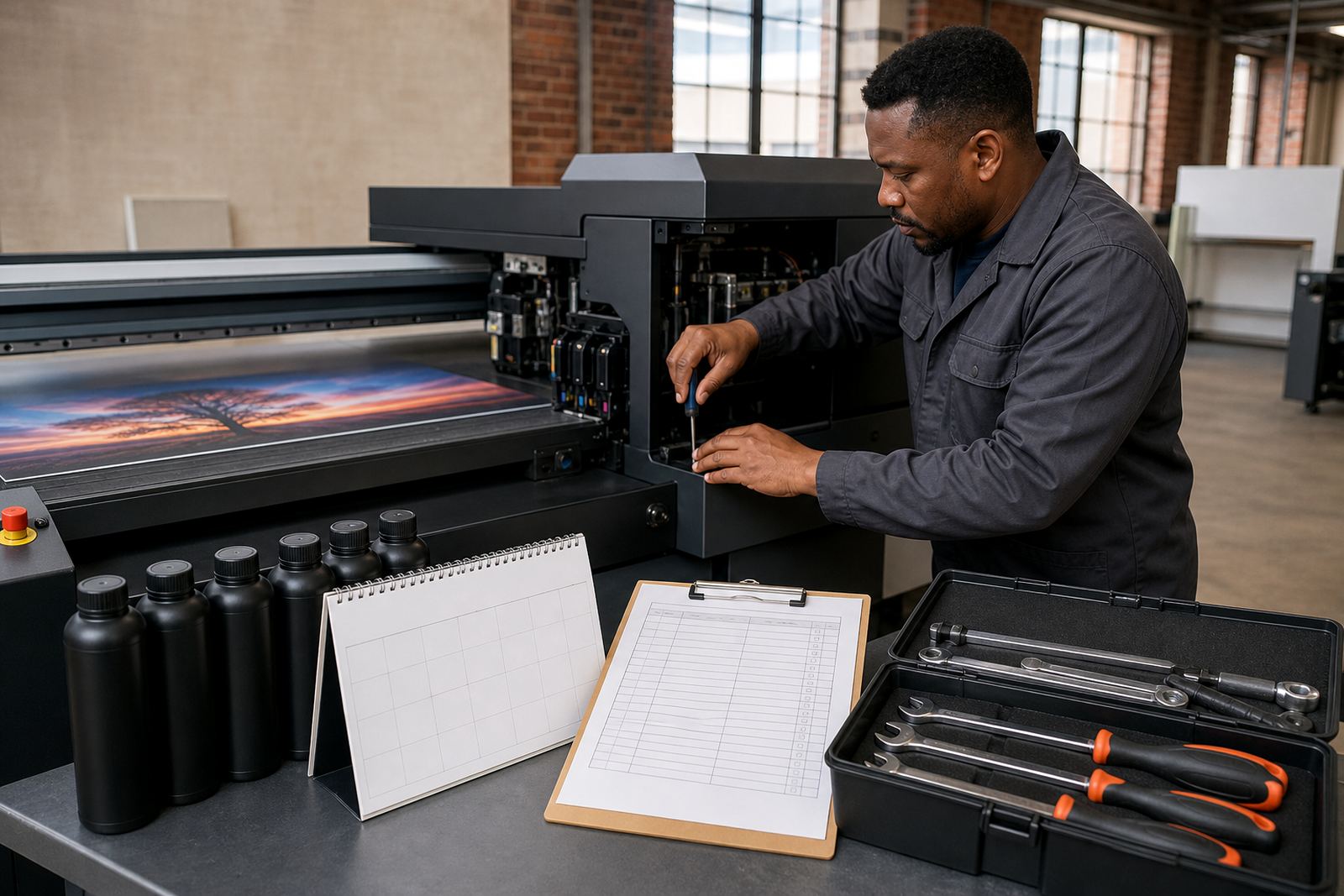
Preventive maintenance is one of the strongest themes in the journal because small issues often become costly downtime if they are ignored. Clean working areas, sensible ink handling and regular checks on consumables help protect output quality. It is the same whether the machine is running in Germiston, on the East Rand or at a busy shop in Cape Town.
We also cover breakdown response and remote support in plain language. Sometimes a problem is a setting, sometimes it is a worn part, and sometimes it is simply a media or file issue that looks bigger than it is. The aim is to help teams know what to check first, what to log and when to call for service support.
How To Use The Journal When Planning A Purchase
If you are comparing UV printing options, use the journal to narrow the discussion before you commit. The right questions are usually about the work you need to produce, the space you have available and the level of support your team will need after installation. That is more useful than chasing the longest list of features.
For South African businesses, the decision often comes down to practical factors such as board sizes, the range of rigid materials, site access, training needs and how often the shop must keep running during power cuts. Read across the articles, note the points that affect your own job mix, and build from there. The listing cards on this page are added separately for quick browsing.