
Why seasonal demand changes the print plan
Seasonal work is different from everyday signage because the jobs are often larger, more urgent and tied to fixed dates. A retail promotion, year-end sale or expo stand cannot move because the print run was delayed. That is why flatbed UV planning starts before the first board is loaded. The printer, media, inks, finishing table and delivery route all need to be ready at the same time.
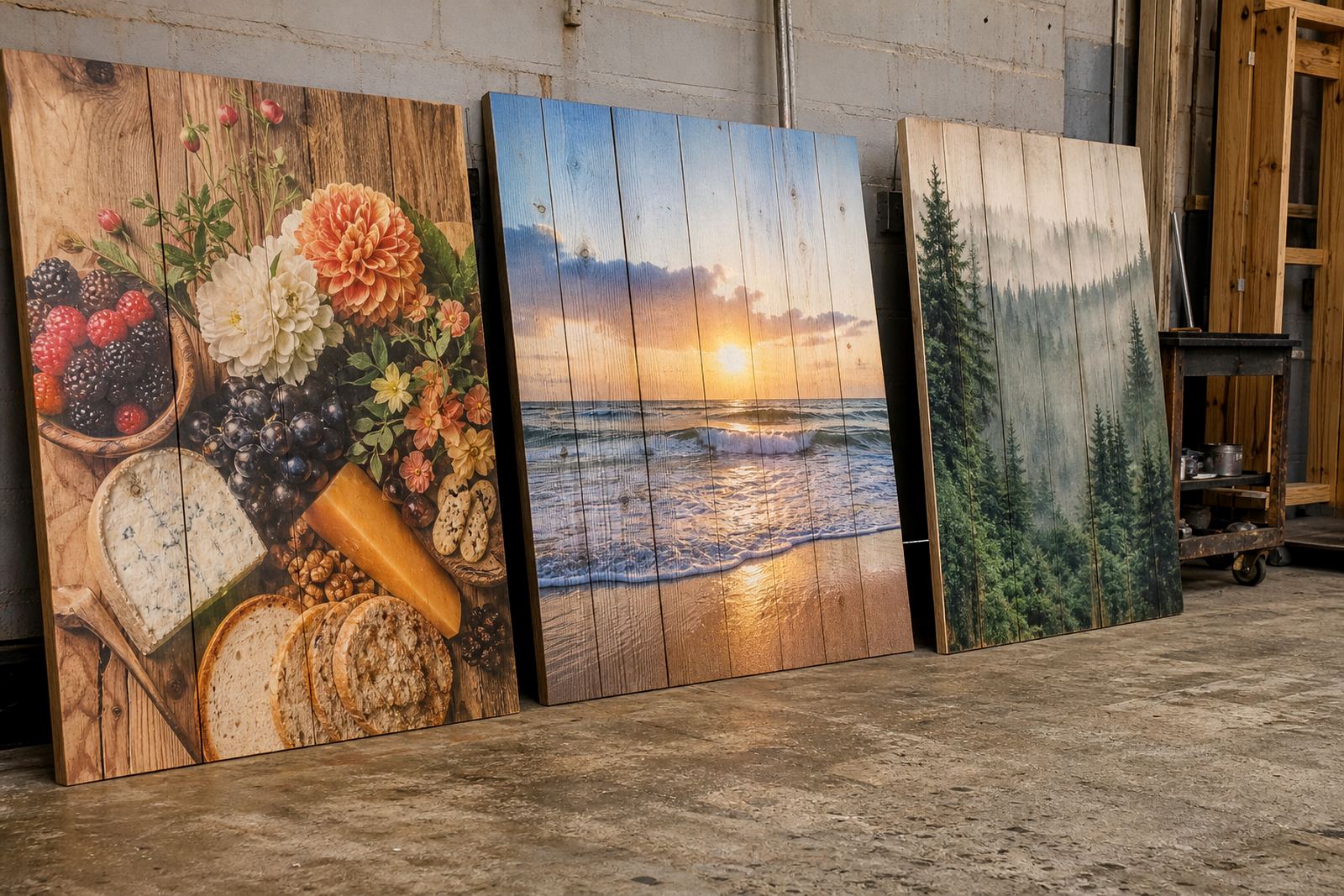
In peak periods, demand usually rises for rigid boards, in-store display panels, directional signage, event backdrops and short-term promotions. Some jobs need a clean, premium finish for close viewing, while others must survive sun, dust and handling outdoors. In South Africa, that can mean hot inland afternoons, coastal humidity in Durban or Gqeberha, and load-shedding that cuts into production hours if the workflow has not been planned properly.
Start with the job mix, not only the machine
Good seasonal planning begins with the type of work expected over the next few weeks. A printer that is busy with indoor retail boards may need a different media stock and workflow than one handling event signage for outdoor use. The point is not only to print faster. It is to print the right items, on the right material, in the right order.
For flatbed UV work, the main questions are simple: which rigid boards are needed, how many sheets will be used, what size sheets fit the production area, and which jobs can be grouped to reduce changeovers. A busy period is easier to manage when artwork approval, board cutting, print queue and packing are lined up before production starts. That avoids the usual scramble when a client says the launch is tomorrow morning.
- Confirm the board type early, including thickness and surface finish.
- Group jobs by size and ink coverage where possible.
- Check whether the signage is for indoor, outdoor or mixed use.
- Build in time for drying, curing and final trimming.
- Keep spare media for reprints or last-minute artwork changes.
Ink, media and handling all matter during busy weeks
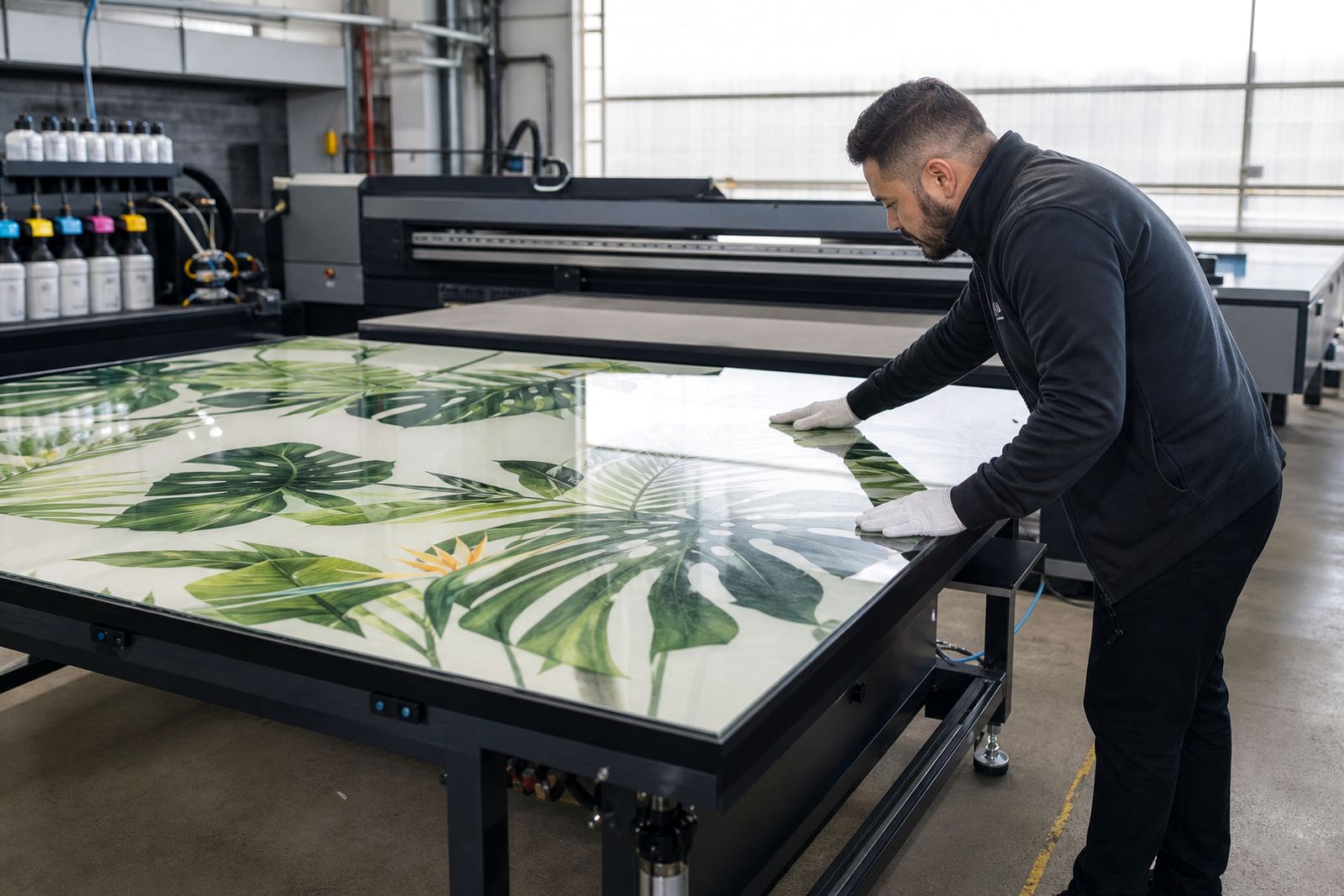
UV ink is valued for its quick curing and strong colour on rigid media, but seasonal demand puts extra strain on the whole system. A board that performs well in a cool workshop may react differently in heat or humidity. Dust, handling marks and storage issues can also show up more quickly when stock is moved around in a rush. That is why media testing and ink handling help are part of a practical production plan, not a nice extra.
Operators should check surface compatibility before a large run, especially when switching between different board materials. Some rigid boards need more careful handling to avoid edge damage, while others need a stable environment so the surface stays flat. If the workshop is running on backup power, it helps to keep the print queue tight and the staging area organised. Small delays can build up fast, especially when more than one campaign is due at once.
- Store boards flat and away from damp floors or direct sun.
- Keep ink containers sealed and handled according to the production routine.
- Test new media before a full seasonal run.
- Separate finished work from incoming stock to avoid scratches.
- Track which jobs used which board type for easier repeat orders.
A Germiston example: retail promo season and expo work
In Germiston, a signage team may see a mix of retail campaigns for shopping areas, local promotions for suppliers and exhibition work bound for Johannesburg or Pretoria. That means the production calendar can get crowded very quickly. One week might call for flat boards for a product launch, the next for wayfinding panels and display pieces for a regional event. If planning is loose, the workshop ends up reacting all day instead of producing in order.
A practical approach is to set deadlines by delivery zone, not just by print date. Jobs going to Durban or Cape Town need earlier dispatch, while Gauteng deliveries may allow a later print slot if the route is short. When the team knows which items are for in-store use, which are for a stand build, and which are for outdoor placement, it is easier to plan installation and avoid missed handovers. This kind of planning also helps when the client needs a reprint because the artwork changed at the last minute, which happens more often than people think.
For companies managing peak demand from Germiston, the value is in keeping the production line predictable. Print, inspect, trim, pack and deliver in that order. It sounds basic, but it keeps seasonal work under control when the phone will not stop ringing.
Workflow habits that save time when orders pile up
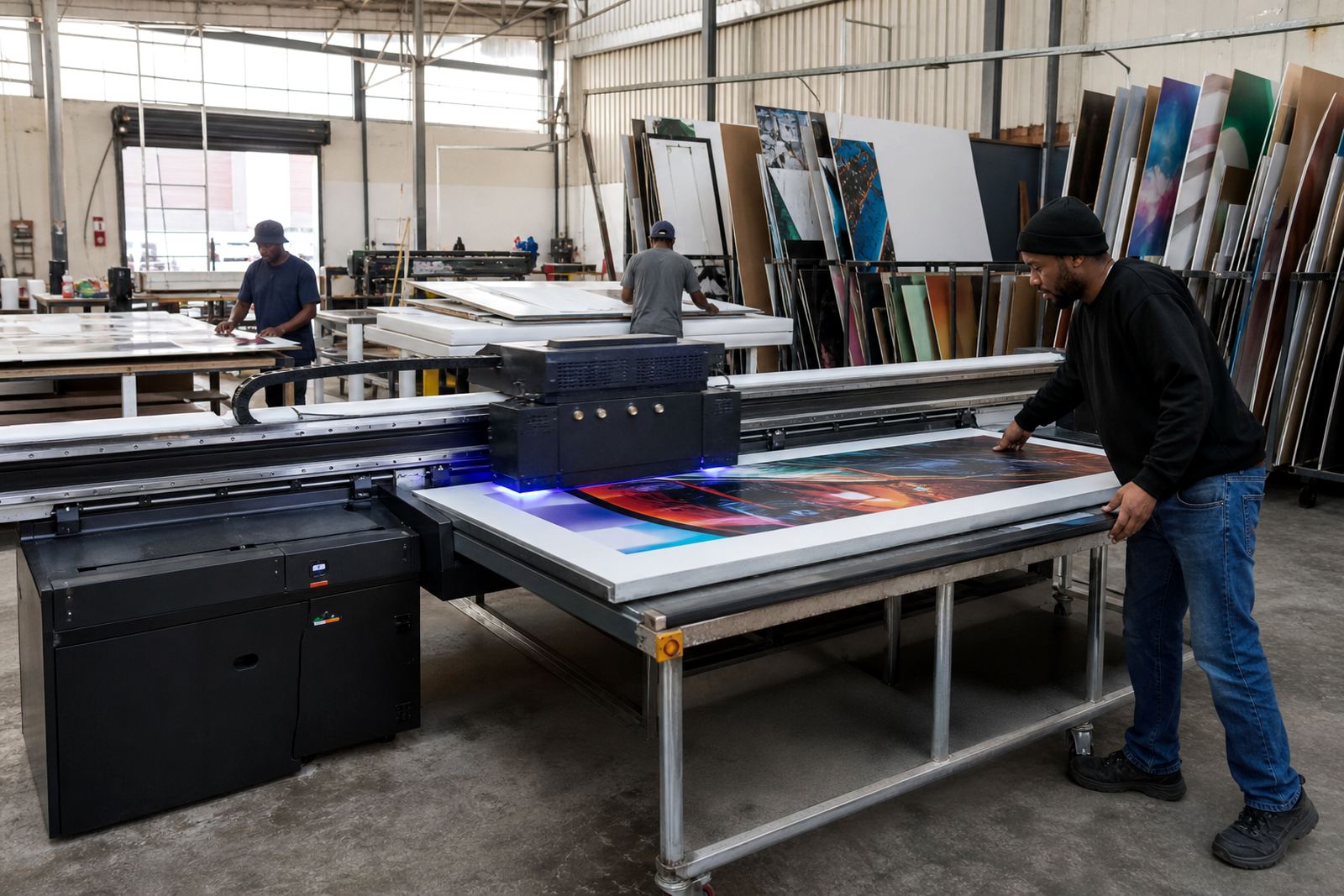
Seasonal demand rewards teams that keep their workflow simple and consistent. A clear production sequence reduces errors and makes it easier to bring in extra hands for short periods. It also helps with training, because new operators can follow a fixed process instead of learning a new routine for every order.
Workflow planning should cover file checking, board preparation, print order, colour guidance, finishing and dispatch. If the print room has to support several towns at once, the team needs a system for priority jobs and service calls too. One technical issue can affect the whole day, so preventive maintenance before peak periods is often cheaper than waiting for breakdown support during a rush.
Useful habits for busy periods include:
- Preparing artwork approval before media is cut.
- Scheduling maintenance in quieter hours or before a known peak.
- Keeping commonly used board sizes on hand.
- Separating urgent jobs from standard production.
- Using remote support for quick checks before calling out a technician.
Planning for the next peak, not the last one
The strongest seasonal work comes from planning ahead rather than chasing the market after it has already moved. Retail calendars, event dates and municipal notices all affect signage demand, especially when permits or site rules are involved. In busy months, even a simple board order can slip if there is no room for testing, printing, packing and delivery.
A good supplier will help with site preparation, operator training, production consulting and spares coordination so the team can keep working when volumes rise. That support matters in Johannesburg, Pretoria, Durban, Cape Town and Gqeberha, but it matters just as much in East Rand and Centurion where local turnaround times can be tight. Seasonal signage is not only about printing more. It is about keeping the whole process steady enough that the client gets what they need on time, in good condition and with fewer surprises.
When the next peak arrives, the businesses that planned early will have a clearer queue, better media control and less waste. That is usually the difference between a workshop that copes and one that gets buried.