




How to use these flatbed UV guides
If you are comparing flatbed UV options for rigid boards, signage panels or short-run display work, start here. The guides below are arranged around the choices that affect day-to-day production, from board compatibility and ink handling to curing, finishing and service planning. That makes it easier to match the printer to the work you actually do in Johannesburg, Durban, Cape Town or smaller sites that still need reliable output.
Use the guides to narrow down what matters most for your operation. Some readers need help with colour on different media, others want to reduce rejects, and some need advice on training a new operator after staff changes. We keep the advice practical and local, with the realities of power interruptions, coastal humidity and municipal site rules in mind.
Choosing a printer for rigid boards and signage
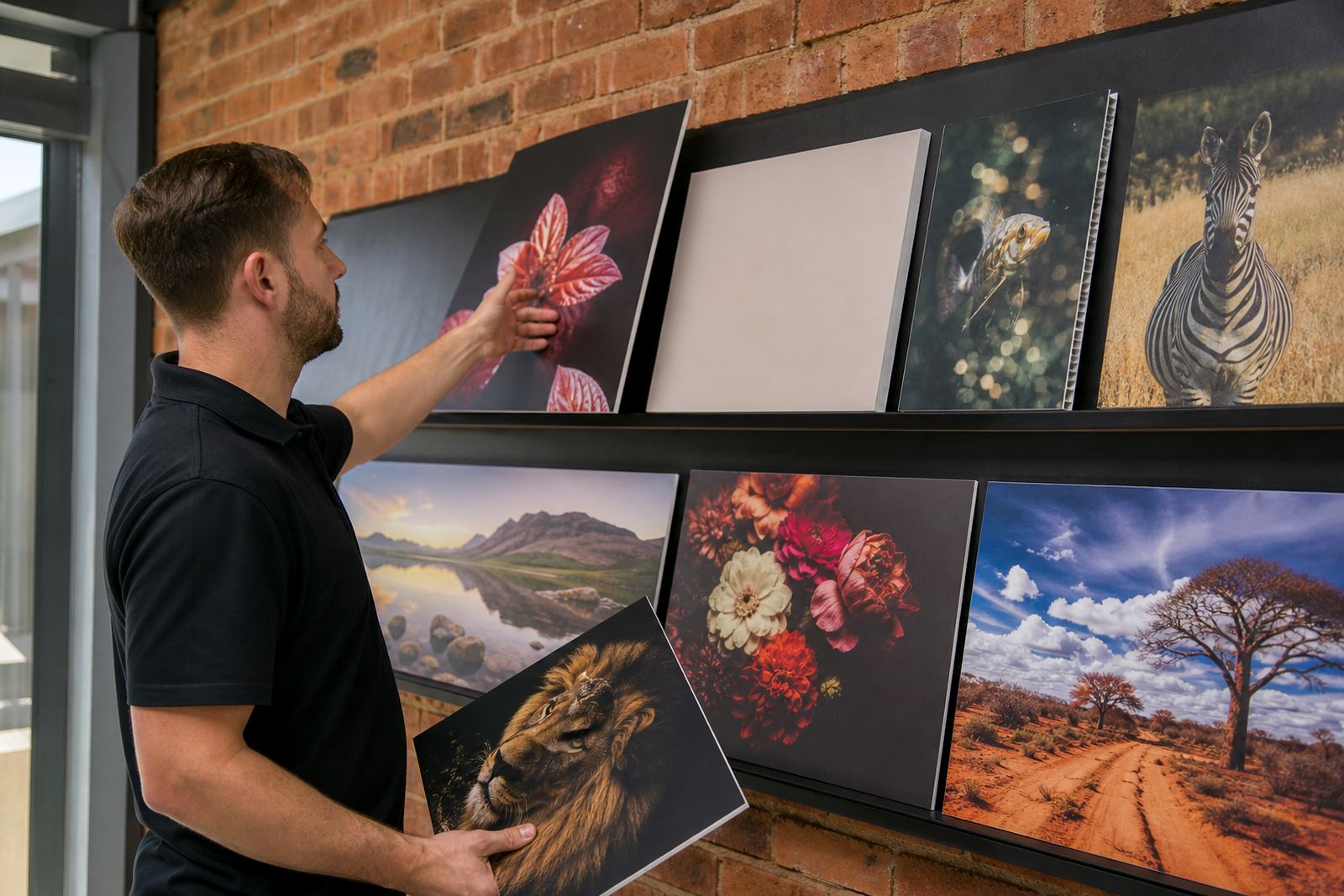
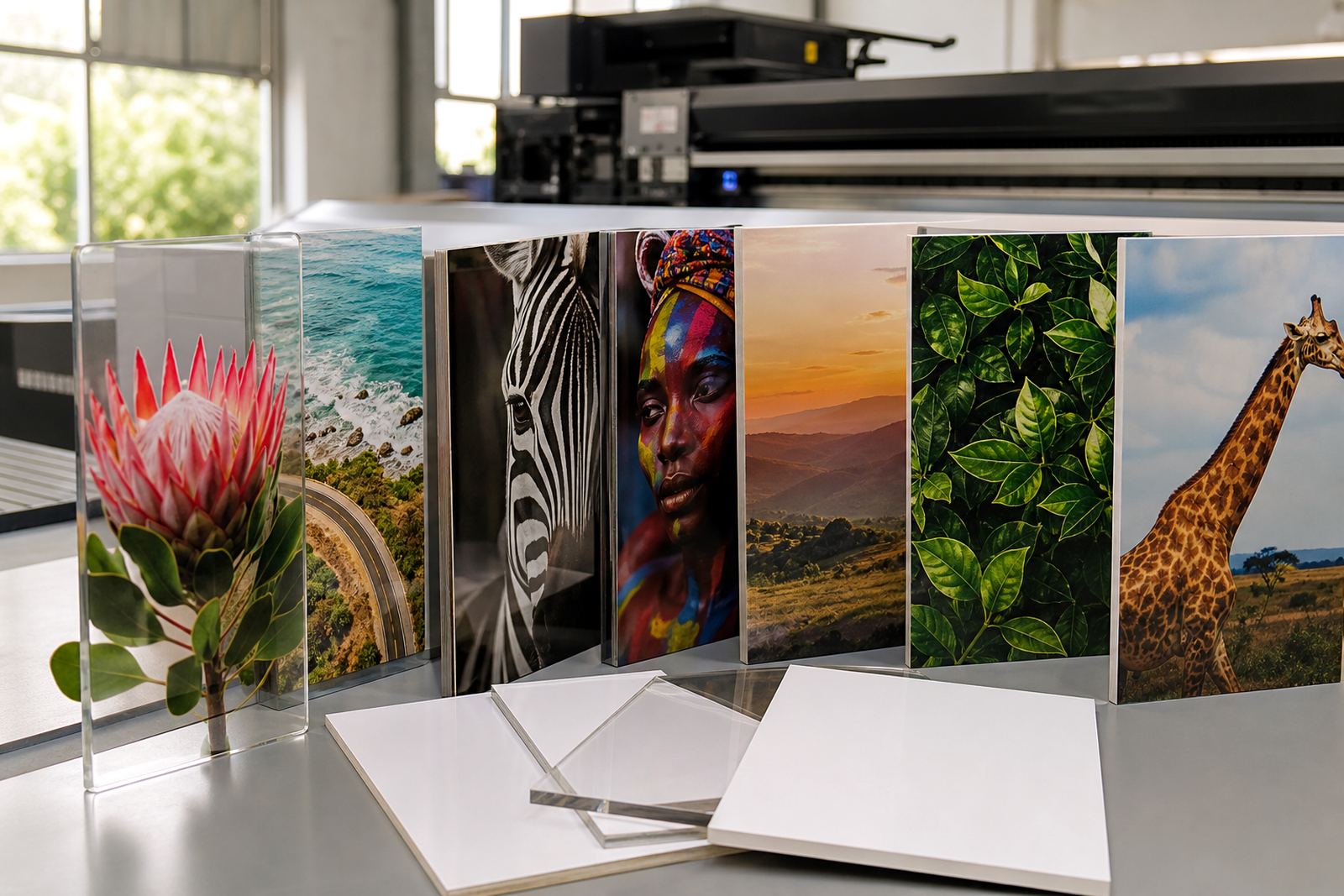
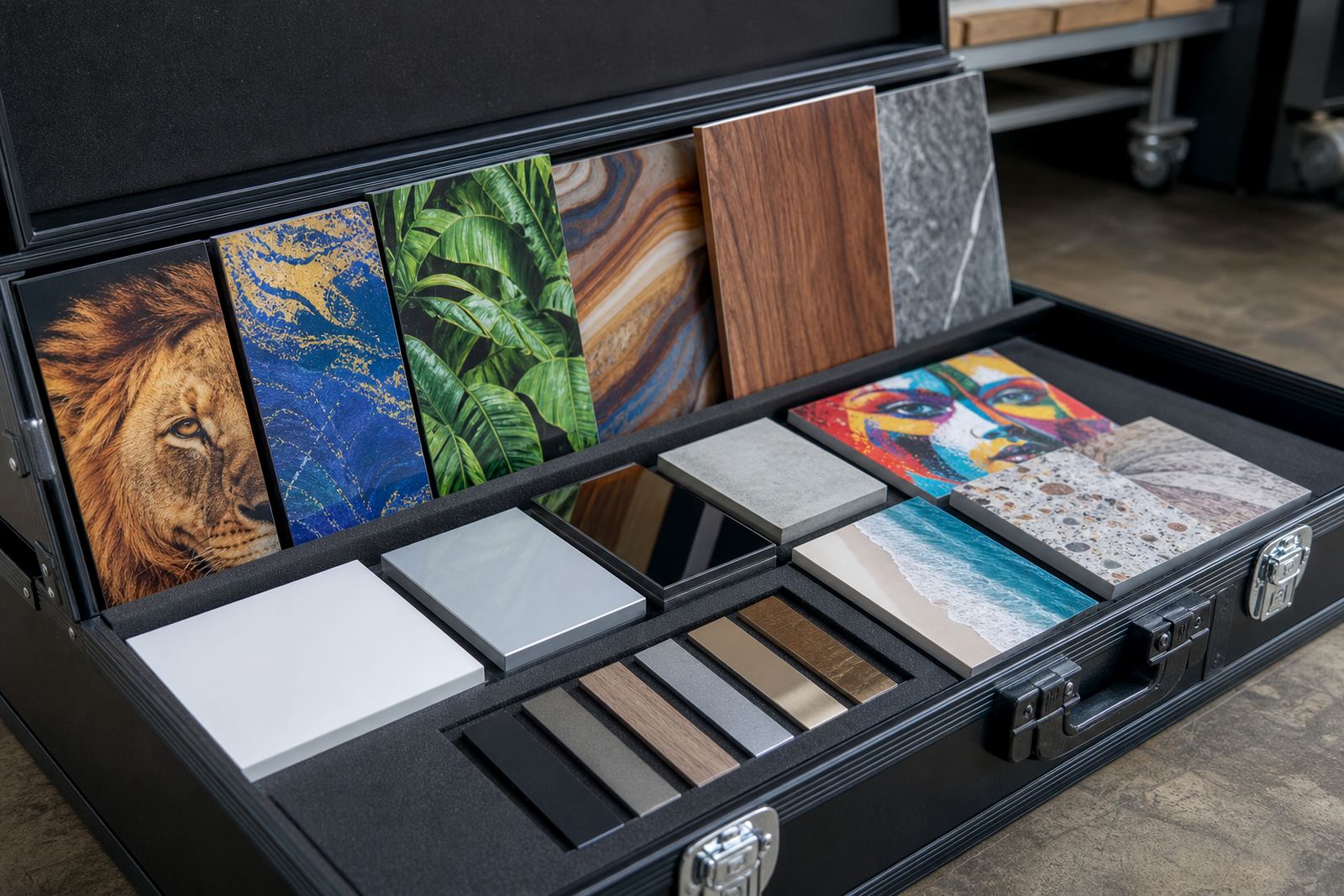
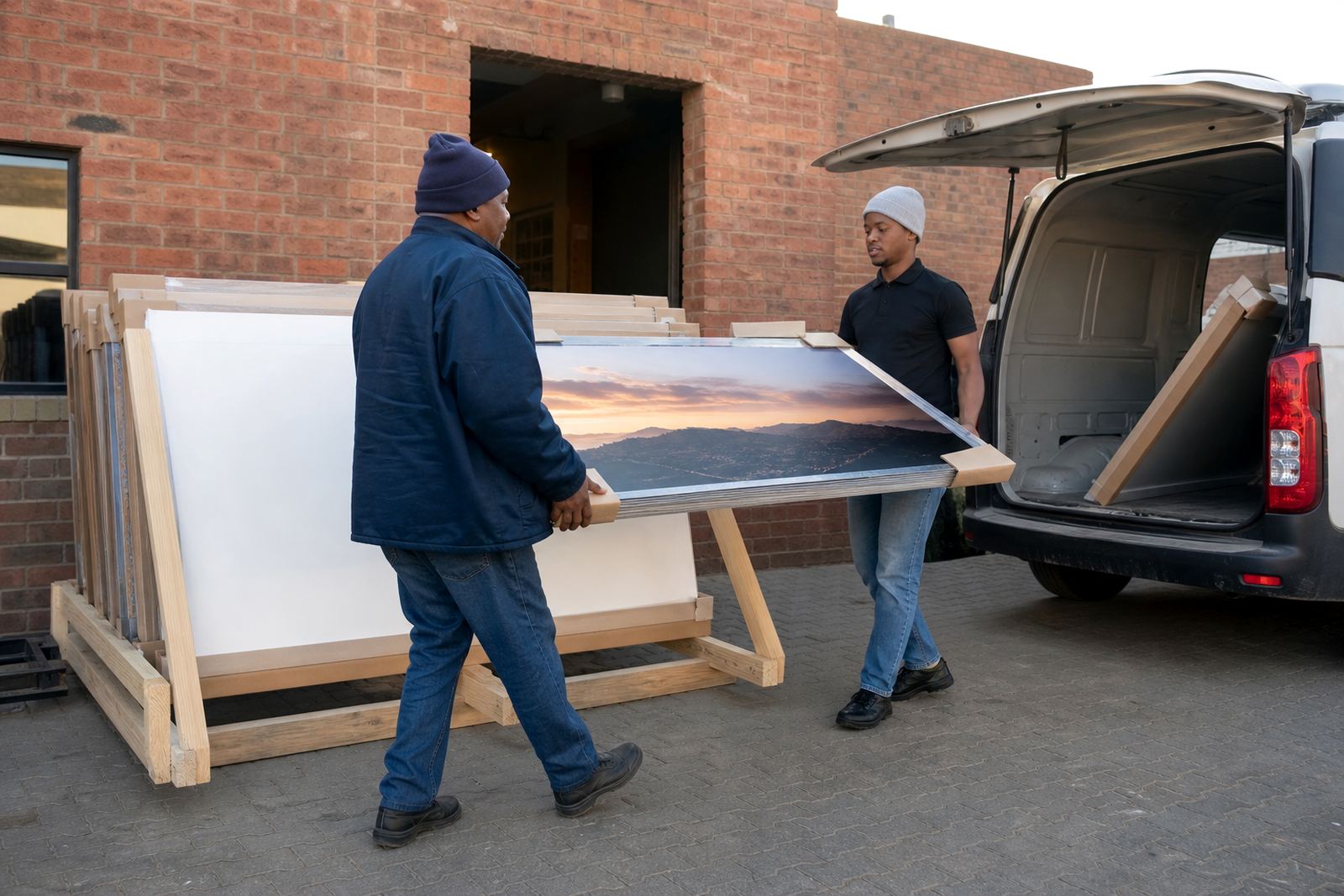
Flatbed UV printing is often used for PVC board, foam board, acrylic, aluminium composite, timber panels and other rigid materials. The right setup depends on your board sizes, daily volume, finishing method and how often you switch between jobs. A shop doing retail signage may need different workflow planning to a factory producing display panels for events or tenders.
When comparing options, look at the type of work, not only the machine itself. A good guide should help you ask the right questions about loading, vacuum hold, print height, white ink use and how the printer behaves on textured media. That is where waste usually starts, and where better planning can save time and material.
- Check the board types you print most often
- Match output speed to your real workload
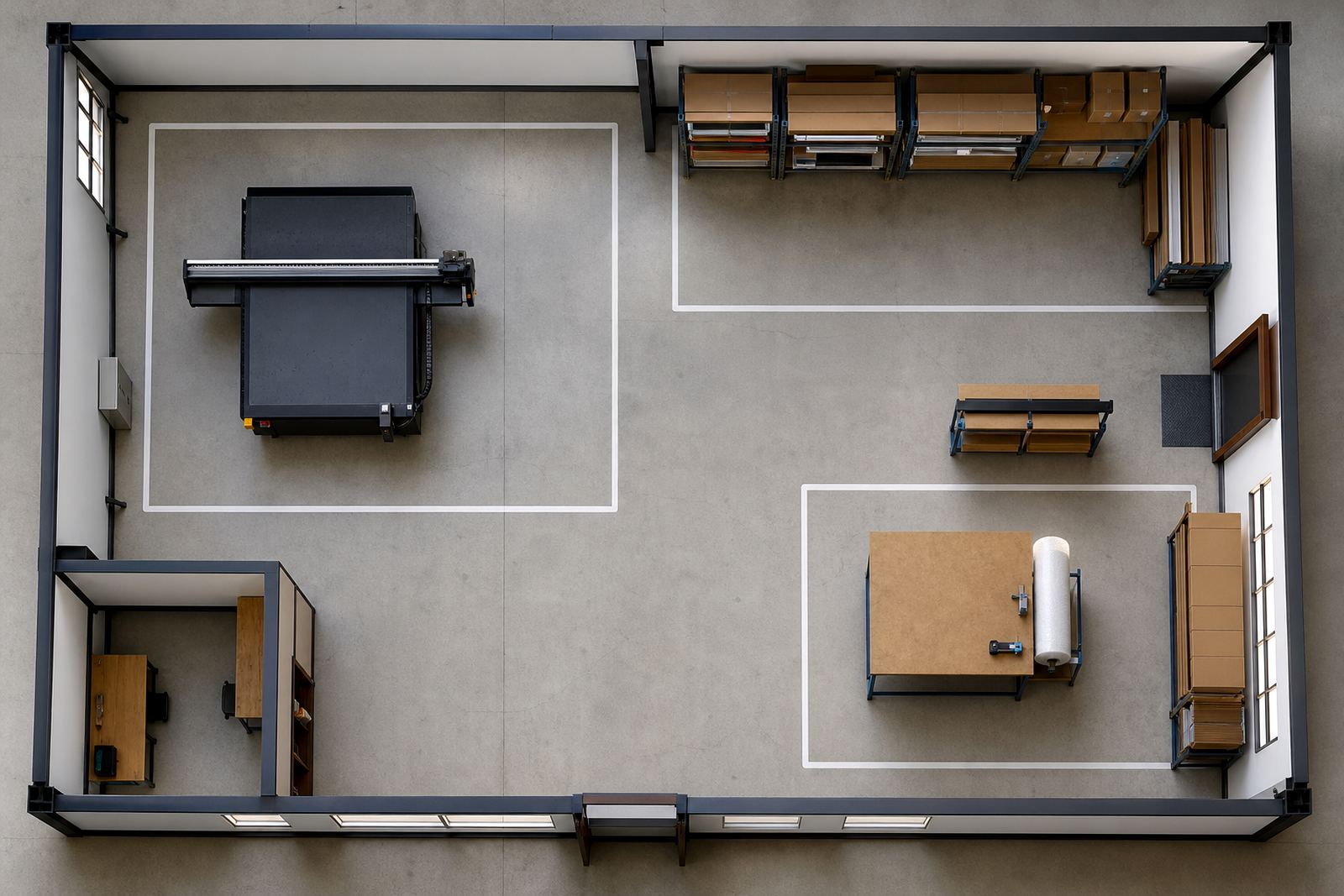
- Allow space for loading and finishing
- Plan for training before the first major job
Inks, adhesion and colour control
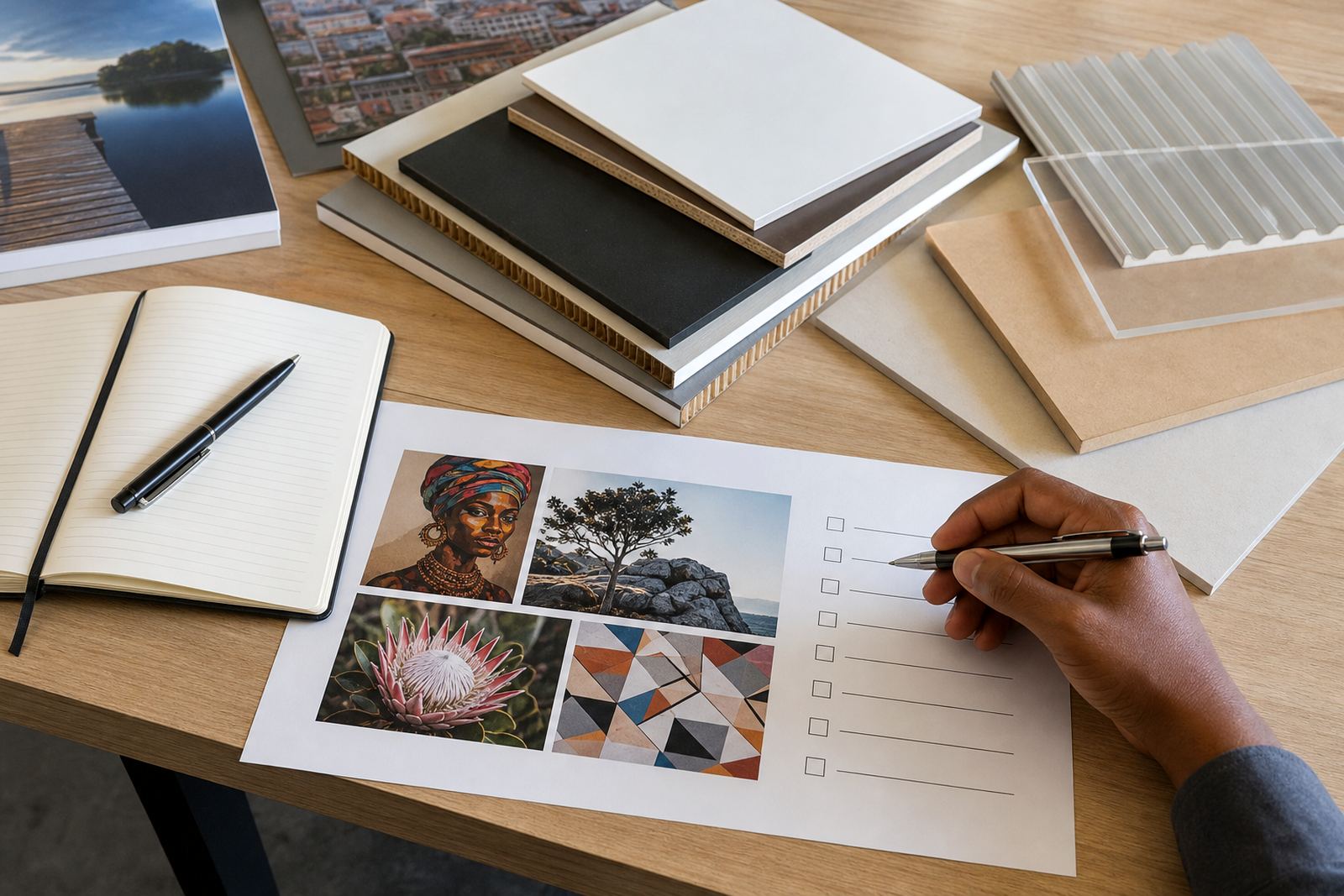
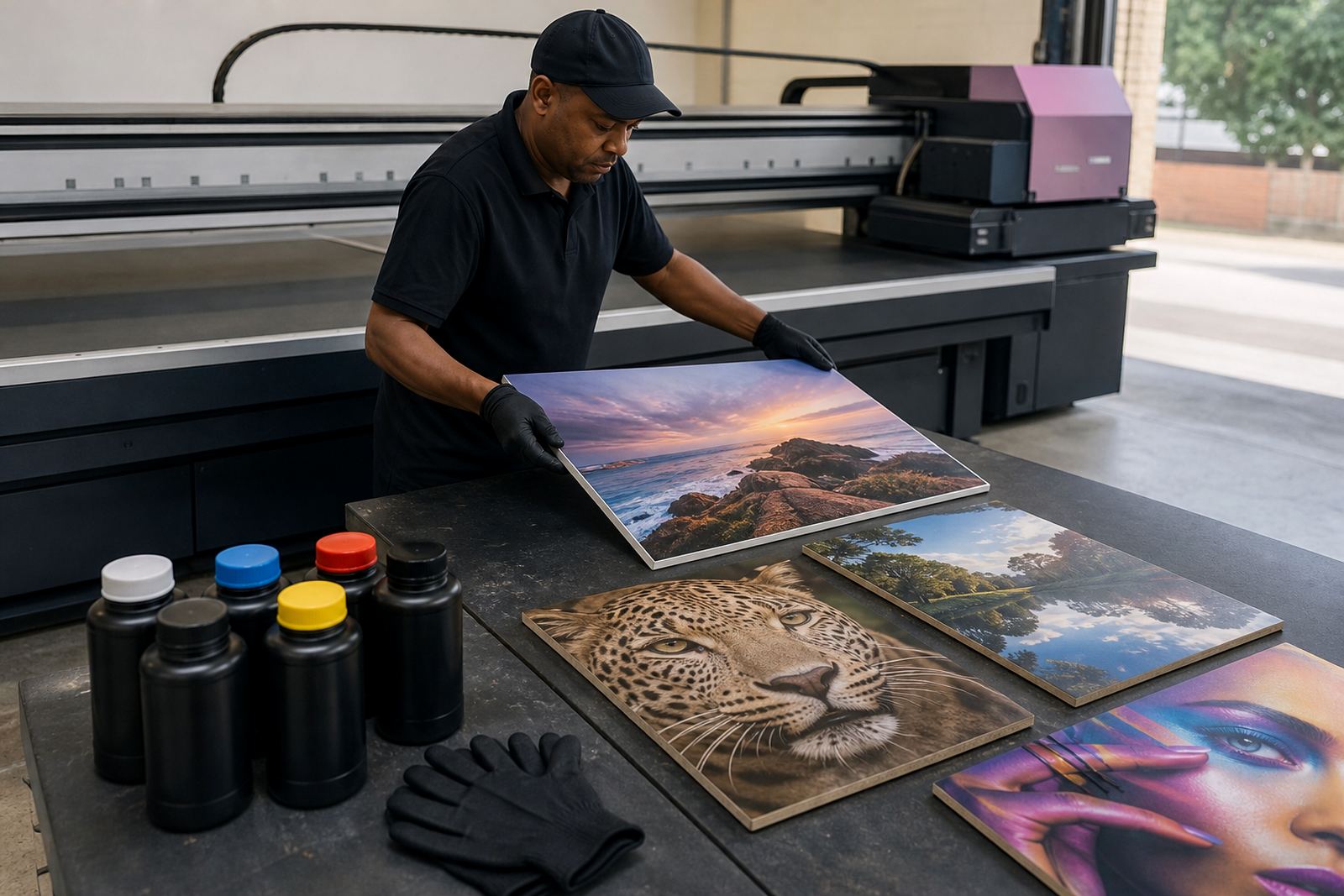
Ink choice affects adhesion, durability and colour consistency. On some media, the surface is smooth and easy to print on. On others, especially boards with coatings or unusual finishes, preparation and test prints matter more than people expect. A simple test panel can save a full sheet from going wrong, which is useful when material costs are tight.
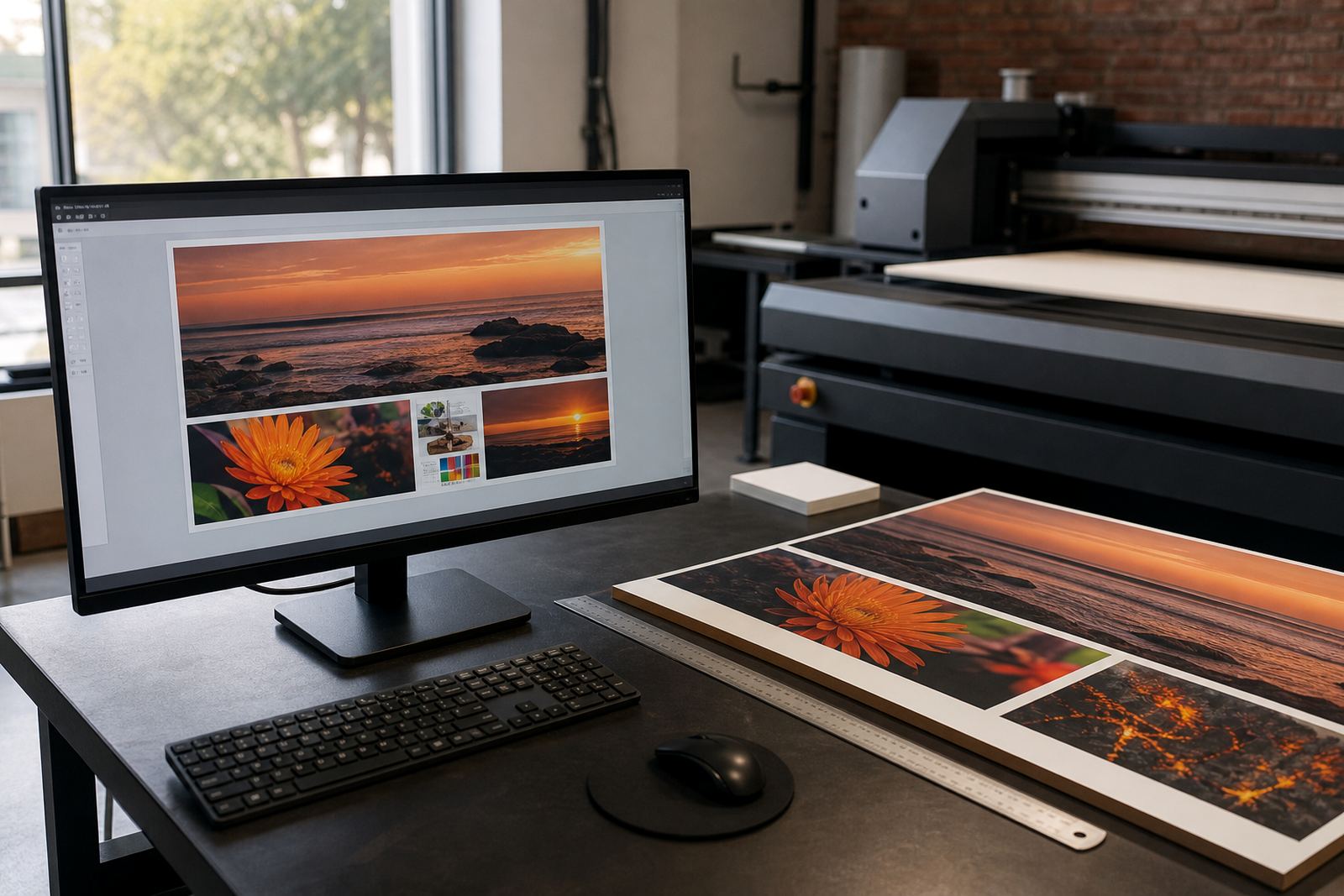
Colour control also needs a practical workflow. Keep notes on media type, pass settings and curing behaviour so operators can repeat results without guessing. If your site handles mixed jobs, colour guidance becomes part of production discipline rather than a once-off task. Small changes in environment, like heat or dust, can affect the finish more than many teams realise.
Media testing before production starts
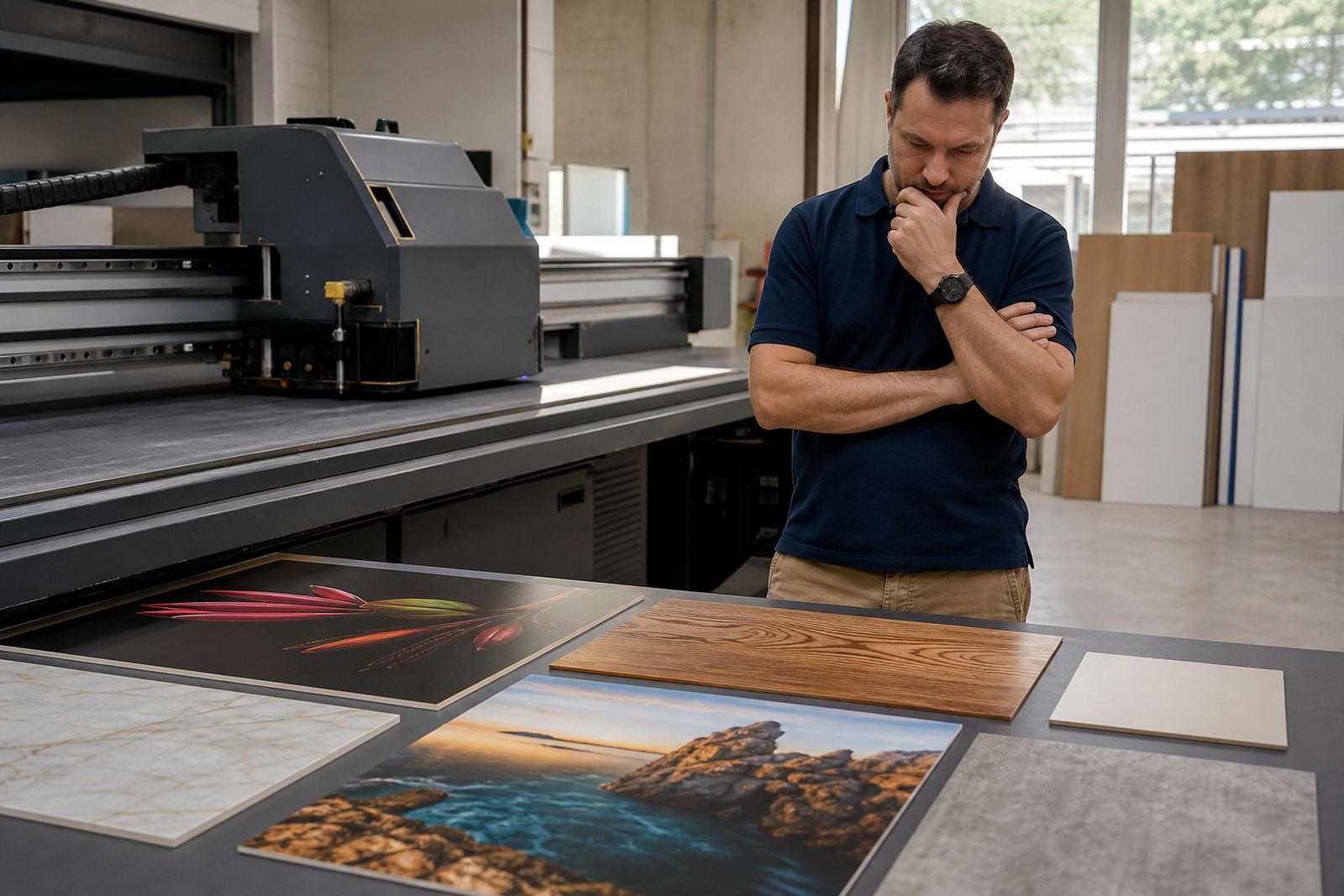
Not every rigid board behaves the same way under UV print. Some media accepts ink well straight away, while others may show surface issues, ink beading or dull colour. Media testing helps confirm what works before you commit to a full production run. It is especially useful when a client wants a fresh look on a new substrate or when you are trying a different supplier.
Testing should cover print quality, adhesion, handling and finishing. If cutting, routing or laminating follows printing, check that the surface still performs after those steps too. Many South African print shops run samples in the morning, then decide the final job plan once the board has cured and been handled a few times. It sounds simple but it avoids costly reprints.
- Print a small sample first
- Check cure and surface feel after drying
- Test handling, cutting and mounting
- Record settings for future jobs
Workflow, maintenance and production support
Good workflow is not only about speed. It is about keeping the printer productive, the operator confident and the job queue moving even when conditions change. That includes site preparation, clean power, safe storage for consumables and a sensible plan for loading sheets. For teams in Germiston and across Gauteng, a practical layout can make a big difference to turnaround times.
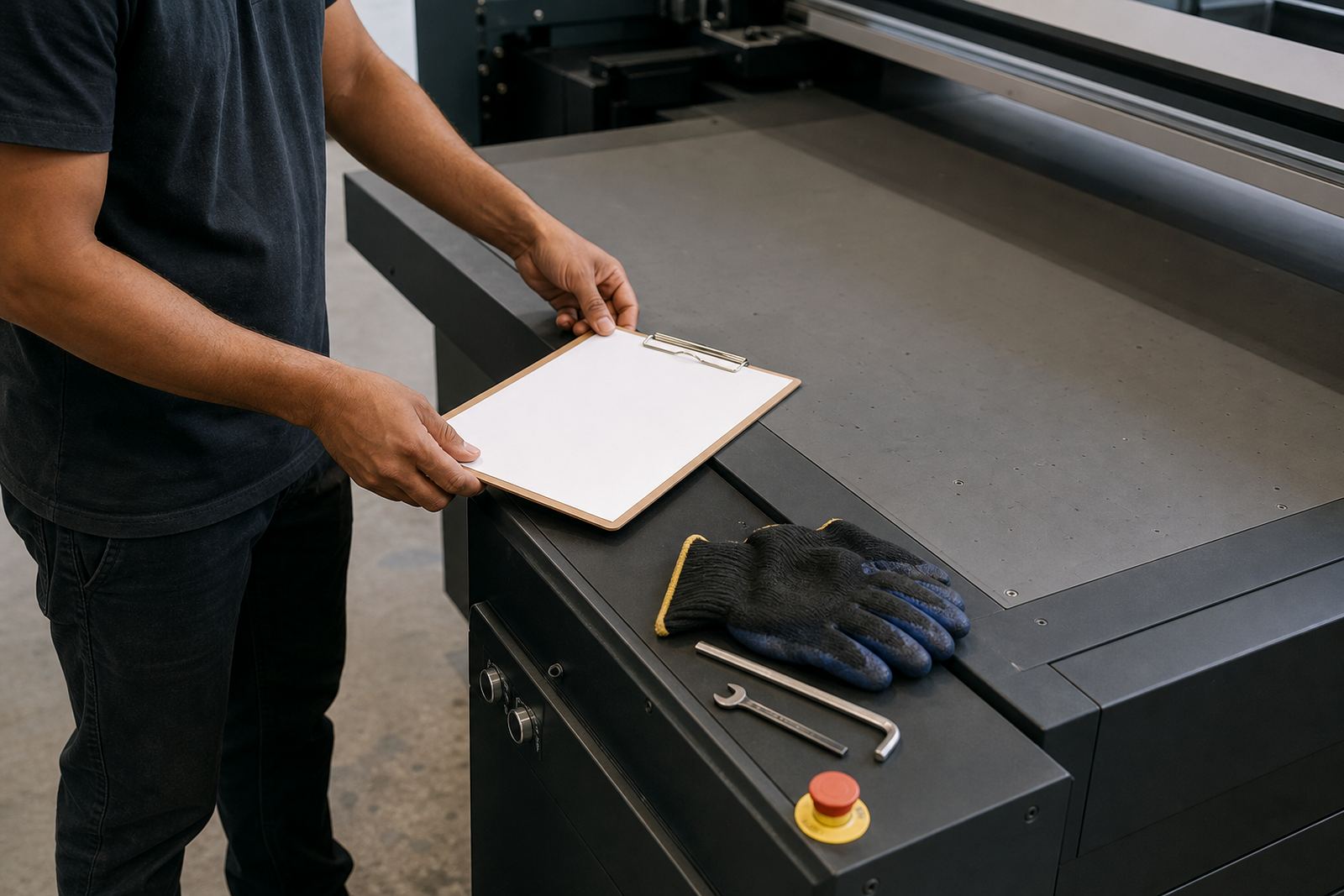
Preventive maintenance helps reduce breakdowns and keeps print quality steadier over time. It also supports smoother handovers when more than one operator shares the same machine. Our team can assist with installation, remote support, ink handling help, spares coordination and breakdown support when needed. A bit of structure goes a long way, especially when deadlines are tight and the lights go out without warning.
Service areas and who these guides are for
These guides are written for signage companies, print shops, display fabricators and production teams that need clear answers before making a decision. Whether you are based in Germiston, Johannesburg, Pretoria, Durban, Cape Town, Gqeberha, East Rand or Centurion, the aim is the same: help you choose well, print cleanly and keep production steady.
If you need help beyond the guide itself, our local support team can assist with printer installation, operator training, workflow planning, colour guidance and preventive maintenance. You can reach us through the enquiry form on the contact page. We work from our Germiston base and support businesses across South Africa, from first setup to day-to-day production questions.