Start With The Board, Not The Artwork
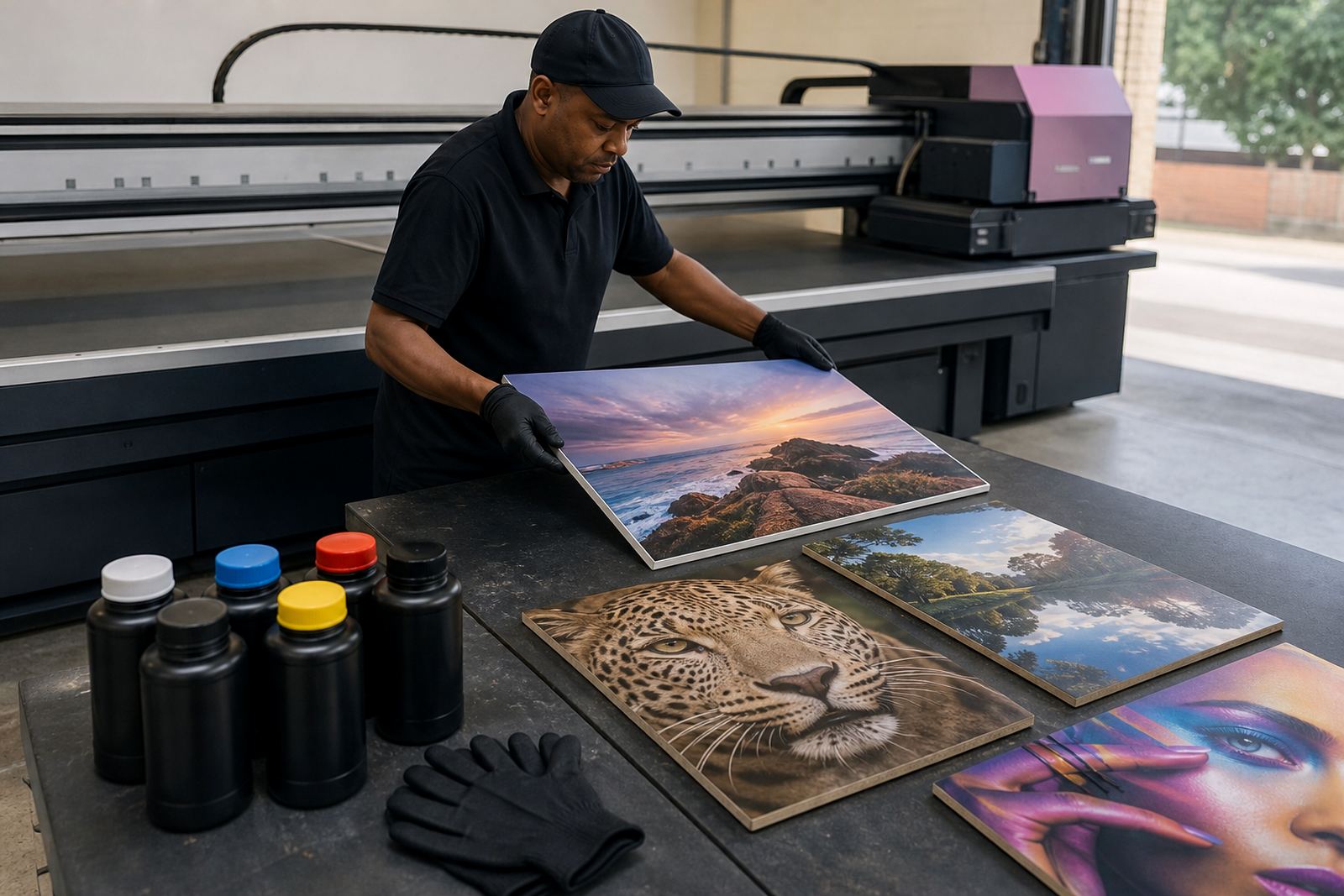
Every rigid job starts with the substrate. Foam board, PVC board, acrylic, fluted polypropylene, aluminium composite and wood each behave differently on the table, and each one changes the quote. Thickness, sheet size, surface finish and whether the board is white, coloured or clear all affect setup time, ink coverage and handling. A simple looking sign can become tricky if the board warps, scratches easily or needs extra care during loading and packing.
When pricing, confirm the final size in millimetres and the exact quantity of sheets before you do anything else. A one off sample, a retail run of 20 display panels and a repeat municipal signage order should never be priced from the same template. The best quotes reflect how the job will move through the workshop, not just the print area.
- Confirm sheet size, thickness and finish.
- Ask if the board will be supplied by the client or by you.
- Check if the job is one side or double sided.
- Note if the boards need trimming, drilling or mounting after print.
Build The Quote Around Setup And Make Ready
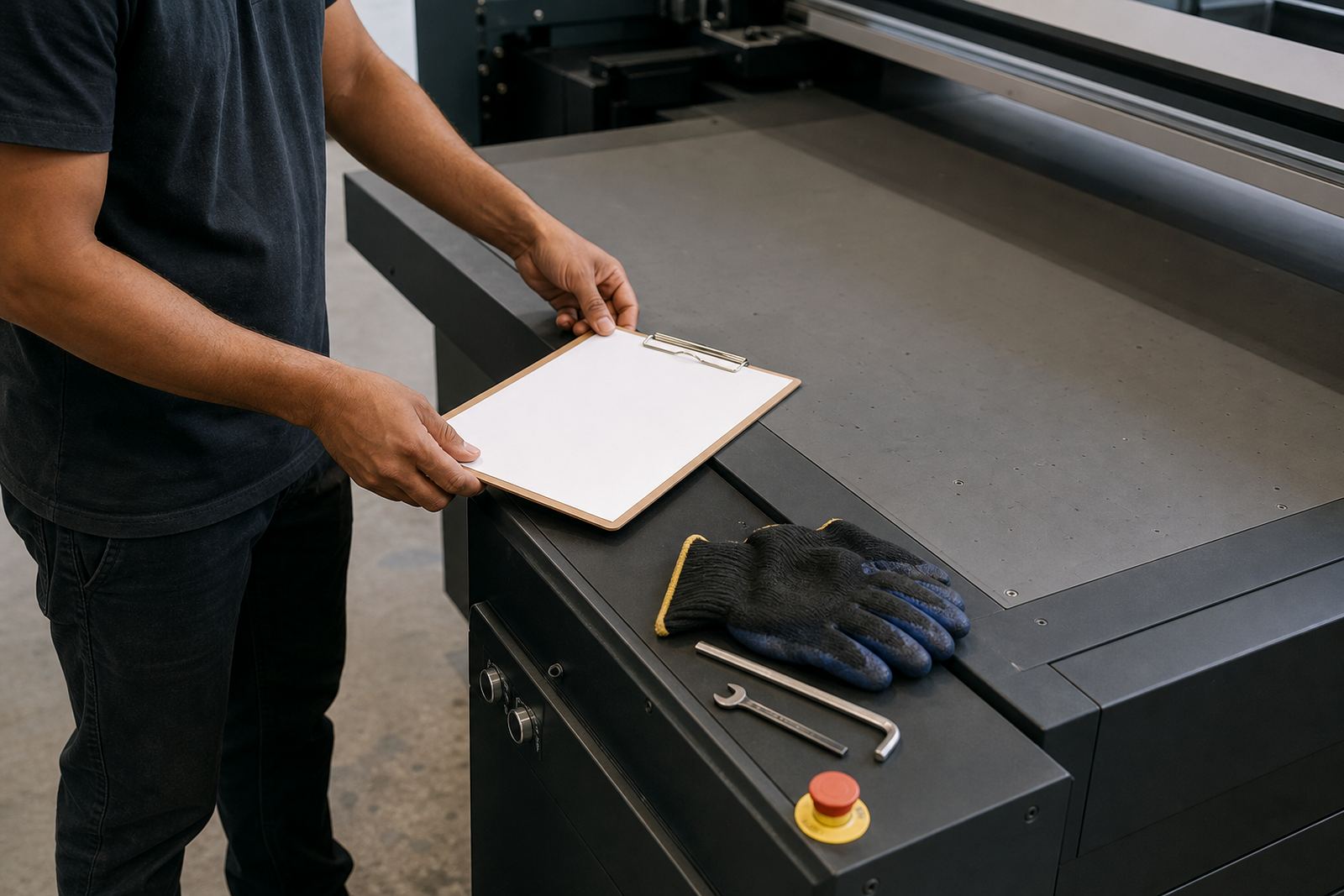
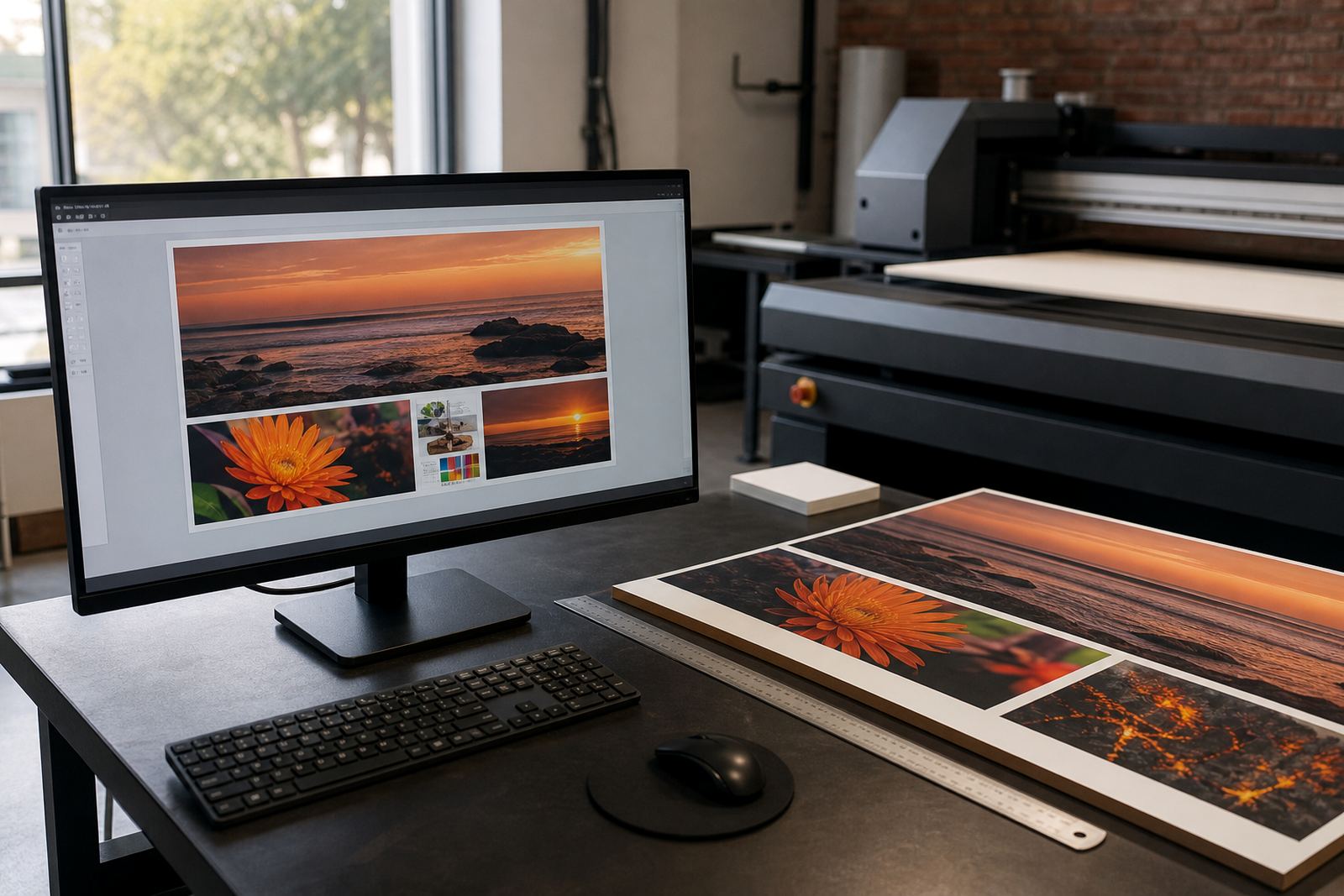
Flatbed UV jobs often take longer in setup than in actual printing. Table alignment, board placement, nozzle checks, curing checks and test prints all take time. On smaller runs this time can be a large part of the cost, so it should be visible in the quote. If the artwork is not supplied in the right size or needs fixing, add for that too. Good quoting means accounting for the quiet work before the first board goes on the bed.
For repeat work, keep a clear record of what was needed last time. If the same customer orders new directional signs every month, your price should improve with familiarity. If the job is a first run with unknown artwork quality, damaged sheets or unusual size, the quote should allow for extra checks. This is where many suppliers lose margin. They price only the print and forget the time spent getting the job ready.
- Include setup, alignment and first sample checks.
- Allow for artwork correction if files are not print ready.
- Factor in spoilage from damaged sheets or missed registration.
- Separate first job pricing from repeat production pricing.
Price Ink, Coverage And Surface Behaviour Properly
UV ink cost is not the same on every board. Dark backgrounds, heavy solids, full coverage panels and white ink underprint use more ink than simple text or logos. Smooth, non porous surfaces usually print cleaner than textured boards, but they can still need careful handling to avoid scuffing. Some media accepts ink well and dries quickly under UV, while other materials need slower handling or extra testing before a full run.
Do not quote rigid jobs on square metres alone if the artwork changes wildly from one order to the next. Two boards at the same size can use very different amounts of ink depending on colour build, spot white, varnish effects and curing settings. For accurate pricing, match the media, ink load and finish to the actual job, then keep those notes for the next enquiry. In South Africa, that kind of record keeping saves time when load shedding or schedule changes put pressure on production.
- Check whether the job needs white ink or multiple print layers.
- Price full coverage separately from light coverage work.
- Test new boards before promising a full production rate.
- Keep a record of ink use by media type.
Do Not Forget Cutting, Trimming And Packing
The print is only part of the job. Many board jobs need trimming to final size, rounded corners, drilled holes, mounting tape, standoffs or packing for transport. A retail display going to Sandton is not the same as a site board going to a construction project in Germiston or a campaign panel headed for a coastal site in Durban where humidity can affect storage. If the customer wants delivery, the loading time and risk should sit in the quote as well.
Finishing also affects quality. A board that is cut too early, stacked badly or packed without protection can arrive marked or bowed. That means more labour, more waste and sometimes a reprint. A proper quote should show the customer what is included and what is extra, especially where cutting tolerances or installation conditions are tight.
- Include trimming, drilling, lamination or mounting if required.
- Allow for protective packing on fragile or high gloss boards.
- Clarify whether delivery and offloading are included.
- State if installation is separate from supply.
Use A Simple Quoting Checklist For Every Enquiry
A checklist keeps quotes consistent across the team and helps avoid missed items. It also makes it easier to compare jobs from Johannesburg, Pretoria, Durban, Cape Town and Gqeberha using the same standard. If you quote by habit, you will miss things. If you quote by checklist, you can price faster and with less back and forth. That is especially important when clients need quick turnaround for shop signage, expos, promotional boards or municipal notices.
Keep the checklist practical. It should cover the media, size, quantity, finish, artwork readiness, delivery point and any special handling. If the enquiry is urgent, confirm whether the customer wants a supply only price or a full service price with installation, site preparation and training support included. The clearer the brief, the cleaner the quote.
- Job type and end use.
- Board material, thickness and finish.
- Quantity, size and print sides.
- Artwork status and colour requirements.
- Finishing, packing, delivery and installation.
Watch The Hidden Costs In The Quote
Hidden costs are often the reason a job looks good on paper but feels thin at month end. These include test sheets, cleaning time, board waste, reprints after handling marks, machine downtime, operator time and follow up support. If a customer asks for a sample, quote for it. If they want a colour match to an existing sign, quote for the time spent checking and adjusting. If the boards are supplied by the client and arrive uneven or dusty, that risk should be clear too.
For printers and resellers, a strong quoting process protects both the customer and the workshop. It avoids underpricing on difficult boards and it keeps service expectations realistic. Flatbed UV work can be profitable when the pricing reflects the full flow from prep to packout, not just the print pass. That is the difference between guessing and quoting with confidence.
- Charge for samples and test approvals where needed.
- Include machine setup and operator time.
- Allow for waste, cleaning and reprints.
- Note client supplied media risk clearly.
Keep The Next Quote Easier Than The Last One
The best board pricing system gets simpler with use. After each job, note the media, ink load, finishing steps, time spent and any problems. Over time, this becomes a pricing guide that fits your workshop instead of a generic formula. If a board type keeps causing scuffing or slow curing, you will see it. If a certain run is always faster than expected, you will price it better next time. That kind of practical record is useful for service teams across Gauteng and beyond, especially when production needs to stay steady through busy periods and power interruptions.
Good pricing is not about being the cheapest. It is about knowing what the job will really cost before the boards hit the table. When you price rigid media that way, you protect your margin and give the customer a quote they can trust.