What These Recent Print Projects Show
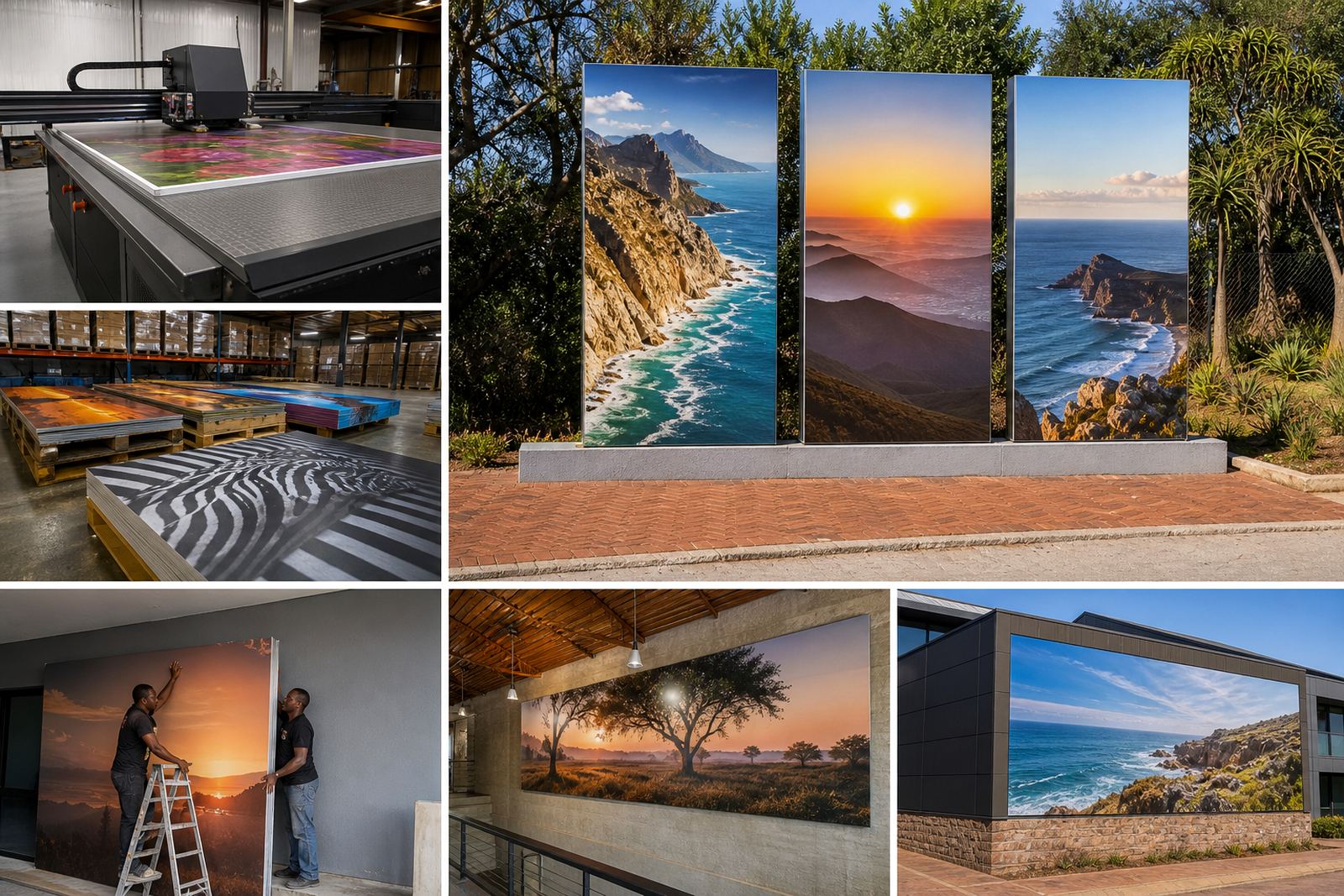
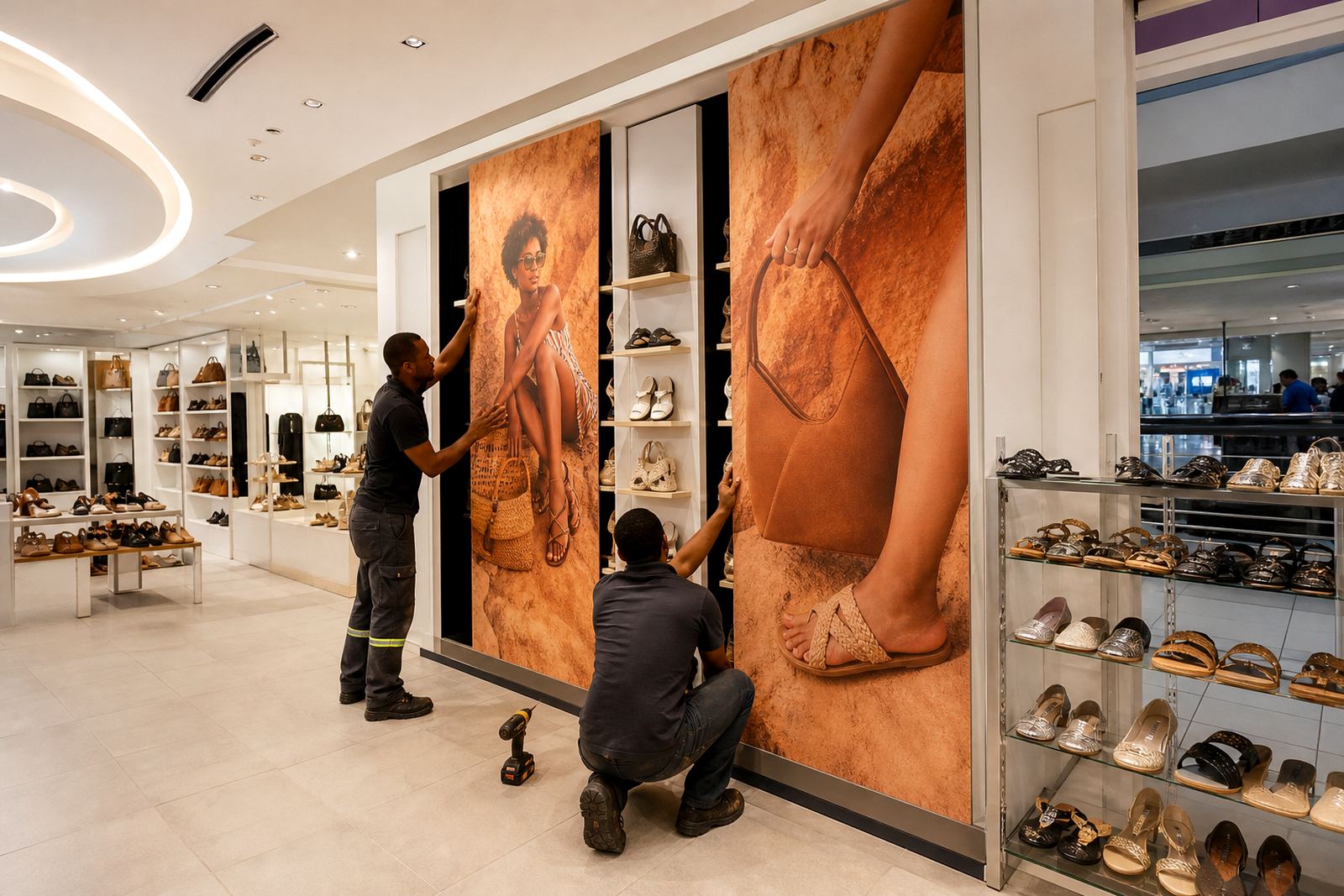
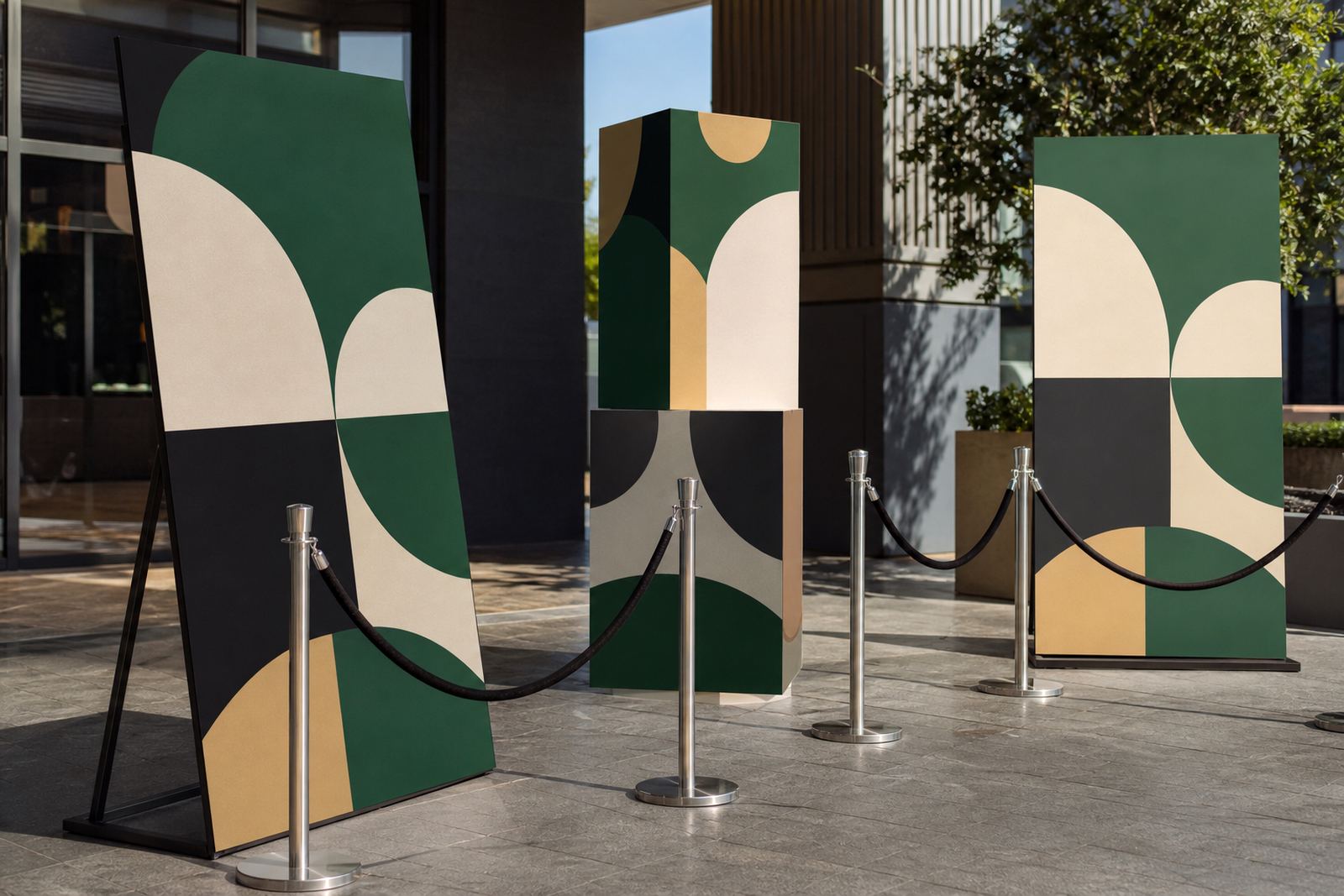
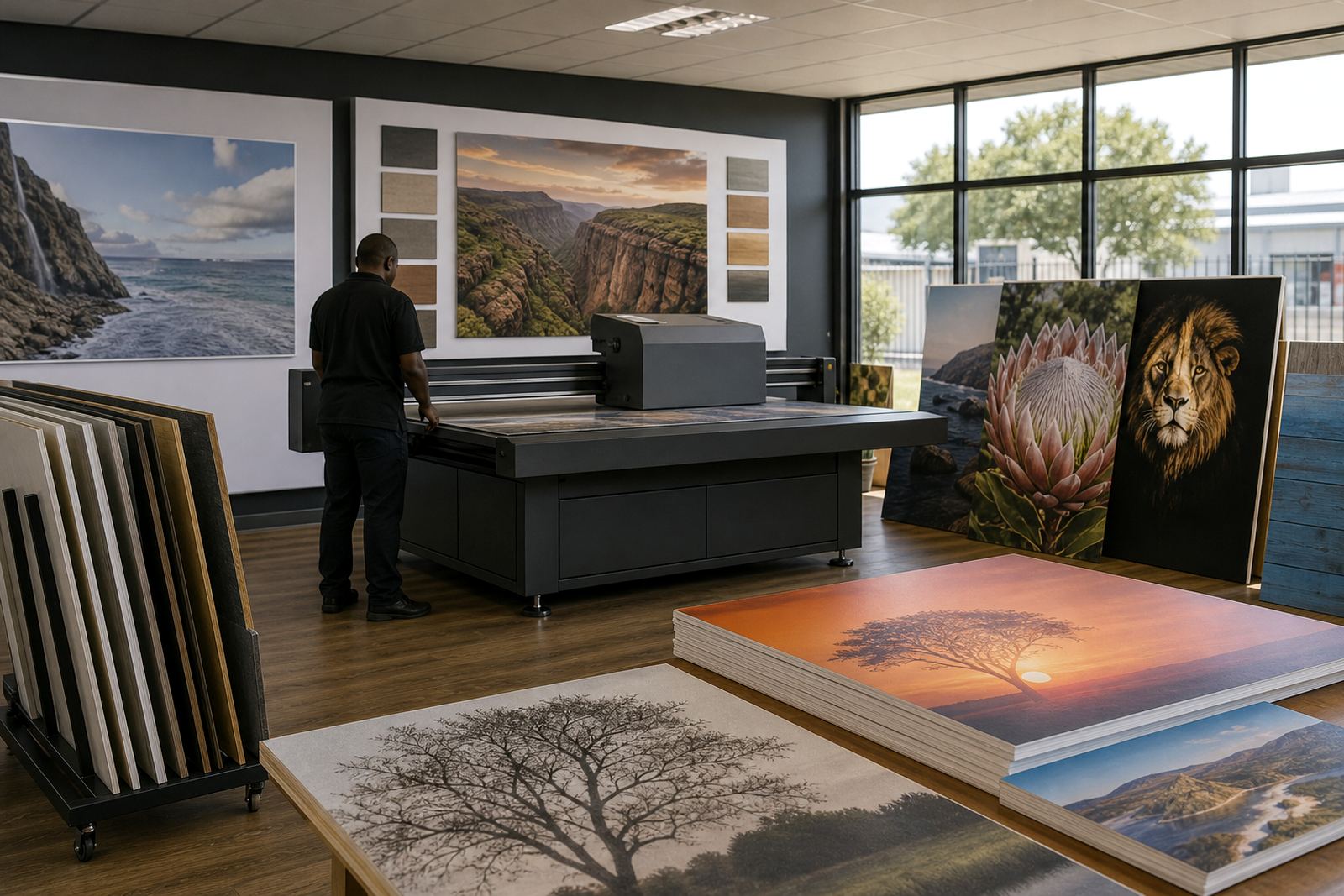
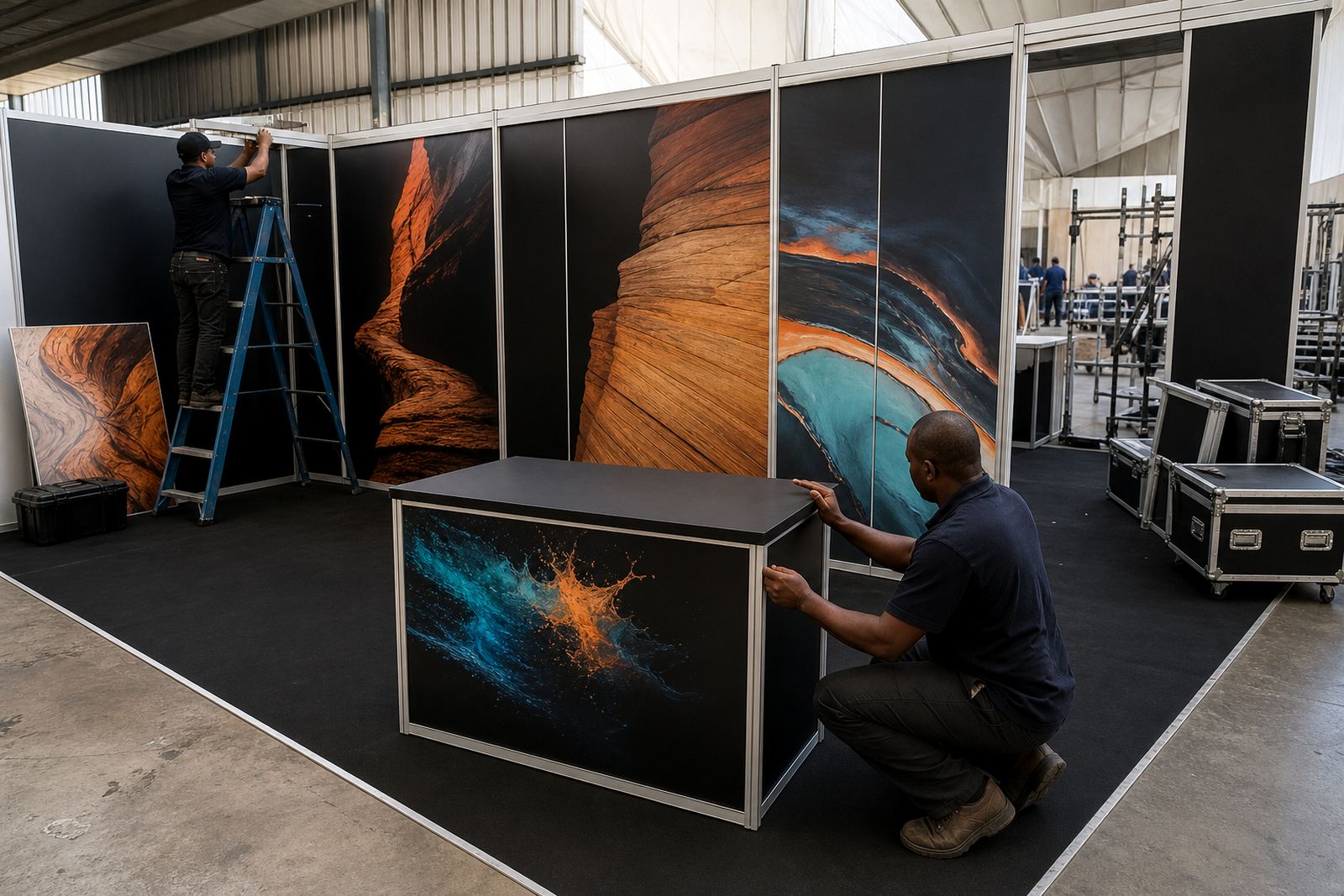
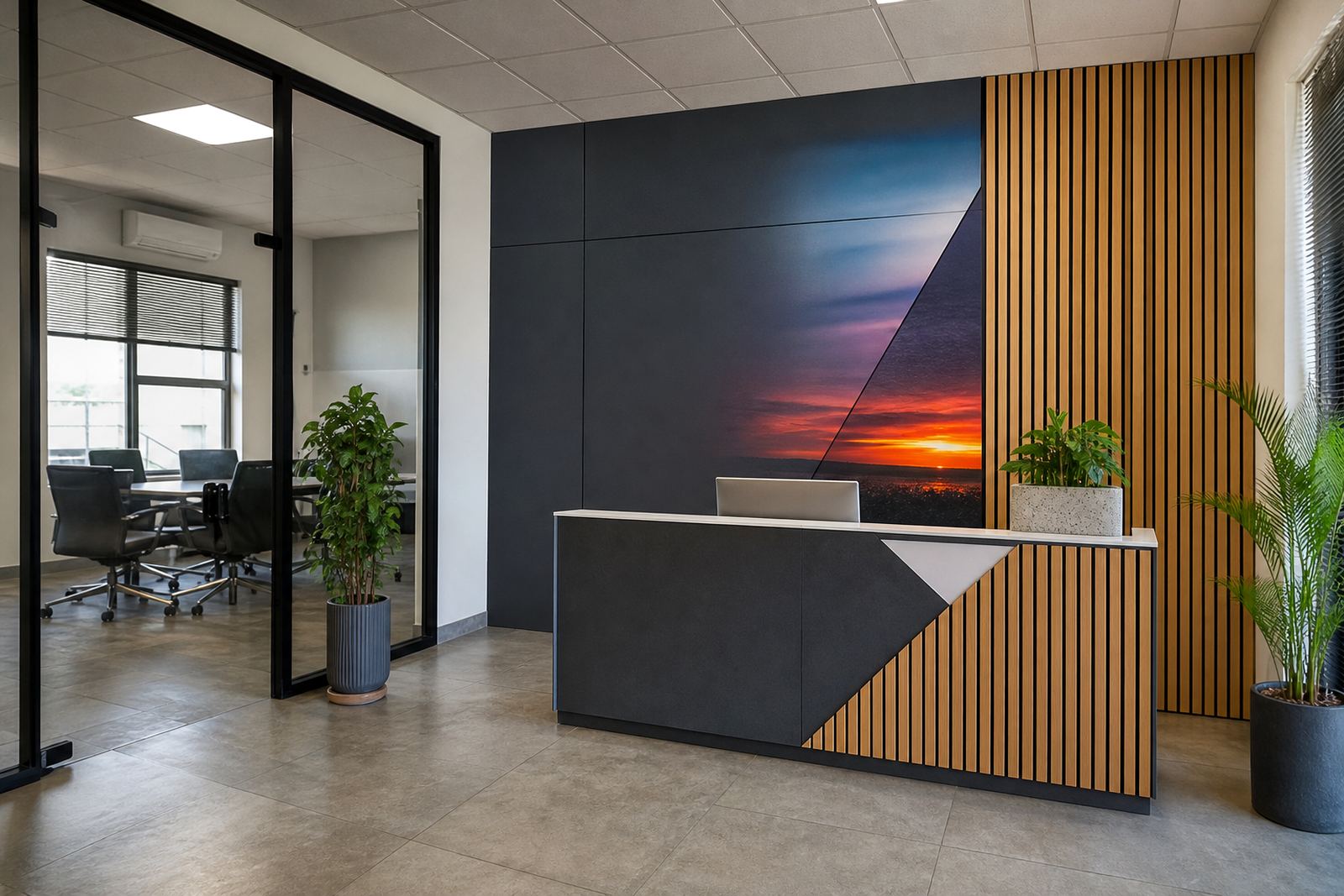
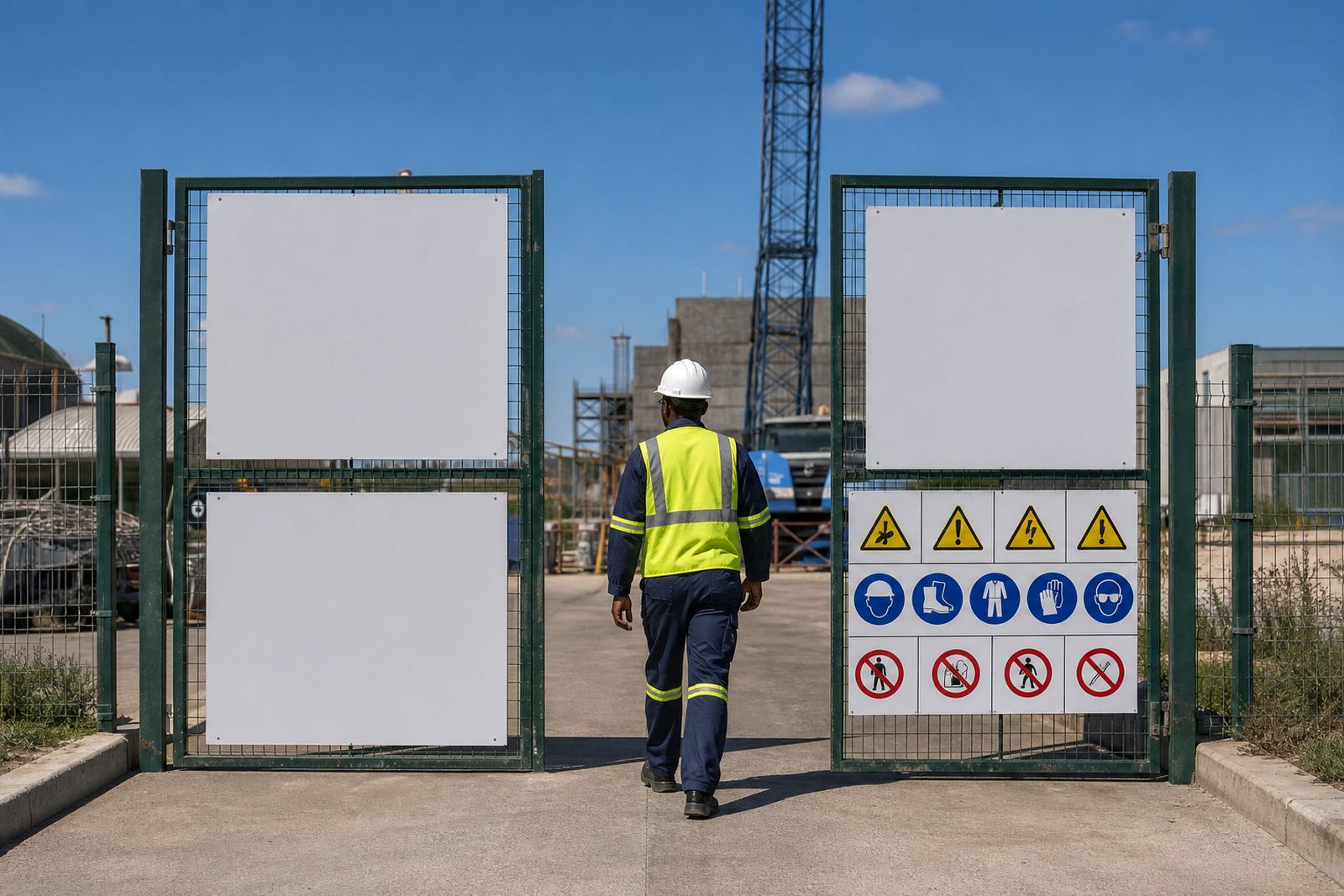
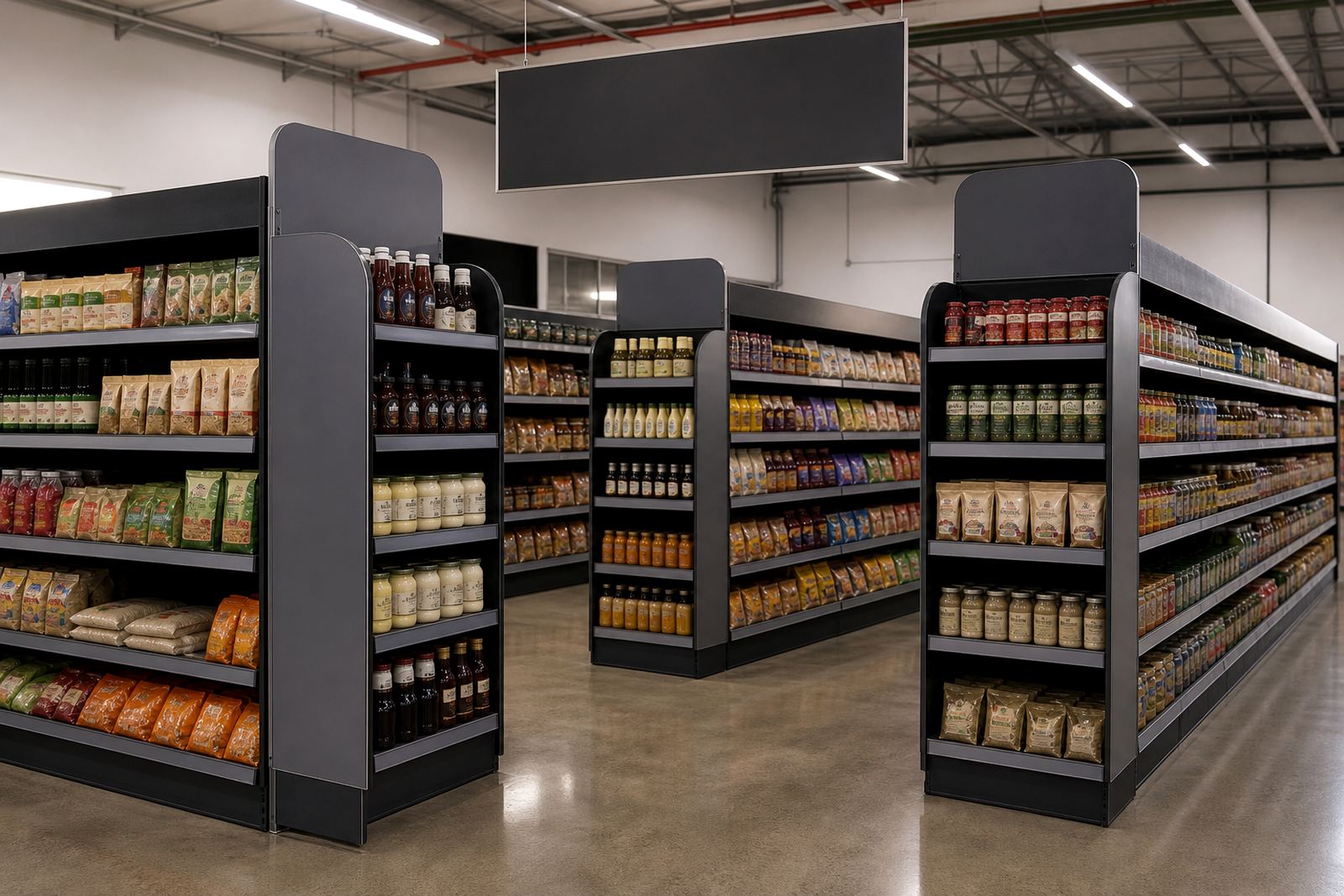
Our recent print projects page brings together typical flatbed UV work for rigid boards, signage and display pieces used in retail, events, property marketing and industrial settings. The aim is simple: show the sort of applications that can be printed directly onto board, foam PVC, acrylic, corrugated sheet, composite panel and other flat substrates, with colour managed to suit the job and the viewing distance.
If you are planning work in Germiston, Johannesburg, Pretoria, Durban, Cape Town or Gqeberha, these examples help you compare what is needed for indoor boards, outdoor signs and high-handling display panels. A good result starts with the right media, correct surface prep and the right ink curing workflow, especially where humidity, dust or load-shedding can affect production timing.
How To Read The Project Range Before You Order
Not every project asks for the same board, ink laydown or finishing method. Some jobs need clean text and fine line detail for wayfinding or branded panels, while others need stronger coverage for full colour graphics on thicker boards. If the board will be moved often, mounted outdoors, or exposed to regular cleaning, the material choice matters just as much as the artwork.
- Choose rigid media that suits the final use, not only the print size.
- Check whether the board will be cut, drilled, mounted or left free-standing.
- Allow for lightfastness, handling marks and edge protection where needed.
- Plan the workflow so printing, curing and finishing fit the site deadline.
Our team in Germiston supports enquiries through site prep, operator training and production guidance, so you can match the job to the right setup from the start.
Boards, Signage And Displays By Application
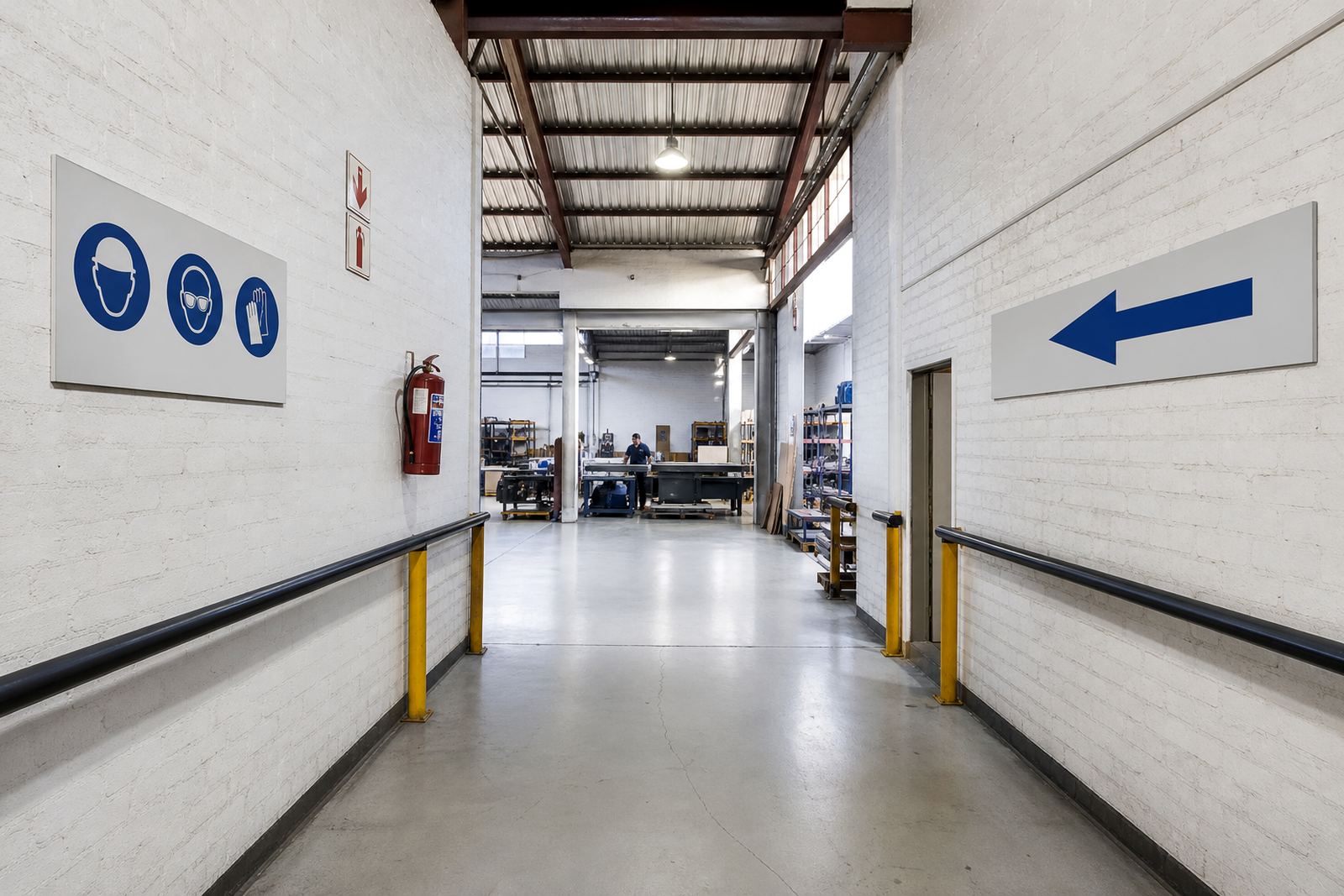
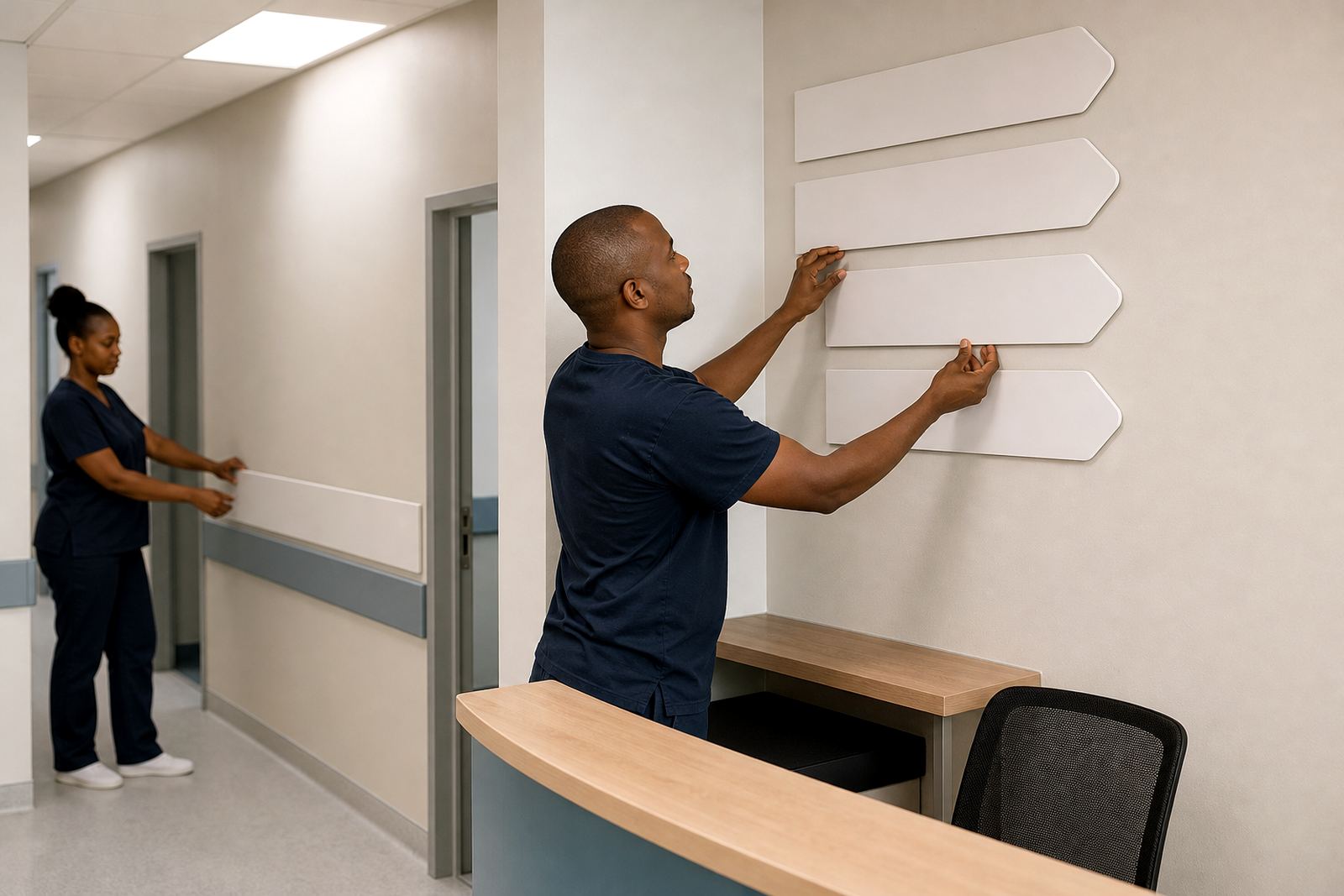
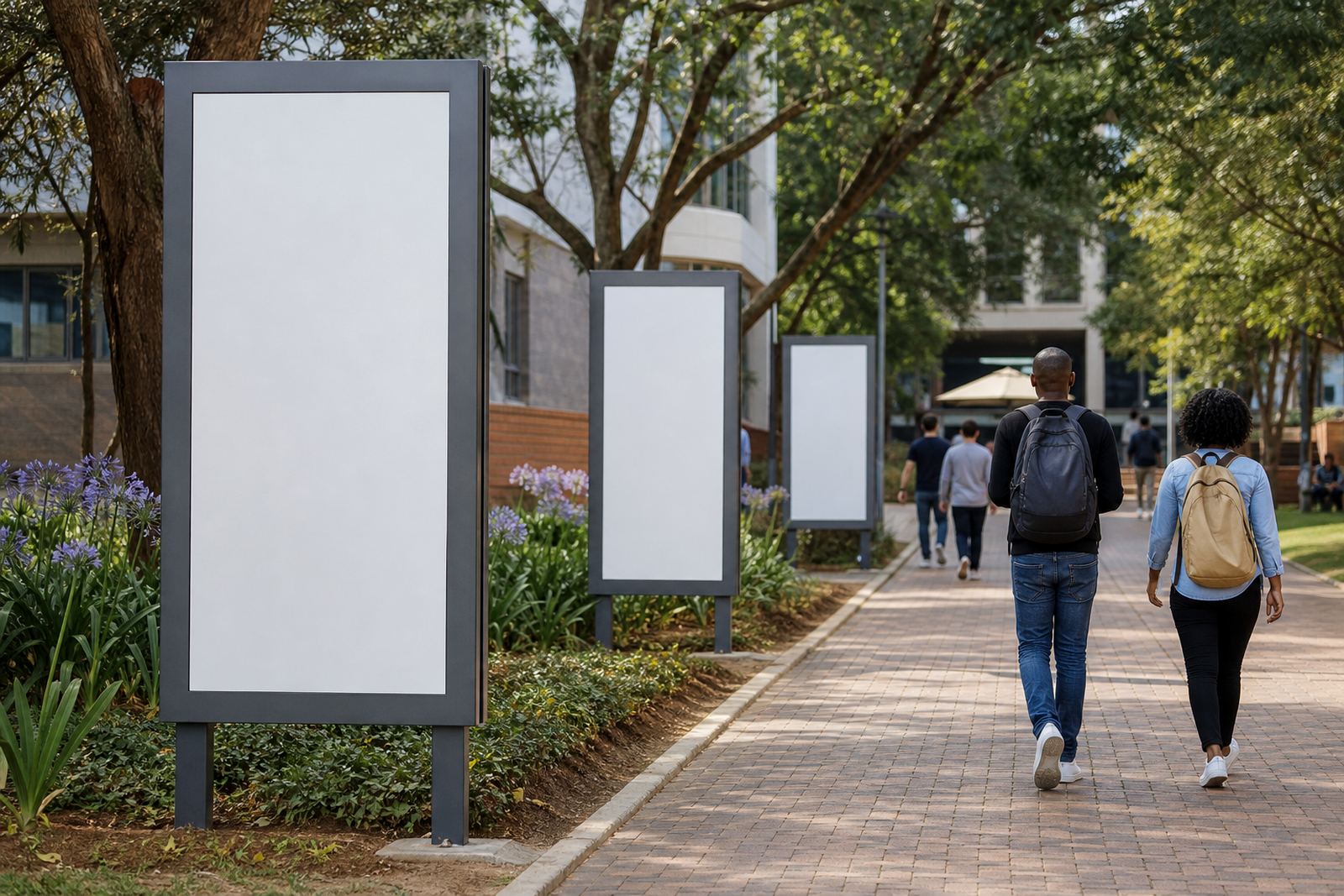
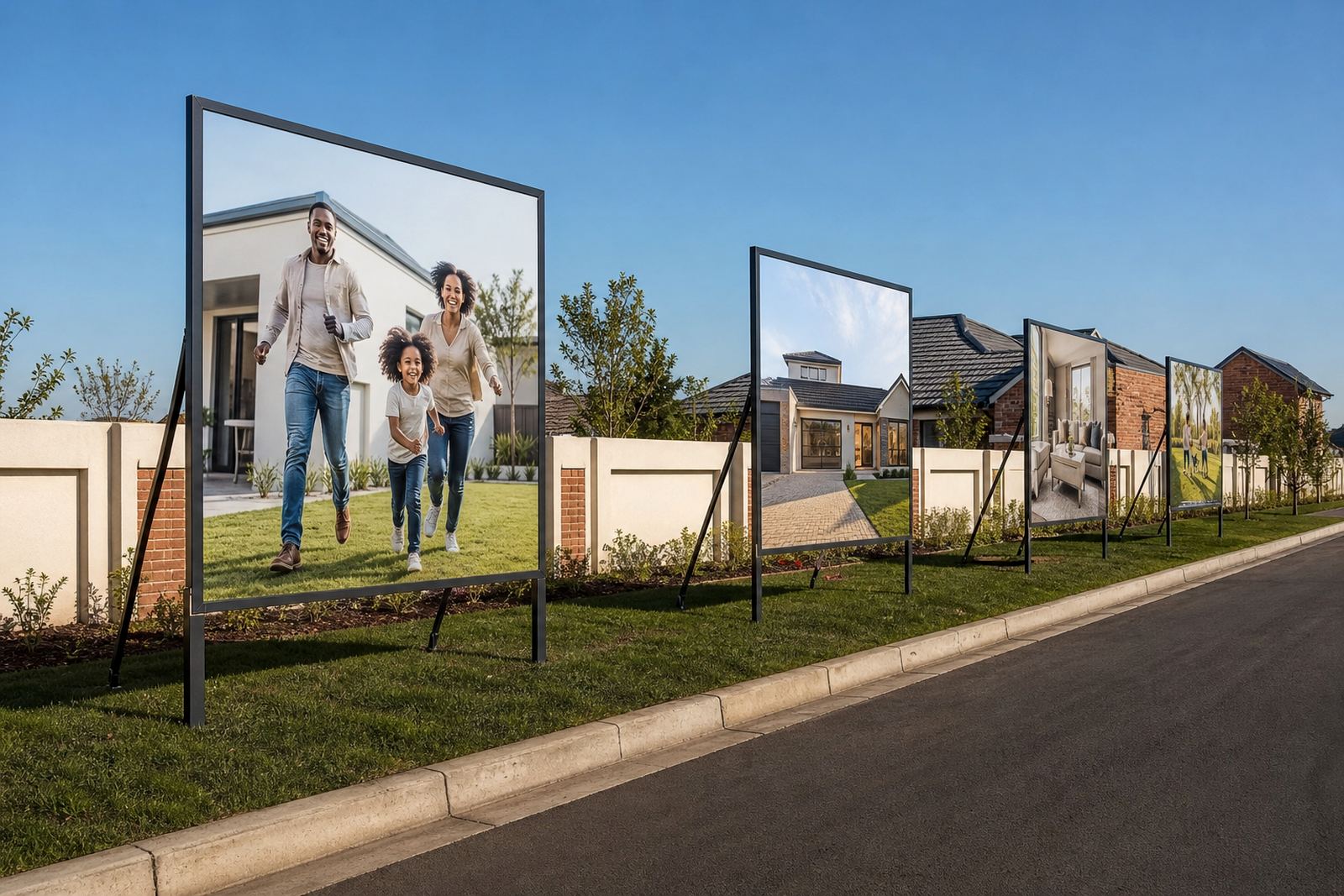
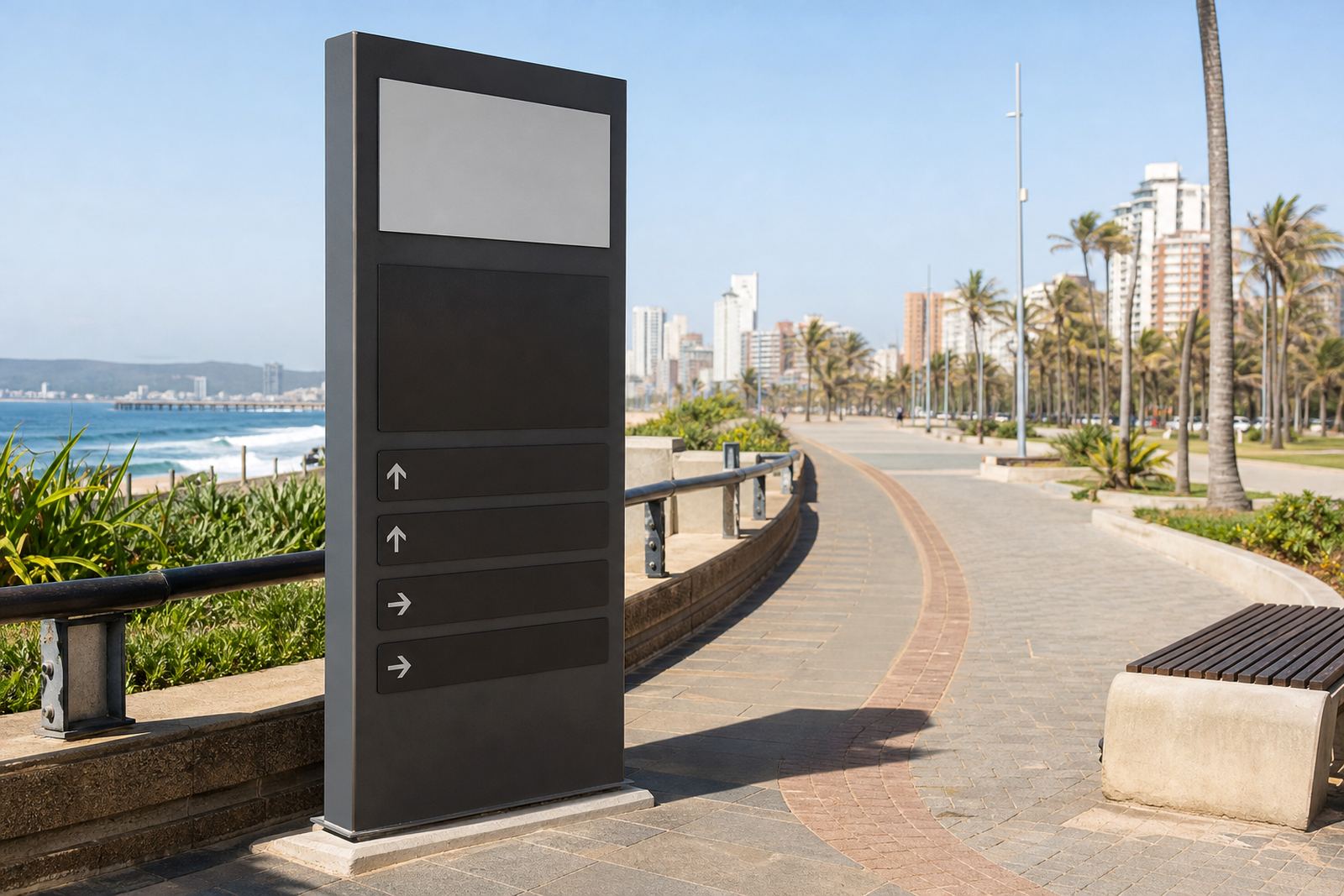
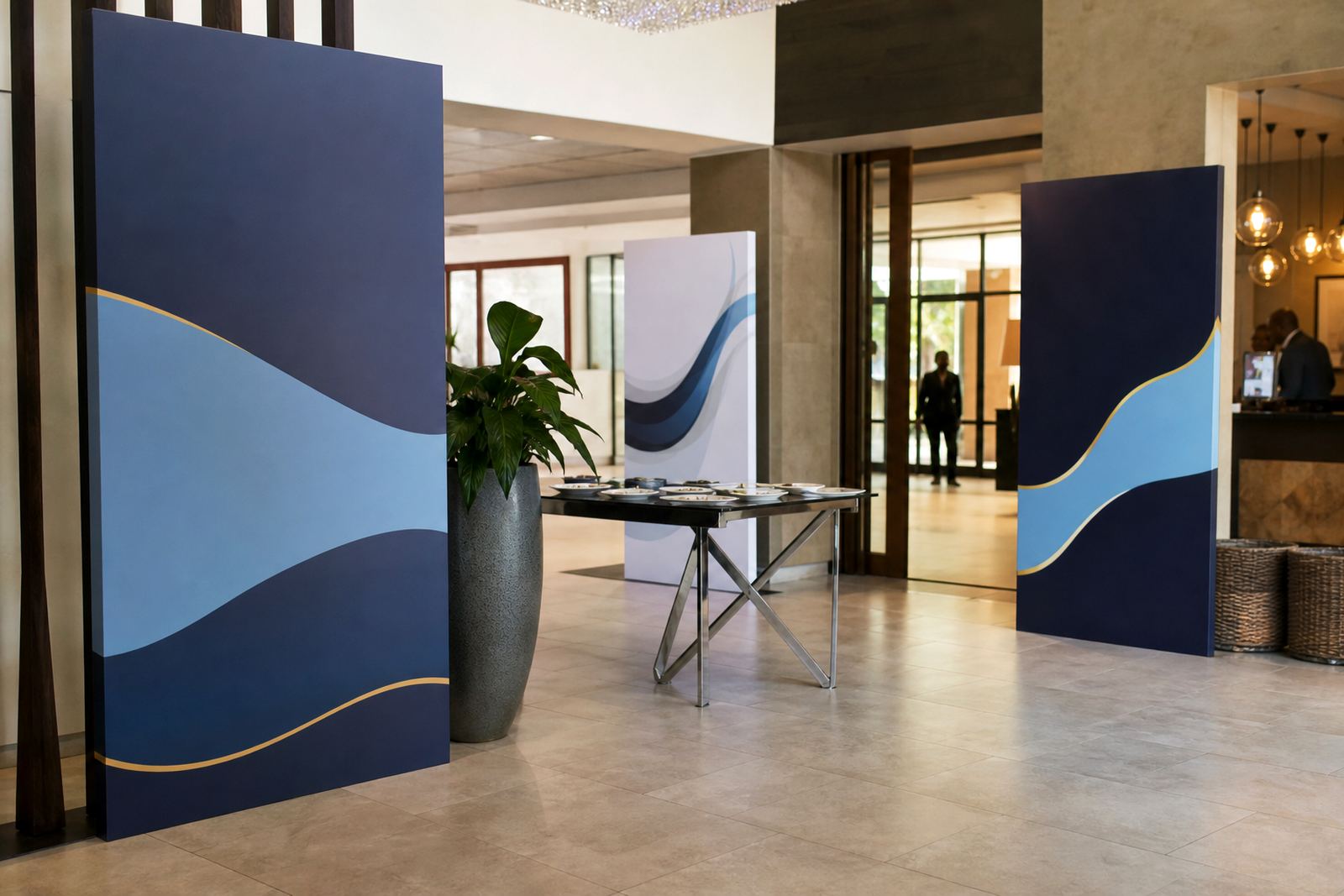
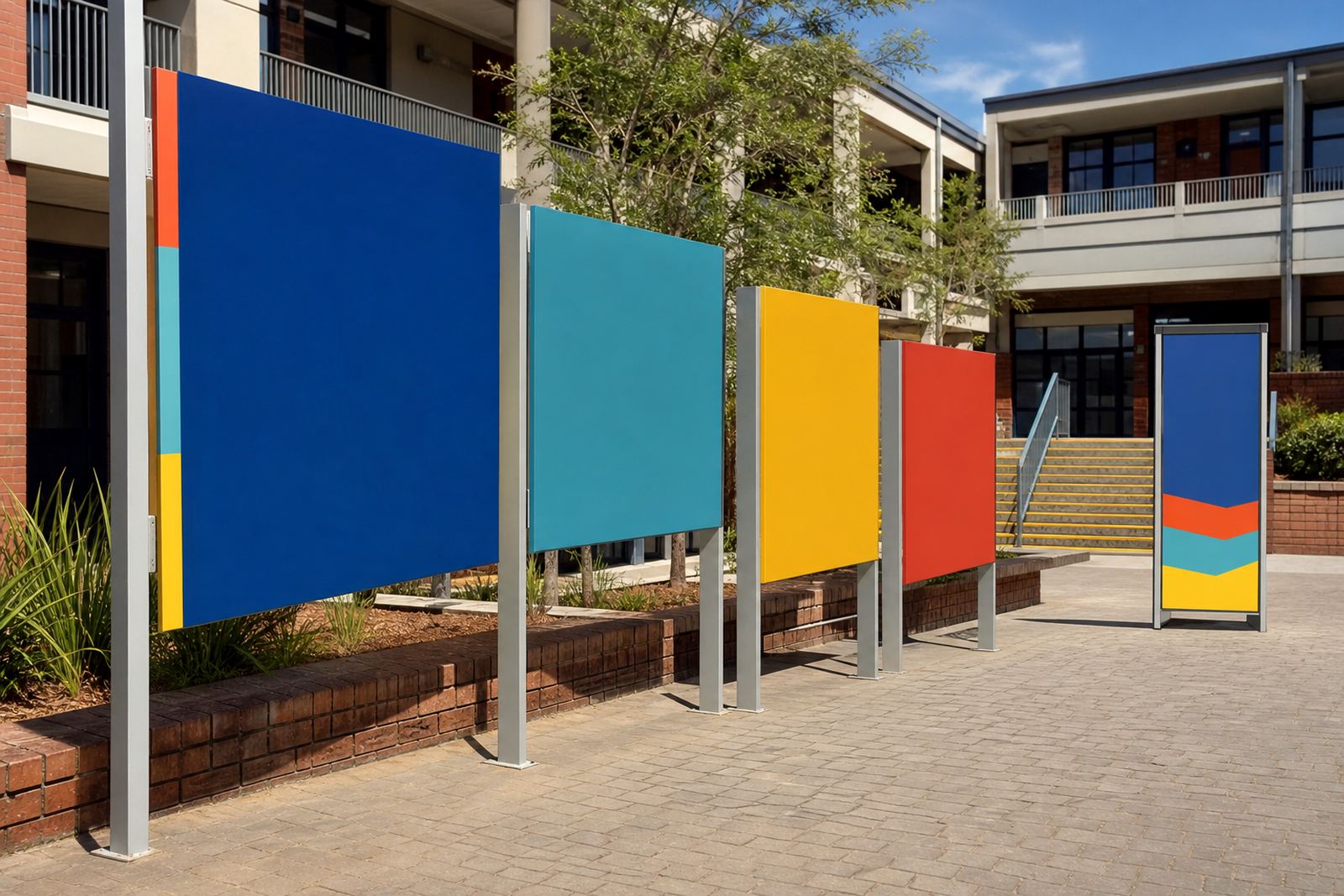
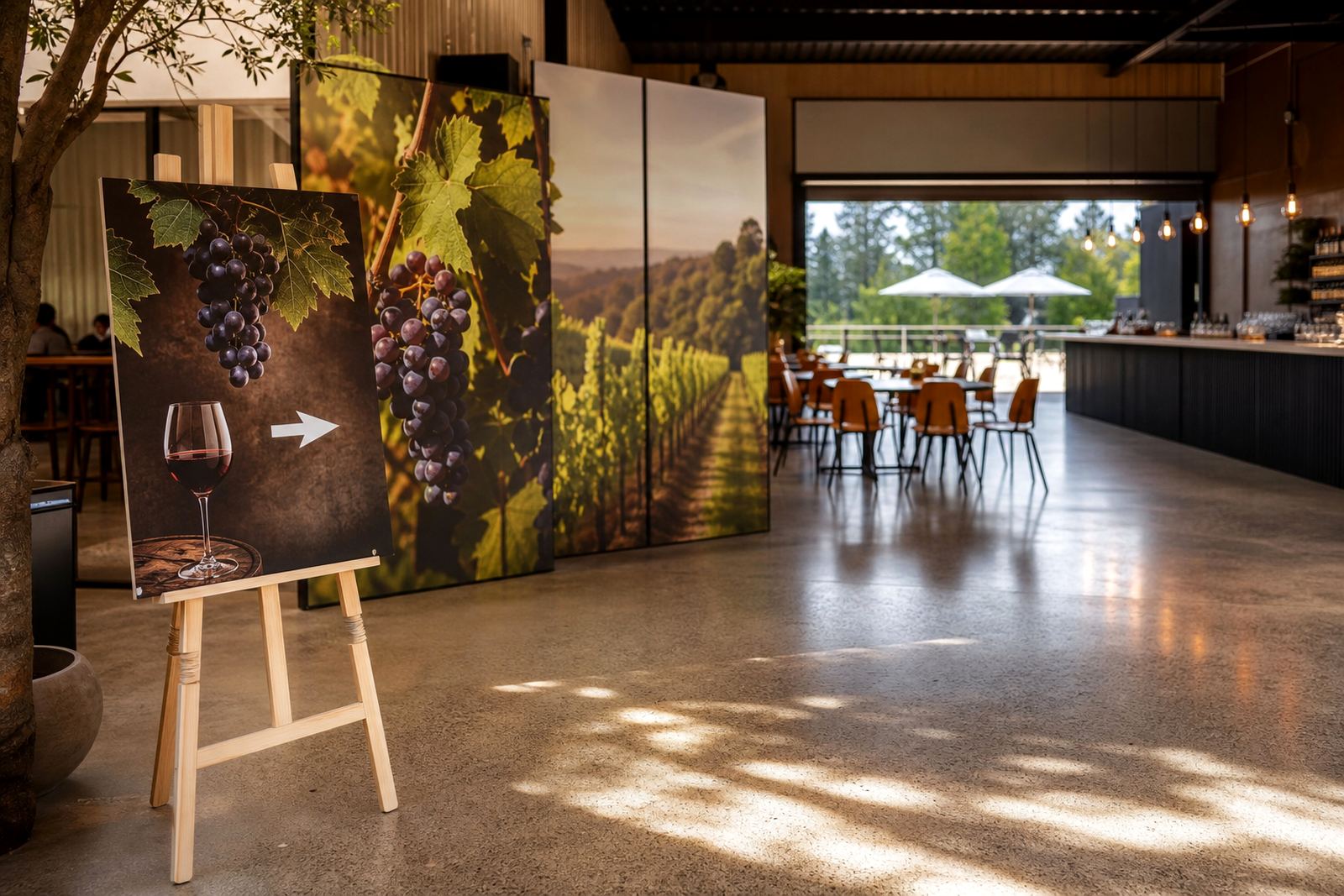
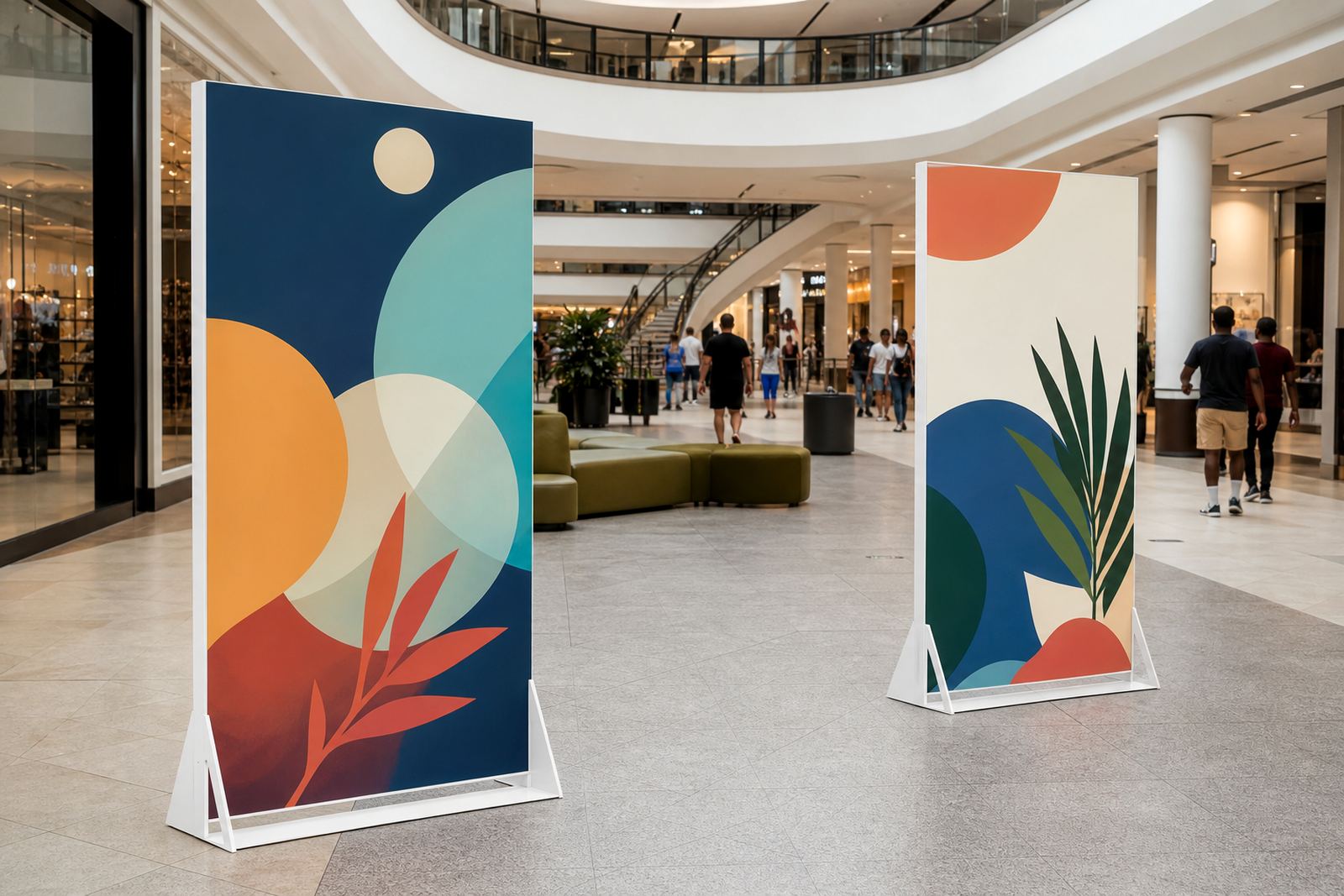
Flatbed UV printing is used across a wide range of rigid applications, from short-term campaign boards to long-life signage. The project pages linked from this hub cover common uses such as retail price boards, safety notices, promotional panels, estate signage, exhibition displays and internal directional boards. Some jobs favour a matt finish to reduce glare, while others need a brighter surface for stronger presentation under indoor lighting.
For coastal areas like Durban, Gqeberha and parts of Cape Town, media selection and edge finishing can make a big difference in how well the panel holds up over time. Inland, dust and heat can also affect storage and handling, so keeping boards flat and dry before print remains important.
Typical Workflow Behind A Rigid Media Job
A solid print workflow helps reduce waste and rework. It usually starts with file prep, media testing and colour guidance, then moves into print, cure, inspection and finishing. On busy production floors, the order of work matters when multiple boards are due for dispatch, especially if the team is balancing new installs, maintenance and urgent reprints at the same time.
- Confirm artwork size, bleed and layout before the first board is run.
- Test the chosen media for ink adhesion and surface behaviour.
- Review colour against the substrate under the lighting the sign will use.
- Allow for drying, curing and safe stacking before packing or installation.
Where a site has power interruptions or limited access, remote support and preventive planning can help keep output steady without rushing the cure cycle.
Installation, Training And Support Around South Africa
These project examples are not only about print output. They also reflect the support needed to keep production moving after installation. Flatbed UV offers printer installation, operator training, workflow planning, ink handling help, media testing, spares coordination and breakdown support across South Africa. That includes support for Johannesburg, Pretoria, Durban, Cape Town, Gqeberha, Centurion and the East Rand.
For many teams, the practical questions are simple: how to prep the site, how to store boards, how to manage colour between jobs and what to do when production slips because of load-shedding or a blocked workflow. Good support answers those questions in plain terms and keeps the press room steadier, even when the week gets busy.
Choosing The Right Example For Your Brief
Use this hub as a reference point when you want to compare your brief with work already supported on rigid media. If you are unsure whether your job is better suited to a lightweight board, a tougher exterior panel or a display sheet for short-term use, start by looking at the closest application in the project list. That makes quoting, planning and scheduling much easier.
The right example will usually match three things: the final location, the handling requirements and the visual finish. Once those are clear, it becomes easier to decide on print method, board type and finishing steps. If you need help, Sibusiso Mthembu and the Flatbed UV team in Germiston can guide the process from enquiry through to production, training and after-sales support.