
Retail brief for a Boksburg rollout
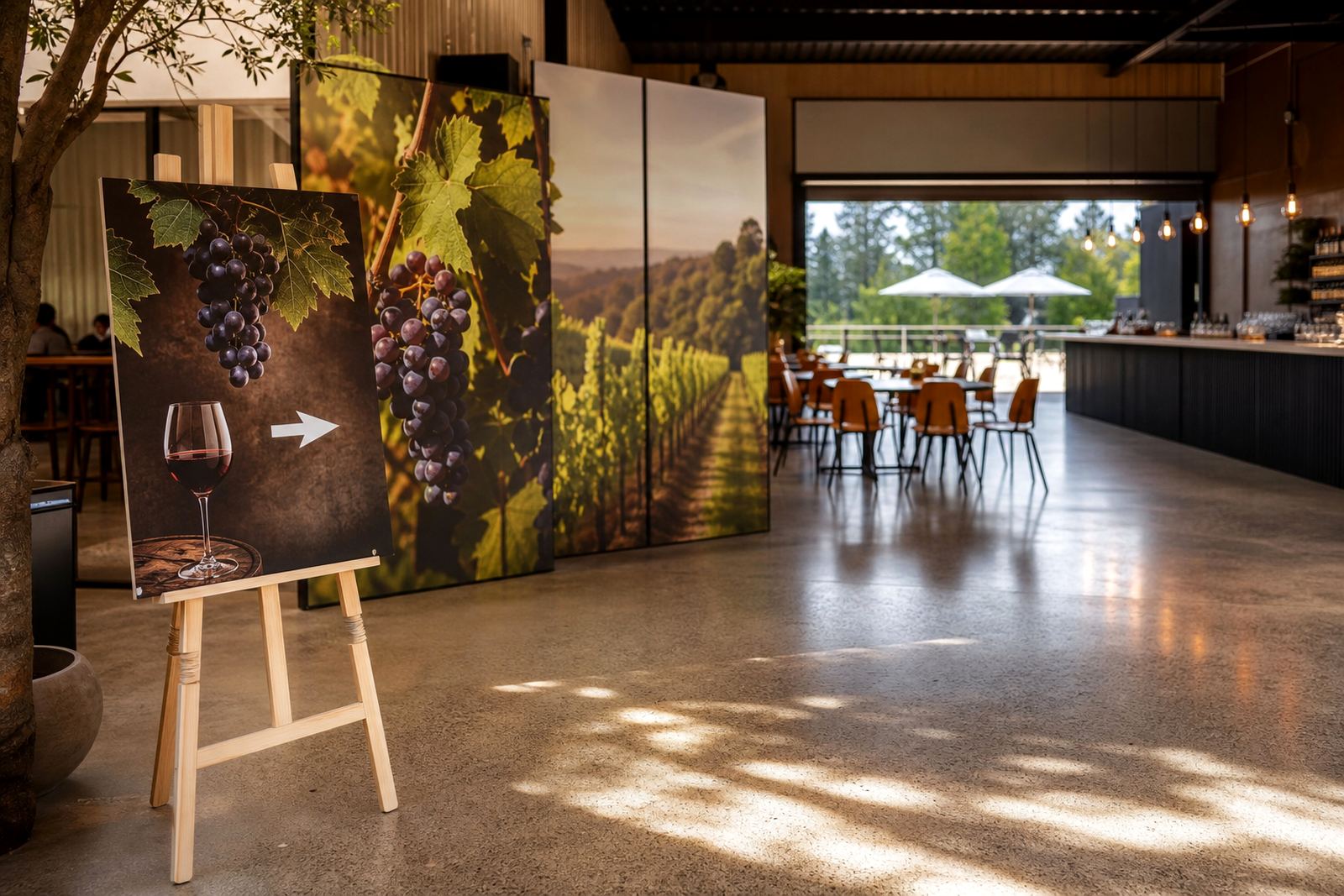
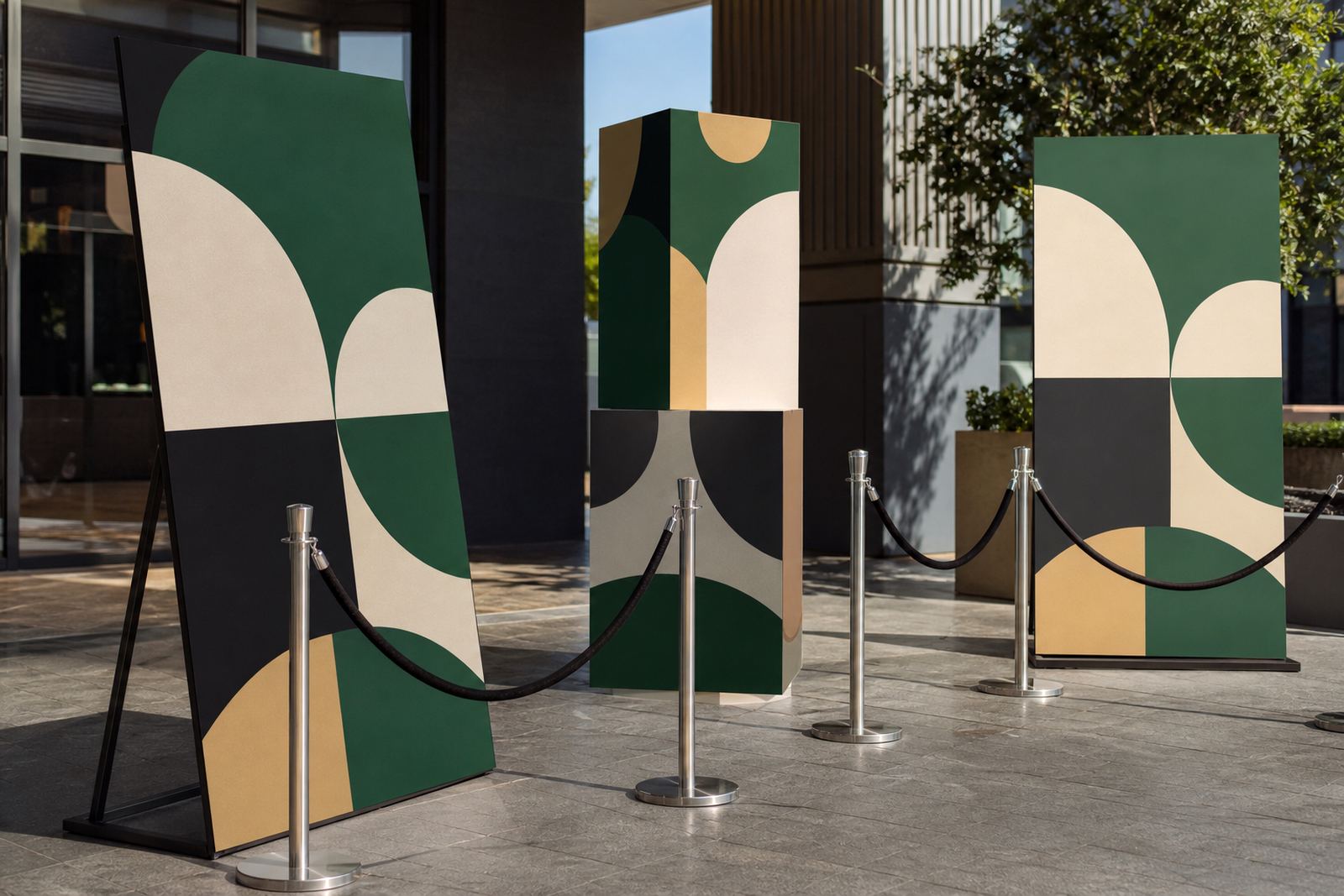
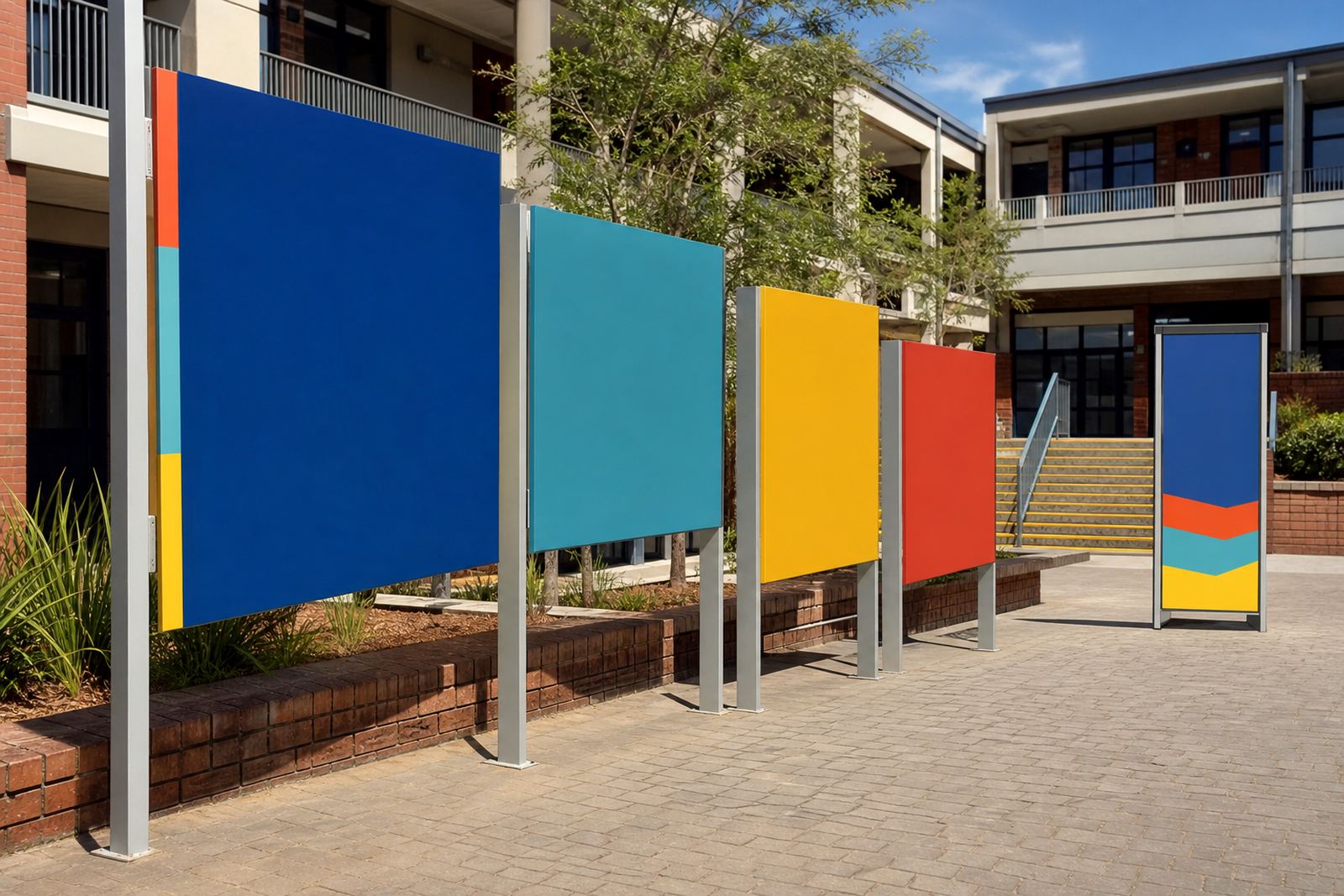
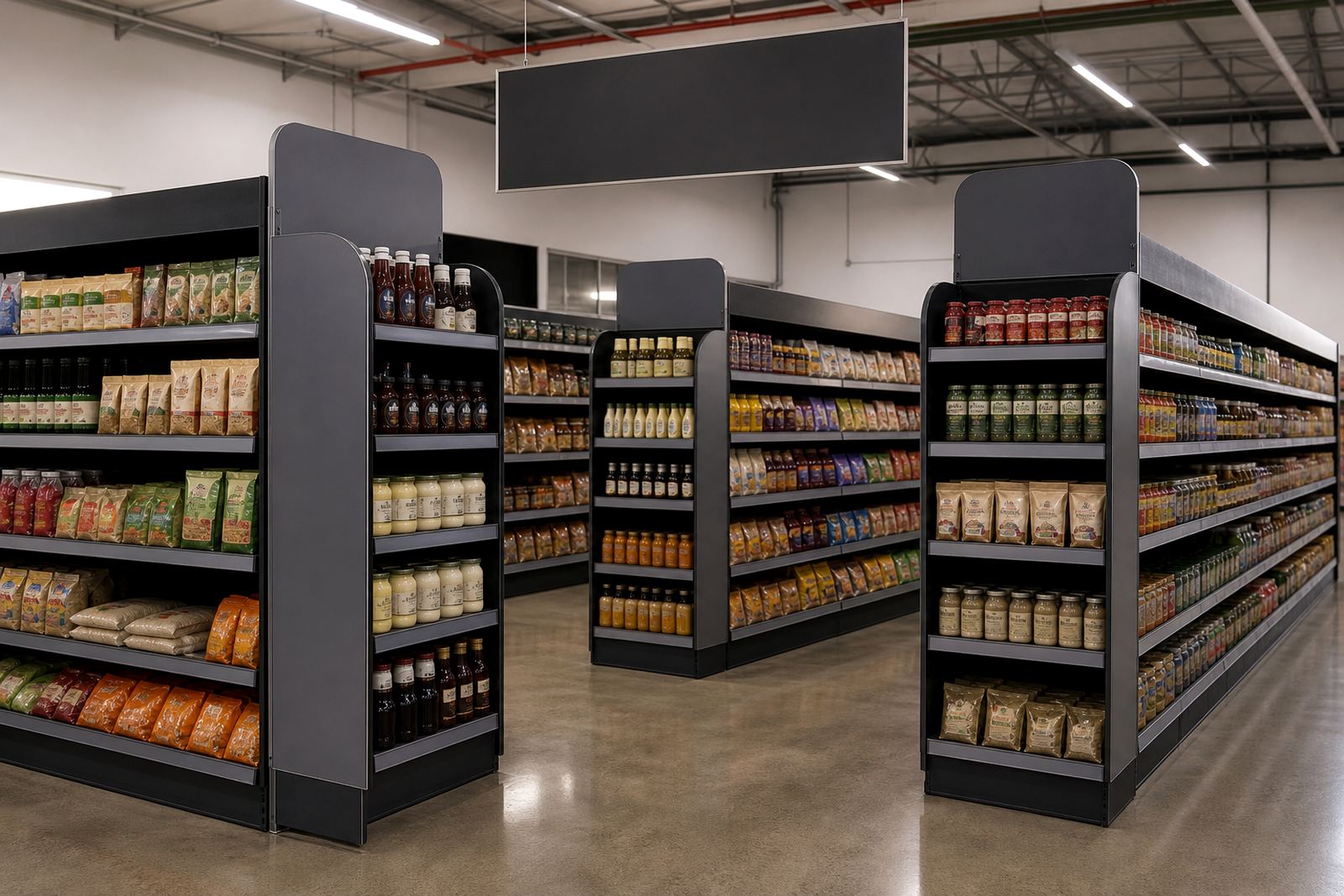
The client was a retail team in Boksburg preparing a promotional rollout for a range of in-store specials. They needed point-of-sale display elements that could be cut to size, fixed neatly, and read clearly from a few metres away at tills, entrances and aisle ends.
The work had to suit day-to-day store traffic, so the printed parts needed to stay flat, hold colour under bright indoor lighting, and cope with handling during installation. The brief also asked for repeatable output across several sizes, with enough consistency that every branch could use the same layout without reworking artwork for each site.
- Rigid board display pieces for retail use
- Bright, easy-to-read colour for short-range viewing
- Multiple formats for tills, shelf ends and window areas
- Fast turnaround for a time-sensitive rollout
Material choice and print method
For this kind of job, flatbed UV printing is a practical fit because it puts ink straight onto rigid media. That makes it suitable for board-based signage, display cards and promotional panels where a clean face and decent edge finish matter. UV ink cures as it prints, so the sheets can be handled sooner and moved into finishing without long drying delays.
We worked with rigid boards suited to indoor promotional use and selected print settings that kept text crisp and colour steady across repeated items. Where a display needed to be viewed up close, fine type and small callouts were checked carefully before the run was released. In retail, a small shift in colour or a fuzzy edge shows quickly, so the workflow has to be tight from file check to final pack out.
- UV-cured ink on rigid board media
- Short-run and repeat-run capability
- Suitable for flat signage, panels and promotional inserts
- Clear type for pricing, offers and product messages
Artwork control and production checks
The artwork came with several version changes, which is common in promo work when pricing and offer wording are still being finalised. We checked bleed, trim lines and placement for each panel before printing, then kept the output grouped by store area so installation teams could work faster on site. This saved time and reduced mix-ups during handover.
Because the displays were meant for a busy retail environment, we also checked that the panel sizes matched the intended fixtures and stands. That meant less trimming at store level and fewer delays for the team fitting everything into place. We know from experience that if a board is even a few millimetres out, it can hold up the whole job.
- File checks for bleed, trim and layout placement
- Grouped output for easier store-by-store installation
- Size matching for stands, shelves and fitting points
- Less on-site trimming and less downtime
Timeline, coordination and handover
The job ran over two weeks from artwork sign-off to final handover. Week one was spent on confirmation of sizes, sample checks and production planning. Week two covered printing, finishing, sorting and dispatch. That pace worked well because the client needed stock ready before the promotion changed in store.
We coordinated the output so the client could receive the pieces in a clear order for rollout. The pack sequence mattered because different branches were installing at different times, and nobody wanted to open a mixed box of panels and spend half an hour sorting through them. We kept the handover simple and practical, which is usually the best way with retail work.
- Week 1: artwork approval and production planning
- Week 2: print, finish, sort and handover
- Pack order arranged by store use and location
- Prepared for staggered branch installation
What the client needed on site
Retail sites in Boksburg can be fairly unforgiving once a promotion is live. Displays need to land cleanly, sit square and survive constant handling from staff and shoppers. For that reason, we paid attention to edge finish, stacking order and basic protection during transport. The client wanted items that could be issued to multiple branches without a lot of explanation, so the workflow had to be straightforward.
The result was a set of display pieces that suited the intended spaces and held together through the install phase. Colour read well under store lighting, and the printed face stayed neat enough for close viewing at the point of sale. The team said the biggest gain was less rework at branch level, which is often where promo schedules lose time.
- Neat edge finish for handling and fitting
- Suitable for shop-floor traffic and repeated contact
- Clear colour under bright indoor lights
- Less branch-level rework during rollout
What we would repeat on the next rollout
If we were doing the same kind of Boksburg POS Displays project again, we would follow the same approach: lock artwork early, group the outputs by store area, and keep close control on trim and pack order. That combination keeps the job practical and avoids last-minute confusion when a promo has to go live across several sites.
We would also do another quick media check before full production, especially where a promotion includes smaller text or tighter graphics. In retail, the little things matter. A display can be printed well but still miss the mark if the board size, fixing method or install sequence is not thought through from the start.
- Approve sizes and artwork before print starts
- Group by branch and by display location
- Check media choice against fixing method
- Allow for a final proof on any fine detail
Key facts
| Project type | Boksburg POS displays for a promotional retail rollout |
|---|---|
| Location | Boksburg, Gauteng |
| Print method | Flatbed UV printing on rigid board media |
| Use case | Point-of-sale display elements for indoor retail areas |
| Timeline | 2 weeks from approval to handover |
| Scope | Artwork checks, printing, finishing, sorting and rollout handover |