Why Thickness Changes The Whole Job
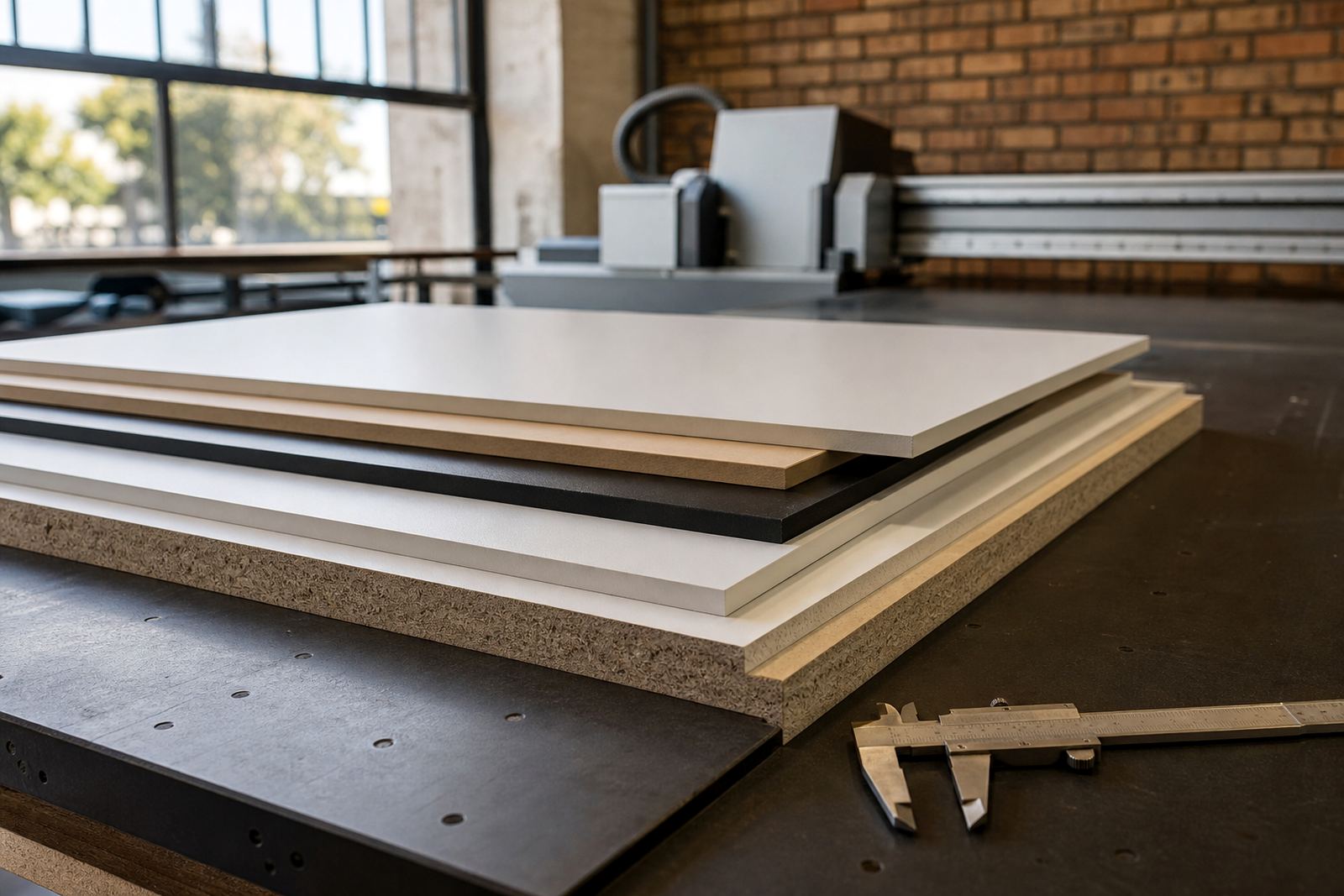
When a rigid board comes into the shop, the first thing to check is not the print file but the board itself. Thickness affects how you load the sheet, how it sits on the bed, and how much care is needed when you move it from printing to cutting or fitting. A thin sheet can flex if it is carried badly, while a thicker board may be heavier and more stable but need a different finishing approach.
For flatbed UV printing, the board must stay as even as possible through the print run. If it bows, sags or has uneven edges, you can get banding, head strikes or poor ink laydown at the points where the board lifts. That is why thickness is tied to handling, print setup and finishing all at once, not only to the final look.
In practice, the right thickness depends on where the sign will be used, how long it must last, and whether it will be mounted directly, framed or built into a display. A shop in Germiston producing indoor retail boards will often make different choices from a team preparing outdoor signage for a site in Durban where humidity and coastal air can affect the media before and after printing.
Match The Board To The Job Before You Print
Start by asking what the board must do. A temporary point-of-sale panel has very different needs from a long-term directional sign or a board that will be handled daily in a showroom. The thicker the board, the more it can resist flex, but that also changes the weight, cutting process and fixing method.
Before printing, check the board for flatness, surface quality and edge condition. Some boards arrive with a slight warp from storage or transport. Others may have dents, moisture marks or dust that will affect adhesion. If you are working in Gauteng through winter or on the coast after a humid spell, let the media acclimatise in the workshop before it goes onto the printer bed.
- Thin boards are easier to carry and fit, but may need more support during printing and installation.
- Medium boards often give a good balance between stiffness and weight for general signage.
- Thicker boards are useful where impact resistance, rigidity or freestanding use matters.
- Always confirm the fixing method before choosing the sheet, so the board and mounting can work together.
Choosing thickness early saves time later. It prevents last-minute changes to cutting, mounting and support structures that can slow down production.
How Thickness Affects Print Setup And Ink Behaviour
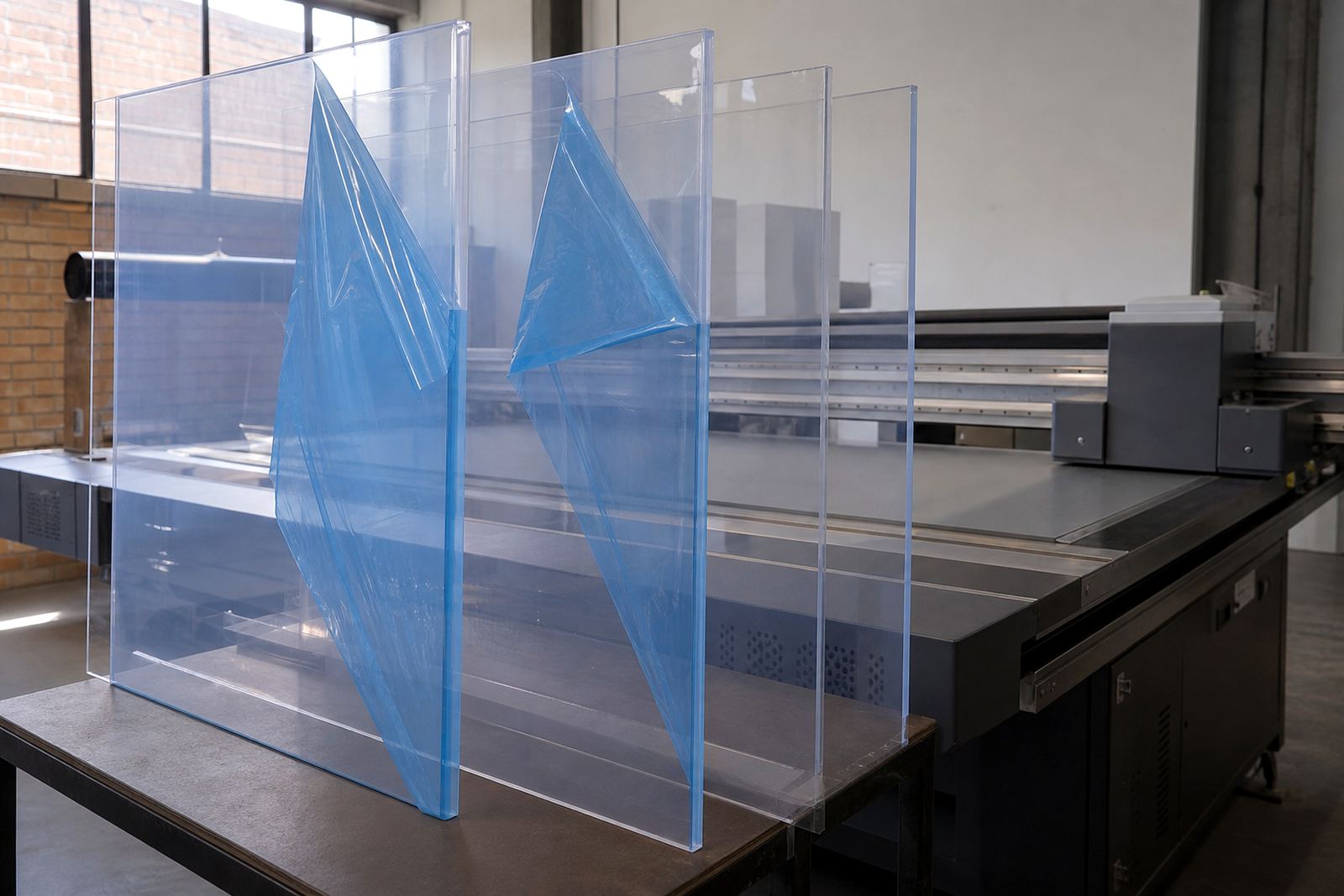
On a flatbed UV printer, board thickness influences the setup at the bed, the height clearance and the consistency of the print pass. If the board sits slightly proud or sinks at one edge, the distance between the print heads and the surface changes. That can affect sharpness and ink placement, especially on detailed text or fine graphics.
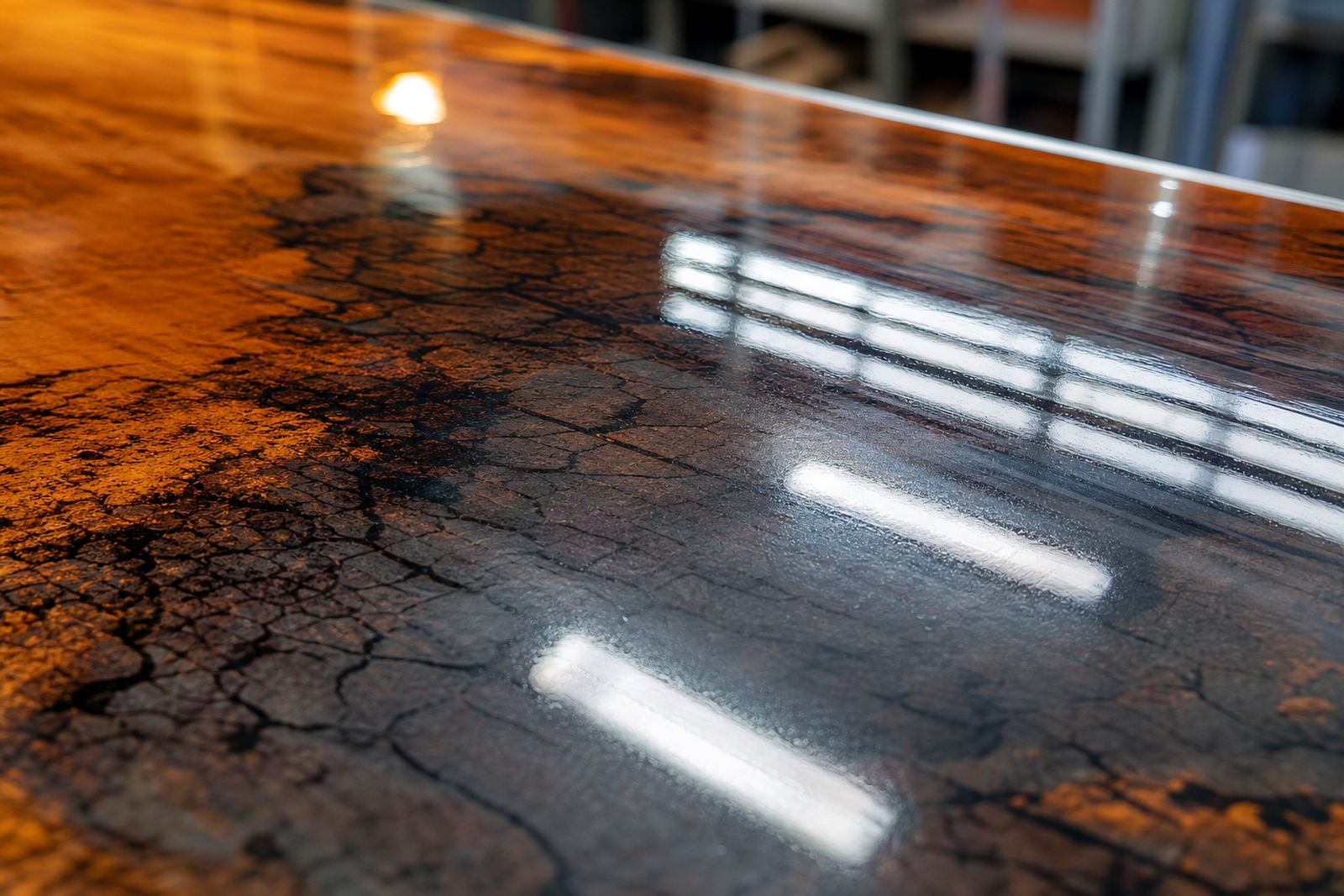
Ink choice also matters. Different rigid media can take UV ink differently, depending on surface coating, porosity and texture. A smooth board may produce crisp colour and clean detail, while a more textured surface can change the way solids and fine lines appear. This is why media testing is worth doing before a full production run, especially when the board thickness is paired with a new substrate or a new finishing method.
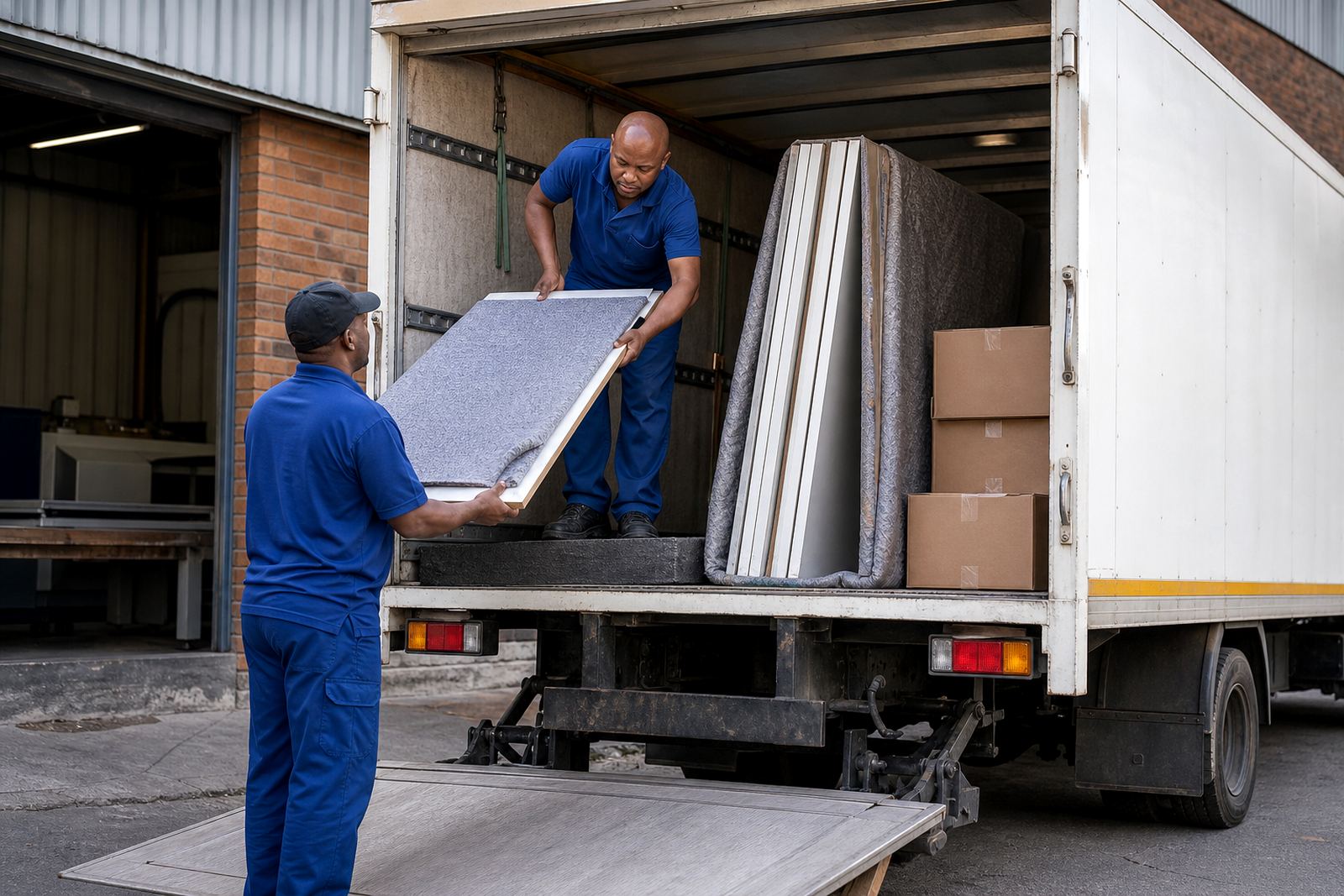
Good workflow keeps the board stable from start to finish. Use clean support, confirm the print path, and make sure operators know how to load and unload sheets safely. On larger boards, one person working too quickly can cause flex or edge damage. That is where training and a clear process make a real difference, because even a small shift in the board can show in the finished print.
Finishing Needs Change With The Board Size And Depth
Thicker boards usually hold up better during cutting, drilling and mounting, but they can also need different tools and settings. The board edge may need sealing, trimming or a cleaner cut if it will be exposed on site. Thinner sheets can be quicker to finish, yet they may require stronger backing or more careful handling to avoid cracking or corner damage.
Think about the final use before you decide. If the board is going onto a wall in a shopping centre, it may need neat edges and a lighter weight for easier fixing. If it is going outside at a municipal site, it may need more body and a better fix against wind movement. If it will be handled by staff during promotions, the surface should be easy to wipe down and the sheet should not flex too much in use.
- Check whether the board will be drilled, routed, laminated or mounted directly.
- Allow for edge finishing if the board will be visible from the side.
- Consider how the weight will affect transport, installation and lifting on site.
- Keep spare offcuts for test cuts, fixing checks and colour checks on the same media.
There is no single thickness that suits every job. The right choice depends on the balance between strength, weight and the final finish the client expects.
Local Conditions In South Africa Can Change The Choice
South African print work does not happen in a controlled textbook setting. Boards move through warehouses in summer heat, cold stores in winter, and job sites with dust, moisture and load-shedding interruptions. Those conditions affect how board stock is stored, how it is prepared, and how it behaves when it reaches the printer.
In Germiston and the East Rand, many jobs move fast between production and delivery, so boards need to be easy to handle and reliable in turnaround. In Cape Town and Gqeberha, coastal humidity can influence storage and edge condition. In Durban, moisture in the air can change how a board feels on the day of print. If the media has absorbed moisture, the surface may not lie as flat as expected and that can affect the print result.
A practical workflow is to store boards flat, keep them off damp floors and label them clearly by thickness and job type. This helps with stock control and avoids mixing up a lighter display board with a heavier structural board. It also keeps the team moving when urgent work comes in from Johannesburg, Pretoria or Centurion.
A Germiston Example: Choosing For A Retail Sign Run
A common job in Germiston might be a retail sign run for several branches across Gauteng. One board may be for an interior promotion, another for a doorway panel and another for an outdoor directional sign. Even if the artwork is similar, the thickness choice can change from one location to the next because the fixing method and exposure are different.
For the indoor panel, a lighter board can be enough if it is protected and supported. For the outdoor sign, a stiffer sheet may be safer where wind or vibration is a factor. The team should also check whether the board will be cut to shape, stood on a frame, or mounted flush against a wall. Those details affect not only the print but also the installation and service follow-up.
That is why site preparation and workflow planning matter. A well-chosen board thickness makes the whole job easier to print, easier to finish and easier to install. It also reduces call-backs, because the board is less likely to warp, chip or shift after it leaves the workshop.