
What curing actually changes on a printed panel
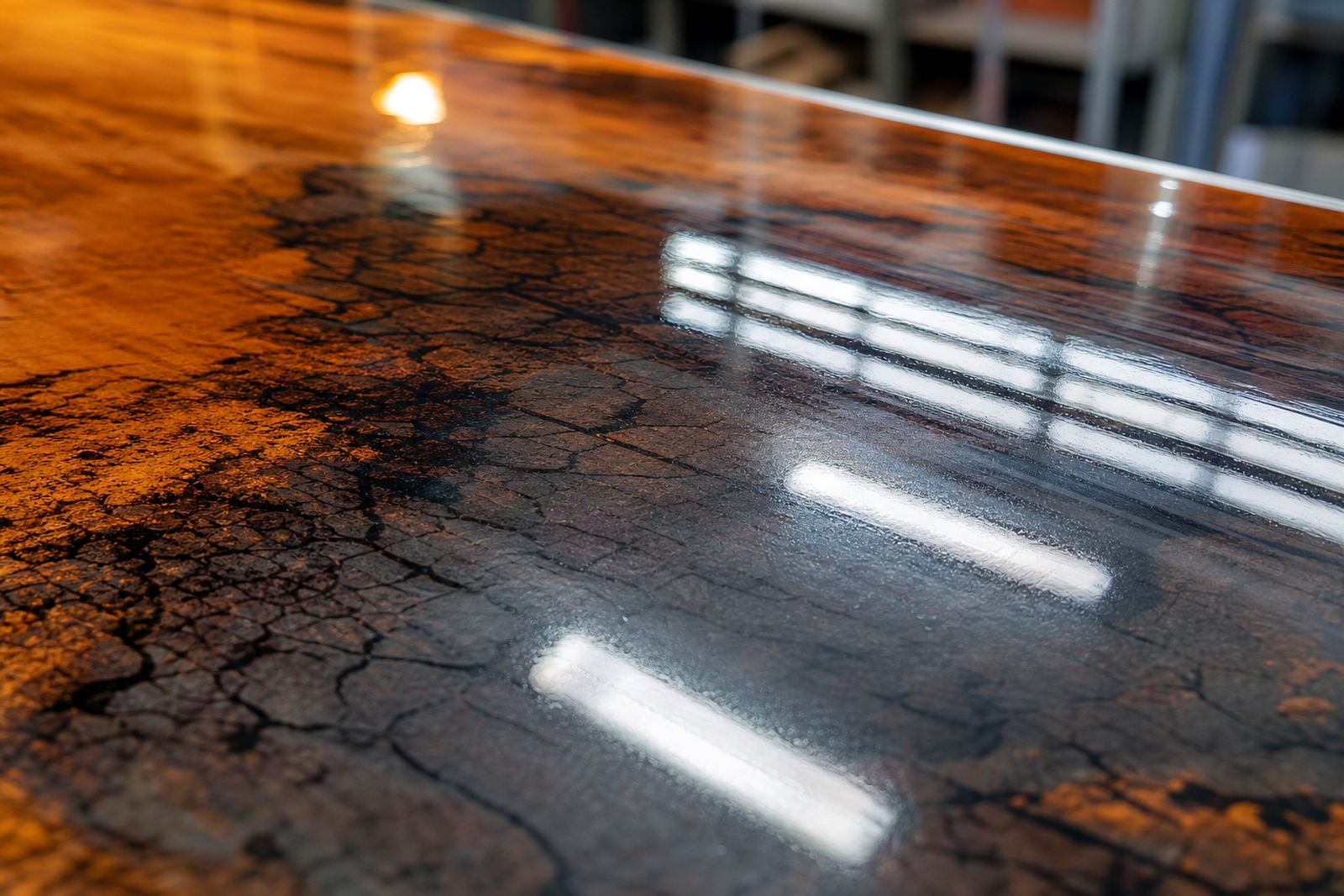
On rigid boards and signage, curing does more than dry the ink. It affects how the surface looks under light, how quickly the sheet can be moved through the workshop and whether the print is ready for cutting, mounting or packing. If curing is uneven, the finish can look patchy, feel tacky in spots or pick up marks during handling.
In South African print rooms, that matters because jobs often have to move fast. A retail panel for Sandton, a directional board for a Durban event or a display for a Cape Town site may all need to leave the floor the same day. If the cure is right, the print holds its colour better and the surface is less likely to scuff when it is stacked or turned over.
The main point is simple: curing sets the standard for the rest of the job. Good print settings only go so far if the output is rushed before it is fully ready.
Finish starts with the right ink laydown
The amount of ink placed on the media has a direct effect on finish. Heavy laydown can give strong colour on dark boards or textured sheets, but too much ink may leave a surface that feels soft or takes longer to stabilise. Light laydown may cure quickly yet can look thin if the media needs more coverage.
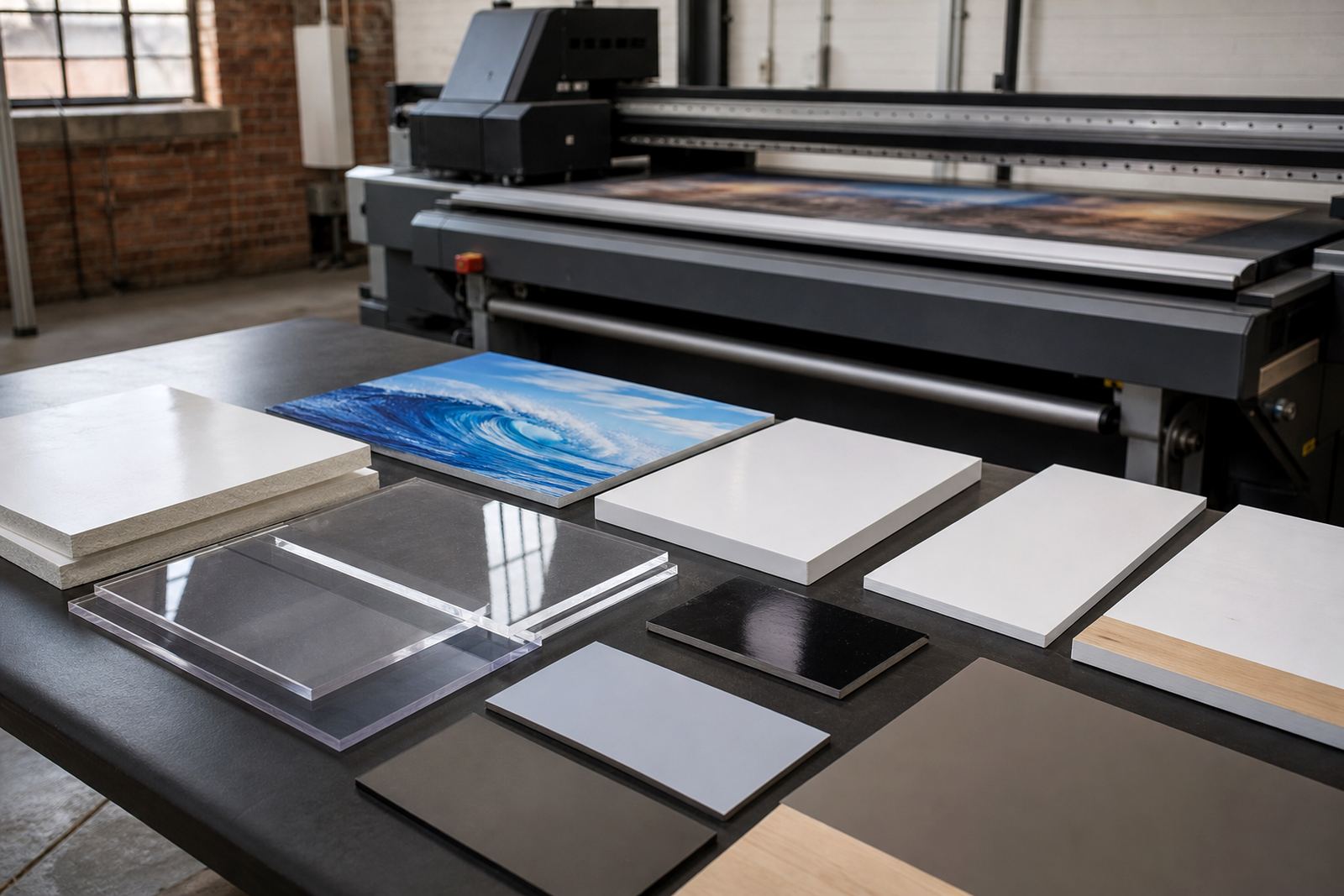
That is why production teams should test each media type before full runs. Foam board, PVC sheet, acrylic, composite panel and corrugated board all behave differently. Some take a flatter finish, while others show more sheen on the raised areas of the print. A small test strip can save a full reprint later.
- Check the surface after printing, not only from a distance.
- Feel for tackiness at the edges and around solid colour areas.
- Inspect under workshop light and near a window if possible.
- Compare the test against the final use, not just against the file on screen.
Why media choice changes gloss, texture and wear
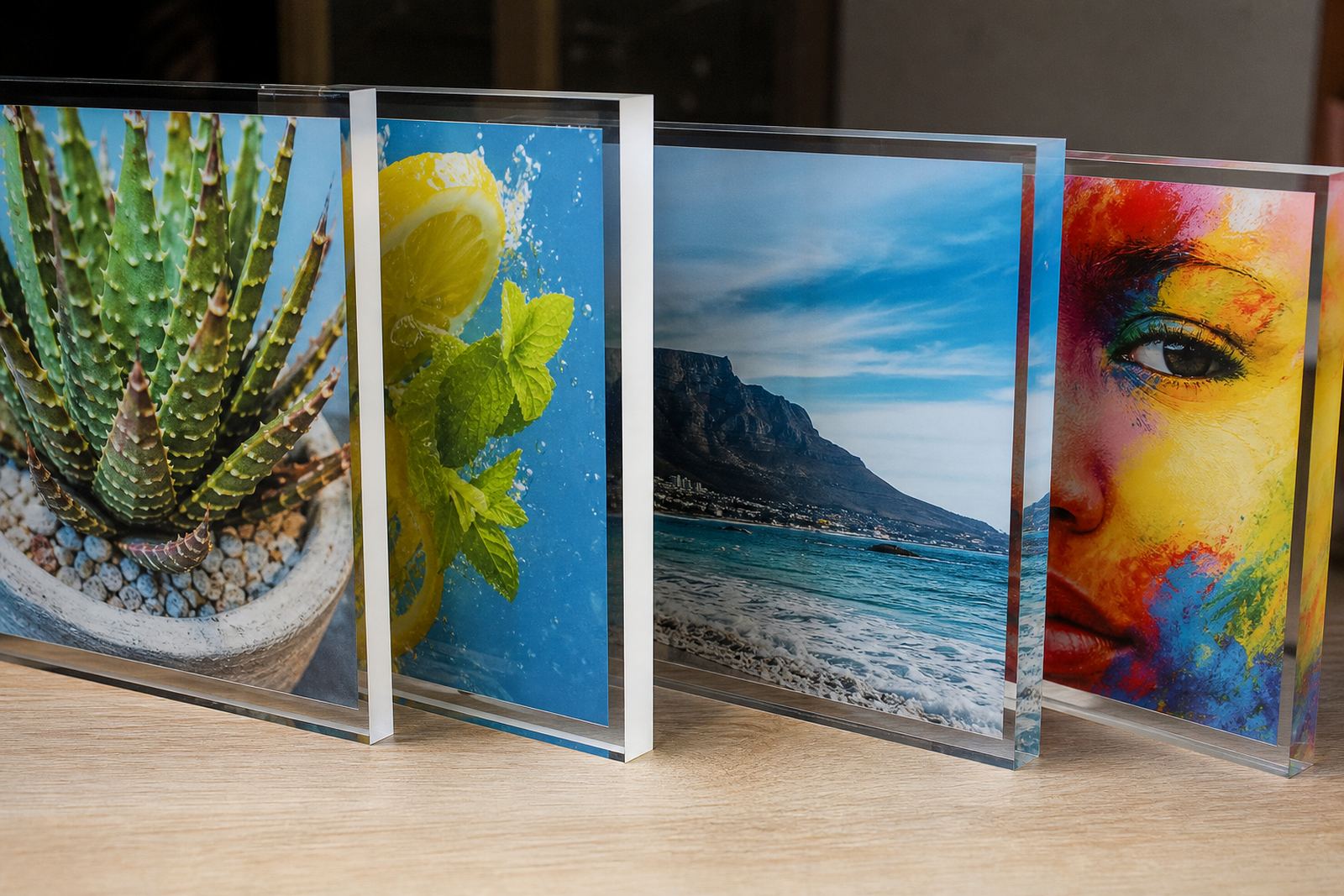
The same print file can finish differently on two materials. A smooth rigid board often gives cleaner edges and a more even sheen. A textured or absorbent sheet can soften the look, which may be useful for some displays but less ideal for fine text or very sharp graphics. Coastal humidity in places like Durban or Gqeberha can also affect how a sheet behaves before and after curing, especially if it has been stored in a warm room or near an open loading bay.
Operators should watch for the way ink sits on the surface. Some media show a slight raised feel after printing, while others accept the ink in a flatter way. If the job is for a shopfront, exhibition stand or wayfinding panel, the finish needs to match the use. A glossy look may suit a high-visibility retail piece, while a more controlled matt finish can reduce glare in bright indoor spaces.
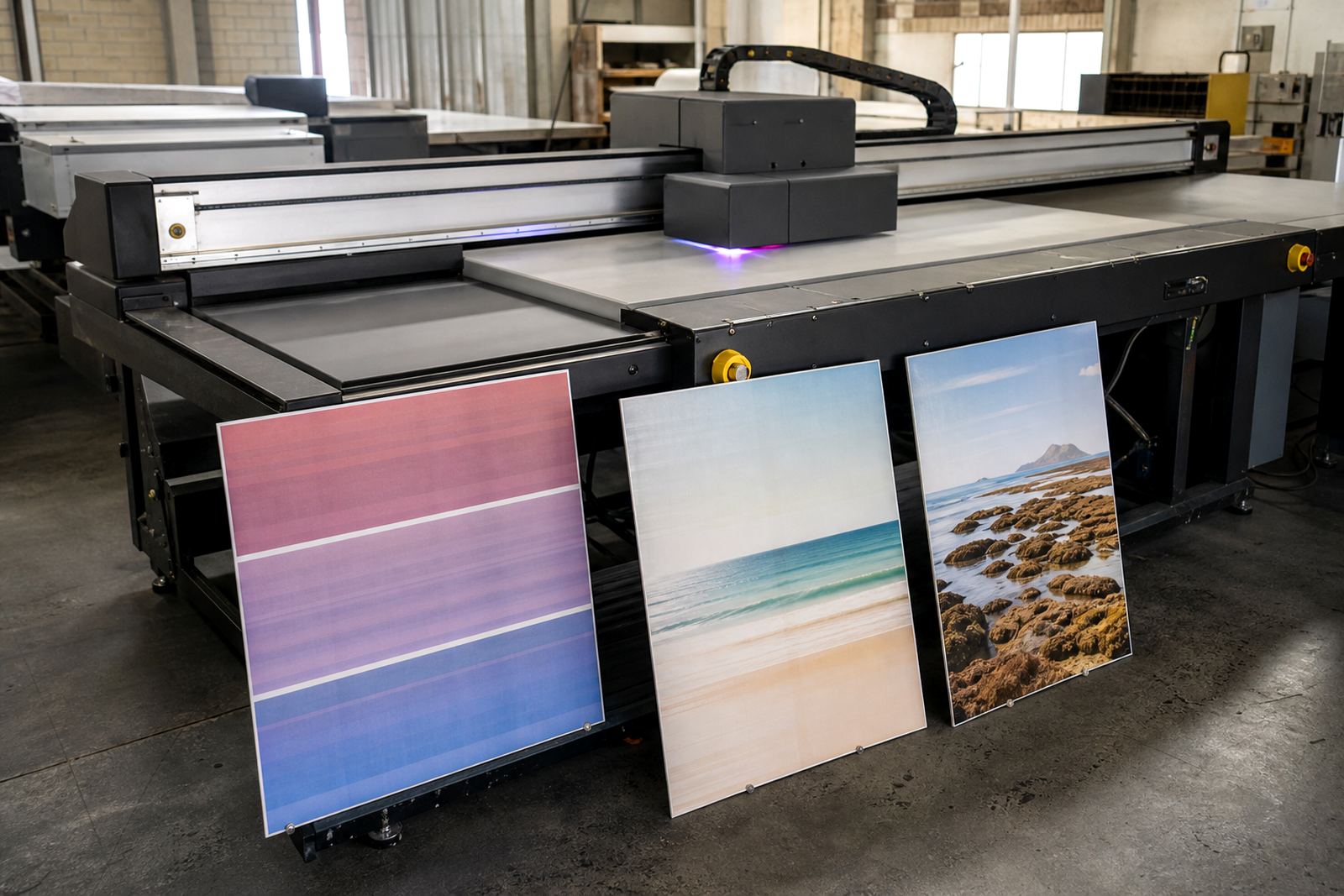
Colour guidance is part of this too. Deep blacks and strong reds often reveal uneven cure more clearly than pale tones, so a full-colour sample is worth checking before production continues.
Job readiness depends on handling, not just drying time
Many print faults happen after the sheet leaves the printer. A print can appear dry enough, but still mark if it is stacked too soon, cut before it settles or carried without proper support. The cure stage should be matched to the next step in the workflow, whether that is trimming, drilling, mounting or dispatch.
For teams running flatbed UV work in Germiston or anywhere else on the East Rand, the practical question is always the same: is the print ready for the next person in the chain? If it is going to a client site in Pretoria or Johannesburg, it should be able to withstand handling in the truck and on site without picking up marks.
- Allow printed boards to rest before packing when the finish is still sensitive.
- Use clean gloves or clean hands when moving fresh output.
- Keep sheets flat so corners do not rub against each other.
- Separate newly printed work from finished stock and scrap.
A local example from a busy Gauteng print floor
Take a simple retail signage order in Germiston. The print room receives rigid boards for a store update due the next morning. The file looks fine, the colour is approved and the print comes off the machine looking strong. But if the cure is not checked before packing, the boards can pick up pressure marks where they touch in transit.
That is where a practical workflow matters. The team checks the surface, confirms the finish at the edges and makes sure the boards are ready for cutting and loading. If one sheet needs a little more time than the others, it stays back. That small delay can prevent a damaged job on arrival and a call back from site.
This kind of control is useful across South Africa, whether the job is heading to a store in Cape Town, a venue in Durban or a municipal site in Centurion. The delivery point changes, but the need for a clean finish does not.
Preventive checks that protect appearance and turnaround
Finish problems are often linked to small routine issues rather than one major fault. A clean print table, stable room conditions and regular inspection of the workflow all help keep curing consistent. If the output starts looking uneven, the team should look at media storage, ink handling and whether the curing stage is being rushed because of load-shedding or a tight dispatch window.
Useful checks before a production run include:
- Confirm the media is clean, flat and stored away from dust.
- Check whether the room temperature or humidity has changed since the last job.
- Review the first printed sheet before continuing the full batch.
- Make sure cutting and packing staff know how long the sheets need before handling.
Service and training also help. When operators understand how cure affects surface appearance they can catch small problems early, before they become reprints or installation delays.
Why finish matters as much as colour
A print job is not ready because it is only colourful. It is ready when the surface looks right, feels stable and can move through the next stage without damage. That is what curing controls. It influences gloss, matt effect, touch, stacking and how the print behaves on site.
For flatbed UV users working with rigid boards and signage, the best habit is to treat curing as part of quality control, not a separate afterthought. A short inspection now can save time later, and on a busy production floor that is often the difference between a clean handover and a problem job.