
Why the board matters before the print starts
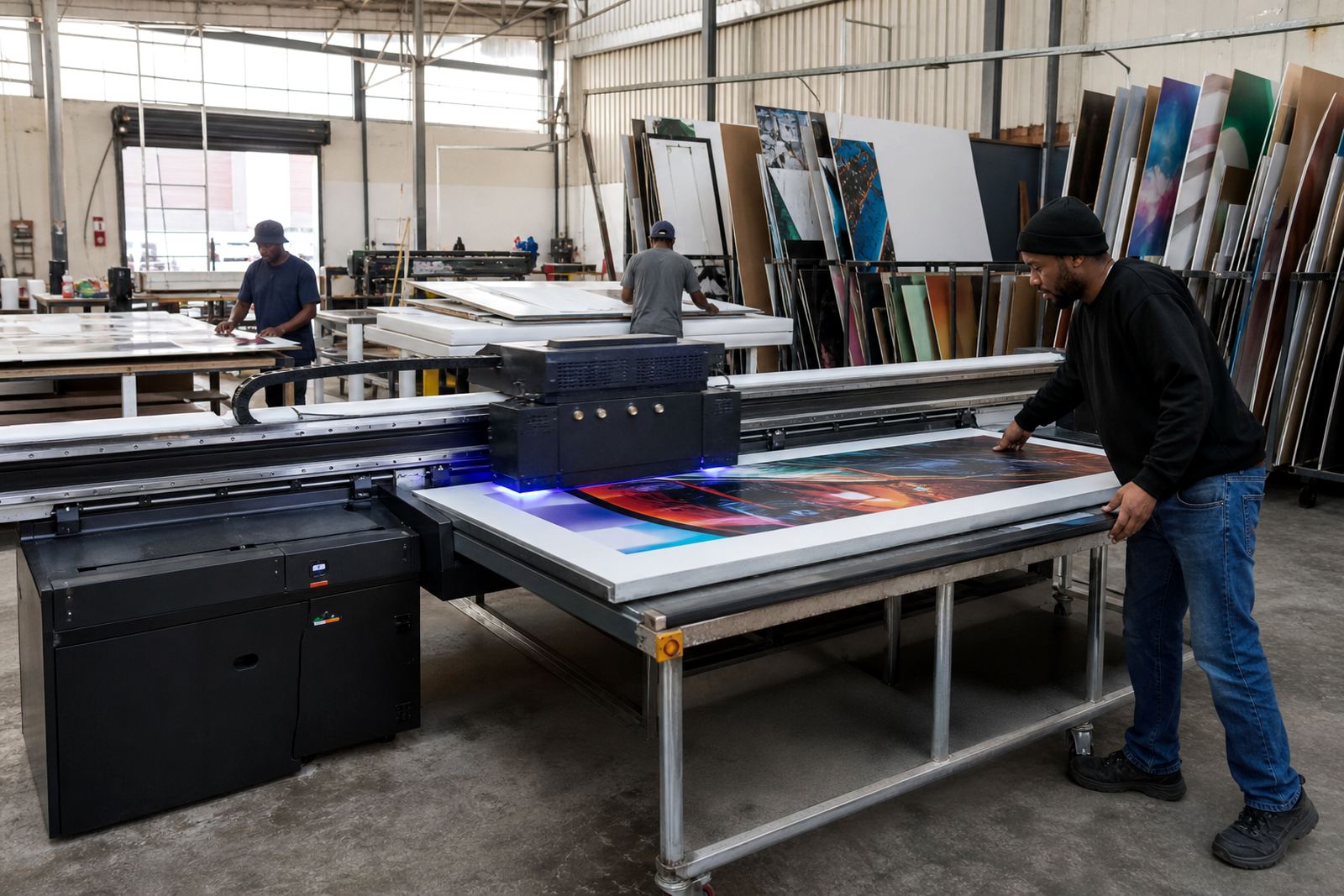
Flatbed UV printing is often chosen for rigid boards because the printer can place ink directly onto a flat surface and cure it as it prints. That makes it useful for signs, panels, promotional displays and many short-run jobs where timing matters. But the media choice is just as important as the printer setup. A board that is too flexible, too porous or poorly stored can lead to curling, pinholes, poor ink hold or a finish that looks uneven after installation.
In practical terms, the board has to suit the job, the site and the way it will be handled. A retail panel for an indoor mall in Sandton has different needs to an outdoor sign in Germiston or a temporary event board in Durban where humidity can be high. The right call starts with thickness, surface smoothness, weight and how the board will be fixed. That is where media testing pays off.
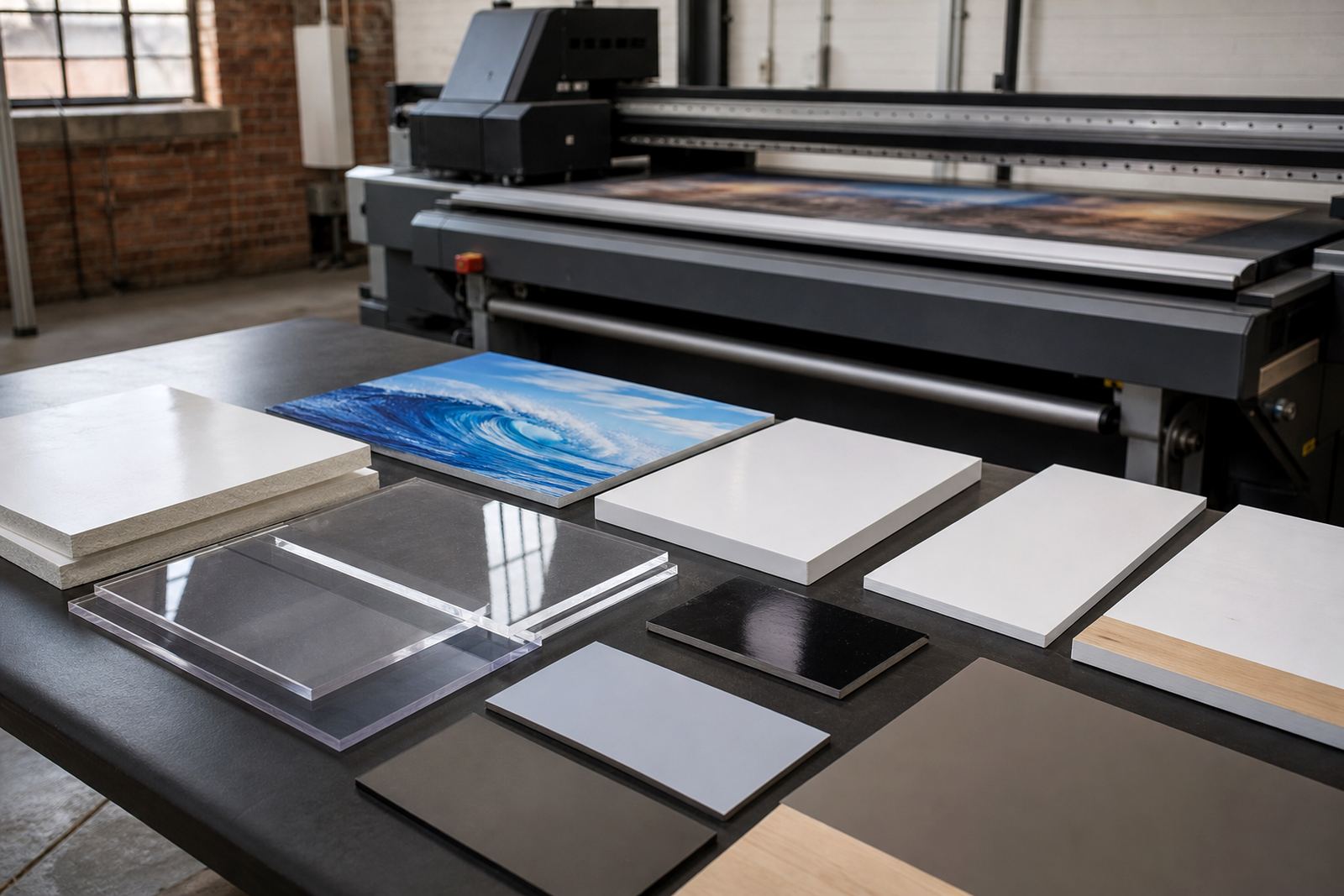
Common rigid boards used in flatbed UV workflows
Most shops keep a few board types in regular use because each one behaves differently under print, cutting and installation. Here are the ones you will see most often:
- Foam PVC: A light board with a smooth face, often used for indoor signage, point-of-sale panels and exhibition graphics. It cuts easily and is simple to mount.
- Fluted polypropylene: A corrugated plastic sheet that is light and practical for temporary signs, construction notices and event boards. It is handy when budget and speed matter.
- Acrylic: Used when a cleaner, harder finish is needed. It can give strong colour and a polished look for premium displays, but it needs careful handling during production and fixing.
- Aluminium composite board: A layered panel often chosen for long-life signage. It is flat, stable and widely used for fascia signs and outdoor panels.
- Foamed board with paper face: Useful for certain indoor applications where a smooth print surface is needed for short-term displays and presentation work.
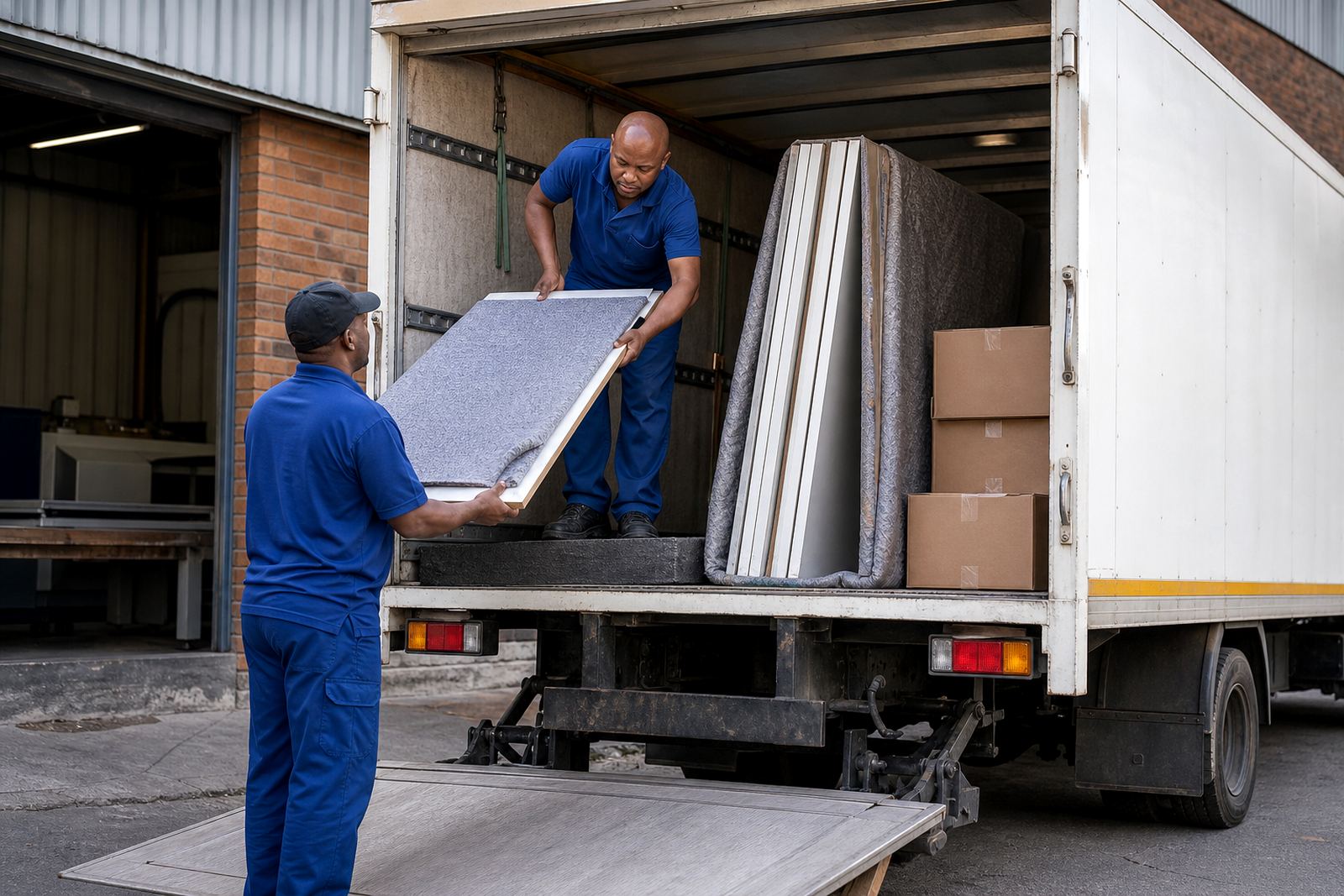
Not every rigid media is suited to every application. Some boards need better surface preparation, some need more support during transport, and some need extra care when exposure to sun and moisture is expected. A board that performs well in Pretoria may not be the best choice for a coastal install in Cape Town if the mounting method is weak.
Surface, thickness and finish affect the result
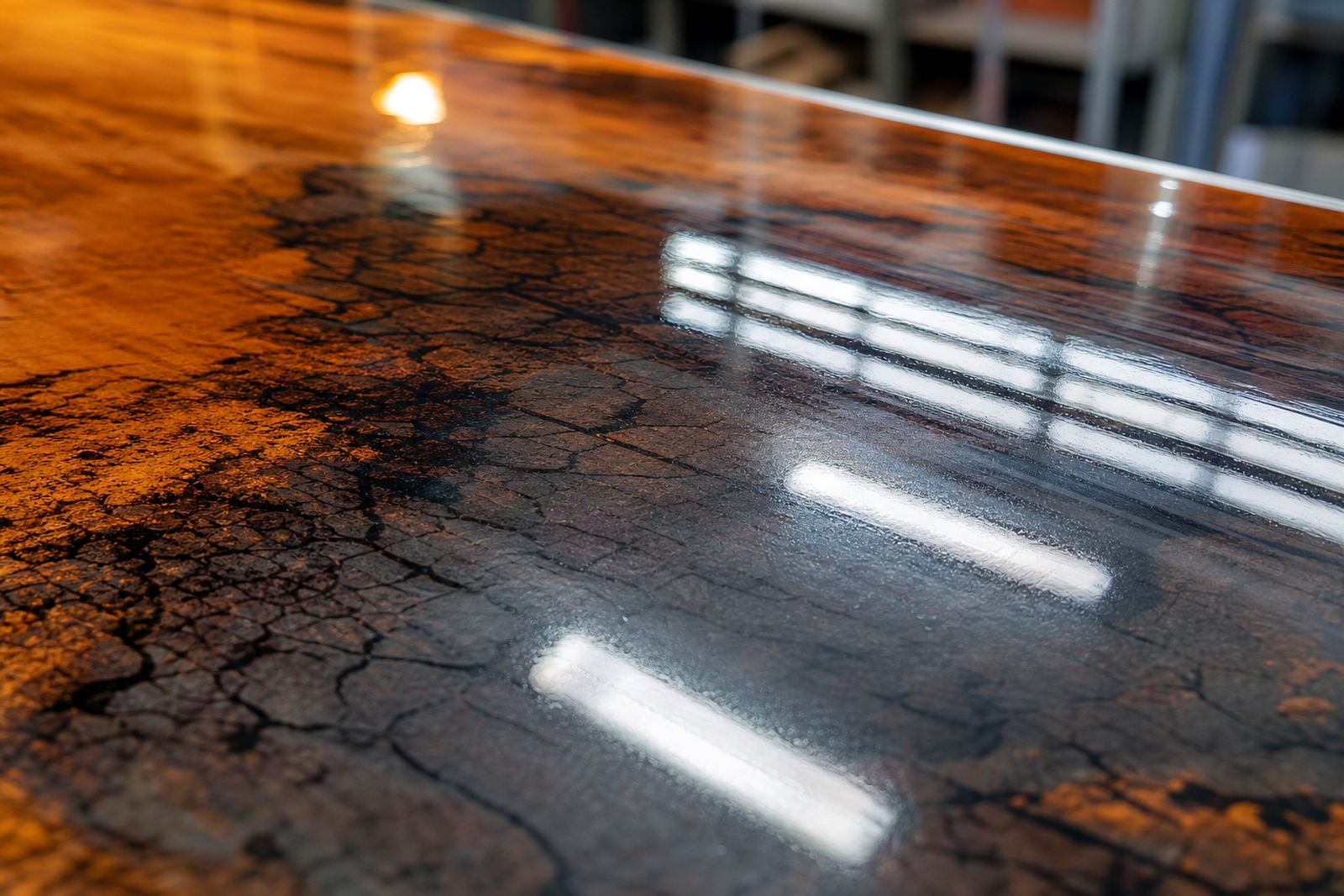
The printer can only work with the surface it is given. Smooth, clean boards usually produce sharper detail and more even colour. Rough or dusty sheets can cause patchy adhesion, small voids and a finish that does not hold up well in handling. Thickness also matters because thinner boards may flex during print or after cutting, while thicker boards can be more stable but heavier to move and fit.
For many jobs, the decision comes down to where the panel will live. Indoor boards can be lighter and more economical. Outdoor signs often need better weather resistance and more stable fixing. In a humid area, boards stored against a wall or near a loading bay can take up moisture and shift slightly before printing. That is why proper storage is part of the workflow, not just an afterthought.
- Store boards flat on a clean surface.
- Keep them out of direct sun and standing damp.
- Let cold stock settle in the print room before use.
- Check for dust, bowing and edge damage before loading.
Ink, adhesion and curing on rigid media
Flatbed UV inks cure under UV light and form a printed layer on the surface of the board. On rigid media, the surface energy and texture of the sheet have a direct effect on adhesion. Some boards accept ink easily. Others may need testing, cleaning or a primer step depending on the finish required. If a job needs heavy handling, edge trimming or outdoor exposure, the bond between ink and media becomes even more important.
Good workflow includes trial prints, a quick rub test and a close look at solid colour blocks and fine text. If the board is being used for a municipal notice, retail display or directional sign, legibility matters as much as colour. The print should stay readable under bright light and not scuff too quickly during transport or installation. For some work, a second side print or white ink layer may be needed, but that depends on the board and the end use.
Choosing the right board for the job in South Africa
South African conditions can be hard on signage. Load-shedding can interrupt production timing, coastal humidity can affect storage, and outdoor installations must cope with sun, wind and dust. A board that is easy to print is not always the one that will last longest on site. The best choice balances cost, appearance and service life.
For example, a Germiston print shop producing retail panels for Johannesburg may use a light board for speed and easy installation. A project for Durban might need a more stable substrate because of moisture in the air. In Cape Town, boards for outdoor use may need stronger mounting and careful edge sealing. The same applies in Gqeberha, where wind exposure can be a factor on open sites.
- Short-term indoor: fluted polypropylene or lightweight foam board.
- Retail and exhibition: foam PVC or acrylic, depending on finish.
- Outdoor fascia and durable signage: aluminium composite board or another stable exterior-grade panel.
- Special finishes: test first if you need high gloss, white ink or double-sided print.
A simple workflow that saves time and waste
A clean rigid media workflow starts before the printer is switched on. First confirm the board type, thickness and final size. Then check how it will be cut, mounted and transported. If the job is going out to an installer, make sure everyone is working from the same plan so there are no surprises on site. A panel that is 2 mm out can turn into a fitting problem once it reaches the wall or frame.
It also helps to keep a small sample board library in the production area. That makes it easier to compare how different rigid boards react to print, handling and fixing. Staff can see the finish, feel the weight and check if a board needs special care. One extra sample can save a full run from being wasted, which is worth it when time is tight and the client needs signoff quickly.
At Flatbed UV, that kind of planning supports installation, operator training, colour guidance and media testing. It also helps when a customer needs spares coordination, breakdown support or remote support later on. A good print result starts with the board, but it also depends on the way the job is set up from the beginning.