Start with the site rules, not the artwork
For short deadline event work, the first question is not what size looks best but where the display will live. A board for a mall activation in Sandton has very different needs from a stand at a stadium in Durban or a roadshow stop in Gqeberha. Before any print file is approved, confirm the venue rules, fire requirements, fixing points, access times and any limitations on drilling, freestanding frames or adhesive use.
Rigid event graphics often fail when the site details arrive late. If the stand is on a tiled floor, a heavy base may be needed. If the display sits outdoors or near an open entrance, wind and moisture need to be considered. In coastal towns, humidity can affect storage and handling, so boards should be kept flat, dry and sealed from dust. It sounds basic but this step saves a lot of rework.
- Confirm event date, load-in time and access route early
- Check if the venue allows fixing, weighting or free-standing frames
- Measure lifts, doorways and vehicle offload points
- Ask who signs off artwork on site and how quickly they respond
Choose the right rigid media for the job
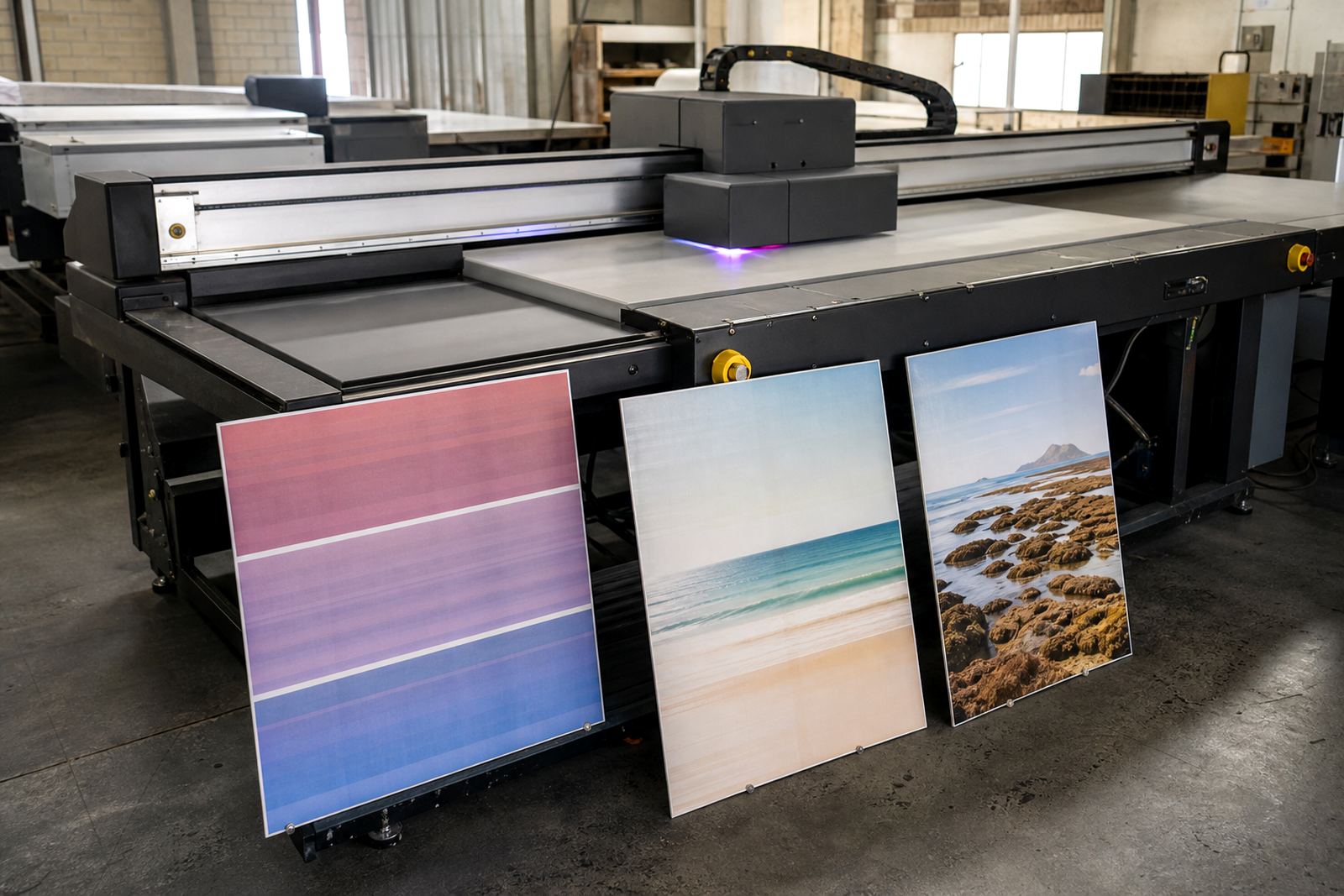
Flatbed UV printing is well suited to rigid boards because the print is cured directly onto the surface, which helps with durability and quick turnaround. The right media still matters. Foam board is light and easy to move, while corrugated board is useful for short-term indoor graphics. PVC board, acrylic and composite panels are better for heavier duty display work, especially where the piece must keep its shape during transport and installation.
For event graphics planning, it helps to match the board to the expected handling. A temporary exhibition sign may only need a lighter substrate. A branded feature wall or directional system at a conference can justify a stronger board that stays true across repeated use. If the board will be handled by several people, choose a surface that resists scuffing and edge damage. That one decision can prevent last-minute panic on the morning of the event.
- Lightweight boards for quick indoor setup and easy carrying
- Stronger rigid panels for repeat use and transport between venues
- Smoother faces for fine text and photographic detail
- Test offcuts first when colour or adhesion is critical
Build the workflow around one clean approval point
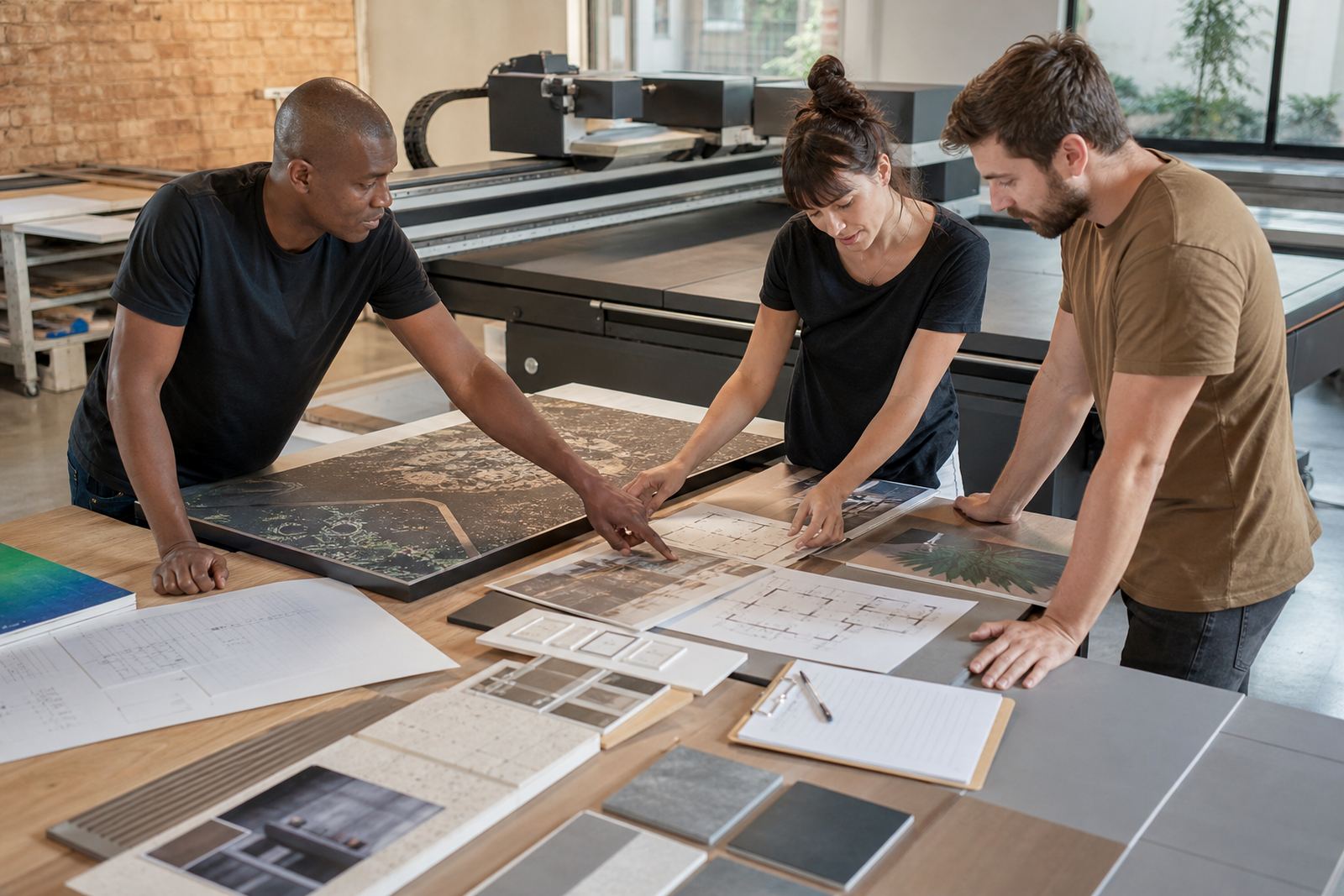
Tight deadlines get messy when artwork changes after production has started. A single approval point keeps the workflow moving. The client must sign off size, copy, colours, crop lines and orientation before the boards go to print. If there are multiple stakeholders, the final sign-off should come from one person. Otherwise you can end up with three versions of the same panel and no time to fix them.
For South African event teams, a good workflow usually includes a print-ready PDF, a checklist of board sizes and a clear note on where each panel will be used. If the display has arrows, numbering or repeated branding across multiple boards, label each file properly. That makes installation much faster on site, especially when the crew is working after hours or before doors open. A neat handover also helps if the venue changes access times at short notice.
- Lock artwork dimensions before colour proofing
- Use one final approval contact to avoid confusion
- Name files by board position and location
- Keep a printed packing list with the delivery
Plan for colour under event lighting
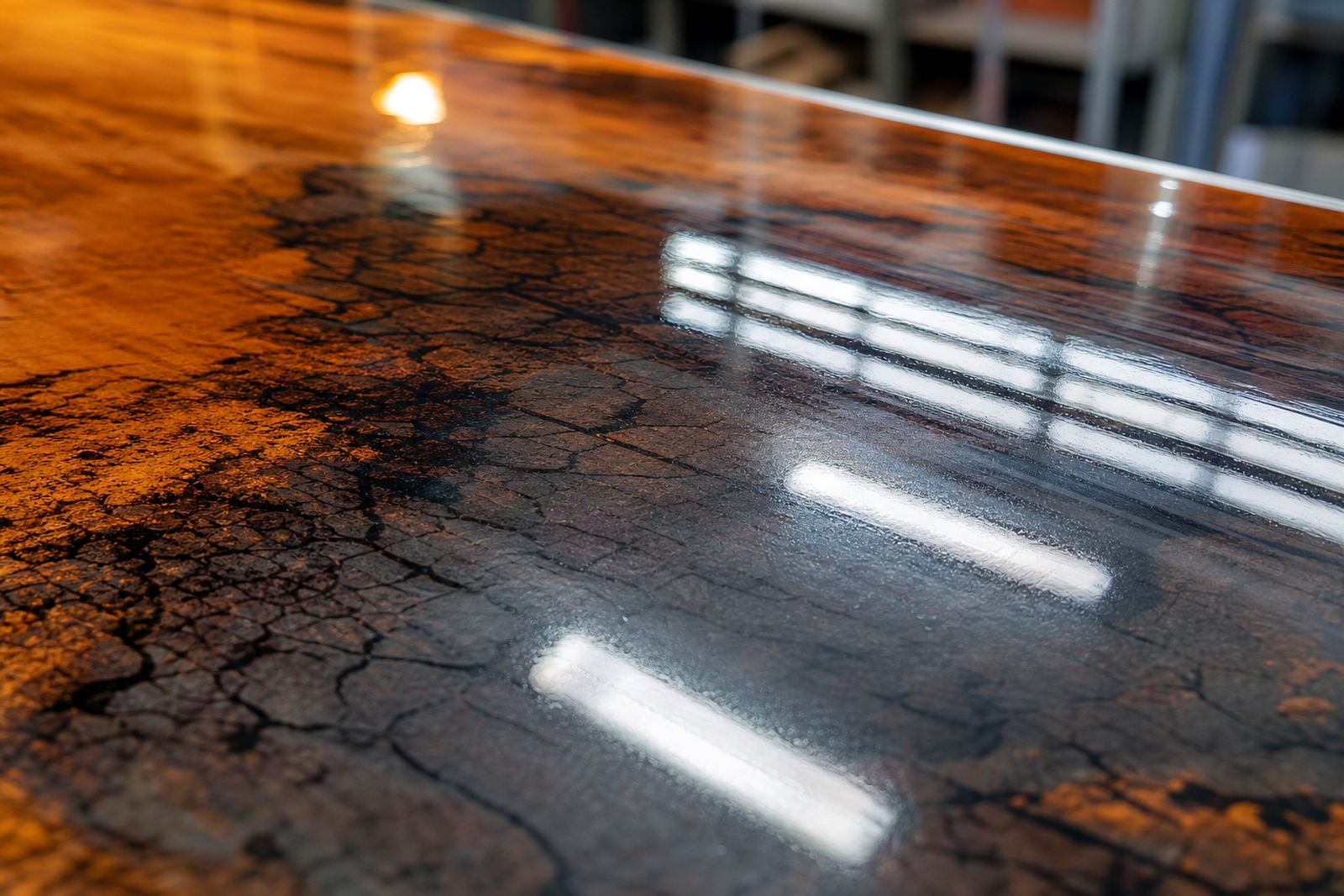
Event graphics are rarely viewed in perfect daylight. They sit under halogen, LED or mixed lighting, often beside shiny floors, screens and other branded elements. That means colour guidance matters. Deep blacks, reds and blues can shift under certain lights, while small text may lose clarity if contrast is too low. When time is tight, it is better to keep the design clean than to crowd it with too much detail.
UV inks are widely used for rigid work because they cure quickly and can produce strong colour on many board surfaces. Even so, the print condition should be checked against the intended use. A board that looks fine in the print room can appear too dark under venue lighting. For that reason, simple test prints and a short colour check are worth the extra few minutes. They help avoid that awkward moment when a sponsor logo or directional arrow looks off on the day.
Also think about the distance from which people will read the panel. Directional signage needs large type and high contrast. Feature graphics can carry more detail, but only if the viewing distance allows it.
Allow time for transport, packaging and install
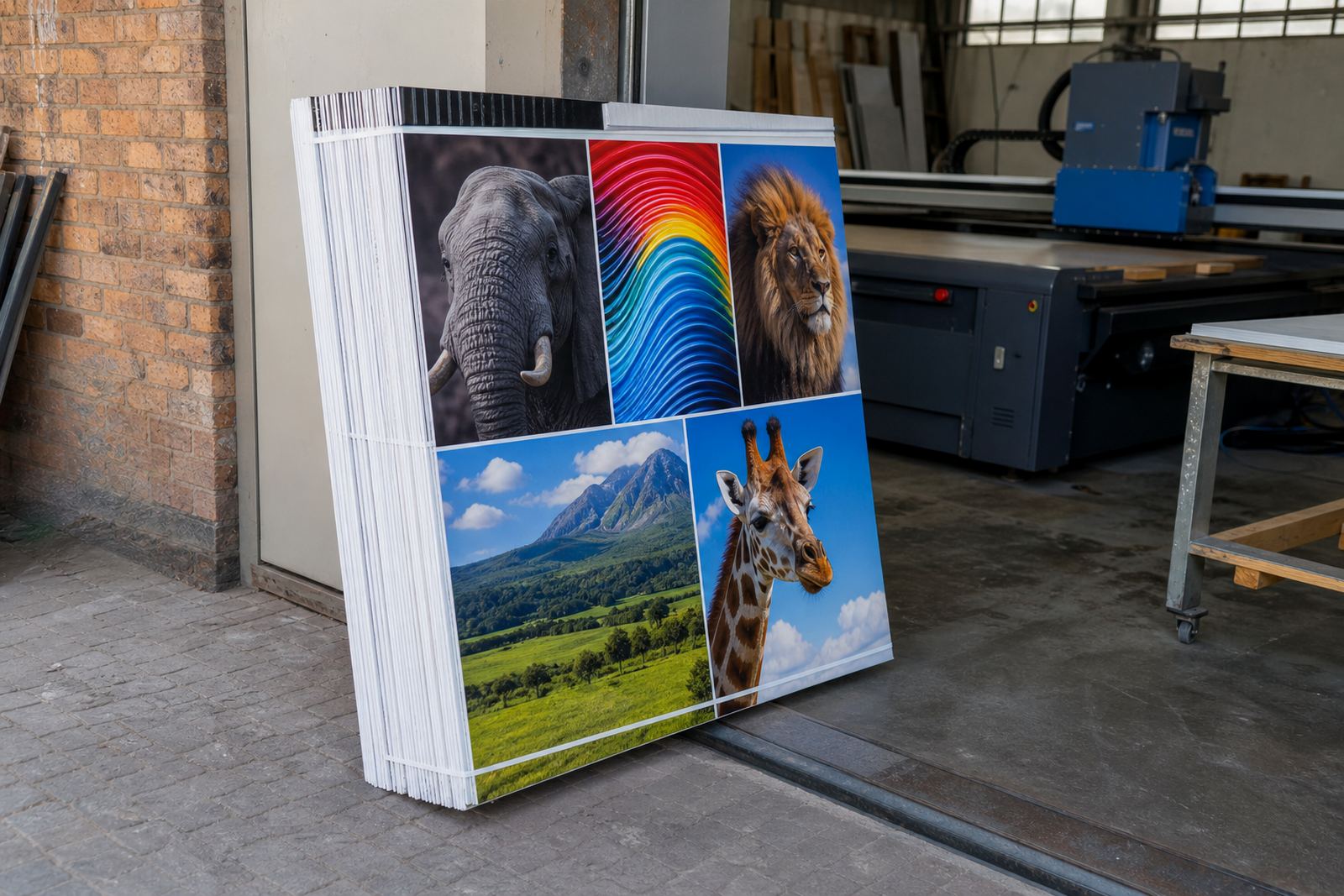
Rigid boards are not forgiving once they are printed. Edge knocks, moisture and bending can cause damage before the crew even reaches the venue. Short deadline jobs therefore need a proper packing method, even if the print turnaround is fast. Boards should be separated with clean sheets, stacked flat and loaded so the printed face is protected. In summer, a closed vehicle can get hot, so avoid leaving finished work in the sun while waiting for collection.
Installation should be planned as part of production, not after it. If the job needs wall fixings, stand-offs, double-sided tape or temporary frames, those items must be ready before the truck leaves. It also helps to include a small site kit with cloths, tape, blades and spare fixings. Event work often takes place in a hurry and the missing one small piece can delay the whole handover.
- Pack boards flat and protect printed faces from rub marks
- Keep fixings, tape and tools in one labelled kit
- Send install notes with the delivery or crew briefing
- Allow extra time for security checks and venue access
Use local support when the deadline is squeezed
When an event is being assembled in Johannesburg, Pretoria, Durban, Cape Town or Gqeberha, local support makes a real difference. A printer base in Germiston can handle urgent rigid board work for Gauteng and coordinate installation, training and production support across South Africa. That matters when a display needs last-minute colour guidance, media testing or breakdown help because the event date has moved up.
Our team works with printer installation, site preparation, operator training, workflow planning, preventive maintenance, remote support, ink handling help, spares coordination and production consulting. For event graphics, that support is especially useful when a team needs to produce a small batch of rigid boards quickly, then repeat the same standard across several branches or venues. Sibusiso Mthembu and the team focus on keeping production practical, so the handover is clear and the job gets done without drama. There is no time for guesswork when the venue opens at 8am.
Local example: a retail activation in Centurion may need directional boards, counter graphics and a branded back panel in the same week. If the files arrive late, the safest route is to confirm the site measurements first, choose a suitable rigid media, lock one approval and print a small test before the full run. That simple sequence cuts waste and keeps the stand ready on time.