Why foam board works for indoor signage and displays
Foam board is often chosen for indoor print work because it is light, flat and easy to cut to size. For shops, trade counters, exhibitions and office use, it gives a tidy finish without the weight of timber or the cost of heavier rigid media. It is also convenient when you need several boards for a campaign, since the material is simple to move, store and install.
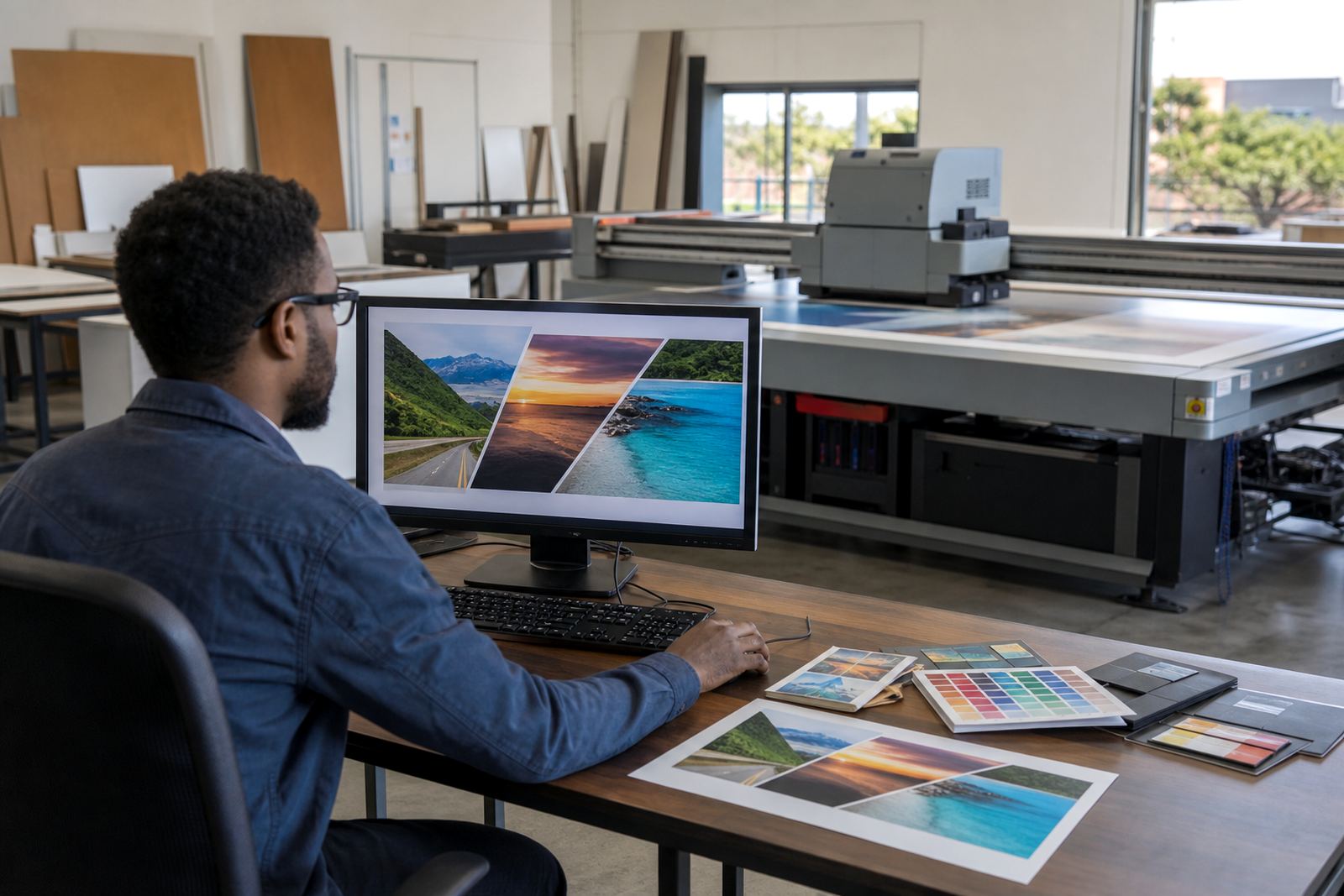
Flatbed UV printing allows artwork to be placed directly onto the board surface, which suits foam board when the aim is clear graphics, text and logos. The print sits on the sheet rather than being wrapped around it, so the final result stays clean at the edges. For this reason, foam board is often used for menu boards, event direction signs, promotional panels and display graphics in stores or showrooms.
In South Africa, this material is especially useful where signage needs to be changed often. A retailer in Sandton might need one run for a weekend promotion, while an event team in Cape Town may want directional signs for a three day conference. Foam board gives a neat presentation without the burden of heavy handling.
Choosing the right finish for your board
The right finish depends on how the board will be viewed and where it will be placed. A matt finish helps reduce glare under bright lights, which is useful in malls, reception areas and exhibition halls. A smoother, more reflective finish can suit images where colour and contrast need a stronger visual pop, though care must be taken with lighting angles.
When planning a foam board print, it helps to think about the viewing distance. Large text, simple icons and clear spacing are usually the safest choice for signs that people must read quickly. More detailed artwork can work too, but it needs a clean layout so the board does not feel crowded. This is one area where colour guidance matters, especially if the board will sit next to other printed items in the same campaign.
- Use strong contrast between background and text for quick reading.
- Keep important details away from the edge so trimming does not affect the layout.
- Ask for a test print if the board includes fine text, pale colours or a repeated pattern.
- Check the final use before choosing gloss or matt, since lighting can change the look of the print.
Handling foam board without damaging the edges
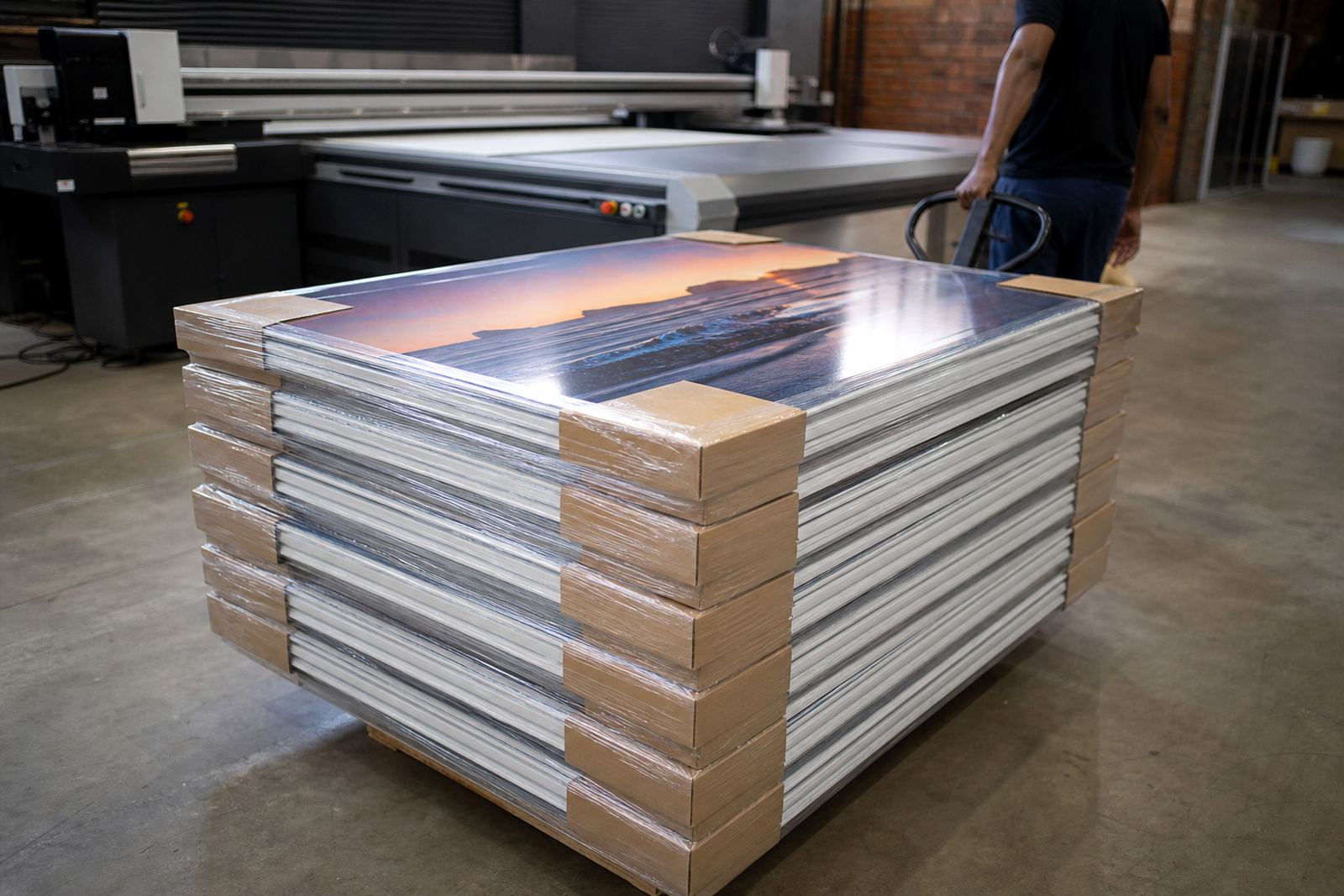
Foam board is easy to carry, but it can dent if it is bent or leaned against rough surfaces. The edges are often the first part to suffer, so it is best to move boards flat and keep them away from sharp corners. On larger jobs, the team should plan the route from production to site before loading, especially if the boards need to travel through narrow doors or lift areas.
Humidity can also affect display work, particularly in coastal towns such as Durban and Gqeberha where the air stays damp for much of the year. Foam board should be stored in a dry area, away from standing water and direct heat. If a board is going into a venue with strong air conditioning or changing temperatures, allow it to settle before fixing it in place. That small step can help reduce bowing and edge lift.
For installers and operators, good workflow matters. A clean table, careful stacking and proper support during trimming all help protect the sheet. Even a good print can be let down by rough handling, so the finishing stage deserves as much attention as the print itself.
Where foam board fits best in real day to day use
Foam board is suited to many indoor applications where appearance matters and weight must stay low. It is common in retail displays, product launches, gallery labels, school notices, internal office signs and presentation boards. It can also be useful for temporary wayfinding at conferences or roadshows, where signs may only be needed for a few days.
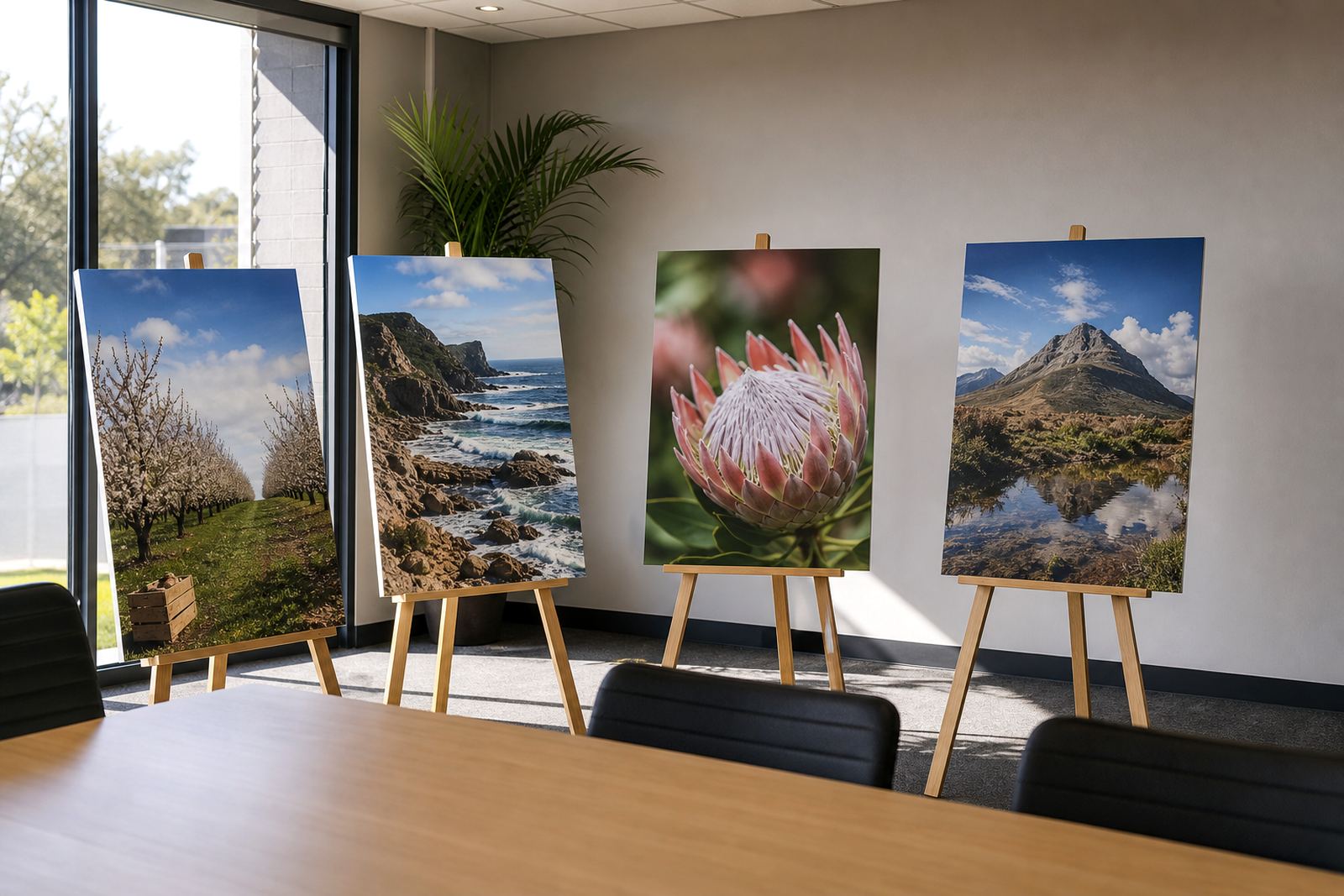
Because the material is light, it can be mounted in different ways depending on the site. Some boards are pinned, some are hung, and others stand on easels or fitted into simple display frames. The best option depends on how often the message will change and whether the board needs to be reused. For a short campaign in Pretoria, for example, a store might choose removable display mounts so the board can be taken down after the promotion without damage.
- Retail counters for special offers and product launches.
- Exhibition panels and indoor directional signage.
- Presentation boards for meetings, pitches and training rooms.
- Menu or price boards for controlled indoor areas.
What to check before sending artwork for print
Good foam board results start with clear artwork. Files should be checked for spelling, image quality and correct sizing before print begins. Small text can become difficult to read if the layout is compressed, and low quality images may look soft on a clean board surface. It is worth confirming whether the board will be viewed close up or from across a room, since that changes the scale of the type and graphics.
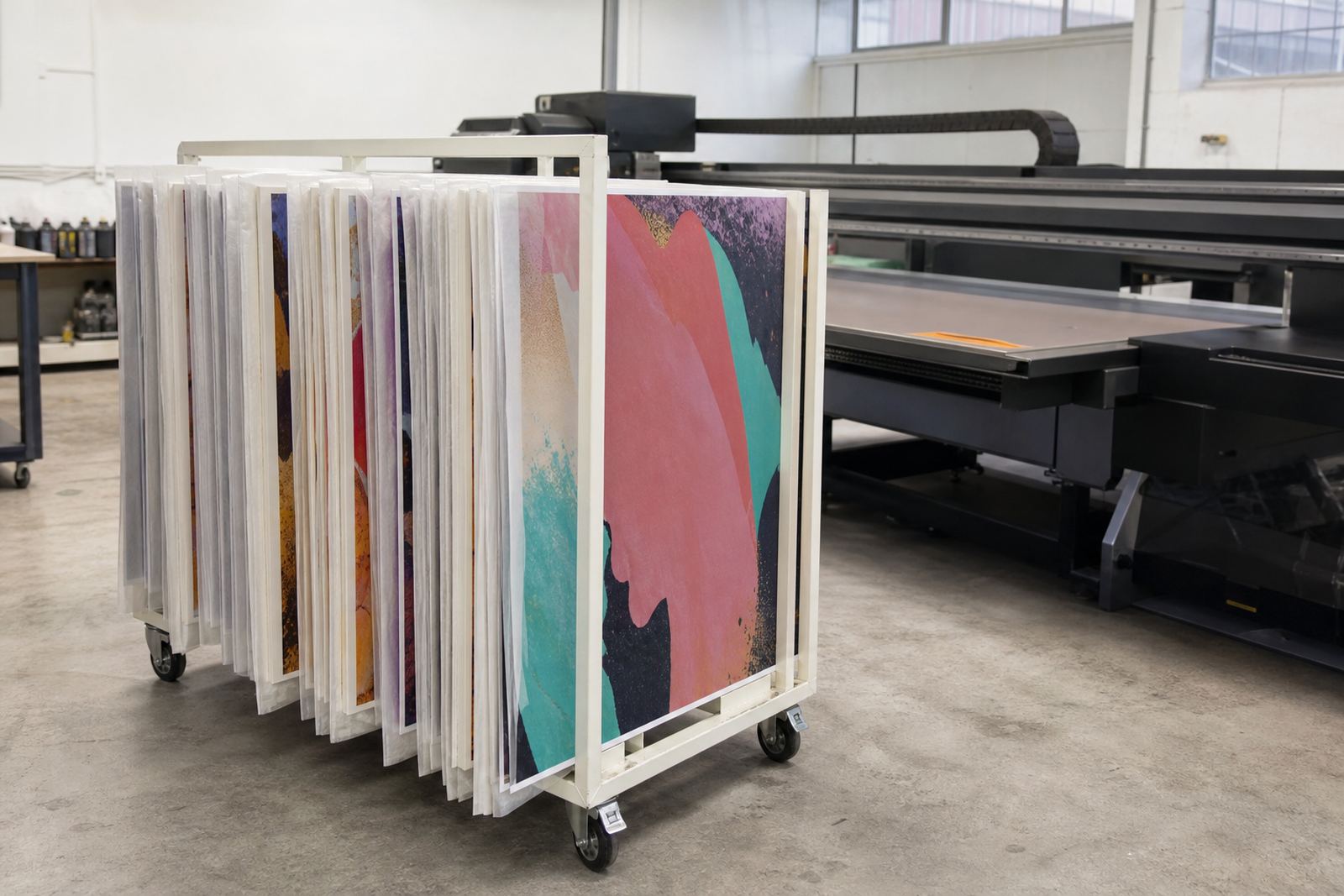
When a job includes multiple boards, consistency becomes important. Colour should stay even from one panel to the next, and any repeating elements need to line up in a sensible way. If the campaign includes different branches or product ranges, workflow planning helps keep the sequence clear. That saves time during installation and avoids confusion on site.
In Germiston and across the East Rand, many businesses need signs that can be produced quickly, delivered safely and installed without fuss. A well planned foam board job should take into account the route from the print area to the site, the mounting method and the time available for setup. Those practical steps can save a lot of trouble later.
Support, training and maintenance for ongoing print work
Foam board printing is only one part of a broader production flow. If a business is running regular signage jobs, the printer setup, operator training and material handling all need to work together. That includes colour guidance, media testing and keeping spare items in order so production does not stall when a board run comes in at short notice.
Flatbed UV printer support is useful when teams need help with installation, site preparation, workflow planning or breakdown support. The same applies to remote support and ink handling help, especially where a production room is busy or staff are still learning the best way to manage rigid boards. Preventive maintenance also matters because a steady print room is easier to plan around than one that keeps losing time to faults.
Flatbed UV is based in Germiston, Gauteng and supports businesses across South Africa, including Johannesburg, Pretoria, Durban, Cape Town and Gqeberha. If your foam board work is part of a larger signage schedule, the right setup can make the whole process smoother from first file to final install.