
Why flatbed UV still suits signage work
Signage is rarely one-size-fits-all. A shop front panel, a direction board for an office park and a display for a roadshow all need different substrates, different finishes and different turnaround times. Flatbed UV printing is well suited to that mix because it prints directly onto rigid media and gives signage producers more control over the final result.
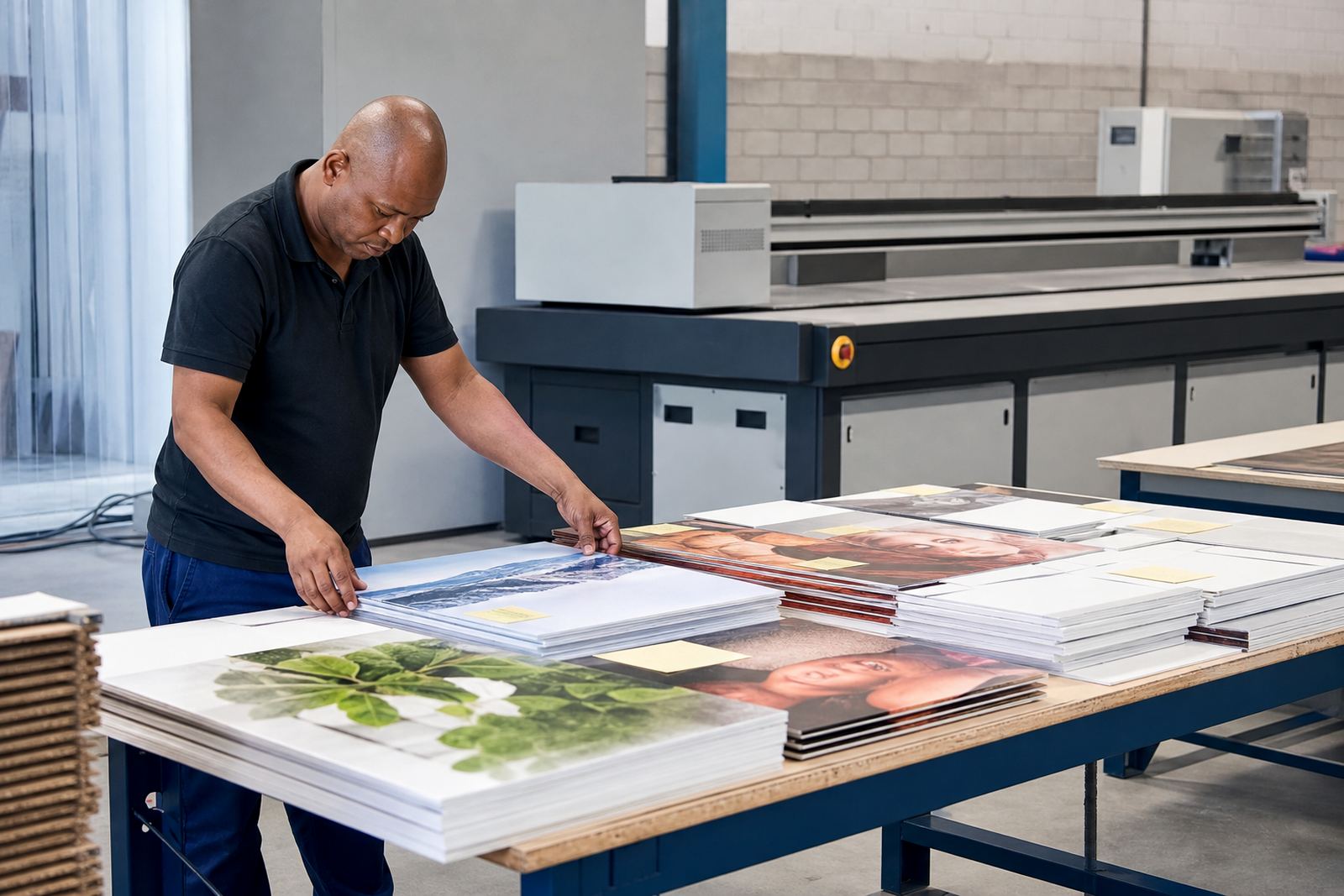
For many South African print shops, the appeal is practical rather than flashy. You can move from PVC board to foam board, acrylic, composite board or other rigid sheets with less handling than you would need for mounting a print after the fact. That can save time, reduce the risk of creasing, and simplify a workflow that already has to deal with short lead times and sudden changes from clients.
UV cured inks are also useful where the job must go out quickly. Once cured, the print is ready for finishing sooner, which helps when a client in Johannesburg wants panels for a promotion on Friday and the site team is waiting for installation. It is not magic, just a cleaner way to keep production moving.
What signage producers should look at before choosing media
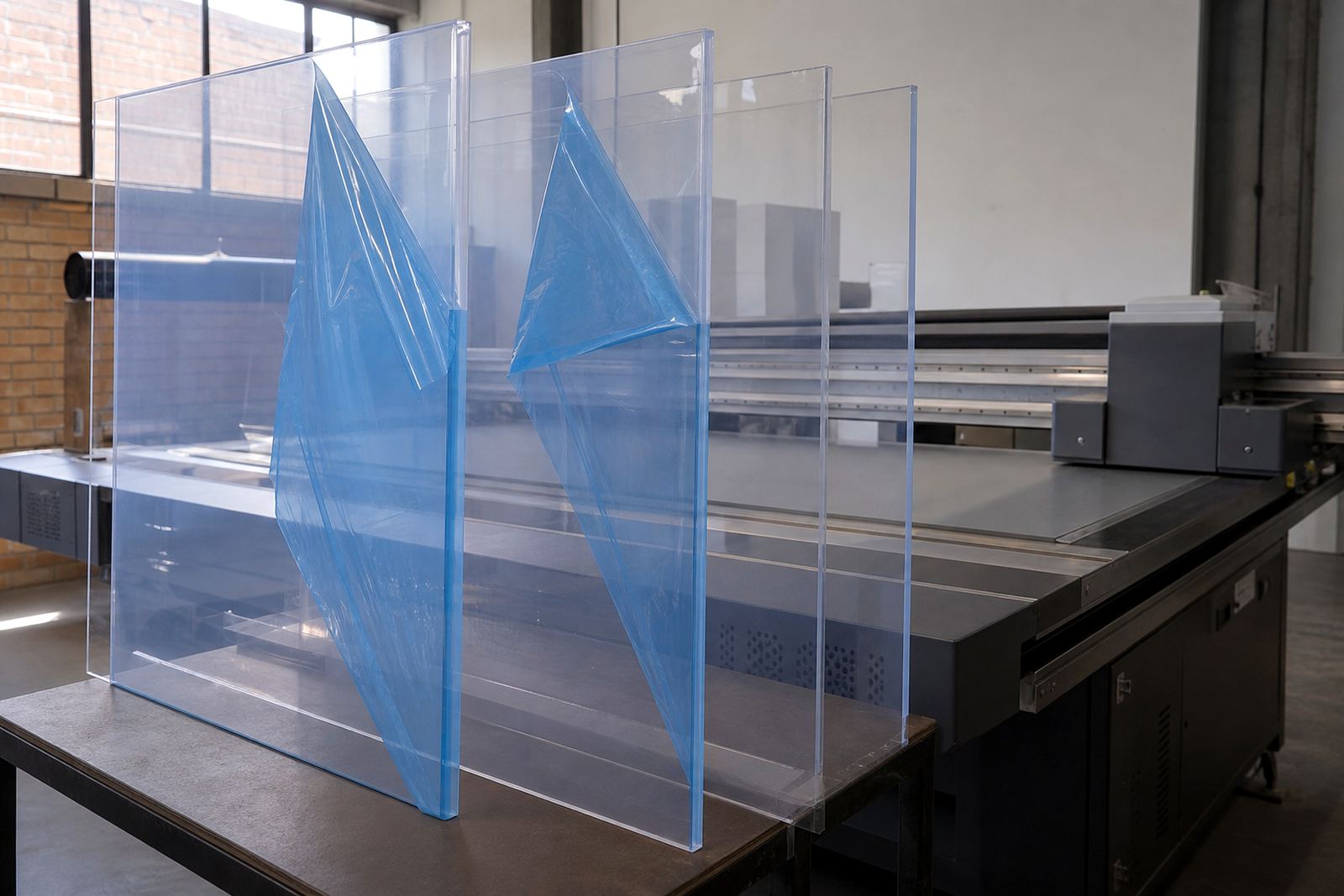
The quality of the print matters, but the media does too. Rigid boards vary in thickness, surface texture and stiffness, and each one behaves differently under UV ink. A smooth sheet may show crisp detail, while a more open or uneven surface can need testing before a full run. In humid coastal areas like Durban or Gqeberha, storage and handling matter as much as the print room settings.
Before committing to a large order, it helps to test the board and confirm whether it will be used indoors, outdoors or in a mixed environment. Outdoor signage may need better weather resistance, while indoor panels may prioritise colour accuracy and clean edges. If a board is being cut, drilled or mounted after printing, the production team should factor that in early so the ink layer and the substrate can cope with the handling.
- Check board thickness and flatness before loading into production.
- Confirm whether the sign will face direct sun, shade or indoor light.
- Test print on the chosen media before a full run.
- Plan for cutting, routing, drilling or mounting after print.
- Store media flat and dry, especially in high humidity areas.
Ink handling, colour and day-to-day consistency
Flatbed UV work depends on consistent ink handling and a steady workflow. Operators need to know how to store consumables properly, keep the machine clean and watch for changes in print quality before a job goes off track. Dust, poor storage and rushed maintenance can show up very quickly on signage, especially when you are printing solid colours or fine text.
Colour guidance is another part of the job that is easy to underestimate. A sign that looks fine on screen may print differently on a matte board than on a gloss surface. Production teams need a simple way to check colour, density and registration from job to job, so the customer sees the same result on the second batch as on the first. That matters for franchises, estates and retail groups that need repeat work across multiple sites.
In our experience, the best results come from a disciplined setup rather than trying to push every job through the same settings. One job may need a careful test strip, another may need adjusted curing or a different pass strategy. Small changes can make the difference between a board that holds up and one that looks tired after a few weeks.
Workflow planning that keeps the print room moving
A flatbed UV printer works best when the whole production flow is planned properly. That means more than loading a board and pressing start. Site preparation, operator training, media testing and preventive maintenance all play a part. If the print room is cramped, if boards are handled too many times, or if the operator has to guess the next step, the work slows down and waste goes up.
For a Germiston base serving Johannesburg, Pretoria, Centurion and the East Rand, workflow planning also means preparing for load-shedding and power interruptions. A print room cannot afford to lose a job halfway through because no one planned for downtime. Teams should keep a clear queue, set job priorities and know what can be paused safely and what must be completed in one run.
- Keep raw boards and finished work in separate areas.
- Set a clear loading, printing and finishing sequence.
- Train operators to spot early signs of print or alignment issues.
- Keep a basic maintenance schedule for cleaning and inspection.
- Use a backup plan for power interruptions and urgent jobs.
A local example from Germiston to the coast
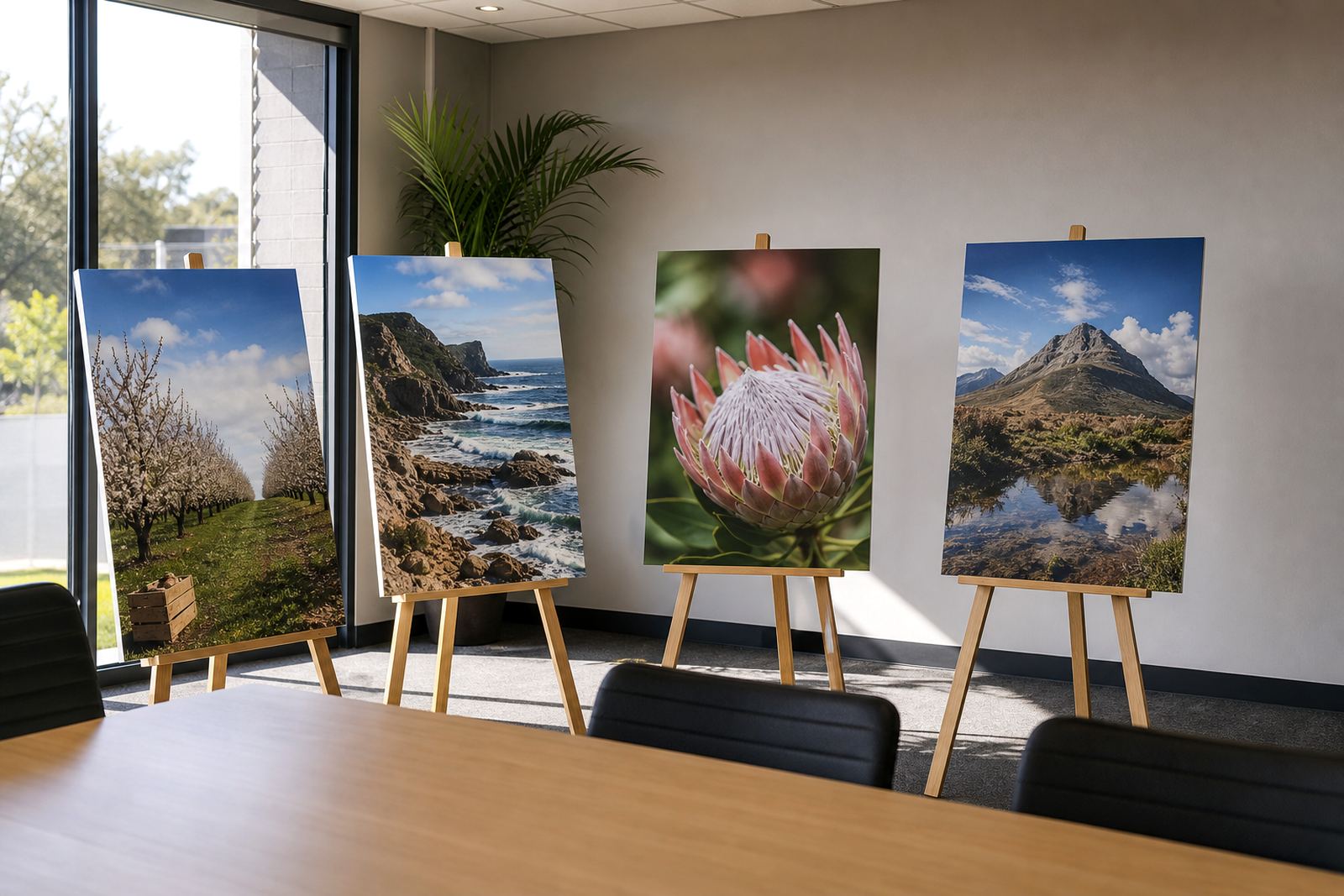
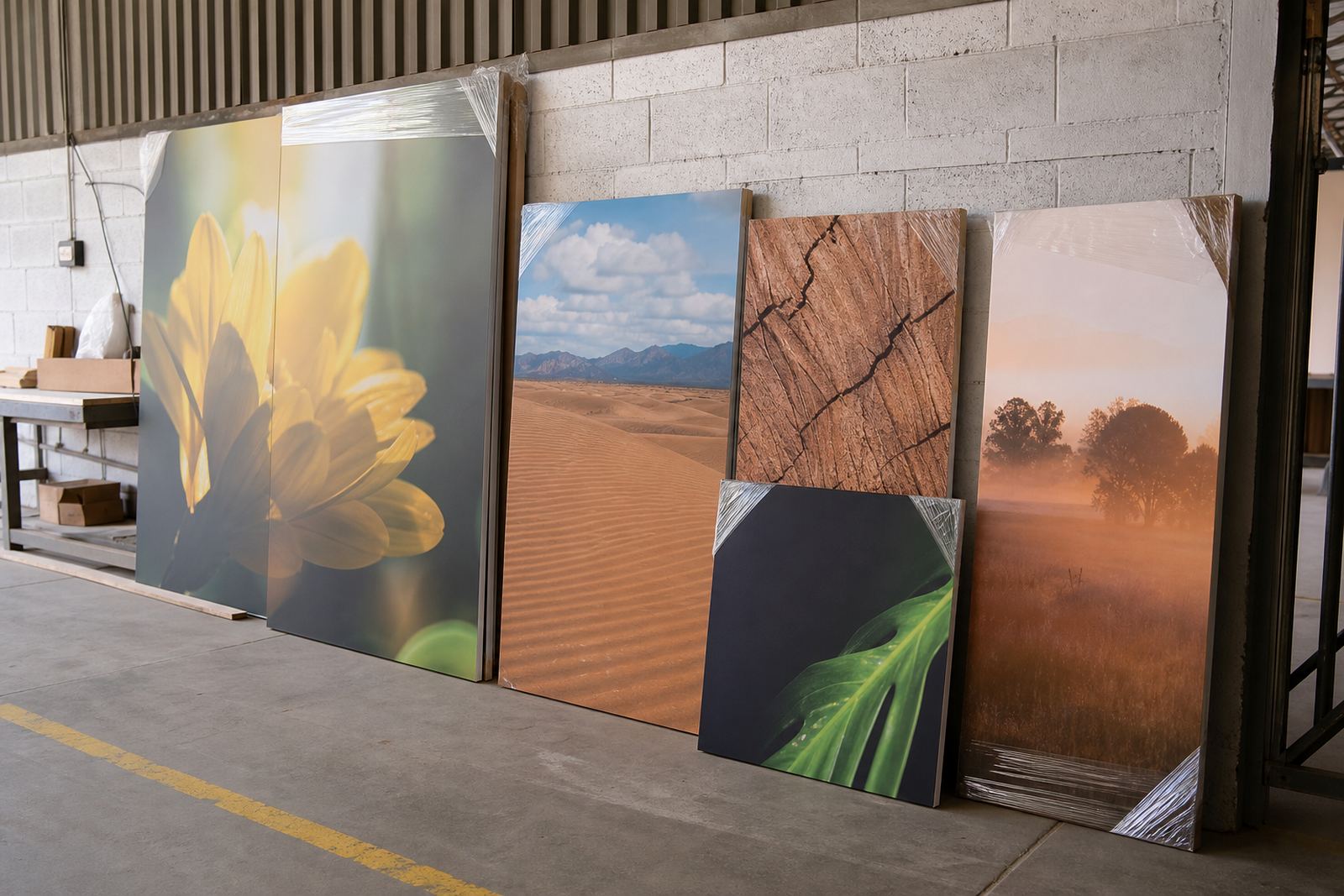
Consider a signage producer in Germiston handling work for a retail rollout with branches in Durban and Cape Town. The job includes rigid directional boards, promotional panels and indoor display pieces, all needing the same look across different sites. The producer needs the boards printed cleanly, packed properly and delivered in sequence so the installation teams can work without delay.
That kind of job shows why flatbed UV remains useful. The team can print direct to rigid sheets, check colour against a sample and keep the workflow moving from one board type to the next. If there is an issue with adhesion, drying or media reaction, it is easier to address it early through testing rather than discovering a problem on site. A single missed step can affect an entire rollout, so the practical control matters.
It is the same for event work in Gqeberha or smaller municipal signage projects in Pretoria. The printer is only one part of the job. Planning, handling and final fitting all matter, and the print process has to support that.
Installation, support and training that protect production
Buying a flatbed UV printer is only the start. The machine has to be installed properly, the site must be ready and the operators need training that fits real production, not just theory. When a team understands media selection, ink handling, colour control and routine care, they make fewer mistakes and keep the machine earning its keep.
Flatbed UV provides installation, site preparation, operator training, workflow planning, colour guidance, preventive maintenance, breakdown support, remote support, ink handling help, media testing, spares coordination and production consulting across South Africa. That support matters when a sign shop is balancing everyday work with urgent customer deadlines and municipal compliance requirements.
For many businesses, the goal is not simply to own a printer. It is to run dependable signage work with fewer interruptions, better repeatability and a team that knows what to do when a board, a file or a production setting needs attention. That is where proper support pays off.