

Why a printed board answers questions faster than a mock-up
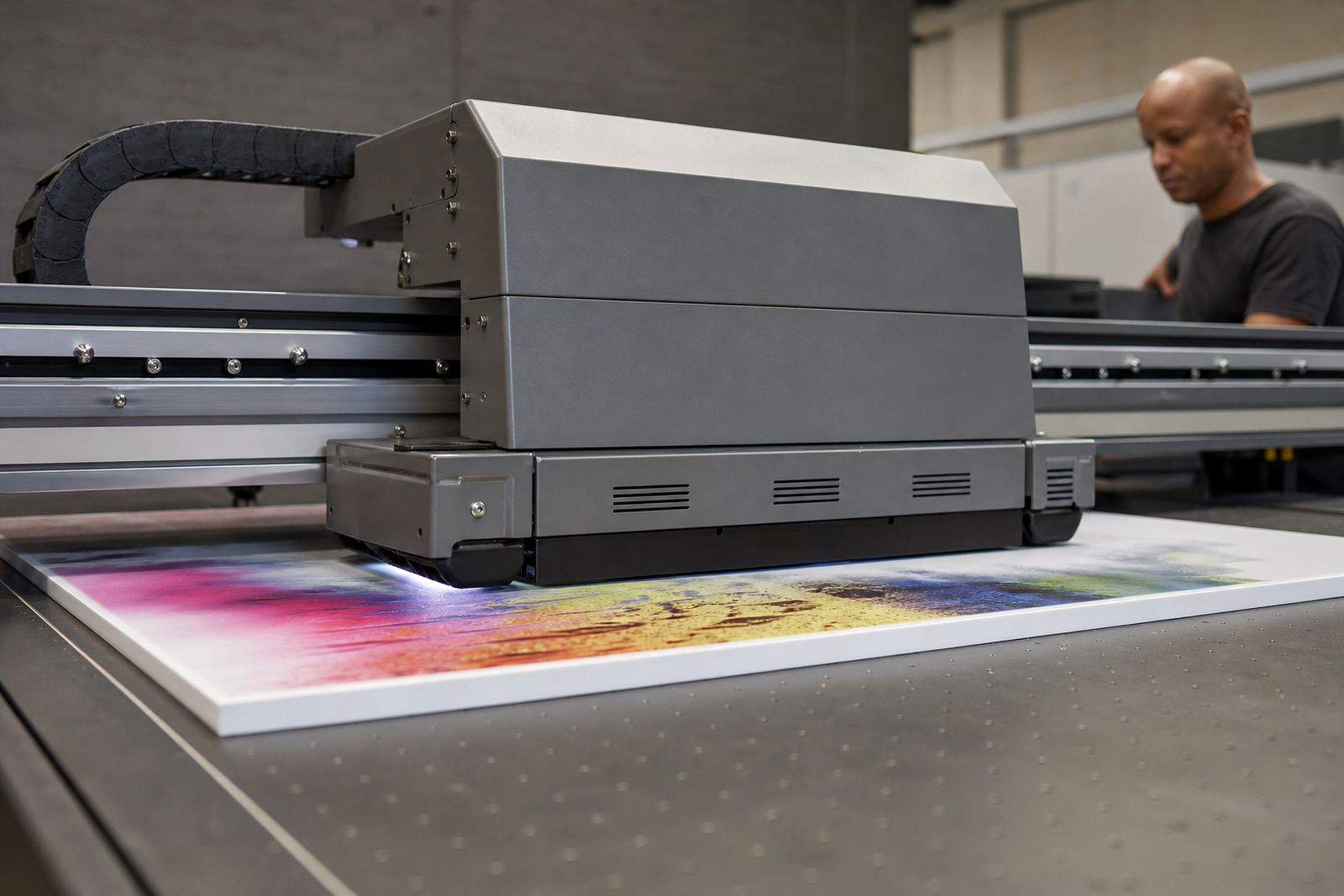
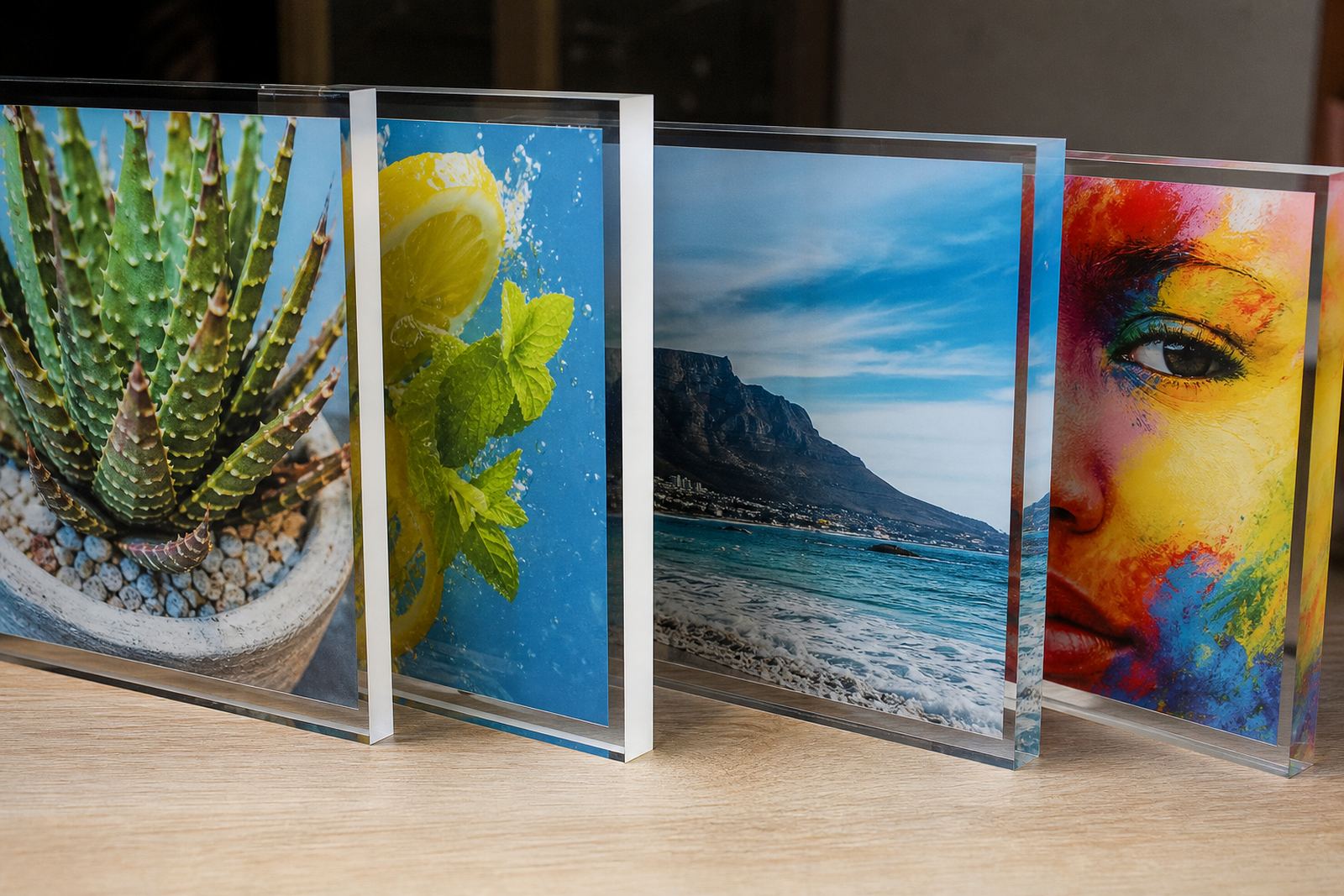
A digital file can show layout, but it does not show how the ink lands on the media, how clean the white sits under colour, or how the surface catches light in a shopfront. A physical sample gives the client something real to compare, which matters when the final job must stand up to sun, dust, cleaning and daily handling.
In Germiston and across Gauteng, many buyers want quick certainty before they approve a full run. A sample board lets them check colour density, edge finish and size against the actual installation space. It also helps the printer decide whether the artwork needs a stronger contrast, a different media choice, or a change in workflow before production starts.
What a sample print should prove before the full order
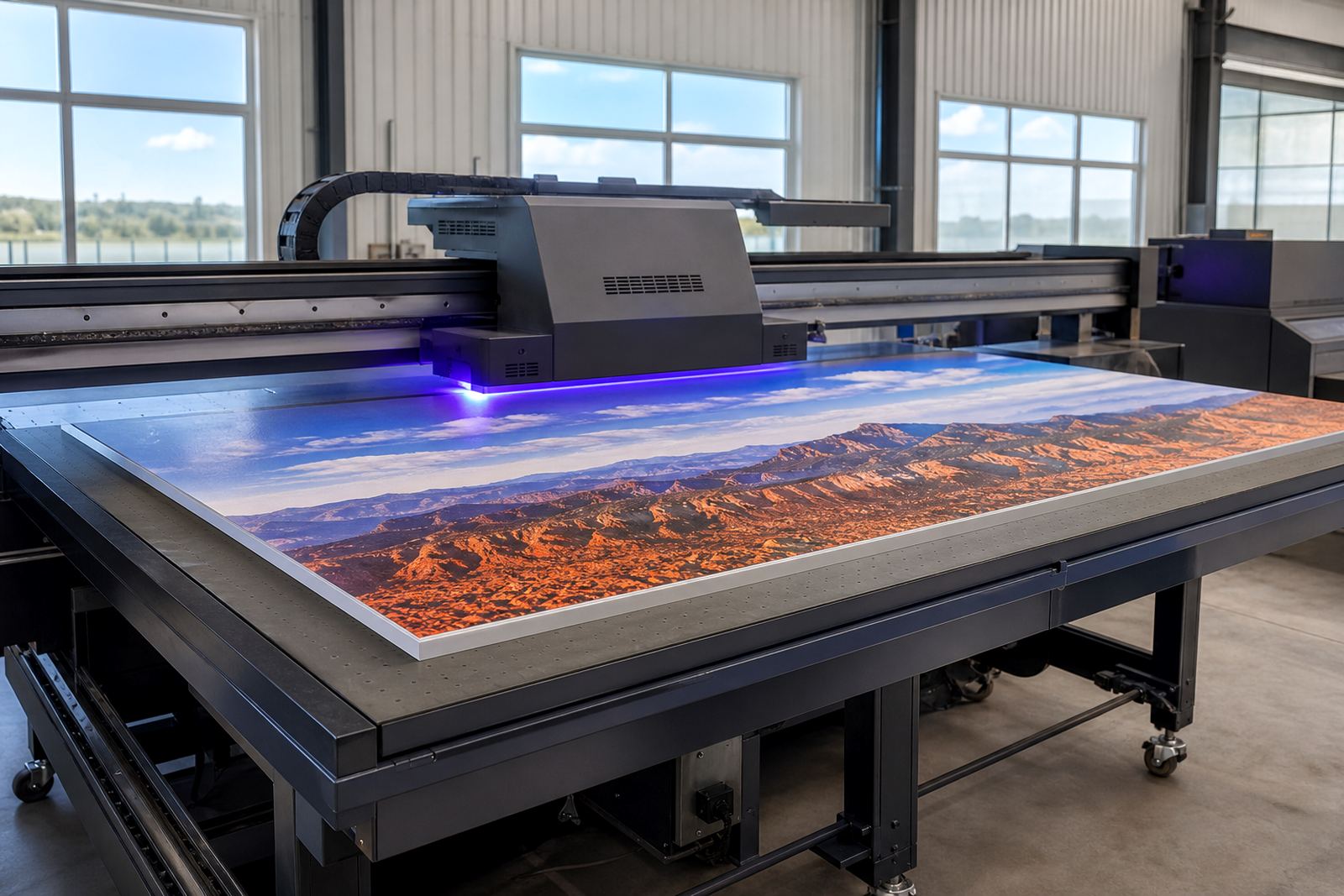
A proper sample is not just a small piece of pretty print. It should answer the practical questions that affect cost, turnaround and performance. For flatbed UV work, that means testing the board itself, the ink laydown and the final use case.
- Does the board stay flat after curing and handling?
- Do the colours hold on the chosen media under direct light?
- Is the print readable from the expected viewing distance?
- Does the surface suit indoor retail, outdoor signage, or temporary event use?
- Will the finish cope with wiping, stacking and transport?
If those points are checked early, the client is less likely to ask for changes after production has started. That saves time and avoids waste, especially when a project runs against a deadline or has to be installed in more than one branch.
The best samples match the real job, not a fantasy version
Sample prints only help when they reflect the actual order as closely as possible. If the final signage will go onto a rigid board for a reception wall, the sample should be printed on the same type of board or a close substitute. If the job is for a retail promotion, the sample should show the intended finish and the same colour balance that will be used on the full set.
That is where good workflow planning matters. A sample can reveal whether the artwork needs more contrast, whether a logo is too small, or whether fine text will disappear once printed. It can also show how inks behave on a porous or coated surface, which is useful when the job will be installed in coastal areas such as Durban or Gqeberha, where humidity can affect storage and handling.
For boards that must stay neat in customer areas, sample approval also helps decide if a protective approach is needed after printing, or if the print can go out as is. In our experience, a few minutes spent on testing can prevent a long argument later.
How sample prints cut down delays on site
Many print jobs slow down because the final decision is made too late. The client sees the artwork only after production, then notices that the tone is slightly off or the copy is too small. A sample breaks that cycle. It gives procurement teams, marketers and site managers one shared reference before anything is committed.
This is especially useful when the job has to pass municipal rules, mall requirements or landlord approval. A sample board can be taken into a meeting, pinned up at reception, or shown to a site manager without having to explain every technical detail. Once everyone is looking at the same piece, the approval moves faster and the printer can proceed with confidence.
- Less back-and-forth between sales and production
- Fewer colour disputes after printing
- Better planning for installation dates
- Cleaner sign-off for multiple branches
- Less waste from reprints and test runs
A Germiston example that shows the value clearly
A business in Germiston needed rigid signage for a new branch and wanted the boards ready for installation during a short shutdown window. Instead of guessing, the client asked for a sample first. That sample made it clear that one background colour looked too dark under the shop lights, and the text needed more space around the edges. The final boards were approved much quicker because the decision had already been made on something physical, not on a phone screen.
That kind of process works well for businesses across Johannesburg, Pretoria, Durban, Cape Town and the broader East Rand. It is often the simple jobs that benefit most from a sample, because there is less room for error when the board must fit a fixed wall, a counter or an entrance frame.
What clients should ask for when ordering sample prints
Clients do not need to know every technical detail, but they should ask the right questions before the sample is made. That keeps the discussion practical and helps the printer select the right media, inks and finish for the job.
- Ask for the sample on the closest match to the final board
- Confirm whether the sample shows the exact colour profile or an adjusted version
- Check if the finish will be the same as the production boards
- Ask how the sample should be viewed, indoors or in daylight
- Request notes on handling, curing and storage before installation
For printers, this is also the point to guide the client on ink handling, media testing and any needed site preparation. A useful sample is not only about looks. It is a working tool that helps the whole job run better from enquiry to delivery.
Why sample prints are part of a better buying decision
Sample boards sell the solution because they reduce uncertainty. A buyer can see the surface, feel the rigidity, and compare the result against the intended use. That makes it easier to choose the right printer path for signage, point of sale boards or display work without second guessing the outcome.
For Flatbed UV in Germiston, that practical approach fits the way many South African businesses buy. They want clear advice, proper installation support, training where needed and service that keeps production moving when load-shedding or tight deadlines get in the way. A sample print is often the first step in that process, and it gives both sides a proper basis for the next decision.