
Why mixed media work needs a fixed routine
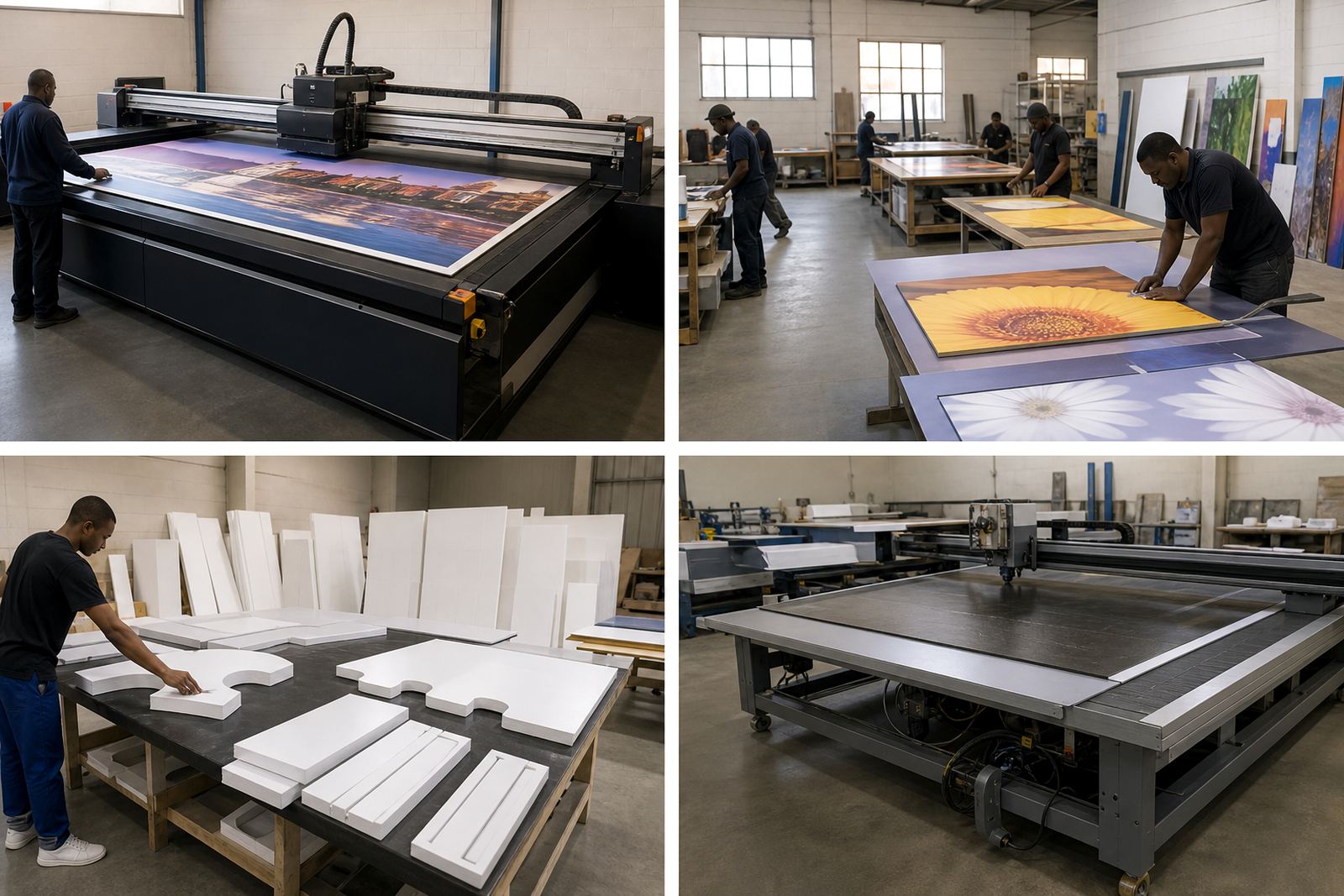
Mixed media work sounds simple until the same operator has to move from foam board to acrylic, then onto corrugated plastic and a coated rigid panel before lunch. Each material reacts differently to static, surface dust, ink laydown and handling so the safest way to keep output consistent is to follow the same order every time.
In a busy Germiston workshop, the real pressure comes from short turnaround jobs, load-shedding changes and transport deadlines. A clear workflow helps reduce mistakes when the phone keeps ringing and the next board is already stacked next to the press.
Sort substrates before they reach the table
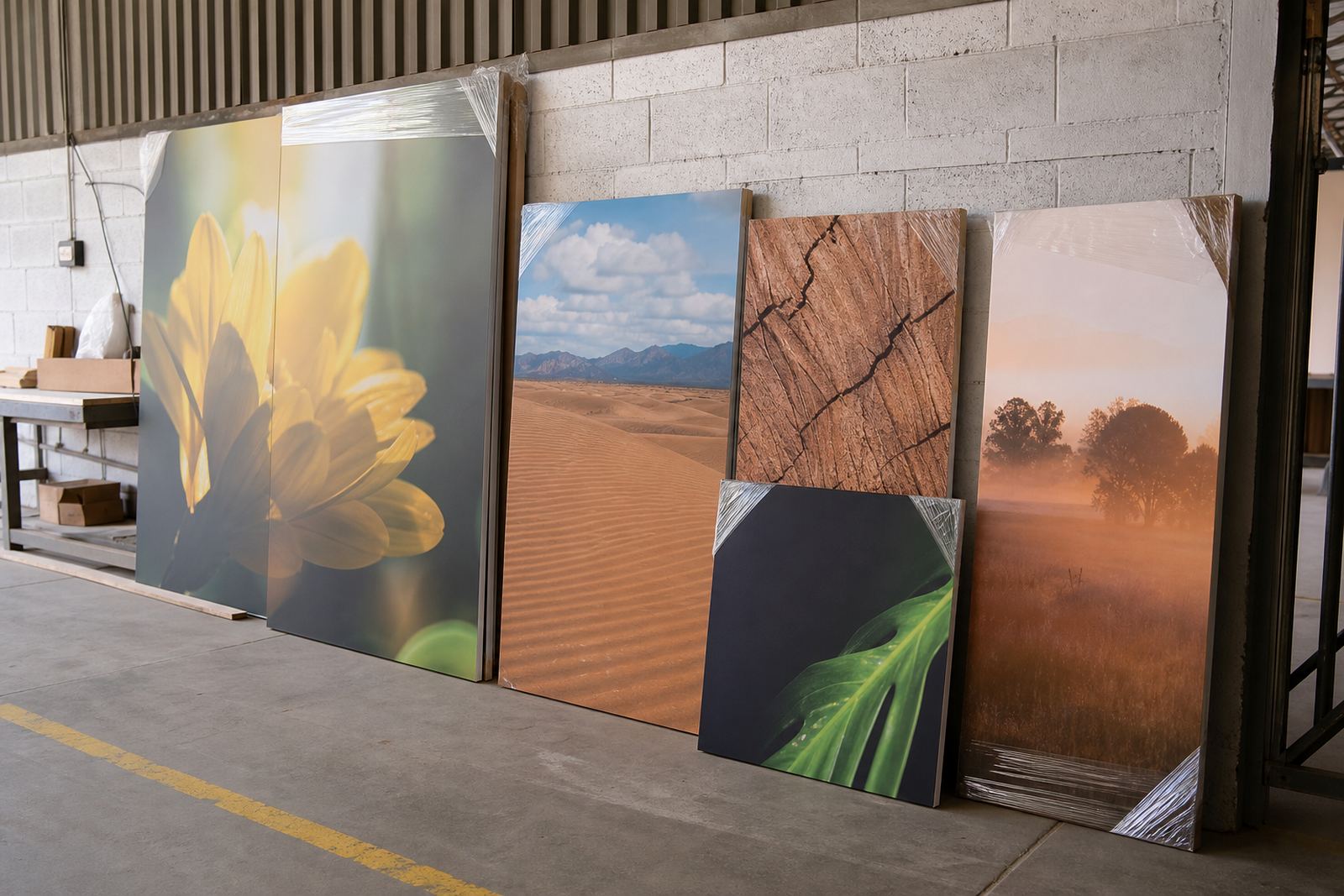
Good mixed media work starts before printing. Boards should be grouped by thickness, surface type and intended use, then labelled so the operator can see what is ready for print and what still needs cleaning, edging or testing. If the substrate is meant for outdoor use, check the flatness and the condition of the surface first because warped material can affect registration and print head clearance.
- Keep rigid boards separate from flexible offcuts and return stock
- Wipe away dust, handling marks and packaging residue before loading
- Confirm the print side and the final display side before setup
- Check sheet size against the job ticket so there is no trimming surprise later
For coastal deliveries into Durban or Gqeberha, humidity can affect how clean a board feels and how it sits on the table. In Gauteng, static can pull dust onto the surface quickly, so pre-cleaning matters just as much as ink choice.
Match ink choice to the board and the end use
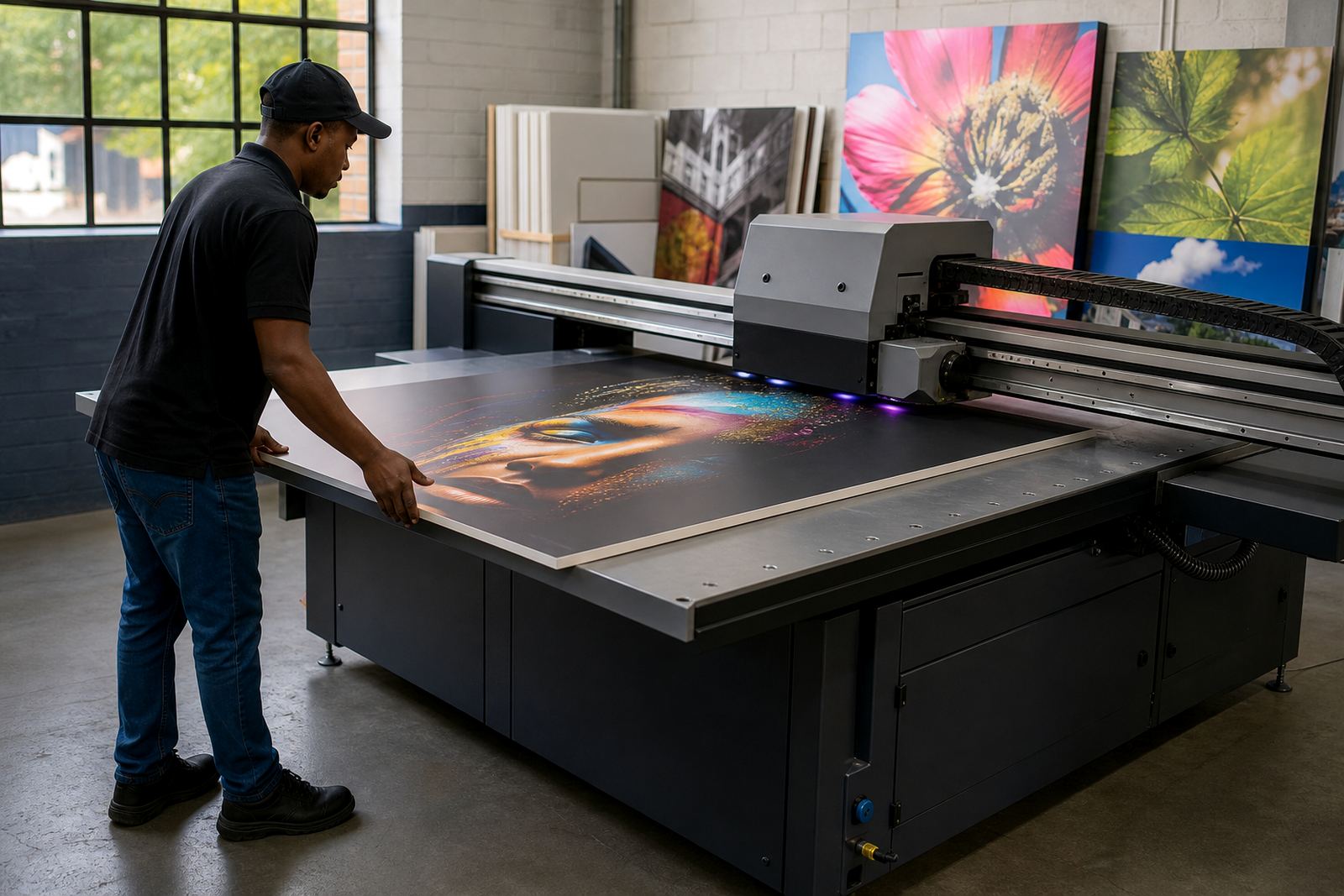
Flatbed UV printing is valued because the ink cures quickly on a wide range of rigid media, but the workflow still needs judgement. Different boards absorb, repel or hold ink differently, and some jobs need a more careful balance between opacity, adhesion and surface finish. A display piece for a shopping centre window is not handled the same way as a directional sign for a construction site.
Before starting a mixed run, test the combination on a small sample if possible. That saves time later and helps the team spot issues with colour shift, texture, pinholing or scratching. The point is not to chase perfection on every board, it is to know what the material will do before the full job starts.
- Use sample pieces when changing to a new rigid substrate
- Record drying or curing notes for repeat orders
- Keep a simple log of what settings worked on each material
- Separate indoor and outdoor jobs to avoid mixing finishes
Plan the queue so the table never stalls
Mixed media production can lose time between jobs if the next board is still being cut, cleaned or checked. A practical queue keeps the table active by grouping similar substrates together where possible, then switching only when the next set is fully ready. That means less down time and fewer interruptions to the operator's focus.
It also helps to plan around the day’s power situation and the work area layout. If there is a scheduled outage or the workshop is running on backup supply, complete the most critical colour work first and leave simpler repeats for later. That is not fancy planning, it is just common sense when the day is already tight.
Keep handling clean between jobs
Once one material is printed, the next one should not inherit its problems. Ink residue, stray dust and lifted edges can transfer from board to board if the same gloves, cloths or stacking surfaces are used without care. A mixed media workflow needs a simple cleaning routine between every changeover.
- Clear the table before loading the next substrate
- Check the board underside for grit or loose fibres
- Use separate packing sheets for finished work and raw stock
- Move completed boards to a dry area with enough support under the full size
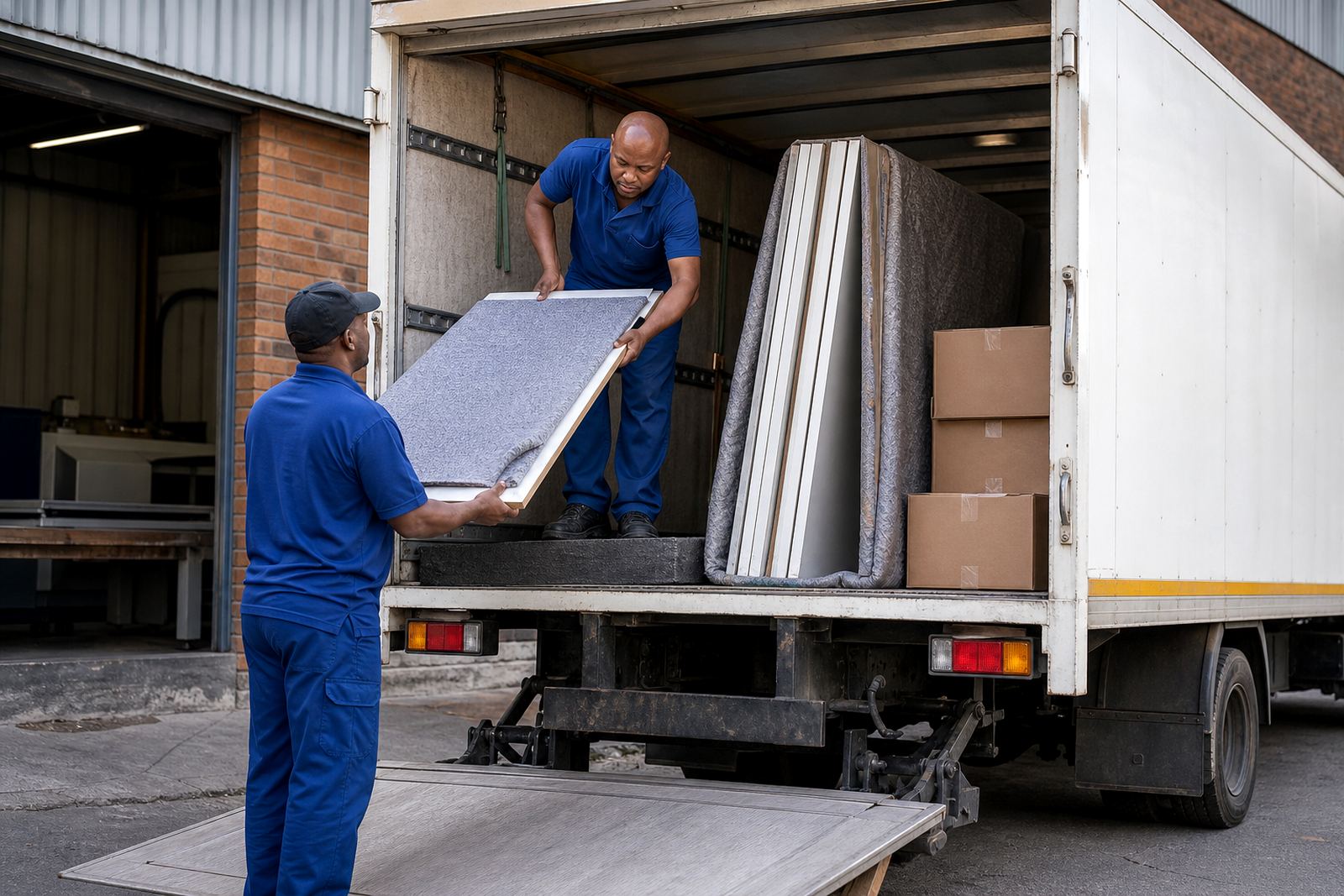
For installers and production teams in Johannesburg, Pretoria or Centurion, this sort of handling discipline makes a difference on site too. A sign that leaves the workshop clean is easier to fit straight and less likely to be returned because of marks that were picked up during packing.
Use local site conditions to guide the workflow
South African print rooms deal with a mix of heat, dust, humidity and municipal time pressure, so the workflow has to suit the place where the job is actually happening. In Germiston and the East Rand, many shops are dealing with fast-moving retail and industrial work, while Cape Town jobs may need extra care with moisture and transport. In Durban, humidity can make board storage and handling a bit trickier, especially when jobs are packed early and delivered later in the day.
A mixed media day works best when the team knows where each job is headed, who is handling it and how it will be installed. That is where installation support, operator training and practical colour guidance all pull together. The machine does the printing, but the workflow decides whether the day feels controlled or messy.
At Flatbed UV, the focus is on helping customers manage rigid board jobs properly from the first prep step through to final handover. If the team in Germiston can handle mixed substrates without confusion, the same approach can be repeated for branches and sites across South Africa, from Pretoria to Gqeberha.