
Start With Where The Board Will Live
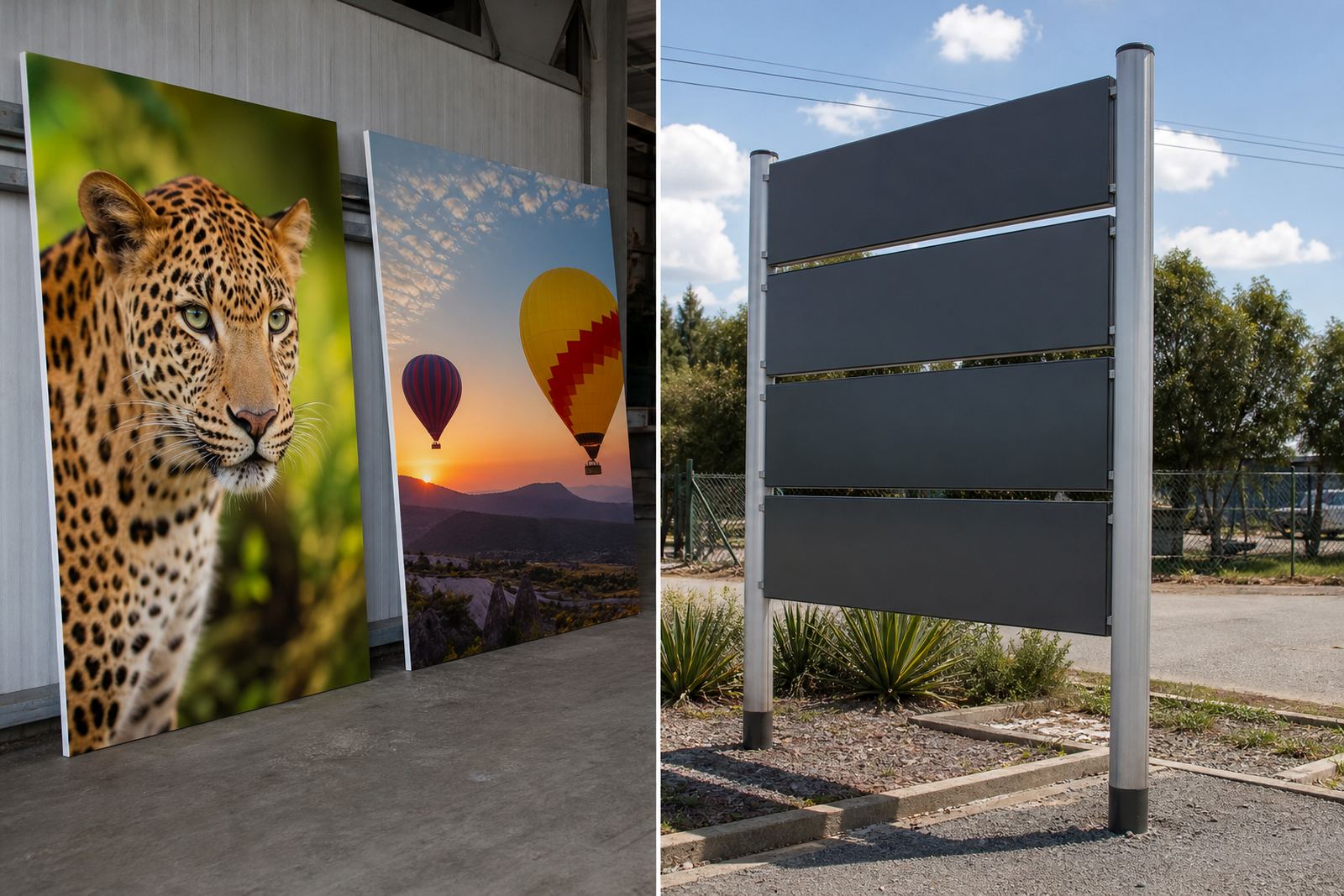
The first question is not what looks best, it is where the board will be used. A board inside a shopping centre in Sandton faces different conditions to a notice panel on an outside wall in Germiston or a roadside direction sign in Durban’s humidity. Indoor work needs clean colour, fine detail and a neat finish. Outdoor work needs stronger adhesion, weather resistance and a substrate that will not buckle after a hot afternoon followed by a cool night.
Flatbed UV printing is well suited to rigid boards because the print is cured directly onto the sheet. That makes it useful for short runs, custom sizes and fast turnarounds. But the media still matters. PVC foam board, aluminium composite, corrugated plastic, acrylic and other rigid sheets all behave differently under heat, handling and moisture. A good workflow starts with the board selection, not the artwork file.
- Indoor boards usually prioritise sharp detail, lighter weight and a smooth surface.
- Outdoor boards need better weather handling and stronger support fixing.
- High traffic areas need tougher media and a finish that can be wiped down.
Choosing The Right Board For The Job
For indoor signage, lighter rigid boards are often enough for menus, direction panels, point of sale displays and exhibition graphics. The surface should hold ink well and stay flat once cut. For outdoor use, it is better to choose a board that can handle sun, moisture and wind pressure. In coastal areas such as Cape Town and Gqeberha, salt in the air can affect fittings and edge wear, so sealed edges and proper mounting matter just as much as the print itself.
In many cases, the print is only one part of the product. A rigid board may need drilling, framing, stand-offs, double sided tape or mechanical fixing depending on the location. If a board is going onto a wall at a clinic, school or retail frontage, check municipal rules, landlord approval and any safety restrictions before production starts. That small bit of planning saves a lot of rework later.
- Foam board works well for light indoor displays and temporary indoor promotions.
- Composite panels suit long-term signage where flatness and durability matter.
- Clear or solid acrylic can be used for premium indoor panels and layered effects.
- Corrugated plastic is useful for temporary boards and events, but needs careful handling.
Ink Behaviour, Colour And Cure Time
UV inks cure under light as they print, which helps with speed and handling. That said, not every ink layer behaves the same on every substrate. Some boards need a primer or a cleaner surface prep to help with adhesion. Others need a white underlayer to keep colour true, especially when printing on clear, dark or textured media. The operator should test the board before committing to a full run, because the same artwork can look different on two substrates that seem similar.
Colour guidance is especially important for brand work. A display board in a mall, showroom or reception area should match the rest of the customer’s signage as closely as possible. If the board will hang in strong daylight, colours may need adjustment so they do not wash out. When a job is destined for outdoor use, allow for the natural ageing of the print and the fade pattern over time. The aim is not just a bright first day, but a useful sign that still reads well after months of use.
On production days with load-shedding, sequencing matters. Jobs should be grouped so boards already set up on the table can continue through the workflow once power is back. That helps avoid missed cure times, accidental marks and wasted media.
Workflow Planning For Mixed Indoor And Outdoor Orders
Many South African print shops handle both indoor and outdoor boards in the same week. The trick is to plan the workflow so the board type, size, finish and fixings are all agreed before printing starts. A retail launch board in Johannesburg may need a clean matte finish and same week delivery. A construction site board in Pretoria may need weather resistance, large text and simple installation. The operator should not have to guess which finishing method will be used after the print is complete.
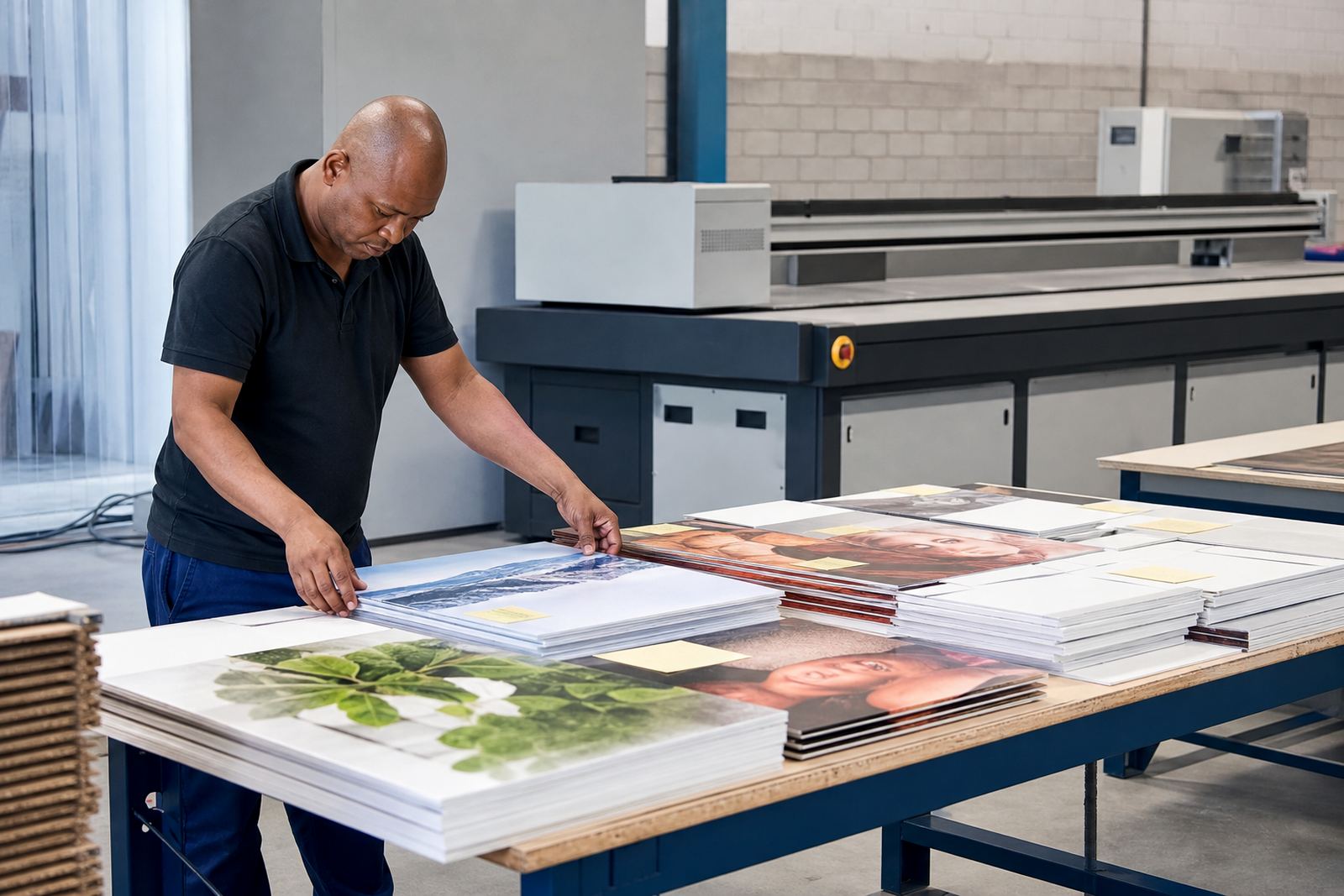
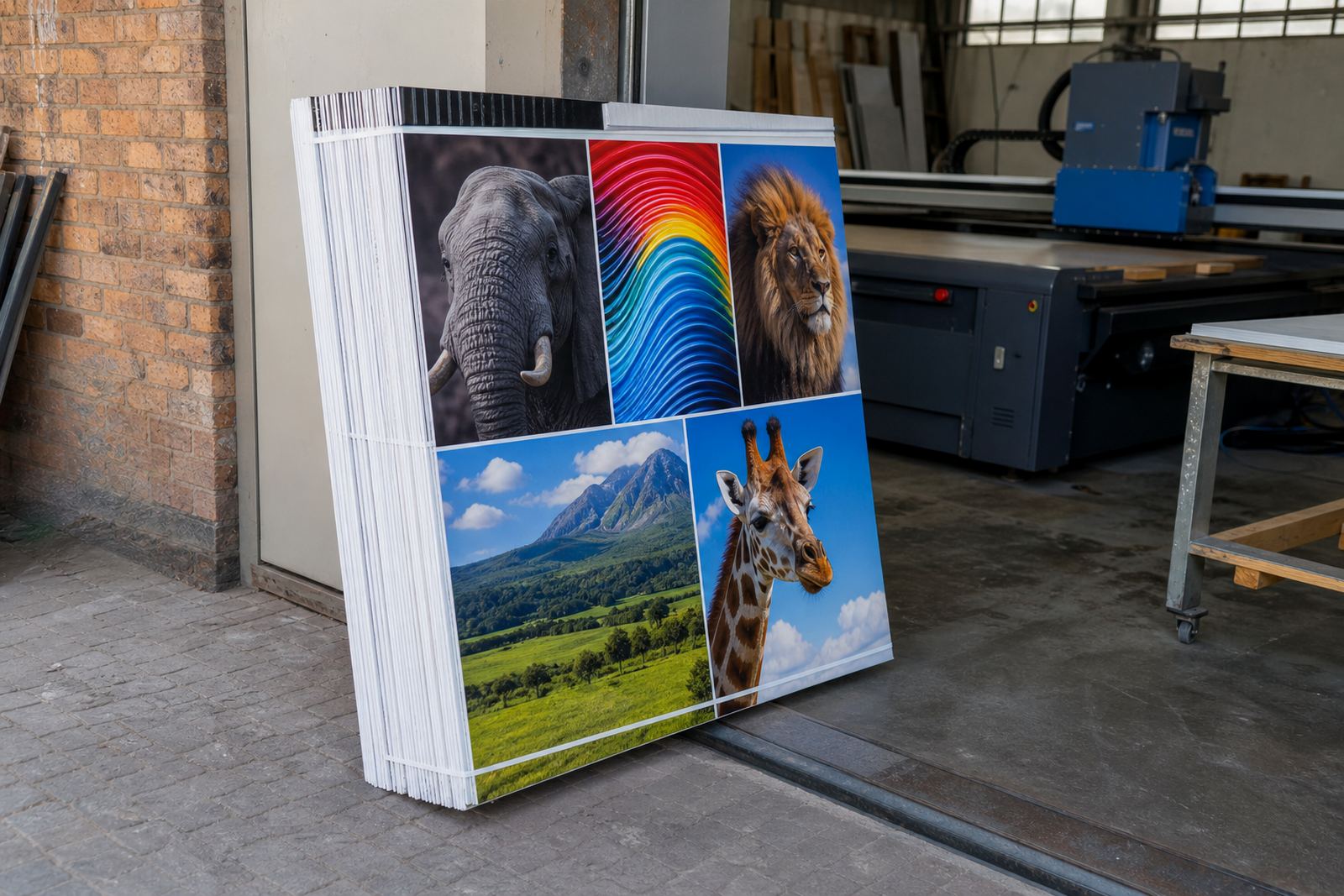
Good planning reduces waste and keeps the board flat. Flatbed UV printing is efficient, but rigid media still needs careful handling from loading to offloading. Dust, finger marks and poor stacking can spoil an otherwise clean job. When the workflow includes cutting, drilling or laminating, allow time for each step and keep the order of operations clear. Production teams often lose more time to poor sequencing than to the actual print run.
- Confirm the final size, fixing method and viewing distance before printing.
- Test ink adhesion on each new board type or supplier batch.
- Allow for curing, cutting and packing time, not just print time.
- Separate indoor and outdoor jobs so finishing choices stay consistent.
Site Conditions Matter More Than Many People Think
A board that looks perfect in the workshop can fail on site if the conditions were ignored. Strong sun, wind tunnels, damp walls, dust and uneven mounting all change how the board performs. In Gauteng, heat and dry air can make certain boards move slightly after cutting. In Durban, humidity can affect storage and edge stability. In the Western Cape, wind exposure and coastal conditions often call for more secure fixing and better edge treatment.
Site preparation should include checking the wall surface, available fixing points, access for installation and the distance from heat sources or moisture. If a board is being installed near a kitchen, workshop or loading area, it may need a finish that can be wiped down without dulling the print. It is also worth thinking about glare. A glossy finish may look lively in one space and become unreadable in another. Sometimes matte is the safer choice, even if gloss is more eye catching on a sample.
For outdoor applications, think beyond the board itself. Screws, brackets, tape and sealants need to suit the environment too. A strong board with poor fixings will still fail, and often sooner than expected.
A Germiston Example: Retail Boards Moving Across Provinces
One practical way to look at this is a retail group based in Gauteng that needs a mix of indoor menu boards, window graphics and outdoor price signs for branches in Johannesburg, Pretoria, Durban, Cape Town and Gqeberha. The indoor boards can be lighter and more detailed, while the outdoor panels need tougher media, careful colour handling and proper site planning. If the same artwork is used across all branches, each location still needs a different installation approach because of weather, wall type and sun exposure.
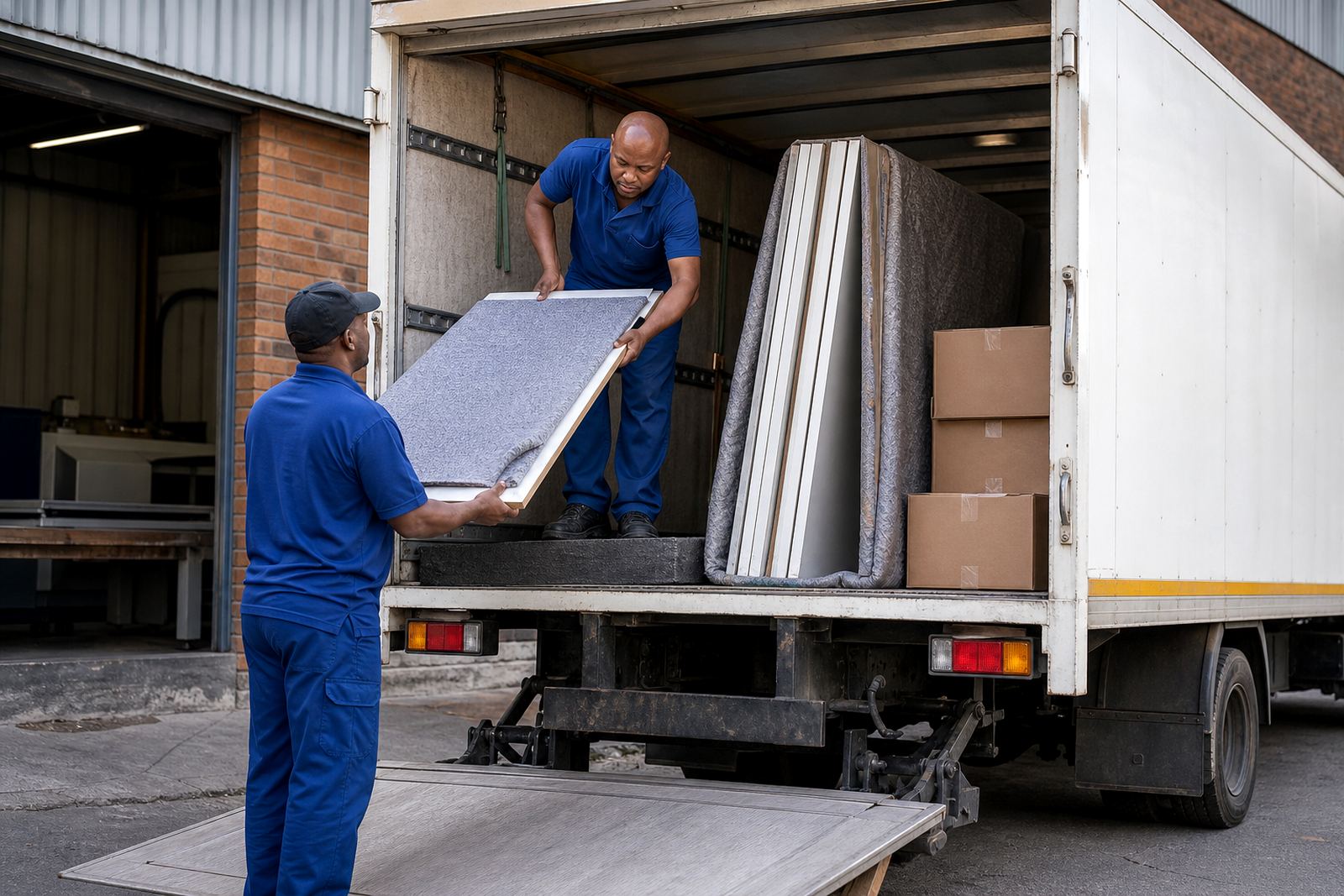
That is where training and support make a difference. When operators know how to handle the media, check the print surface and prepare the board for installation, the results are more consistent. Preventive maintenance also helps because clean tables, steady curing and correct ink handling reduce avoidable marks and downtime. In practice, the best board is not only printed well, it is also stored correctly, packed safely and mounted properly on site.
Flatbed UV work gives businesses flexibility, but only when the media and workflow are matched to the environment. Indoor and outdoor boards may share the same message, yet they do not share the same demands. The closer the production team gets to the final use case, the better the result will hold up in the real world.