What A Direct Board Printer Does
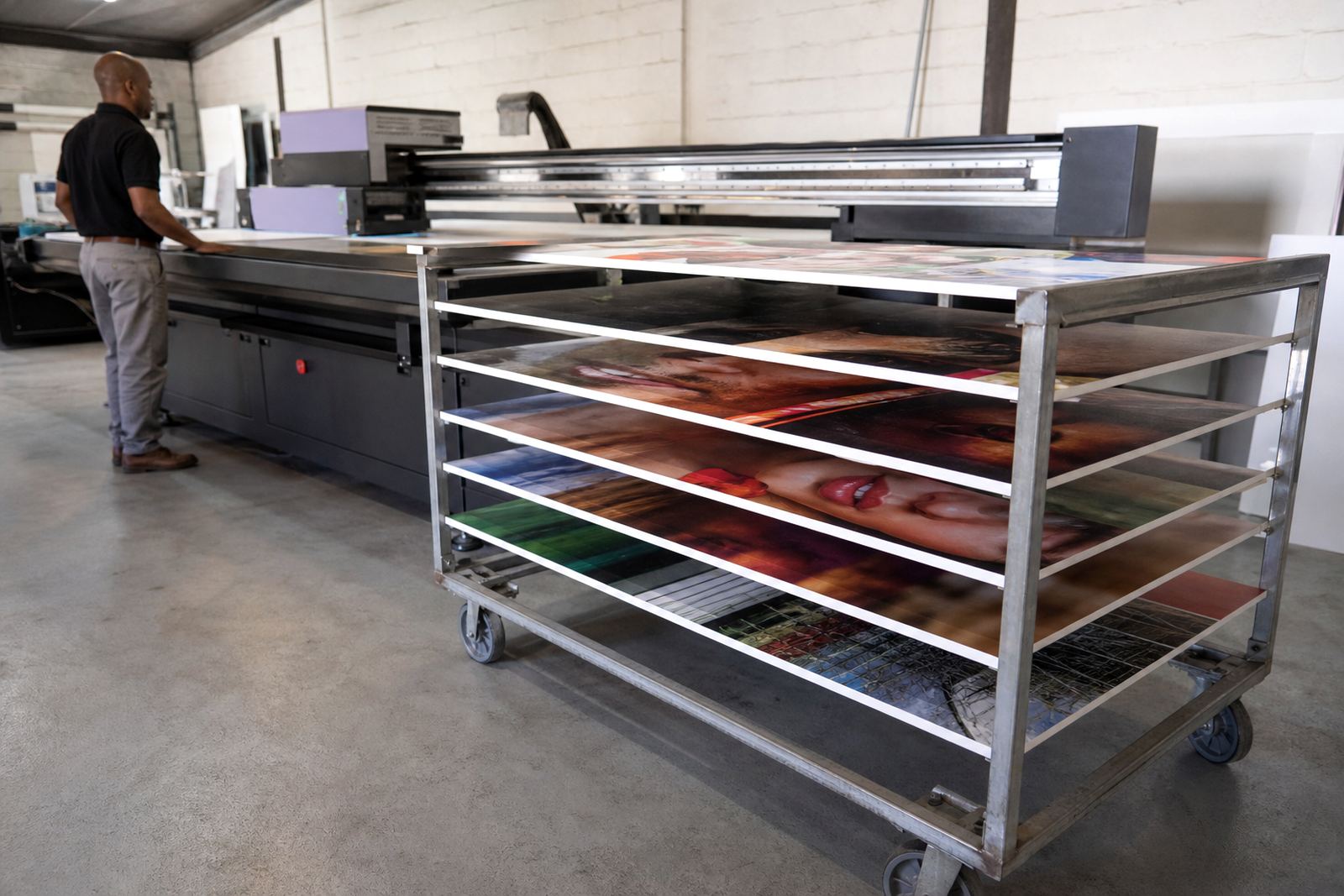
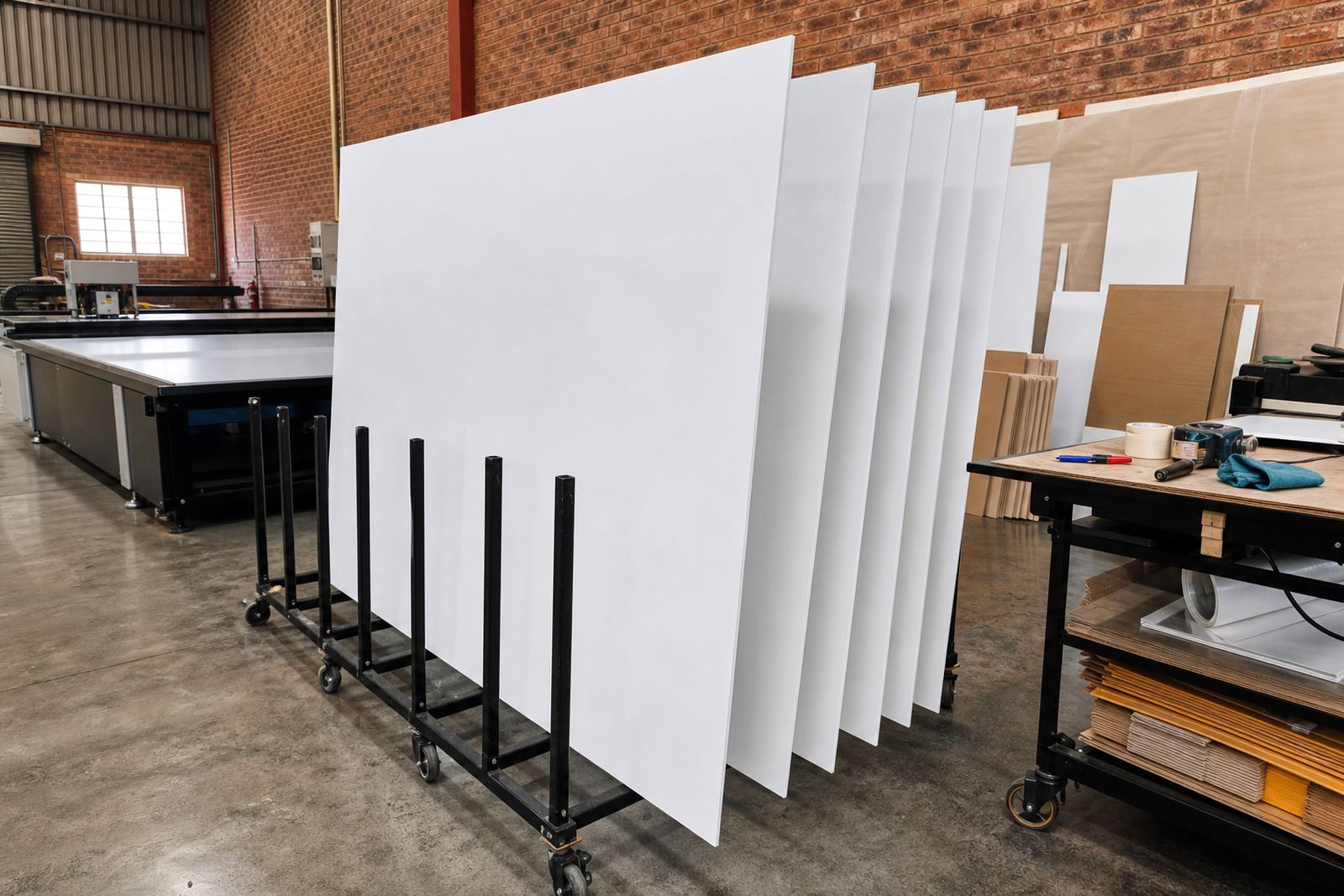
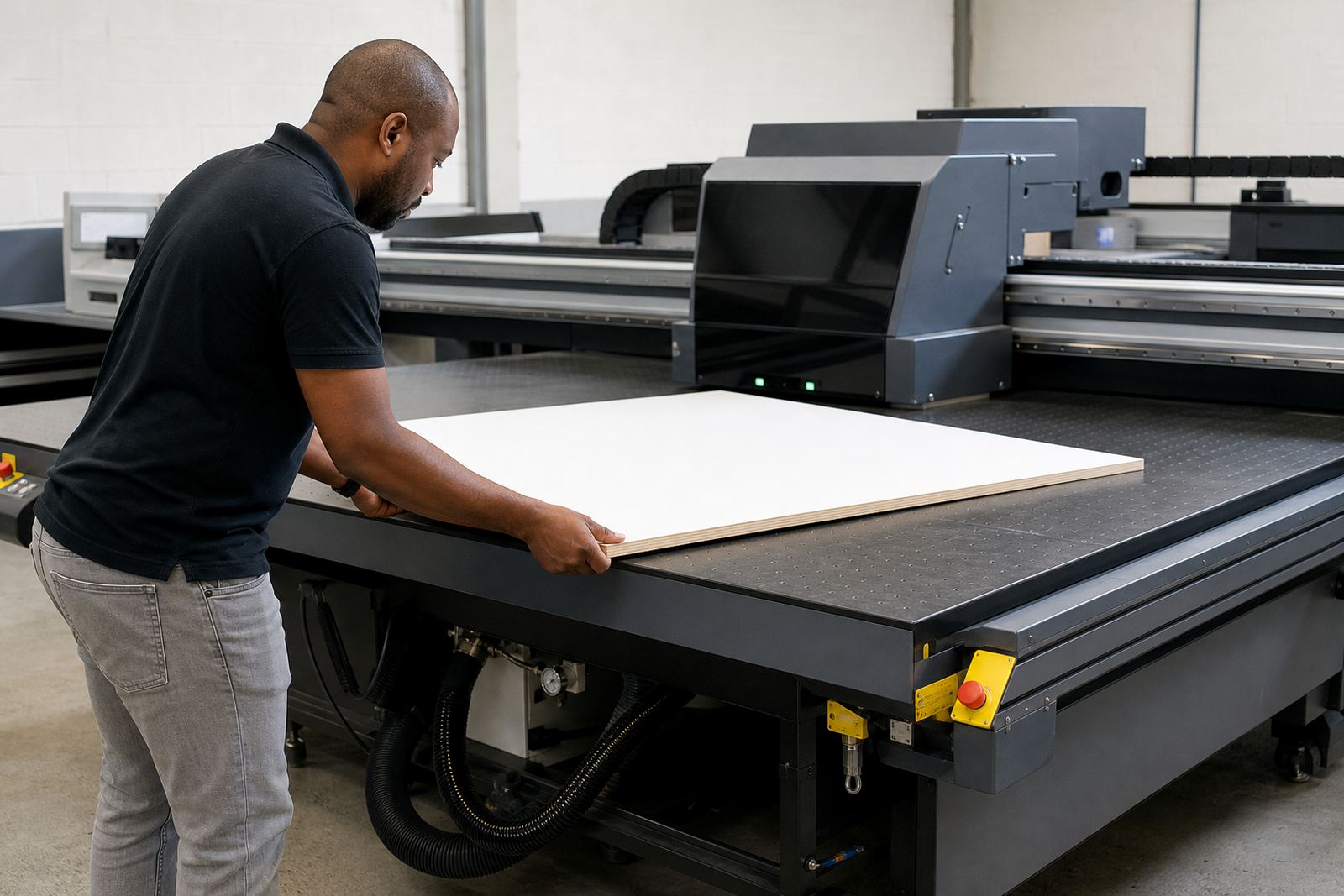
A direct board printer is built for printing onto flat, rigid material rather than rolls. That includes foam board, PVC foam, corrugated plastic, acrylic, aluminium composite panel, MDF, timber panels and similar sign media. The print is laid down straight onto the surface and cured with UV light, which helps with handling and daily use in busy shops and factories.
For South African print rooms, this matters when customers want signage that can go out quickly and still look clean in retail stores, construction sites, schools or events. It is a practical option for boards, directional signs, point of sale panels and exhibition work where consistency matters more than fancy talk.
Where It Fits In A Print Workflow
This type of printer suits businesses that already cut boards, mount graphics or handle short turnaround work. It is commonly used in sign shops, print houses, exhibition suppliers, shopfitting teams and in-house marketing departments. If your work includes one-off boards, repeat signage or mixed-size production, a direct board printer can help keep jobs in house instead of sending them out.
- Retail signage and shelf branding
- Construction site boards and safety notices
- Event directional signs and branded panels
- Interior décor panels and wall graphics
- Short run corporate signage
It also suits work that has to stand up to Gauteng dust, coastal humidity in Durban or the stop-start pace that comes with load-shedding planning. That does not mean every board is suitable, so media choice and ink setting still matter.
Sizes, Options And Production Setup
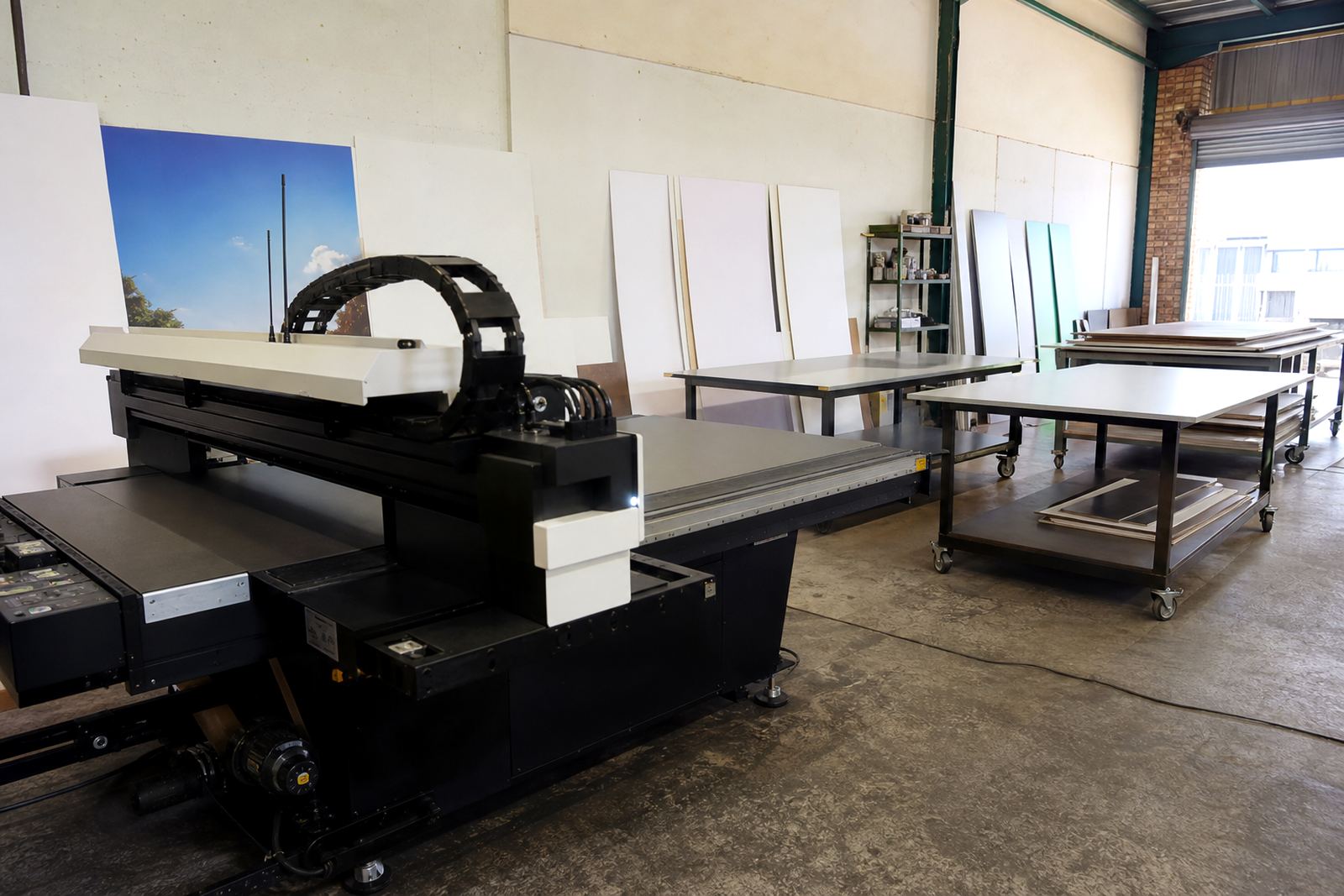
Direct board printers are available in different working widths and table sizes. The right setup depends on the largest board you need to print, how often you change jobs and whether you need white ink, varnish or layered printing. Some operators choose a compact unit for smaller runs, while others need a larger bed for full-sheet production and multiple-up nesting.
Options can include vacuum hold-down, zoning for smaller boards, white ink for clear or coloured substrates, and variable height control for thicker boards. Some models also support registration aids and jigging for repeat work. The best fit is not only about size, it is about throughput, board thickness and the type of artwork you output day to day.
- Working width and bed size for your standard board format
- Maximum substrate thickness for rigid media
- White ink and layering options
- Vacuum or hold-down control for accurate placement
- Output speed matched to your daily volume
Installation, Power And Site Preparation
Installation starts with the room itself. The floor must be level, the path into the building must allow for moving the machine safely, and there should be enough clear space around the unit for loading boards and basic maintenance. In Germiston and across Gauteng, many sites also need to think about dust control and safe storage for boards and inks.
Power requirements vary by model. Some units use single-phase supply, while others need three-phase power. Standard UV curing does not need gas, but some setups may require compressed air depending on the machine design. It is worth checking the electrical load, backup power arrangements for load-shedding and whether the site has stable earthing. On busy production floors, a simple site plan saves headaches later.
- Check the incoming power supply before delivery
- Allow space for loading, service access and board staging
- Plan for UPS or generator support if production cannot stop
- Keep the room clean and dry, especially near the coast
- Confirm any air supply or extraction needs in advance
Ink, Media And Day-To-Day Care
UV inks are chosen for direct printing on rigid material and they cure quickly under UV lamps or LEDs, depending on the unit. White ink is often used for darker or clear substrates, while colour ink handles the visible image. Media testing is important because not every board accepts ink in the same way. A sample run helps check adhesion, colour, finish and any need for primer or surface prep.
Care is practical rather than complicated. Keep inks stored correctly, stir or circulate as advised, and avoid letting dust collect on the print bed or on board edges. Regular nozzle checks, cleaning routines and alignment checks help prevent downtime. Preventive maintenance matters, especially in high-volume shops where a missed service can lead to blocked heads or inconsistent output.
In coastal towns, humidity can affect board flatness and ink handling, so storage conditions should be watched closely. In inland areas, dust is usually the bigger problem. Either way, a clean workflow makes a real difference.
What To Check Before You Order
Before placing an order, gather the details that affect the final setup. Think about the board sizes you print most often, the thickness range you need, the monthly volume and whether your work needs white ink, spot layers or double-sided handling. It also helps to know what operators already understand and where training may be needed.
Ask about service access, spares coordination and whether remote support is available when a job is stuck. If you are based in Johannesburg, Pretoria, Durban, Cape Town or Gqeberha, it helps to confirm installation timing, site readiness and the support route for urgent work. A proper check at the start saves wasted boards and a lot of back and forth later.
- Largest board size and thickness you need to print
- Types of rigid media you use most often
- Need for white ink, varnish or layered printing
- Electrical supply and backup power plans
- Operator training, maintenance and service support needs
Our Germiston team supports clients across South Africa with printer installation, site preparation, operator training, workflow planning, colour guidance, preventive maintenance, breakdown support, remote support, ink handling help, media testing, spares coordination and production consulting.
Key facts
| Product type | Direct UV printer for rigid boards and signage |
|---|---|
| Substrates | Foam board, PVC foam, acrylic, ACP, MDF, timber panels and similar rigid media |
| Print mode | Direct-to-board UV printing with immediate curing |
| Ink set | UV inks, including colour and white options depending on model |
| Power | Single-phase or three-phase depending on the chosen unit |
| Support coverage | Installation, training and service across South Africa from Germiston, Gauteng |