When campaign boards need to work fast
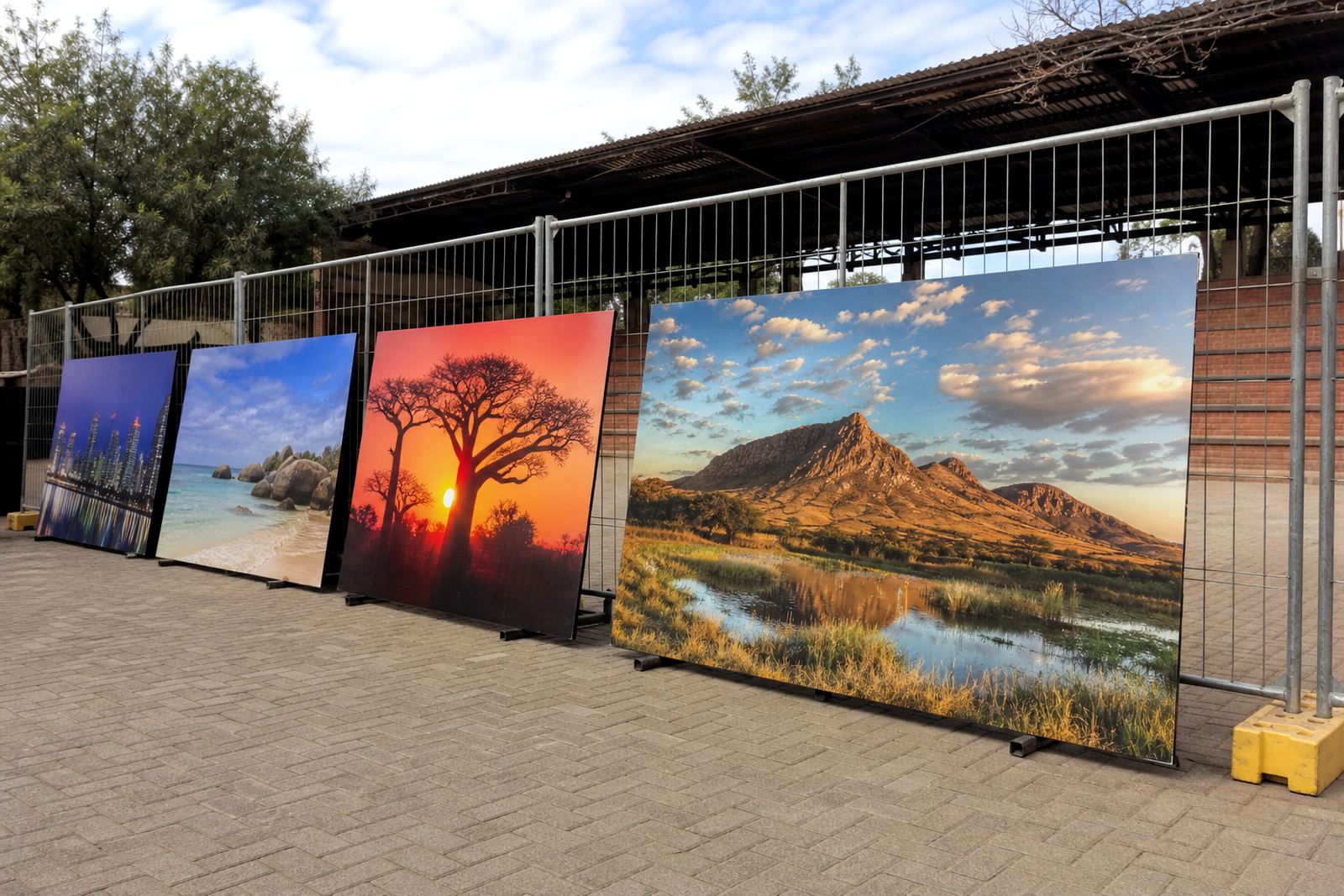
Campaign boards are often needed for a short window, sometimes only a few days or weeks, but they still have to carry the message clearly in traffic, at an entrance, on a fence line or inside a venue. That means the board must be easy to read at a glance, sized correctly for the site and printed on a material that suits the weather and the viewing distance. In Johannesburg and Pretoria, boards often need to handle dust and strong sun. In Durban and Cape Town, wind and coastal humidity can change the choice of board and fixing method.
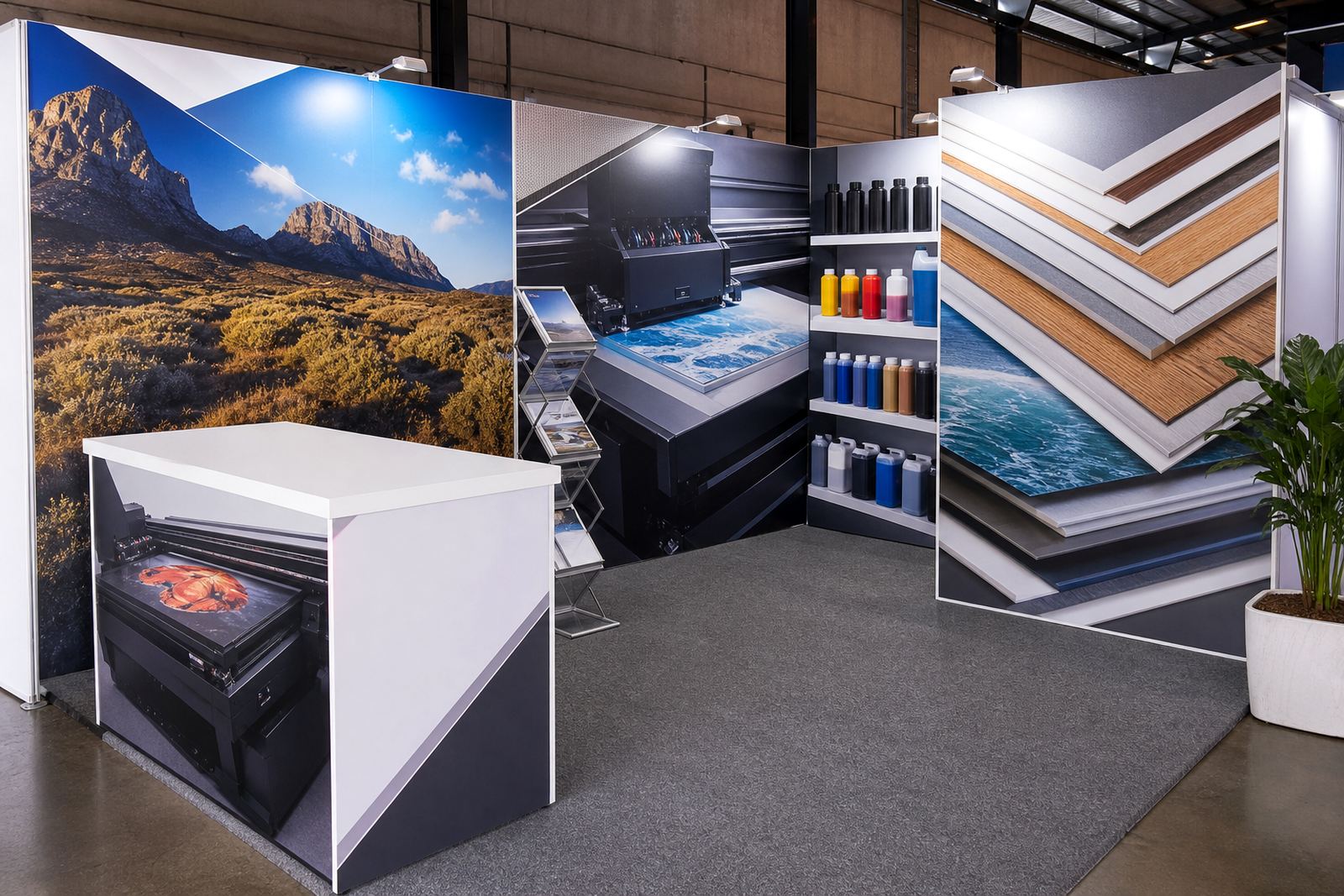
Flatbed UV printing is well suited to this kind of work because rigid media can be printed direct and then cut to shape or size for a neat result. The workflow also helps when a client needs several versions of the same message for different branches, suburbs or wards. A good plan at the start saves reprints later, which is important when a campaign has a fixed launch date and the install team is already on site.
Typical board types and where they fit
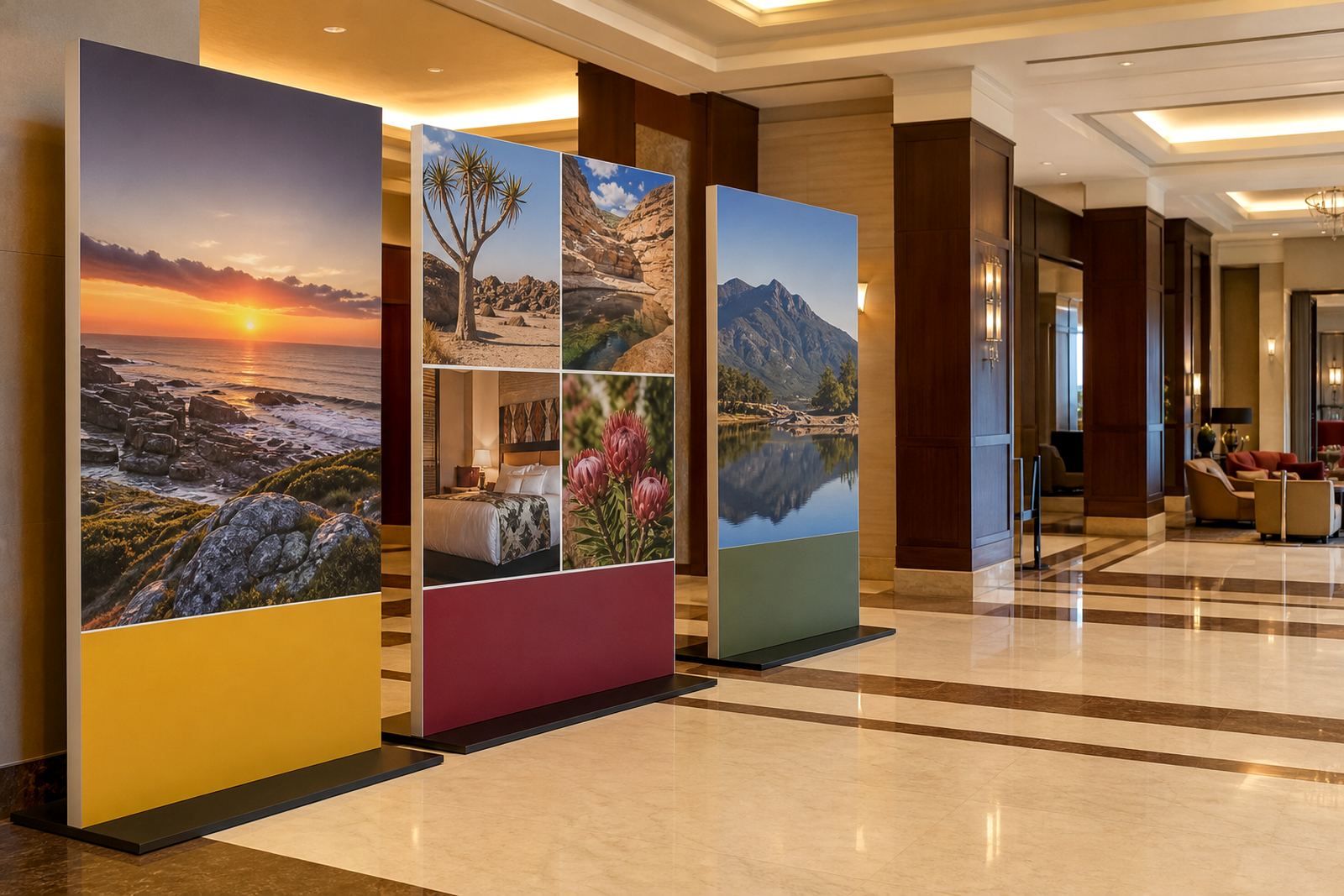
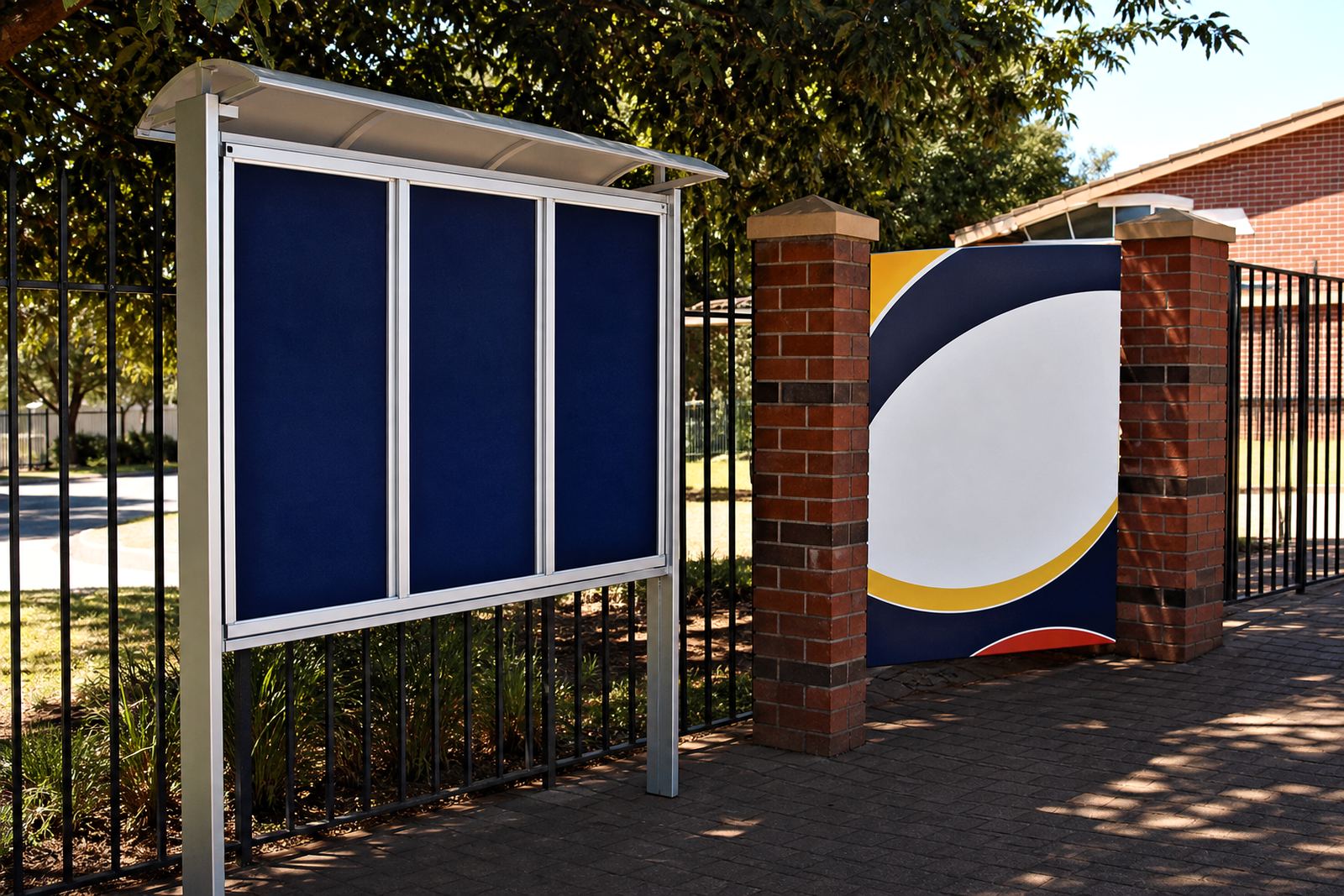
For campaign work, the board choice depends on where it will be placed and how long it must last. Some jobs call for light boards for indoor promotion, while others need a stiffer sheet for outdoor mounting on frames, walls or temporary structures. If the board is being used near a busy road or in a municipal area, it helps to confirm the fixing points and any local display rules before production begins.
- Foamed PVC for indoor and short outdoor use where the board needs a clean printed face and moderate rigidity.
- Corrugated plastic for temporary notices, event directions and quick-turn campaign signs.
- Composite or aluminium-style rigid panels for longer outdoor runs and cleaner edges on formal displays.
- Acrylic or clear media for special presentation panels where the look matters and the message area must stay sharp.
The print set-up is usually straightforward: one or more flat rigid boards, a print file with enough clear margin, and a fixing plan that matches the site. For larger runs, it helps to group artwork by size and finish so the production team can keep the workflow tidy and avoid mix-ups. Simple, but it saves time.
Planning the layout before the boards go to print
Campaign boards work best when the message is short and the layout is built around quick reading. The key details should be obvious from a distance, with the strongest contrast reserved for the main line, date, place or call to action. Smaller text can be used for legal notes, sponsor details or directional information, but it should not carry the main message. On roadside or public awareness work, too much information can make the board harder to read in moving traffic.
When planning a set of boards, it helps to decide early how the artwork will repeat across sizes. A board for a shopfront, a pavement frame and a roadside fence may use the same design system but different text scales. That way the campaign looks consistent without forcing one layout onto every site. Colour guidance also matters, especially when the same campaign must be printed in batches over several days and the client wants each board to match the rest.
- Keep the headline short and place it where the eye lands first.
- Allow safe margins so trimming or drilling does not cut into text.
- Use one strong image or graphic rather than several competing elements.
- Match the board size to the viewing distance and the mount point.
Ink, finish and handling for South African conditions
Flatbed UV inks are useful on rigid boards because they cure quickly on the surface and allow direct handling once the print is ready. For campaign boards, the ink choice and finish should be matched to the use case, whether the board is going indoors, outdoors, or into a mixed environment with shade in the morning and harsh sun by afternoon. In coastal areas, it is worth checking that the board material and fixing method can cope with moisture and salt in the air. Inland, heat and dust can affect installation and storage if the boards are left in a truck too long.
Surface prep matters as much as the ink. Some boards need a clean wipe before print, others need testing for adhesion and finish. If the board will be cut after printing, the team should allow for handling space and avoid placing important text too close to the edge. A small mistake here can mean a board that looks fine on screen but cuts badly on the day.
- Test the media before a full batch, especially on unfamiliar sheet stock.
- Keep printed boards flat and dry until installation.
- Plan for transport so corners do not chip in transit.
- If the board is exposed to sun, specify the correct display period and replacement date.
Common mistakes that waste time and Rand
The most common problems on campaign boards are not technical, they are planning problems. A client may approve a layout without checking viewing distance, then discover the text is too small once the board is up. Sometimes the wrong material is chosen for the site, or the installation team arrives with no fixings suitable for the wall or frame. It is also common for the campaign to change late, which leads to partial reprints and extra transport.
Another issue is colour drift between batches. If the artwork is printed over several days, it helps to keep the file control and colour guidance tight so the boards stay consistent. The same applies to spelling and date changes. One small typo can ruin a whole batch and the thing is, board jobs are often ordered in a hurry, so the checking stage needs to be proper before anyone hits print.
- Do not approve artwork without confirming final size and viewing distance.
- Do not choose a board type without checking wind, moisture and mounting conditions.
- Do not leave installation details to the last minute.
- Do not skip a sample if the campaign uses an unfamiliar media or finish.
Budget ranges for campaign board projects
Budget depends on the board size, the number of copies, the chosen rigid media, print coverage, cutting, and whether the job needs installation or site visits before production. Small indoor campaign boards may sit at the lower end of the range, while outdoor boards with site checks, fixing hardware and multiple delivery points will cost more. If the project needs urgent turnaround or a multi-city rollout across Johannesburg, Pretoria, Durban, Cape Town and Gqeberha, transport and scheduling need to be factored in as well.
As a working guide, simple short-run boards can be planned from a few hundred Rand per board, while larger or more involved campaign sets often move into the low thousands per site once print, finishing and support are included. Full sets with site preparation, training for handlers, maintenance planning or repeat supply will be quoted based on the actual brief. The cleanest way to budget is to share the board count, size, location and expected display period up front so the team can recommend the right material and workflow.