
What schools usually need printed
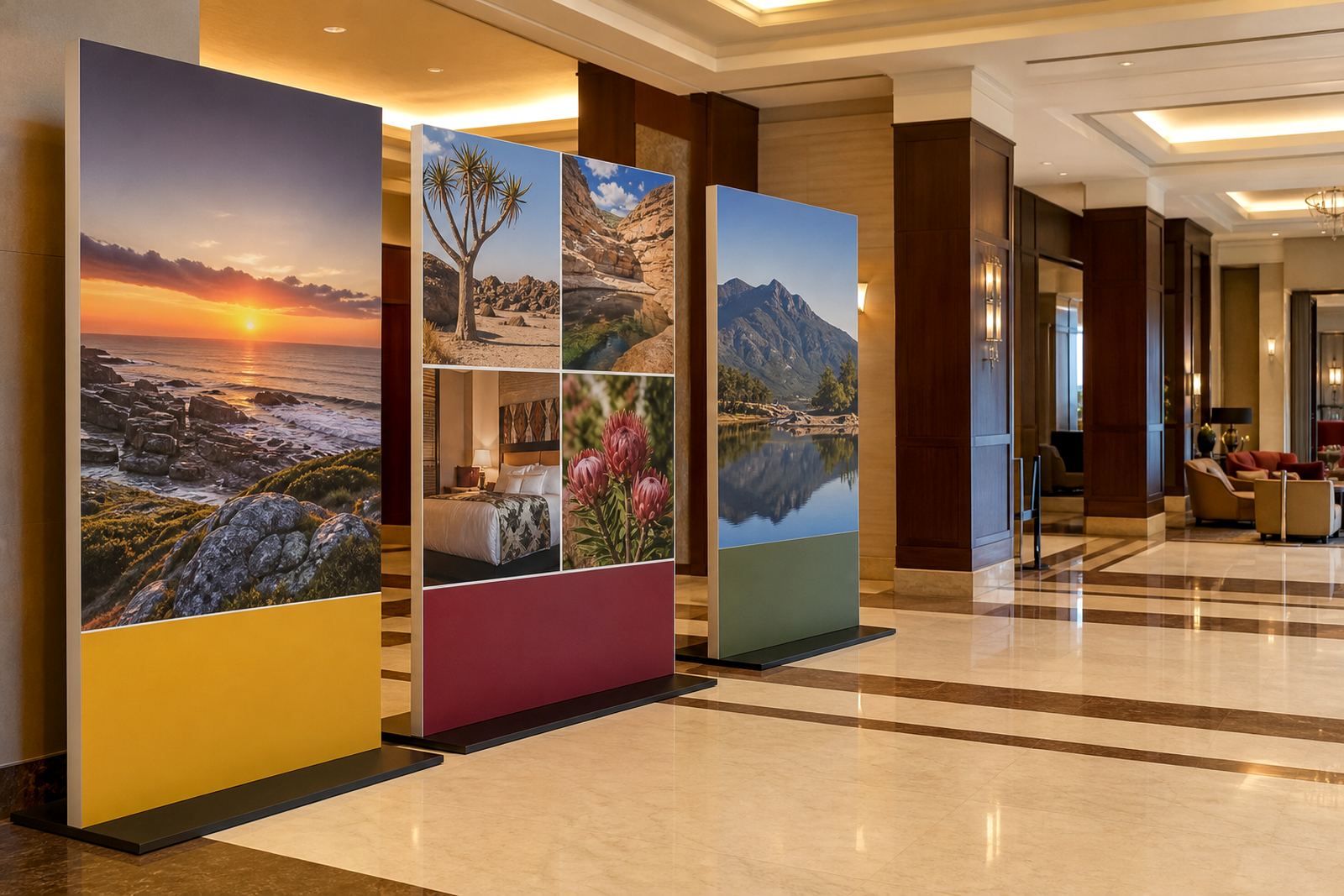
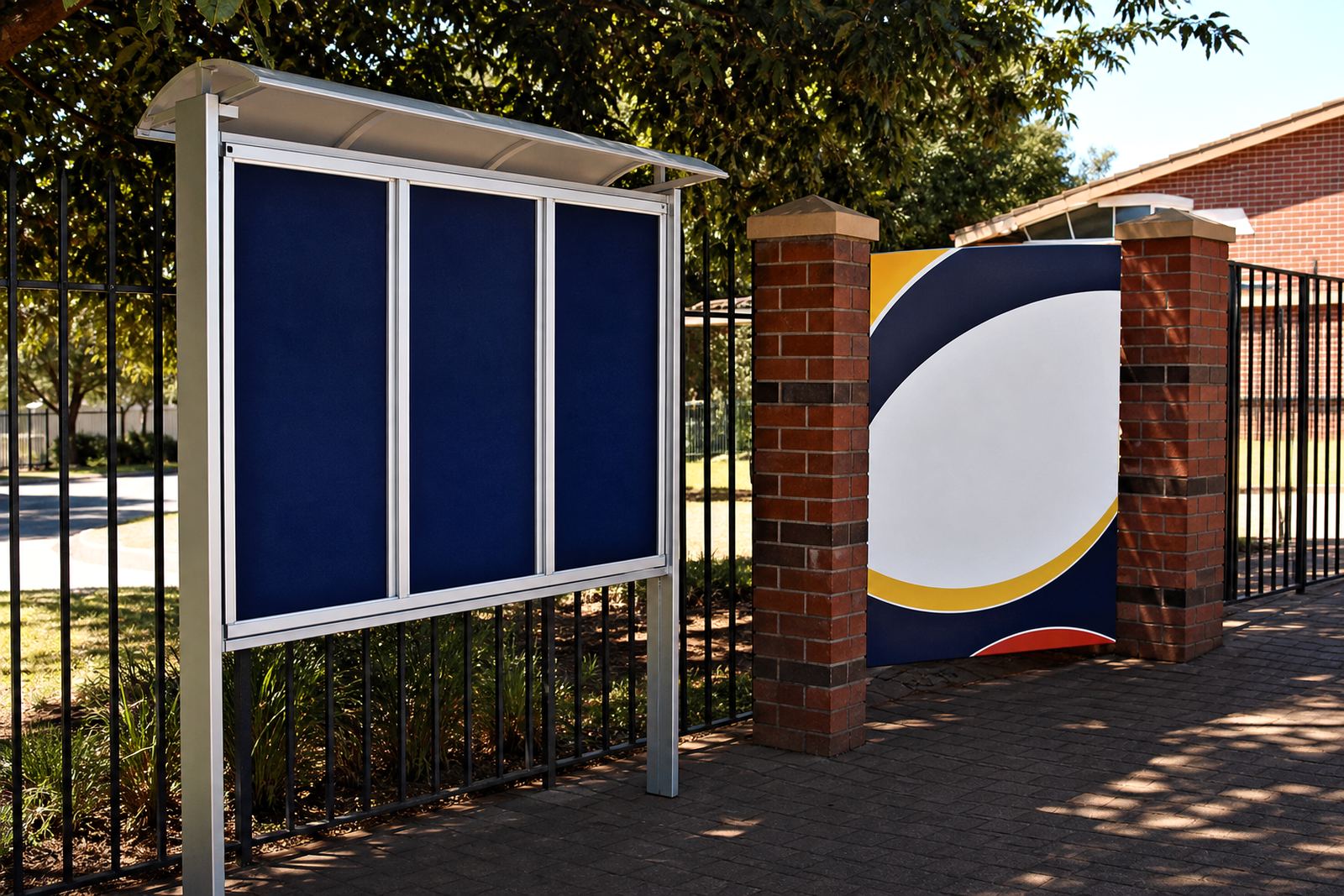
Schools need more than one type of display. A campus may use rigid boards for reception areas, wayfinding signs for gates and buildings, classroom name plates, safety notices, sports day boards, donor panels and event displays for assemblies or open days. In many cases the print has to work indoors and outdoors, with enough colour density to stay readable in direct sun and under strong hall lighting.
Flatbed UV printing is a good fit for these jobs because it prints directly onto rigid media and handles short runs without the wait time linked to mounting printed vinyl onto boards. For school use, the focus is usually on clean text, good contrast and finish options that suit the site. Some schools prefer a matt look to reduce glare in corridors and halls. Others want a gloss finish for display panels that must stand out at a distance.
For schools around Johannesburg, Pretoria, Durban, Cape Town and Gqeberha, the work often changes by season. January intake, matric events, sport tournaments and fundraisers all create separate print batches. A steady workflow helps the school avoid reordering the same board in a rush every time there is an event.
Typical flatbed UV setup for school work
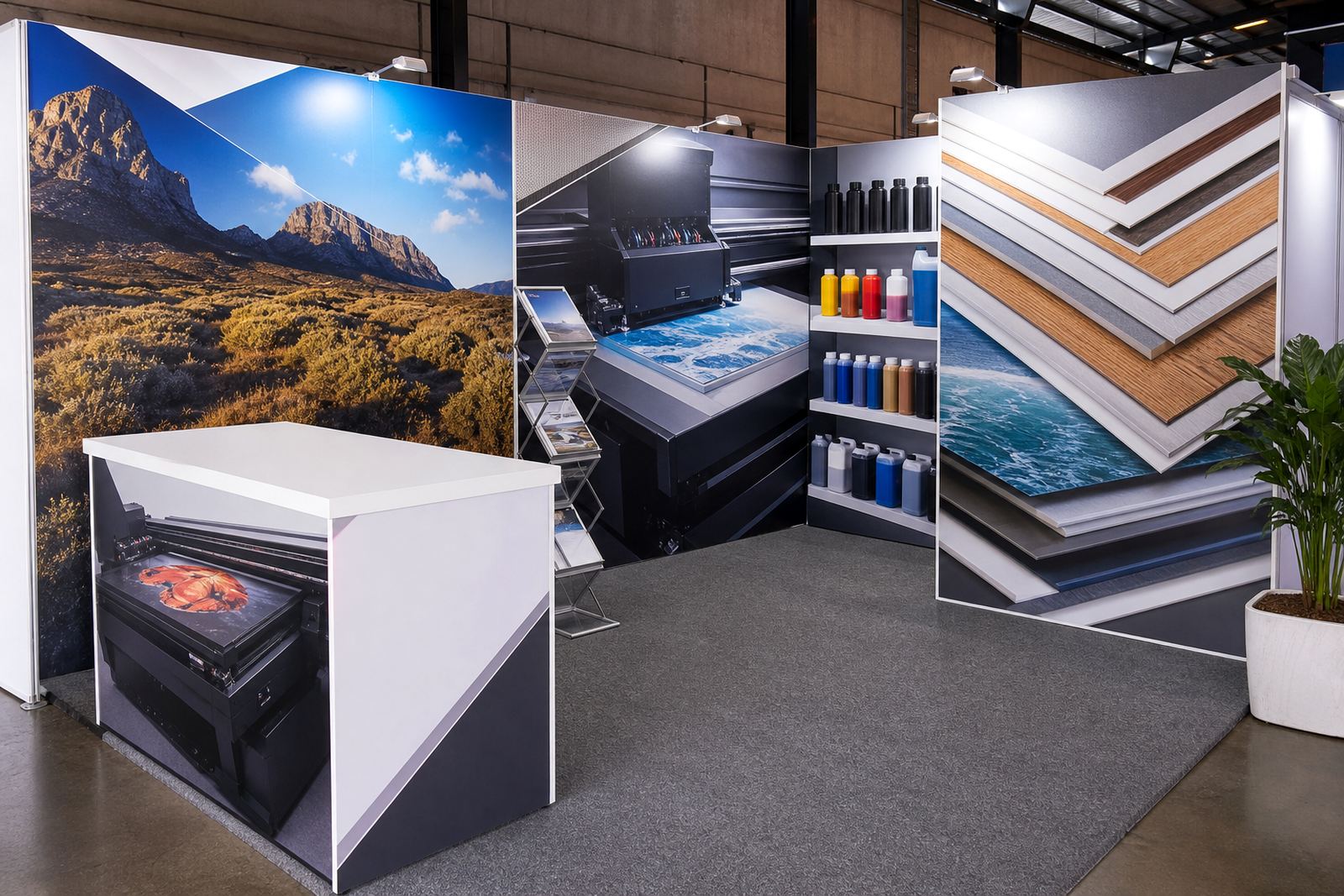
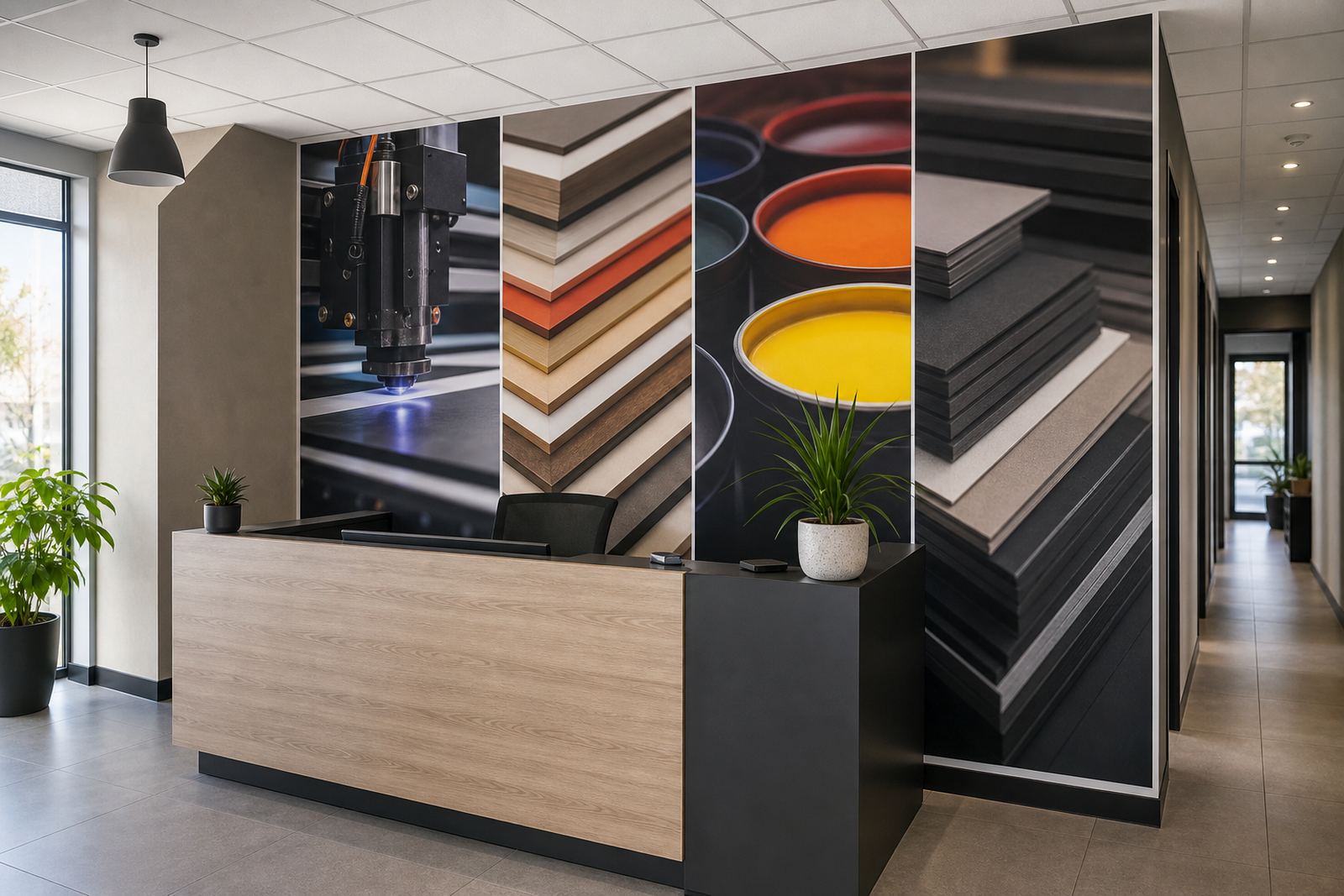
The usual setup for this type of work includes a flatbed UV printer, rigid boards in common school sizes, inks suited to indoor and outdoor use, and a cutting or finishing step where needed. The media may include foam board, PVC board, acrylic, composite board and other rigid materials chosen for the site and budget. The right choice depends on whether the sign will hang inside a foyer, stand outside near a gate, or be used for a short term event.
For school displays, the workflow normally starts with artwork checking, board sizing and a print order list. That is followed by media testing when the school is changing substrate, or if the board will be exposed to coastal humidity, strong sun or regular cleaning. Schools in Durban and Gqeberha often ask about edge wear and moisture, while inland sites may focus more on dust and UV exposure.
- Rigid boards for directional signs, learning aids and notices
- Event panels for prizegivings, assemblies and sports days
- Colour guided printing for school crests, house colours and safety graphics
- Test prints before full production when a new media type is used
Layout planning that saves time and money
Good layout planning starts with where the board will be seen from. A welcome sign near the gate needs large lettering and simple messaging. A corridor display can carry more detail because viewers stand closer. For educational boards, the font size, line spacing and image choice matter just as much as the ink. If the message is too crowded, the board looks busy and students will not read it properly.
It also helps to plan standard sizes. Schools that repeat the same board dimensions across departments can keep spares on hand and reduce waste. If a display system uses fixed fixing points or frames, those details should be set before printing. That avoids last minute trimming, extra drilling and rework. A practical production plan also leaves room for future changes, such as updated contact details, new subject names or house competition results.
When a school needs several panels at once, the print order should be grouped by use. For example, safety notices, classroom labels and event boards can each follow the same colour and finishing rules. That keeps production cleaner and makes maintenance easier later on.
- Keep text short and direct for distance viewing
- Use school colours with enough contrast against the background
- Allow for fixing holes, stands or frames before print time
- Plan replacement panels for annual events and changing notices
Common mistakes with school signage
One of the biggest mistakes is choosing the wrong board for the location. A display meant for a shaded hallway may fail outdoors if the board is too light or the finish is wrong. Another common issue is using too many colours without checking how they print on the chosen media. In school work, clear black text on a light background often performs better than a complicated layout with thin lettering and weak contrast.
Schools also run into trouble when they leave artwork until the last minute. That leads to rushed approvals, spelling errors and boards that do not match the school’s usual look. It is worth having one person approve names, dates and room numbers before production starts. Small errors in a safety sign or exam notice can cause confusion for staff and learners alike.
Load-shedding and term deadlines can also affect production. If the school needs regular updates, it is worth setting a simple print schedule and keeping a small stock of the most used panels. Preventive maintenance on the printer and proper ink handling help avoid stoppages, especially when a batch is due before an event.
Budget ranges schools can work with
Budget depends on size, media, finishing and how many panels are needed. Small indoor boards for classrooms or corridors usually sit at the lower end of the budget range, while large outdoor signs, reception displays and multi-panel event sets cost more because they use more board and finishing time. A practical school project can start from a few hundred Rand per small board and move into the low thousands for larger or repeated display runs. Exact pricing depends on artwork setup, the substrate chosen and whether installation is included.
Schools with ongoing needs often save money by grouping orders. A term’s worth of classroom labels, event boards and notice panels printed together is usually easier to budget for than many separate rush jobs. If the school is unsure what to choose, a short production consultation can help match the panel size, board type and print finish to the actual site use. That reduces waste and keeps the look consistent across the campus.
For schools across Germiston, the East Rand, Centurion and the major metros, the aim is the same: a display that reads well, lasts through the term and can be replaced without drama.
Support from first board to repeat orders
Flatbed UV supports schools with printer installation, site preparation, operator training, workflow planning, colour guidance, preventive maintenance, breakdown support, remote support, ink handling help, media testing, spares coordination and production consulting. That matters when the school wants to do some work in house and send bigger runs out when needed.
The team works from Germiston, Gauteng and supports clients across South Africa, including Johannesburg, Pretoria, Durban, Cape Town and Gqeberha. The enquiry form on the contact page is the easiest way for schools to ask about a new display range, compare board options or plan a repeat print schedule for the year.