Why Hospitality Boards Need A Different Approach
Hospitality graphics are handled more often than most people expect. A board at reception gets touched by guests, wiped by staff and moved during functions, while directional signs in parking areas or corridors face sunlight, cleaning products and the odd bump from trolleys. That is why flatbed UV printing is a practical option for rigid boards and signage in hotels, lodges, restaurants and conference venues.
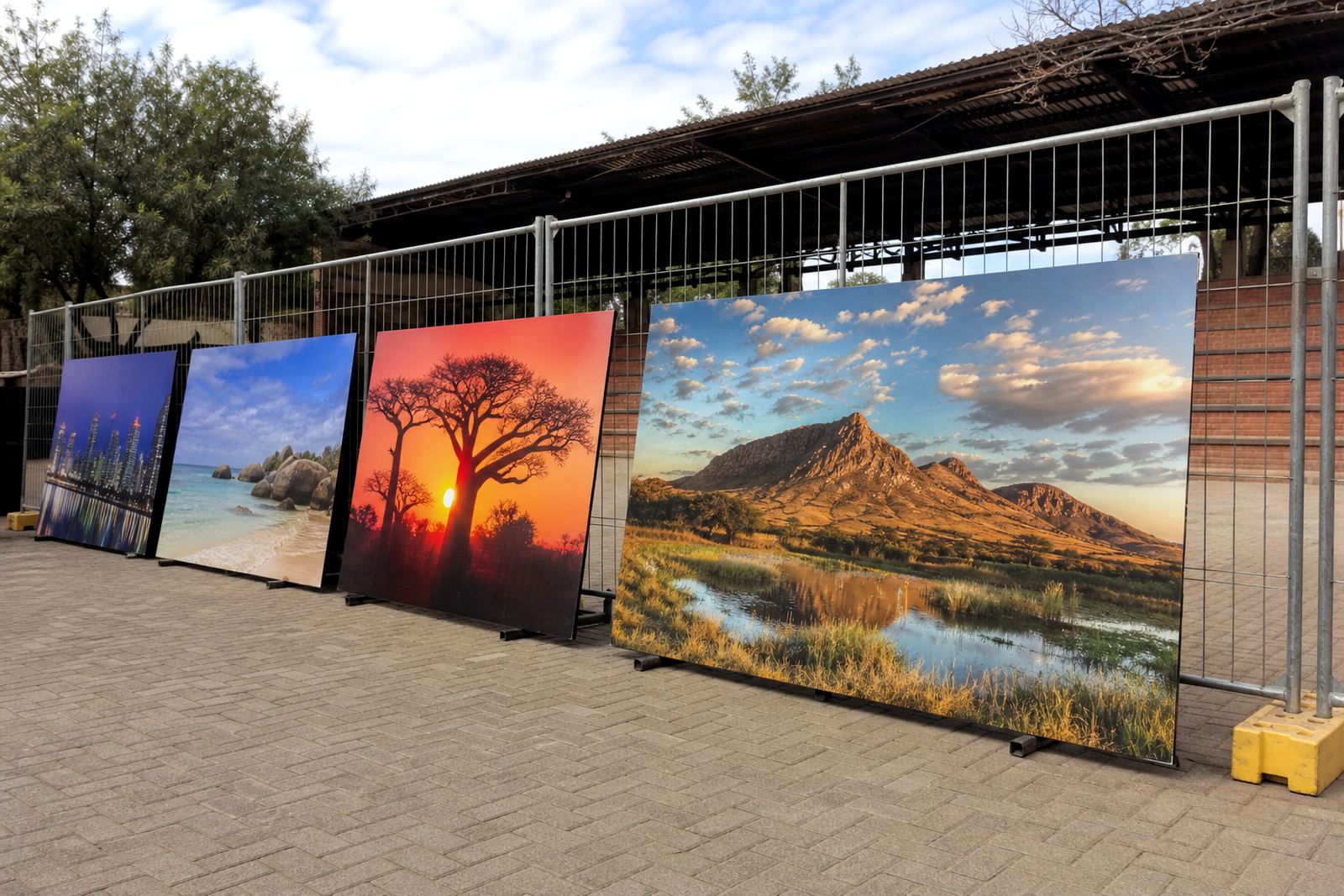
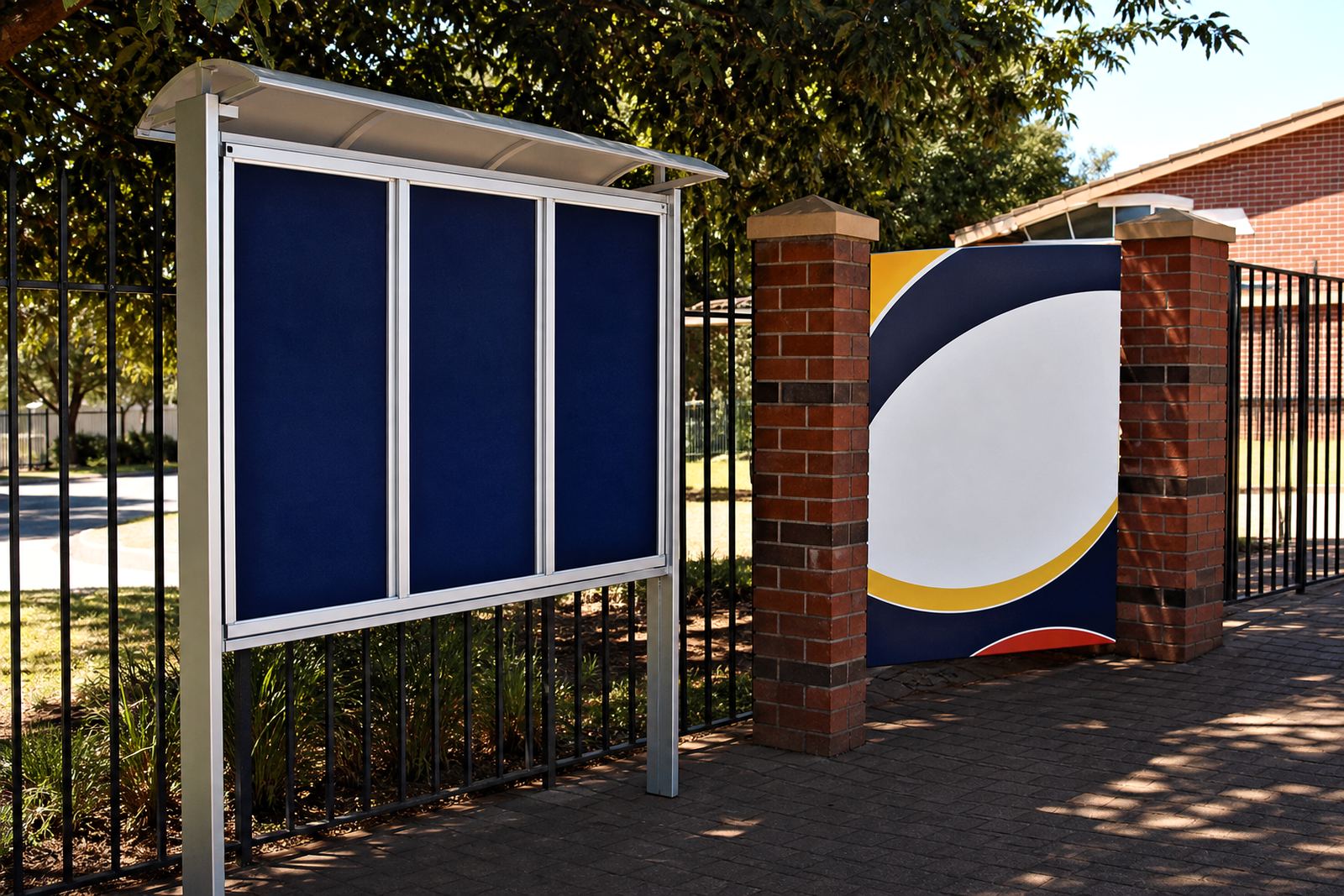
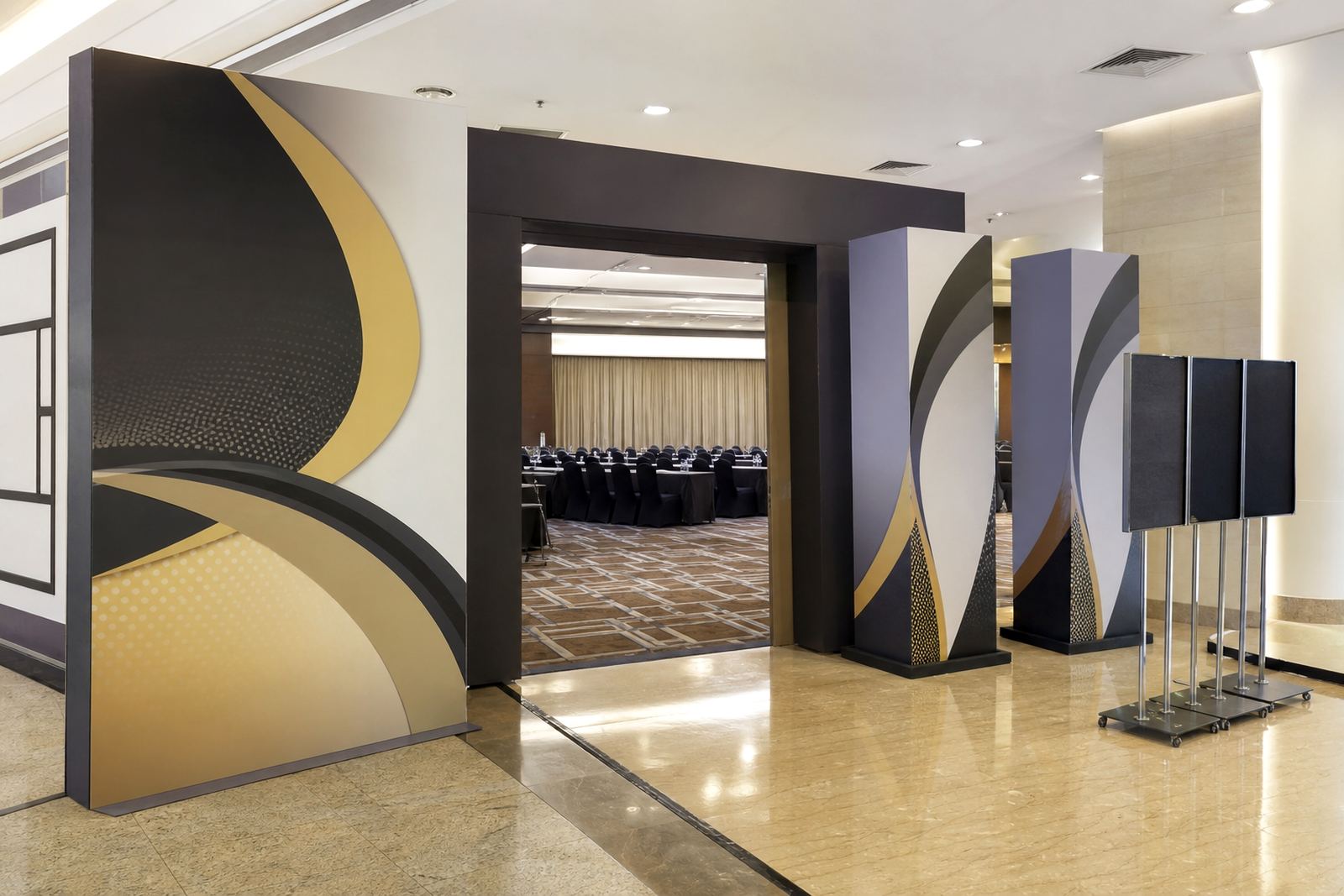
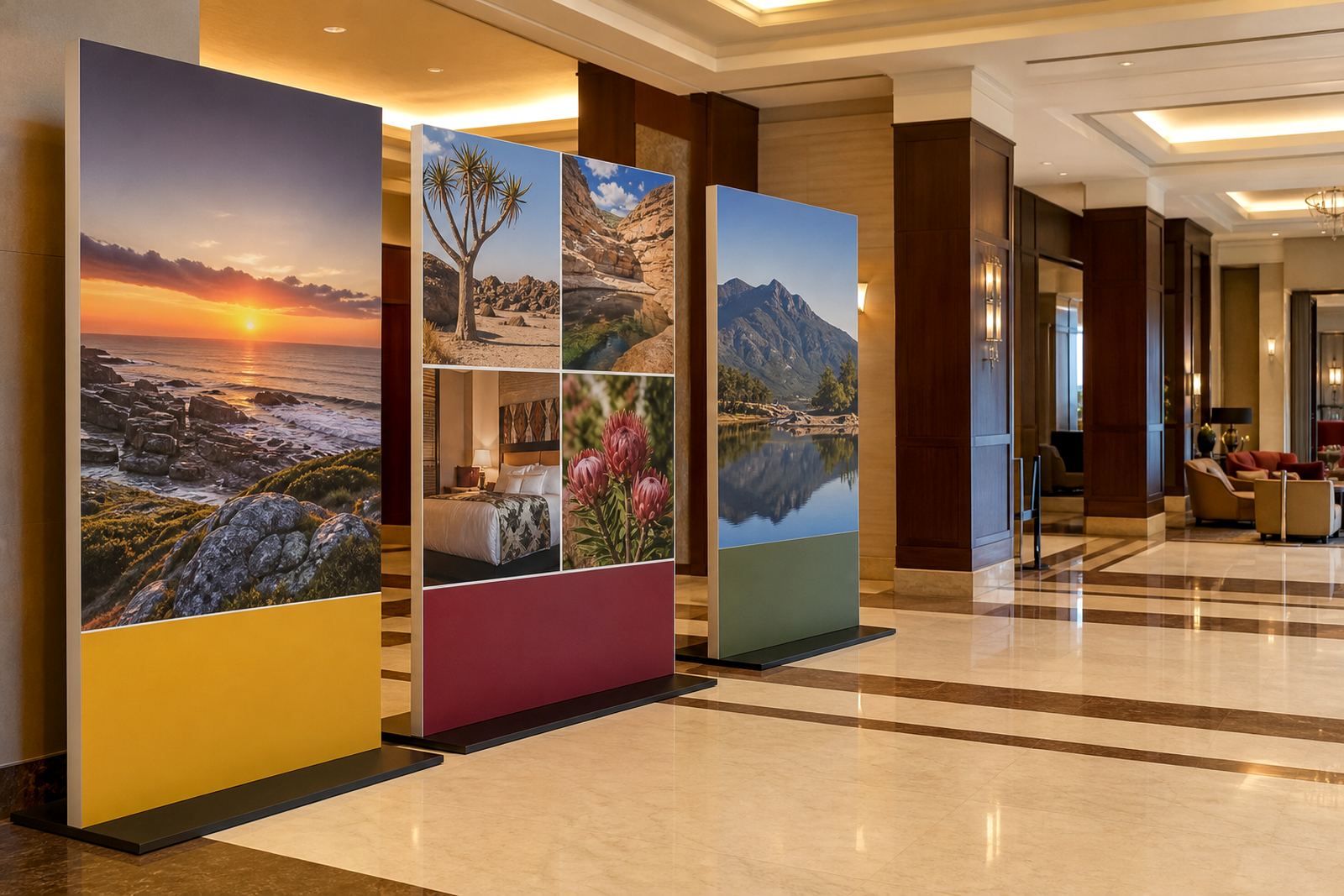
The process is suited to boards, panels and other flat materials used for welcome signs, table plan boards, menu panels, event signage and branded wall pieces. The print cures quickly on the surface, so the job can move into finishing and installation without long waiting times. For Gauteng venues working around load-shedding, that matters because schedules are tight and print runs often need to be planned around power availability and site access.
We work from Germiston and support hospitality clients across Johannesburg, Pretoria, Durban, Cape Town and Gqeberha. Sibusiso Mthembu leads the business as Managing Director, with a team that handles sales, technical work, training, service and production support. The point is simple: your boards need to arrive looking neat, be easy to maintain and fit the space they are going into.
Typical Boards Used In Hotels, Restaurants And Venues
The right media depends on where the board will live and how often it will be updated. Some areas need a premium finish for a first impression, while others just need clear information that lasts. In hospitality, rigid boards are often chosen because they look tidy, are easy to mount and do not curl in humid coastal air or dusty back-of-house spaces.
- Reception and foyer signs for welcome messages, check-in direction and branding
- Menu boards for casual dining areas, bars and function spaces
- Wayfinding boards for rooms, conference halls, ablution areas and parking
- Safety and rules boards for pools, kitchens, smoking areas and emergency routes
- Event boards for weddings, banquets, launches and temporary activations
- Promotional panels for specials, packages and seasonal campaigns
Flatbed UV printing is commonly used on rigid boards such as foam PVC, acrylic, composite panels, corrugated plastic and other sign substrates approved for the application. Not every board suits every finish, so it helps to match the material to the location. A board in a shaded foyer is not the same as one beside a pool or near a loading bay. Small details matter, like whether the panel needs drilling, stand-off mounting, or a clean edge finish for a framed look.
Planning The Layout Before Printing Starts
Good hospitality signage starts with the floor plan, not the print file. If a guest has to pause and turn around to find the conference room, the board has failed its job. Before printing, we usually look at the route a person takes from parking to reception, from reception to lifts, and from function entrance to seating. That planning helps determine size, viewing distance, placement and whether the message should be one sided or visible from both sides.
Text size must suit the reading distance. A small board that looks neat on a screen can become useless if it sits too far from the viewer. For menu boards, the eye level matters. For directional boards, contrast and clarity matter more than decorative detail. A lot of hospitality clients also need boards that can be changed seasonally, so we help plan panels that can be updated without redoing the whole structure.
Ayanda Dlamini supports training and workflow planning, which is useful when a restaurant group or venue team wants a repeatable system for updates. This can include a simple file structure, naming rules, content approval steps and print checks so nothing is missed before a busy weekend or event programme.
Inks, Finishes And Day-To-Day Cleaning
Flatbed UV printing uses inks that cure directly onto the board surface, which gives a practical result for indoor and semi-exposed hospitality areas. The finish can be matt, satin or gloss depending on the look you want and the reading conditions in the room. Matt finishes are often chosen for menus and directional signs because they reduce glare under bright lighting. Gloss can work well for feature pieces, but it may catch reflections in certain spaces.
Cleaning is another important point. Hospitality boards are often wiped down with standard cleaning cloths, so the print should be planned with the cleaning routine in mind. If a board is near a kitchen pass, bar counter or pool area, it may need extra care on the material selection and mounting method. Coastal humidity in places like Durban, Cape Town and Gqeberha can also affect how boards are stored before installation, so we advise on handling and site prep where needed.
- Keep boards flat and dry before installation
- Avoid harsh solvents unless the board finish allows it
- Use the right fixings for the wall type, not just what is on hand
- Check lighting at the actual site, not only in the workshop
Michael Naidoo handles service support and Zanele Khumalo supports production planning, which helps when a venue needs practical advice on what will last and what should be changed after a test piece is reviewed.
Common Mistakes That Cost Time And Rand
Hospitality signage problems usually come from rushing the layout or choosing the wrong substrate. One common mistake is using a board that looks good for a day but warps, chips or marks too easily once it is installed. Another is printing too much information on a small panel, which makes the message hard to read and forces staff to explain what the sign should have said in the first place.
Another issue is skipping site measurements. A board that is 20 mm too wide can interfere with a door frame, light fitting or bracket, and that means delays and extra cost. The same applies to colour. A neutral background on a screen may print darker than expected, especially if the room has warm lighting. We use colour guidance to help avoid surprises when the board is installed in the actual venue.
- Do not approve artwork before checking the wall size and viewing distance
- Do not mix temporary event graphics with permanent wayfinding without a clear plan
- Do not assume indoor boards are safe for semi-outdoor use near entrances
- Do not leave maintenance staff guessing about how to clean the finished panel
Johan van der Merwe supports technical work and breakdown response, so if a project needs adjustment, rework or field support, the process can be handled properly instead of becoming a rush job the night before guests arrive.
Budget Ranges For Hospitality Boards In Rand
Budgets depend on board size, material, number of colours, finishing and how many sites are involved. A small set of directional boards for a restaurant may sit in a modest budget range, while a full hotel signage package with reception pieces, function boards and room direction panels will cost more because the planning, setup and installation take longer. If a venue wants multiple versions for different branches or seasonal events, the total budget should allow for artwork changes and future reprints.
As a rough guide, many hospitality board projects start in the low thousands of Rand for simple indoor panels and can move into a higher range when larger rigid boards, site installation, mounting hardware and rush turnaround are included. If the job needs operator training, remote support or multiple site visits in Johannesburg, Pretoria, Durban, Cape Town or Gqeberha, those service items should be factored in early. It is better to plan properly than to pay twice for a correction.
Lerato Nkosi assists with sales and quotations, and Sibusiso Mthembu oversees the overall direction from Germiston. Clients can send an enquiry through the contact page when they need a quotation, a site discussion or help deciding which boards suit their property and budget.