When event work needs to look right first time
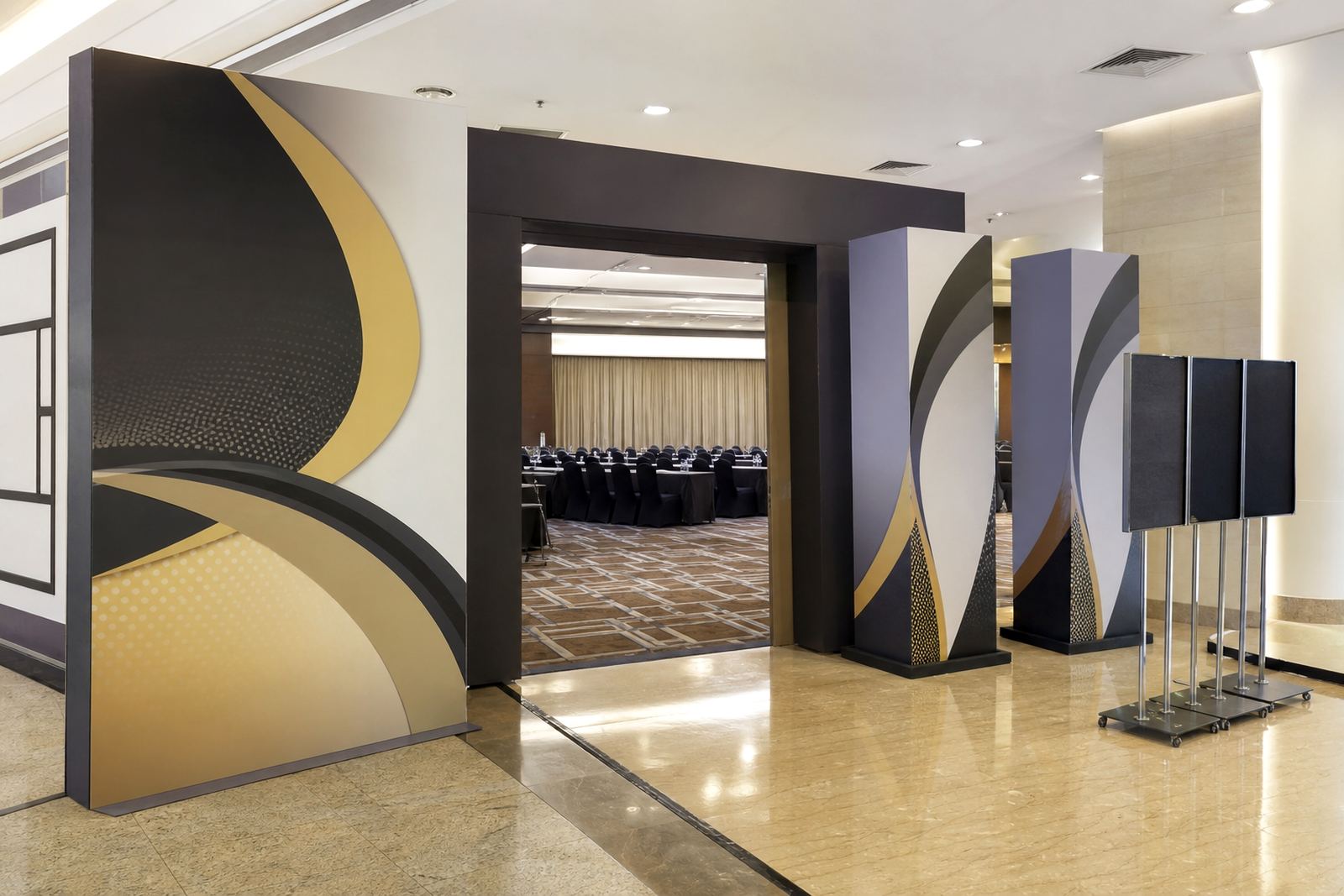
Event graphics usually move fast. One day it is a sponsor wall in Johannesburg, the next it is directional signage for a conference in Cape Town or a product launch in Durban. The pressure is on because boards must look sharp under indoor lighting, read clearly from a distance and survive handling by set-up crews. For many teams the real challenge is not only printing, but keeping colour steady across a mix of boards, inserts and last minute changes.
Flatbed UV printing suits this work because it prints directly onto rigid media such as foam board, PVC board, corrugated plastic, ACM, acrylic and other signage substrates. UV curing helps the ink set quickly, so boards can move into finishing sooner. That is useful when a client calls late on a Thursday and the event starts on Saturday. In coastal areas, especially Durban and Gqeberha, it also helps to plan for humidity so boards stay flat and clean during storage and transport.
Typical equipment set for event boards and signage
Most event teams do not need a complicated setup. They need a printer matched to the way they produce work, a clean media flow and a simple process for proofing. A flatbed UV printer setup for events is often used with white ink for darker substrates, spot colour matching for sponsor panels and layered printing for special effects or backlit style work where needed. The ink choice should suit the board and the finish the client expects.
- Rigid boards for sponsor panels, welcome signs and sponsor backdrops
- Directional signs for entrances, parking, registration and stage areas
- Counter boards, table markers and media wall inserts
- Lightweight display panels for short term indoor use
- Protective handling sheets, clean racking and cut files matched to final sizes
Before printing, the team should test ink adhesion on the actual board. Some boards need a simple wipe-down to remove dust or release residue. Others may need a primer or a change in print order. A quick sample at production stage can save a full day of reprints.
Planning layout so sponsors and directions stay readable
Event signage has one job: people must understand it quickly. That means good layout matters as much as print quality. Sponsor panels should keep logos in a clear grid with enough breathing space around each mark. Directional boards should use short wording, strong contrast and large type. If a board is read from 5 to 10 metres away, crowding the layout with too much detail will cause problems.
When planning a run, start with the view distance and the light source. Indoor venues often use spotlights or mixed lighting that can change how colours look across the hall. Outdoors, sunlight and shade can make pale colours wash out. For event crews in Gauteng, a common mistake is allowing the artwork to be approved on screen only, then finding the printed board looks too dark under hall lights. A printed proof or a small test panel is worth the effort.
- Keep wording short and direct
- Use one message per board where possible
- Leave enough margin for trimming and mounting
- Check venue rules for fire compliance and stand placement
- Match the print size to the final frame, easel or wall fixing
Common mistakes that cause delays and reprints
Event deadlines can expose small production errors very quickly. One common mistake is choosing the wrong board thickness for the mounting method. Another is ignoring the finish needed for the venue, especially where the board will be handled near food areas, wet weather entry points or repeated pack-downs. If the board flexes too much, corners lift and panels look untidy by the end of the day.
Operators also need to watch for artwork issues. Low-resolution logos, missing bleed and poor colour separation can all show up on a large panel. If there are several sponsors on one board, each logo should be checked for legibility at the final size not on a small preview. In a busy production room, the smallest missing detail can hold up the whole run and add cost.
Practical support helps here. Installation guidance, operator training and colour advice can reduce wastage and keep print runs consistent across multiple venues. With events, it is often the second and third board that reveal whether the workflow is really under control.
Budget ranges for event graphics in Rand
Budget depends on board size, media type, ink coverage, finishing and how much setup is needed before the run starts. A simple set of directional boards may cost far less than a full sponsor wall with matching panels, special cutting and same day turnaround. If the job needs site checks, artwork correction or transport between venues, those items should be planned in upfront.
As a broad working guide, event graphics projects may start at a few thousand Rand for small batches and move into the tens of thousands Rand for larger sponsor walls, multi board runs or full venue signage packs. The best cost control comes from standardising board sizes, reducing artwork changes and reusing layout templates where the event format stays similar. That makes reordering easier and keeps the colour look consistent from one event to the next.
- Small directional sets for one venue area
- Medium sponsor panel runs with a mix of board sizes
- Large event packages with multiple signs and replacements
Installation, training and support from Germiston to the coast
Flatbed UV is based in Germiston, Gauteng and supports event producers across South Africa including Johannesburg, Pretoria, Durban, Cape Town and Gqeberha. For teams running repeat events or managing more than one site, local support matters. It helps with installation planning, site preparation, operator training, preventive maintenance and breakdown support when deadlines are tight.
The team works with enquiries through the contact page and can assist with workflow planning, ink handling help, media testing and spares coordination. That is useful when your event calendar changes week by week and production needs to keep up. Sibusiso Mthembu leads the business as Managing Director, with support from Lerato Nkosi, Johan van der Merwe, Ayanda Dlamini, Michael Naidoo and Zanele Khumalo. In event work, a well-planned print room is worth more than a last minute rush, and good support can keep the boards moving out on time.