
Why Menu Price Boards Need Flatbed UV Printing
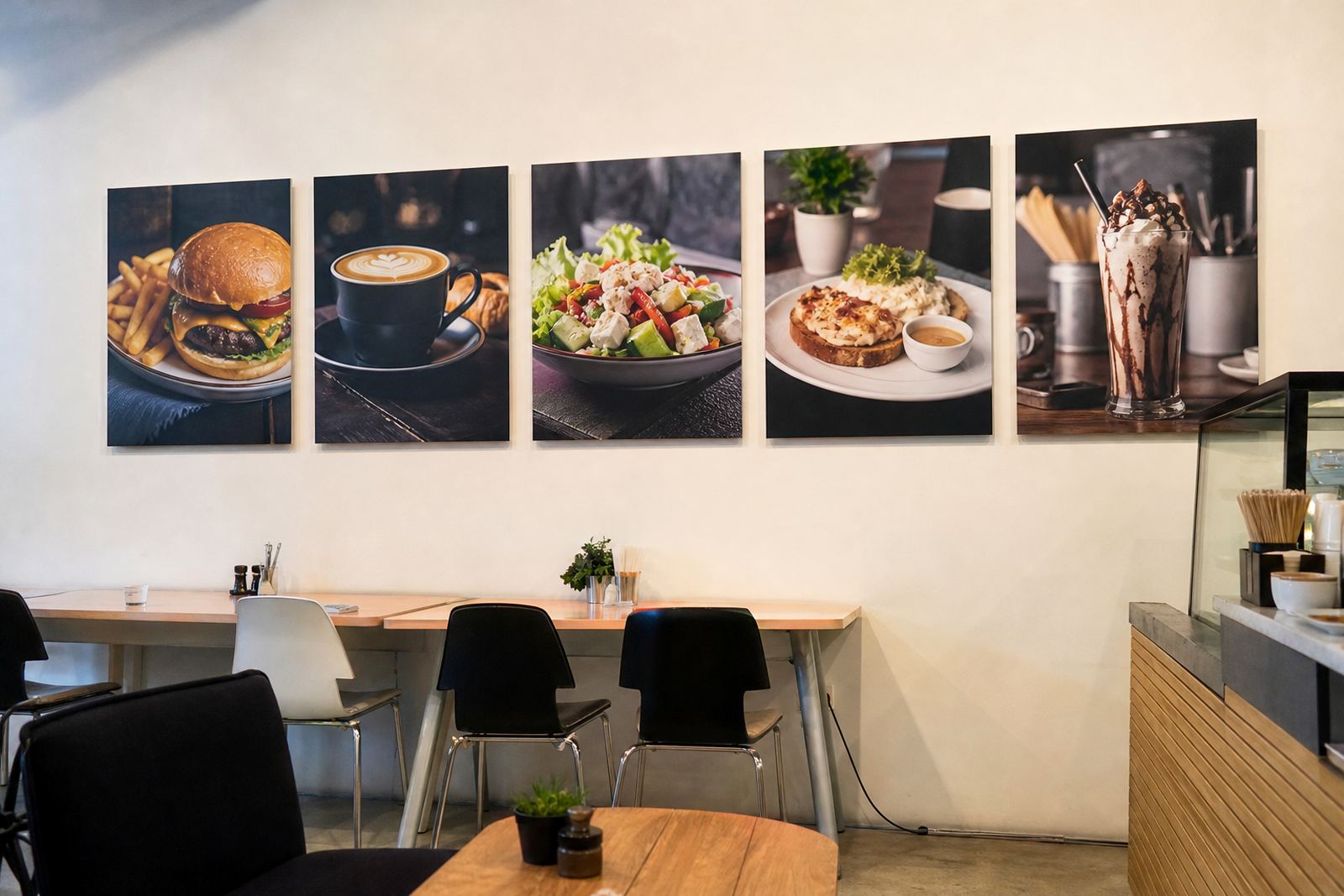
Menu boards and fixed price panels are handled often, wiped down daily, and exposed to sunlight, steam, dust and sometimes coastal moisture. A flatbed UV printed board is a good fit because the print sits directly on a rigid surface and can be used for indoor counters, wall menus, takeaway specials and outdoor price displays. For restaurants, cafés, bottle stores, hardware shops and service counters, the main aim is simple: keep the pricing clear for months, not just a few busy weekends.
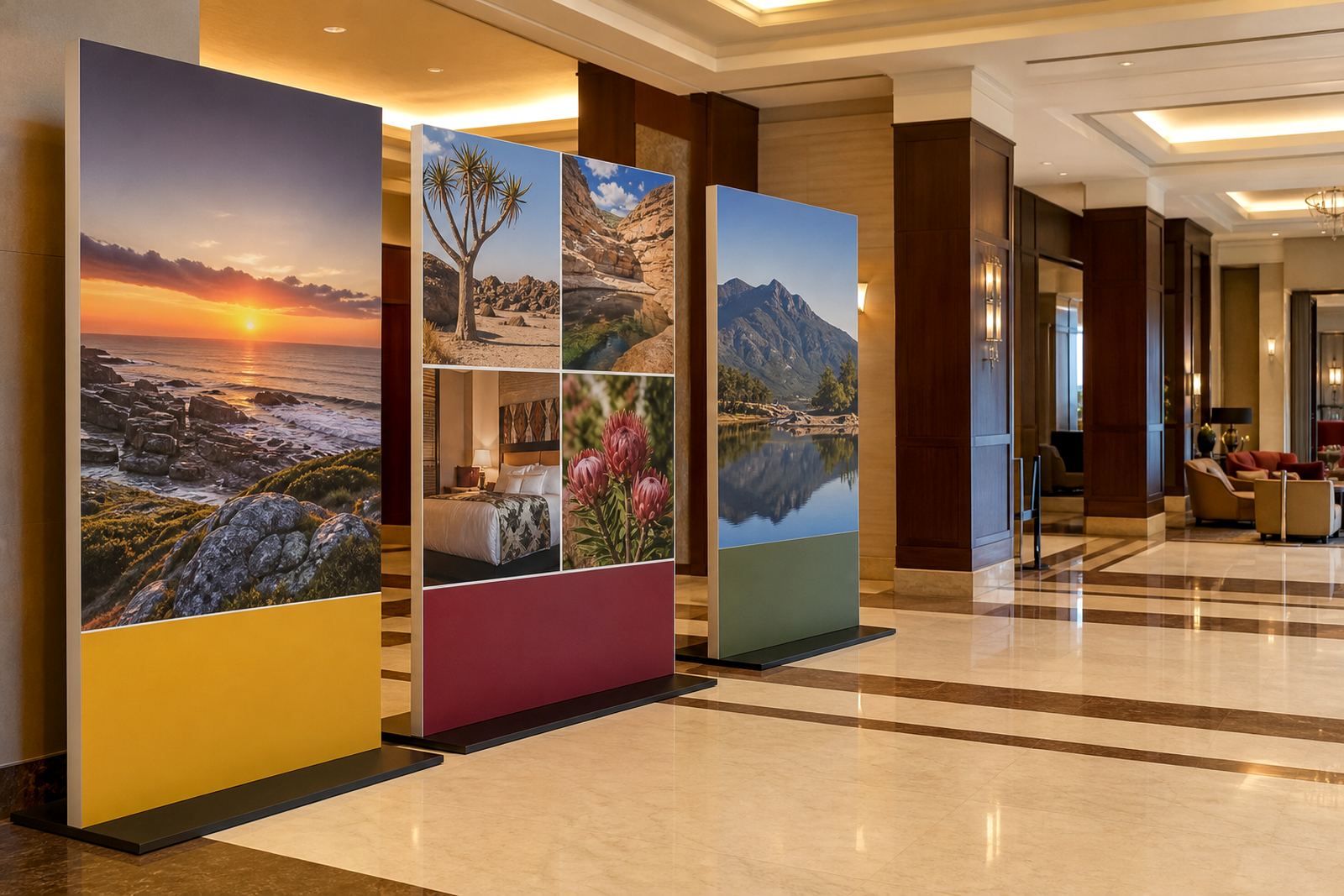
Flatbed UV printing is useful where you need crisp text, solid blocks of colour and a neat finish on rigid material. The workflow normally starts with a layout check, then media selection, then print and curing, followed by trimming, drilling or mounting. If the board will be cleaned often, the surface finish and ink handling matter as much as the artwork.
Typical Board Types And Media Choices
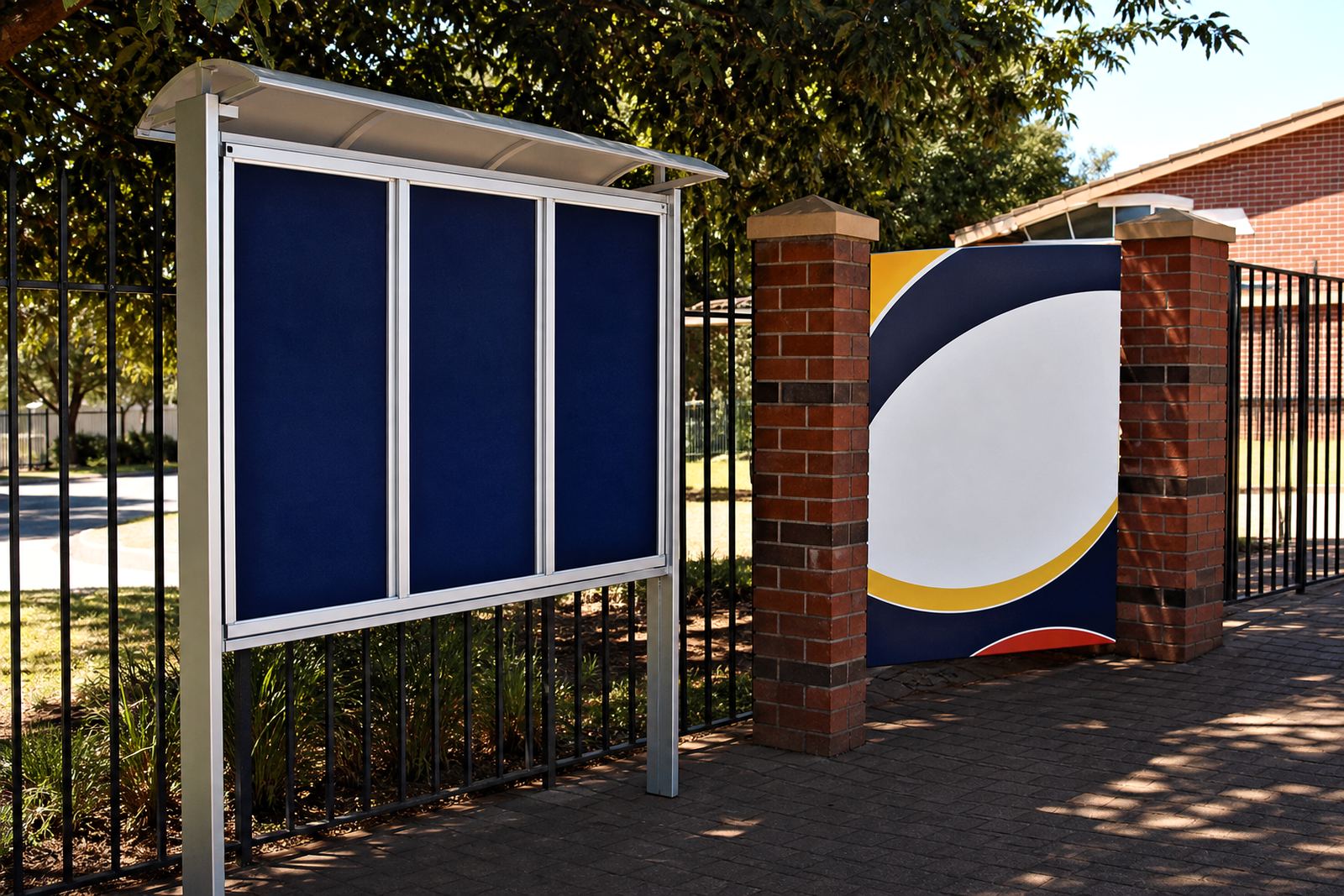
Most menu price boards use rigid media that stays flat and handles regular handling. The right choice depends on whether the board hangs indoors, sits near a window, or needs to survive wind, rain and strong sun. In Gauteng, a board near a shopfront can get a lot of direct light. In Durban or Gqeberha, humidity and salt air also need to be considered when selecting a board and mounting method.
Common options include:
- Foam board for light indoor menu panels and short to medium term promotions
- Corflute for temporary specials, event pricing and lightweight signage
- ACM or similar composite board for cleaner long term signage and outdoor use
- Acrylic or clear rigid panels where a more premium look is needed
- Foamed PVC for stable indoor boards with a neat printed finish
Not every surface suits every ink set or fixing method, so media testing is worth doing before a full run.
Layout Planning For Clear Pricing
Menu boards work best when the eye can move quickly from item name to price. A busy layout slows people down and can cause mistakes at point of sale. Keep the hierarchy simple: heading, item, price, then a short support line if needed. Where there are daily specials or multiple sizes, a consistent grid makes updates easier.
Before printing, plan the board around viewing distance, lighting and the counter position. Small text that looks fine on screen may disappear once mounted above a till or under bright strip lighting. If the board will be read from across a room, use larger type and higher contrast. For long lists, split the content into sections rather than packing everything into one panel.
- Leave enough white space around prices so they stand out
- Use one font family and keep weights consistent
- Check spelling, prices and currency formatting before production
- Allow for trim margins and fixing holes
- Keep brand colours readable on the chosen media
Common Mistakes That Cost Time And Money
A lot of reprints happen because the board was planned for a screen, not for a physical panel. One common mistake is using thin text on a dark background, which can look good in a file but print poorly on rigid media. Another is forgetting that certain board sizes need stronger support or a better mounting method to stop warping. If the board is going outside, low grade material and poor edge sealing can lead to curling, lifting or dulling over time.
It also helps to match the finish to the use-case. A glossy board can look sharp in a showroom but create glare near windows or pendant lights. Matte or satin finishes are often easier to read in busy spaces. For takeaway counters and high traffic sites, keep the artwork simple enough that staff can update pricing without redoing the whole panel each time.
Budget Ranges For Menu Price Boards In Rand
Costs vary with size, board type, print coverage, finishing and whether the job needs installation. A small indoor menu panel can be kept within a practical budget, while a larger outdoor price wall or multi panel set will cost more because of material, labour and mounting requirements. If you need several boards for one site, it is often more cost effective to group them into one production run.
As a rough guide, smaller rigid menu boards may start in the low hundreds of Rand each, depending on size and material, while larger premium boards or multiple panel sets can move into the higher hundreds or thousands. If the job includes site prep, drilling, fixings, delivery and installation across Johannesburg, Pretoria, Durban, Cape Town or Gqeberha, the final amount will reflect travel and handling as well. It is better to budget for a proper board once than to replace a cheaper one after a few months.
- Short term promotions: lower media cost, quicker turnaround
- Indoor fixed menus: moderate budget with cleaner finish options
- Outdoor or coastal sites: higher budget for tougher media and fixing
- Multi board rollouts: better pricing when planned as one set
Installation, Training And Ongoing Support
For menu boards that need to stay in place and look straight, the installation matters just as much as the print. Site preparation can include measuring wall space, checking surface condition, confirming fixings and making sure the board sits level. In retail parks and food service locations, rules about mounting height, fire routes and public access can affect the final layout.
Flatbed UV supports printer installation, operator training, workflow planning, colour guidance, preventive maintenance and breakdown support from Germiston across South Africa. If a client is running menu boards in more than one branch, remote support and production consulting help keep the look consistent from one site to the next. We also assist with ink handling help, media testing and spares coordination where needed.
- Printer installation and site preparation for new setups
- Operator training for day to day production
- Preventive maintenance to reduce downtime during busy periods
- Remote support when a site needs quick guidance
- Production consulting for repeat menu board work