
Retail signage that has to look right at close range
In retail, people stand close to the work. They read prices, compare offers and notice every edge, join and colour shift. That is why flatbed UV printing is a practical choice for promotional boards, shelf-end panels, directional signs and window backing panels. The print goes straight onto rigid media, so the finished piece is ready for fixing, mounting or freestanding display with less handling after print.
For stores in Germiston, Johannesburg and Pretoria, the main concern is not only appearance. Signs must handle daily cleaning, sunlight through glass, occasional knocks from trolleys and the pressure of quick promotions. In coastal areas such as Durban and Gqeberha, humidity can also affect boards and adhesives, so the media choice matters as much as the image. A good retail job starts with the right board thickness, the right ink cure and a layout that reads in three seconds or less.
Typical flatbed UV set-up for shopfitting work
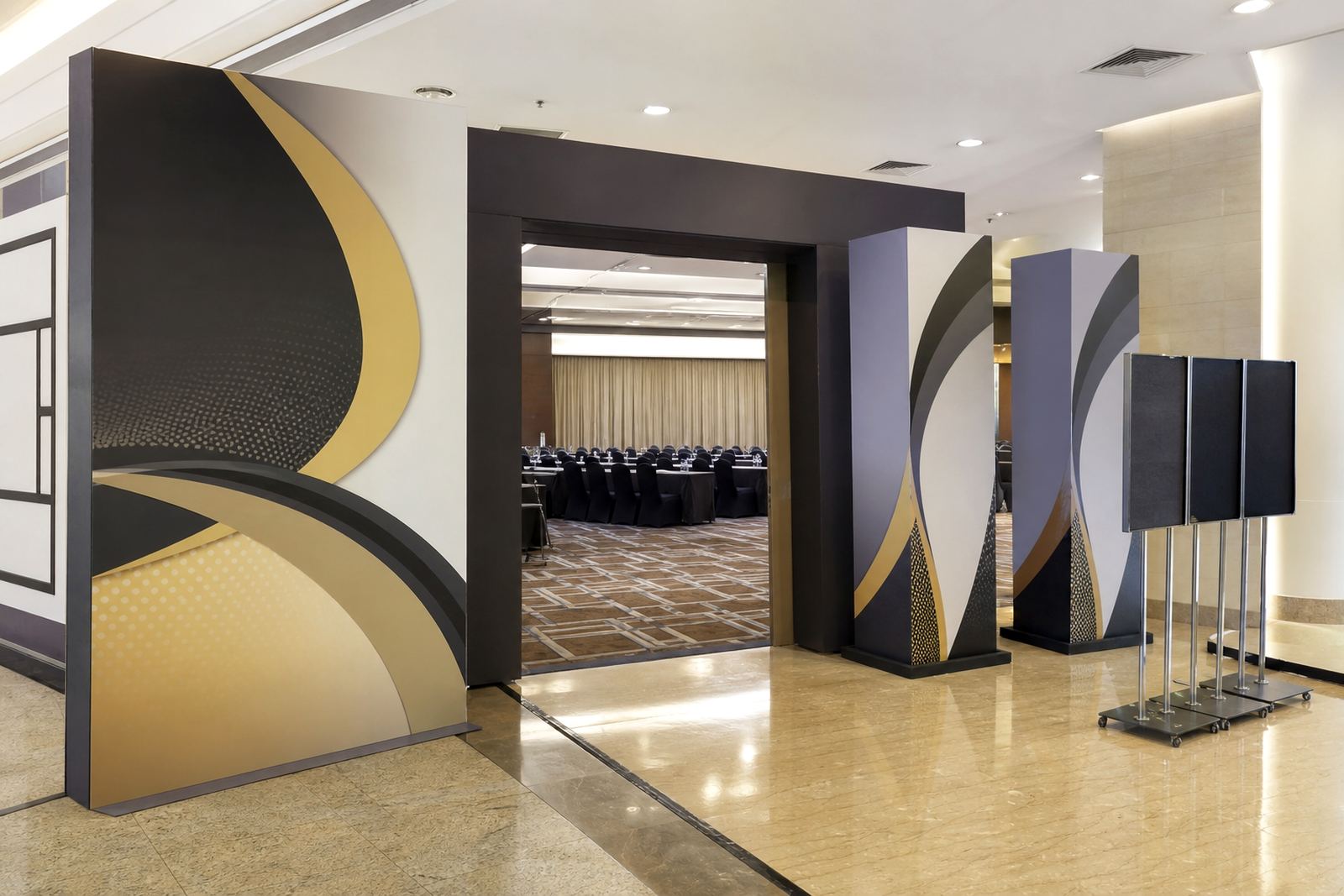
A retail signage workflow usually starts with a rigid board or panel that suits the site. Common options include foam board, PVC board, acrylic, corrugated plastic and composite panels, depending on where the sign will live and how long it must last. UV inks are used because they cure quickly under light and are suited to direct printing on rigid media. The result is a print that can be used for indoor displays, some short-term outdoor boards and window-facing applications, provided the material and finish match the job.
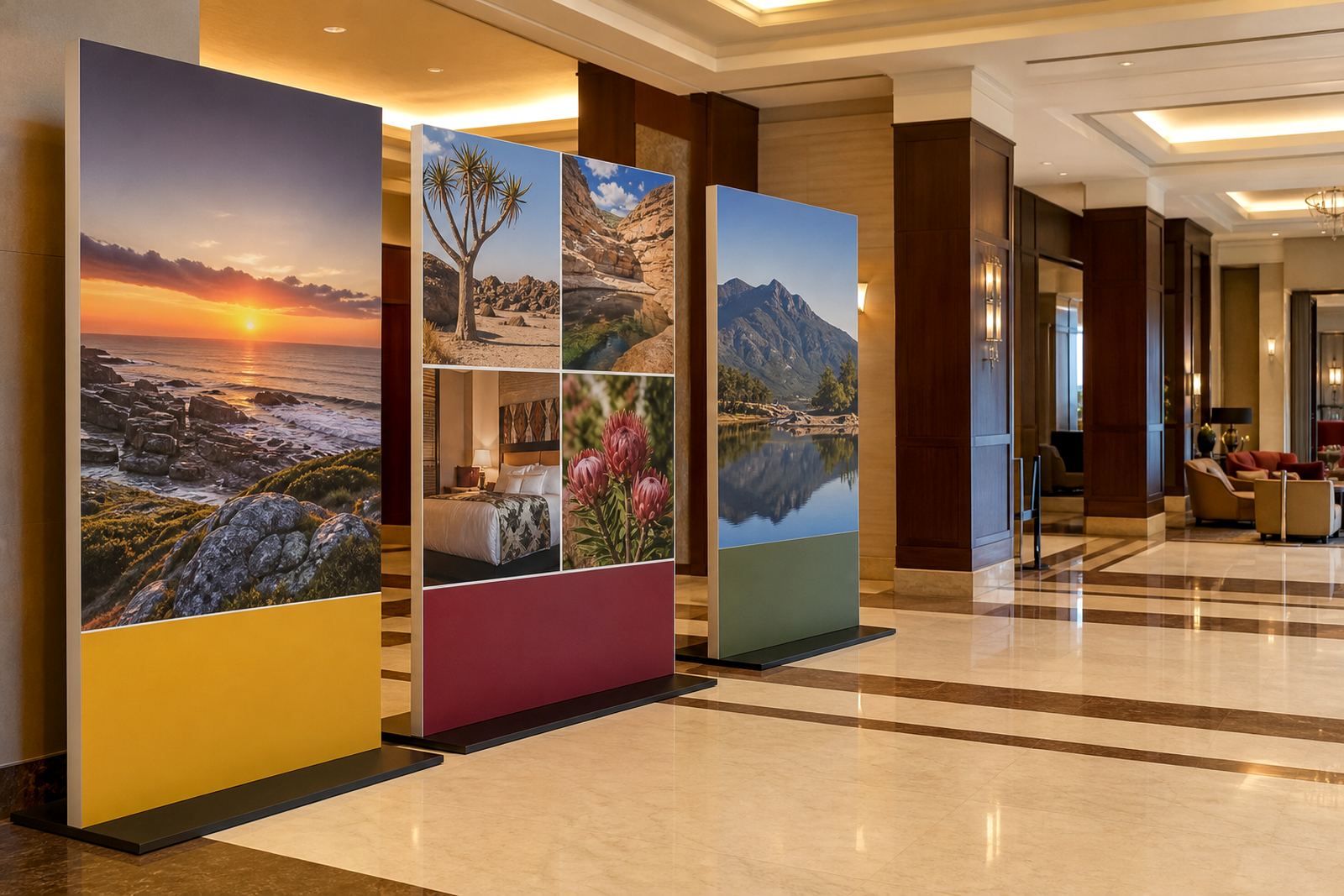
- Promotional boards for special offers and seasonal campaigns
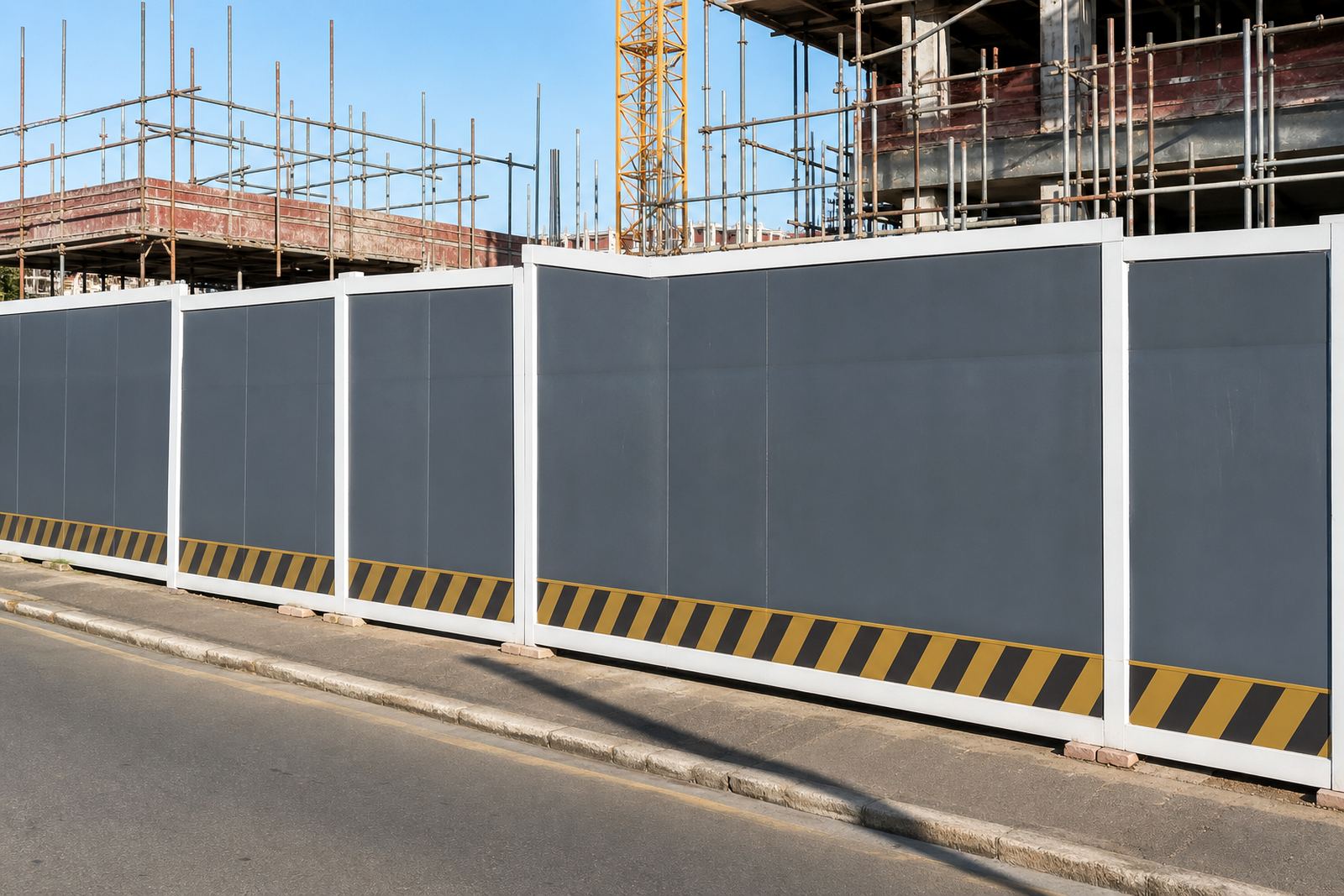
- Window backing panels for privacy and branded street-facing displays
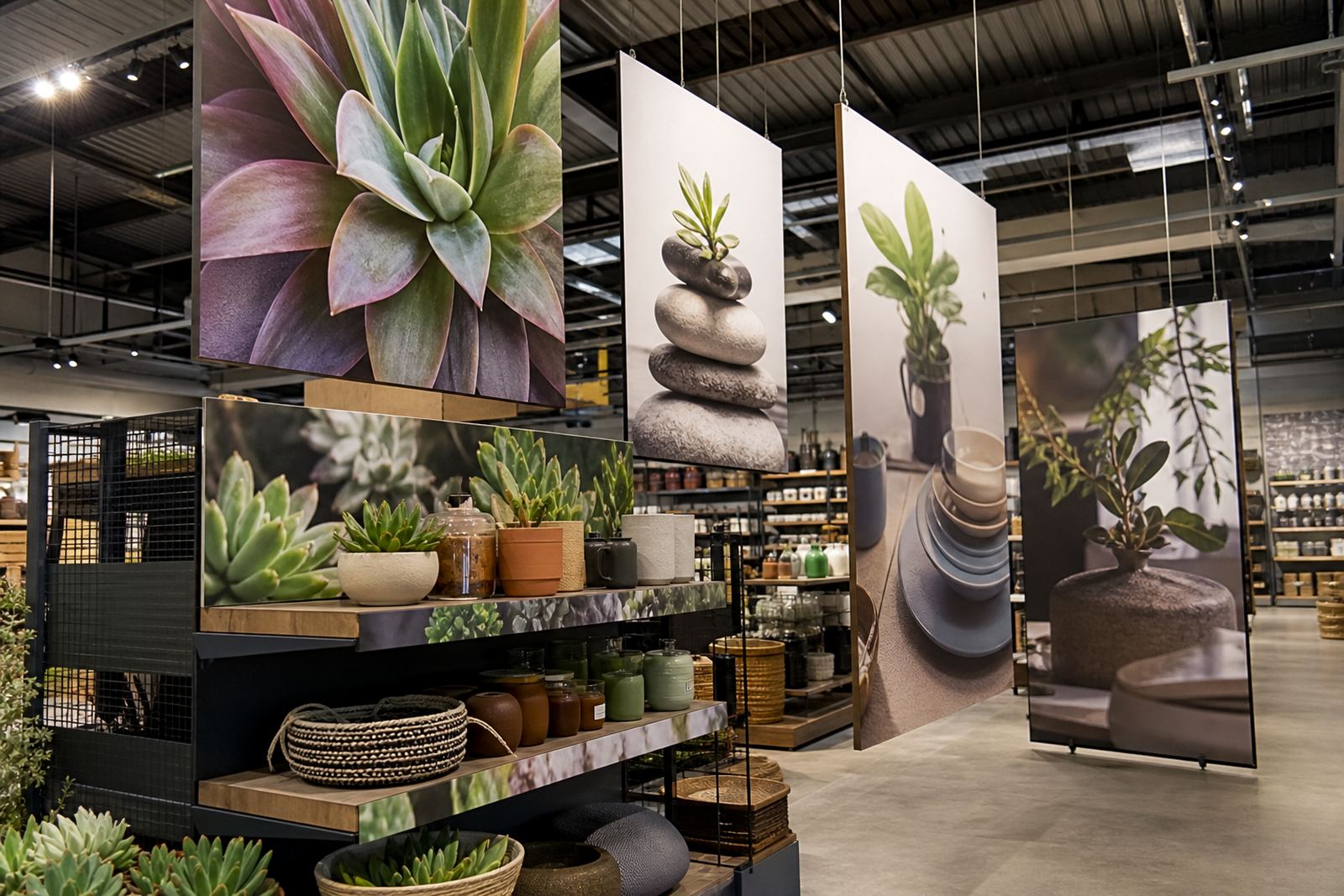
- In-store category signs, aisle markers and directional boards
- Counter panels, queue signs and point-of-sale displays
- Temporary launch panels for events, product reveals and mall activations
For stores that change graphics often, it helps to plan a standard board size. That reduces waste, speeds up reprints and makes storage easier in the stock room. We also advise on whether a matte or gloss finish is better for lighting conditions, since harsh downlights and glass reflections can make a sign hard to read.
Layout and planning advice before anything goes to print
Retail signage works best when the layout is planned for the real space, not just the artwork file. Measure wall widths, glass panels and mounting points on site. Check where lights fall, where customers queue and where the sign will be viewed from. A board that looks strong on screen can fail once it meets a reflective window or a narrow aisle.
Keep copy short and direct. Use one message per panel where possible, with enough contrast between the text and background. If the board sits behind a till point or at eye level in a mall, allow for the fact that people read while moving. Also check municipal or mall rules before producing large window graphics or exterior-facing boards. Some centres have limits on coverage, fire exits, visibility and fixing methods, and it is easier to sort that before printing than after the panel is trimmed.
- Confirm the exact board size, fixing method and viewing distance
- Allow a clean margin for cutting, trimming and installation
- Check whether the panel will face direct sun, aircon or moisture
- Match the colour file to the intended media, not just the artwork sample
- Plan storage for spare panels if the campaign will run in stages
Common mistakes that cost time and money
One common mistake is choosing the wrong media for the site. A thin board that is fine for a short indoor promotion may warp at the window or chip during transport. Another issue is overloading the panel with text, logos and prices all at once. In retail, clutter usually weakens the message. The eye needs a clear path from headline to offer to action.
Colour drift is another problem. Under warm mall lighting, a blue can shift and a red can look darker than expected. That is why colour guidance matters before a full run. Load-shedding can also interrupt production schedules, so planning should allow for curing, drying and job sequencing. If the print is rushed through, there may be issues with ink cure, surface finish or registration at the final trim. Small errors become obvious on a shop wall, especially when the same panel repeats across several branches.
We also see signs installed without thinking about replacement. If a price panel or seasonal board must be changed every few weeks, use a format that can be removed and re-fixed without damage. That saves labour and keeps the shop looking tidy.
Budget ranges for retail signage projects
Retail signage budgets vary by size, media, finish and installation. A simple one-off rigid board for an indoor promotion may sit in the lower hundreds of Rand, while larger printed panels, sets of window backing boards or multiple store rollouts can move into the low thousands. If mounting, site preparation, transport and removal of old signage are included, the total rises accordingly.
As a practical guide, small shop signs and single boards are often priced as entry-level jobs, medium in-store campaigns sit in the mid-range, and multi-site retail rollouts need a proper production plan. The most cost-effective approach is usually to standardise sizes across branches and keep one file set that can be updated for prices or seasonal changes. That cuts waste and makes reprints simpler when a promotion changes at short notice.
For branches in Johannesburg, Centurion, Durban, Cape Town and Gqeberha, shipping and site access can also affect the final figure. A sign for a mall level with tight loading rules is different from one going into a street-facing shop with easy access. When the brief is clear, it is easier to quote accurately and avoid extras later.
Support for stores across South Africa
Flatbed UV work for retail signage often needs more than printing alone. Installation, operator training, workflow planning, media testing and spares coordination all play a part in keeping production steady. For in-house print rooms, we help with ink handling, preventive maintenance and production consulting so staff can manage repeat jobs without delays. Where there is a breakdown, remote support and service visits help get the line moving again.
We work from Germiston and support clients across Johannesburg, Pretoria, Durban, Cape Town and Gqeberha, with East Rand and Centurion support as well. That matters when a store campaign is tied to a launch date and the panels have to be ready on time. If you need retail signage boards, window backing panels or a full in-store refresh, the enquiry form on our contact page is the right place to start.