Where rigid safety boards are used
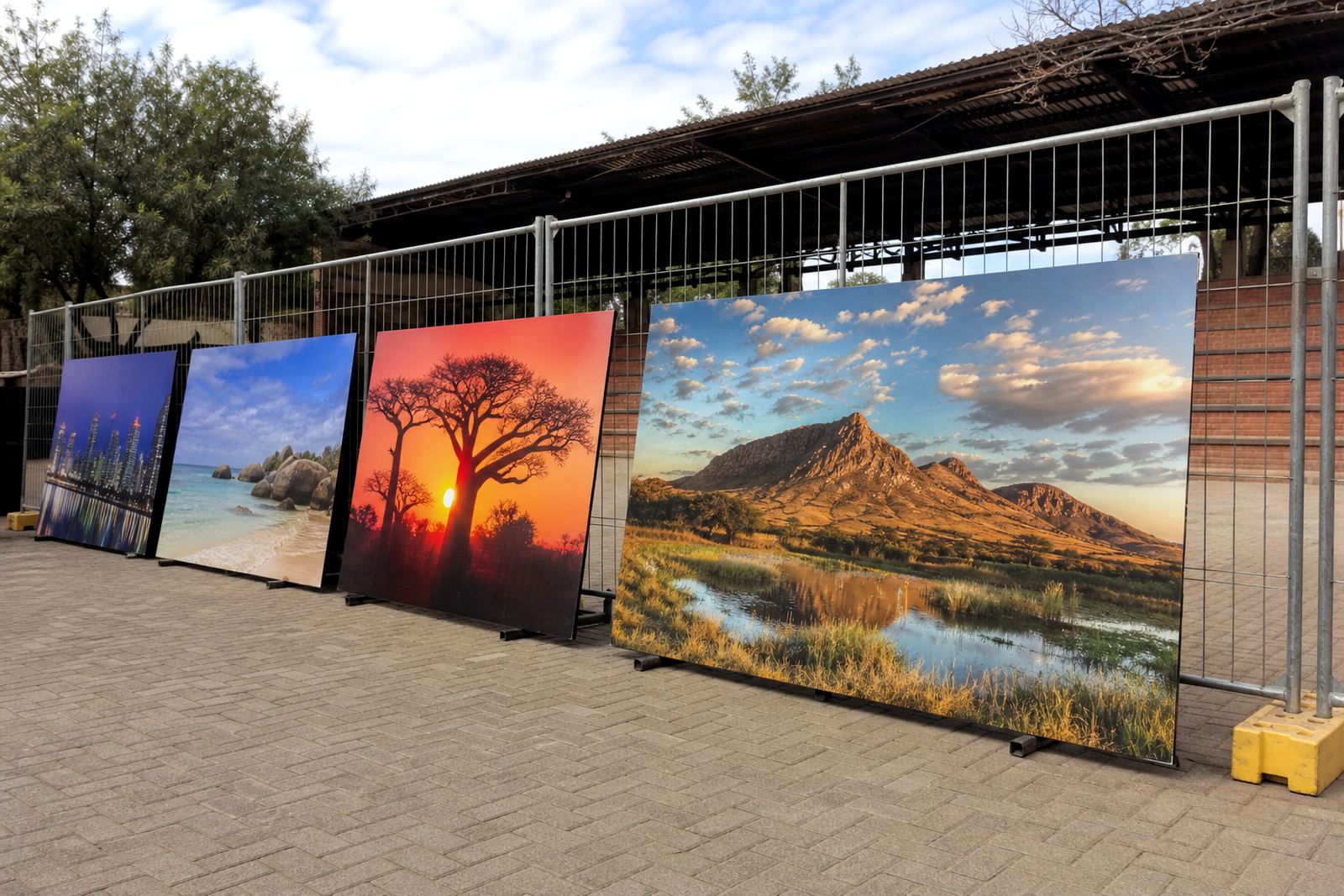
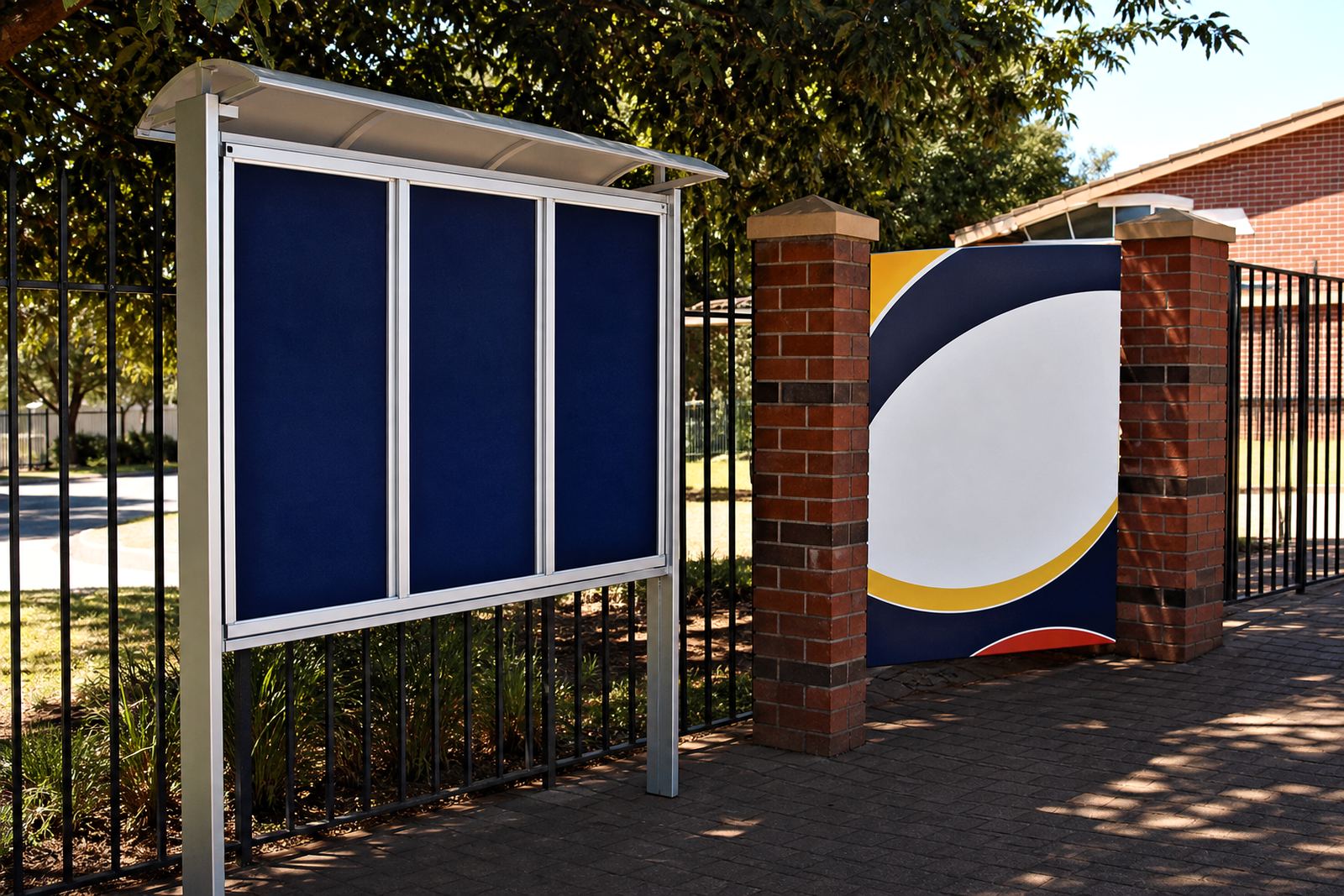
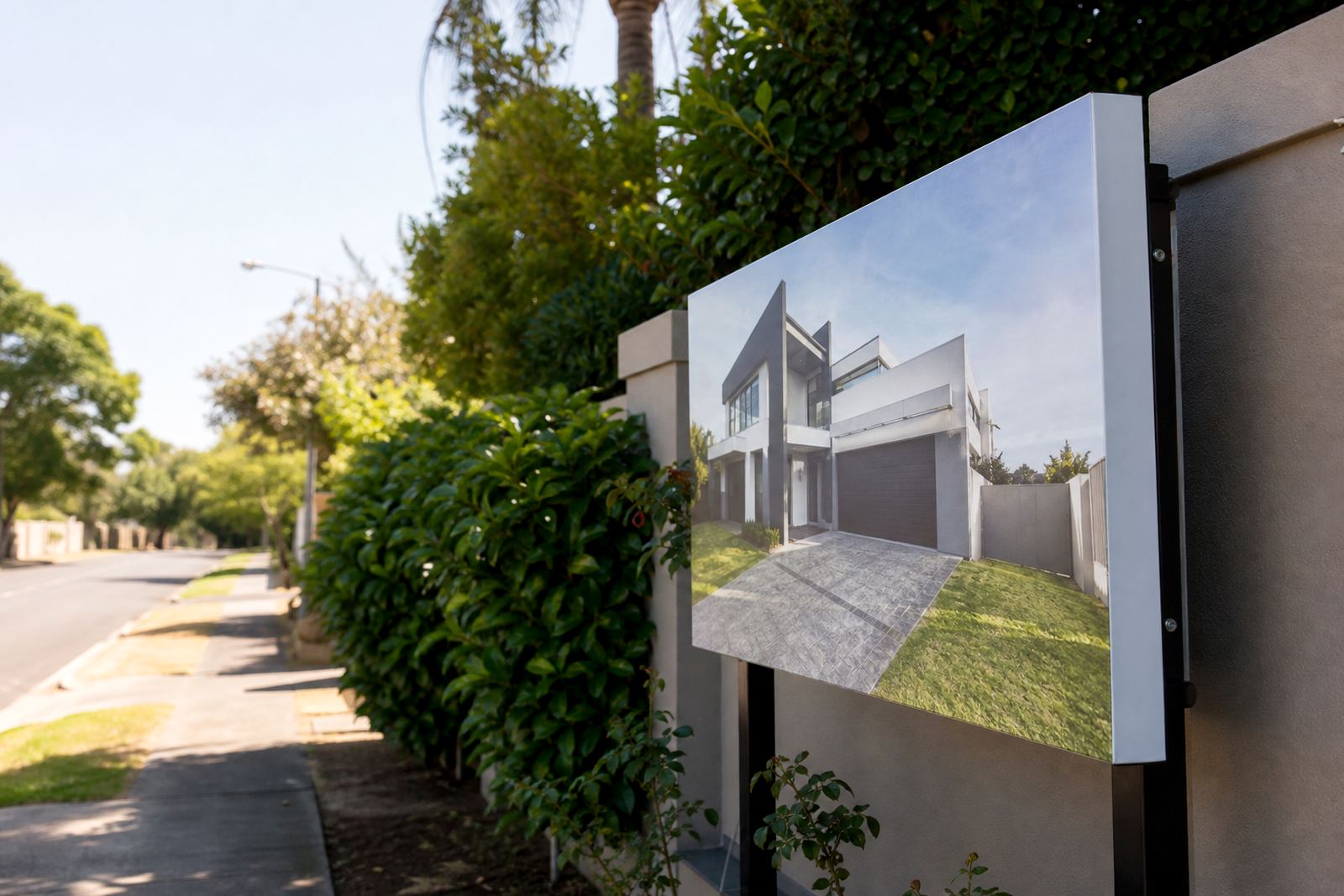
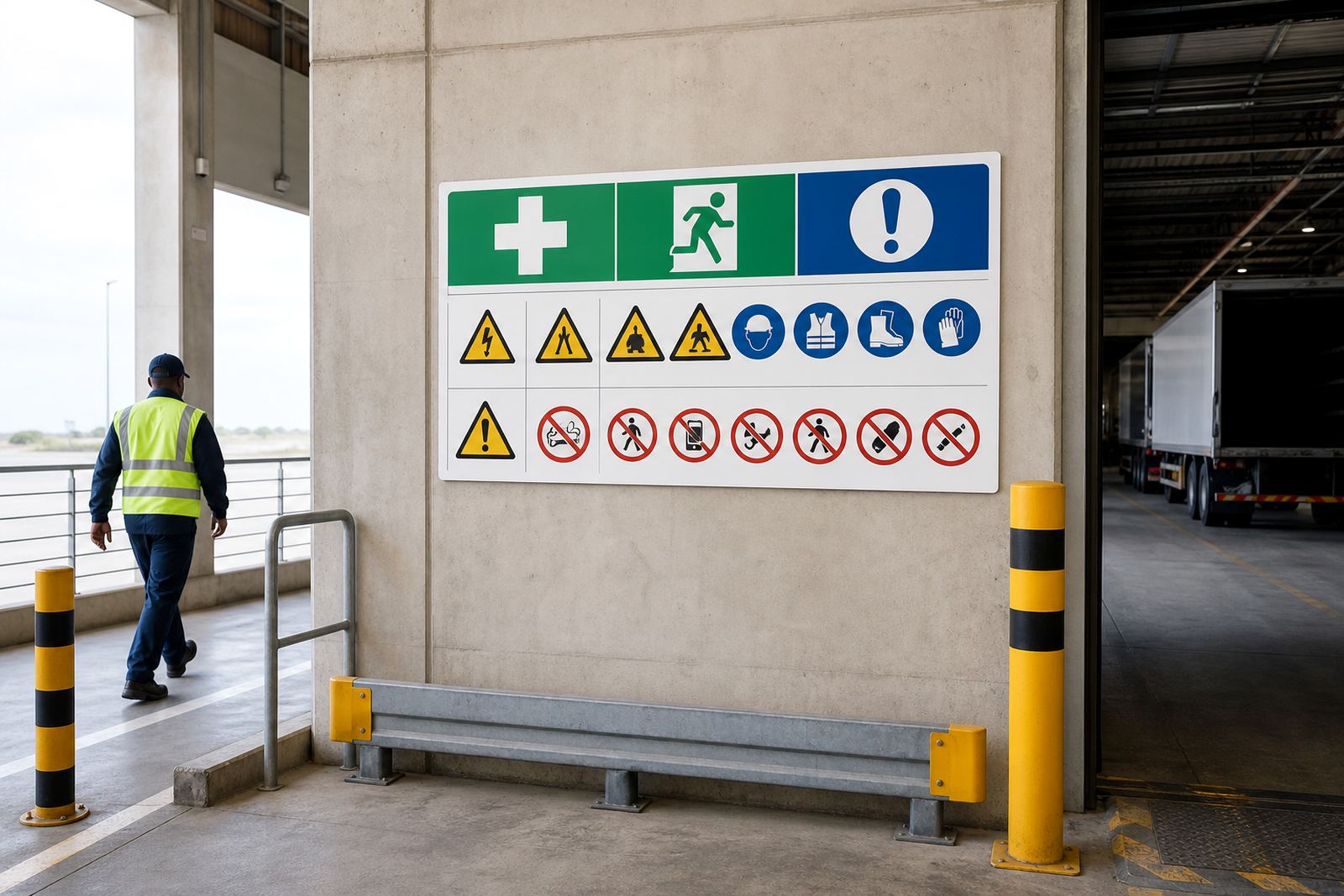
Safety boards are used where people need fast, clear instruction. In Germiston factories, warehouse yards, construction sites and public facilities, a rigid board is often the quickest way to show no entry points, protective gear rules, emergency routes and hazard zones. Because these signs are fixed to walls, gates, posts or frames, they need to stay flat and easy to read, even when the site is busy.
Flatbed UV printing suits these jobs because it lays ink directly onto a rigid surface. That makes it practical for boards that will be handled, moved, cleaned or mounted outdoors. For sites with changing notices, the same workflow can be used for temporary warnings, directional signs and multi-board safety sets, so the look stays consistent across the property.
Typical materials and print setup
The right board material depends on where the sign will live and how long it must last. For indoor areas, lighter rigid sheets are often enough. For exposed yards or coastal conditions, thicker boards and more careful edge sealing help reduce warping and water ingress. Common choices include rigid plastic sheet, foamed board, composite board and coated panels suited to UV ink adhesion.
- Short-run signs for workshops and stores
- Large-format boards for perimeter fencing and gates
- Directional panels for entrances, evacuation routes and assembly points
- Numbered boards for zones, bays and equipment areas
Ink choice matters as well. UV inks cure quickly and are used for colour, line work and text that must remain readable under regular handling. On some jobs, white ink or layered printing helps improve contrast on dark or clear media. If a board is going into strong sun or harsh weather, the print plan should include the right media, coating and finishing from the start, not at the end.
Planning the layout before you print
Good safety signage starts with the layout, not the printer. A board should be readable from the expected viewing distance, and the message should be simple enough for a quick glance. The same rule applies whether the sign is for a busy production floor or a gate at a loading bay. Use clear headings, strong contrast and a consistent icon set across the site.
Before production, it helps to check where the board will hang, how it will be fixed and whether it needs to match existing site colours or numbering. If a sign is going near machinery, do not crowd the panel with too much text. Leave space around the main warning so the message is not lost when people pass by quickly. A small typo can change the whole meaning, so artwork should be checked line by line.
- Confirm viewing distance and mounting height
- Keep wording short and direct
- Use contrast that works in daylight and under workshop lighting
- Plan fixings, holes and edges before print
Common mistakes on safety signage jobs
One of the biggest mistakes is using the wrong board for the environment. A light indoor panel may look fine on day one but start to bow in heat or humidity, especially in coastal areas like Durban or Gqeberha. Another common issue is poor colour choice. Pale text on a light background can look neat on screen, then become hard to see once it is mounted in a bright yard or near reflective surfaces.
People also underestimate cleaning and handling. Safety boards get wiped down, moved and sometimes knocked by trolleys or pallets. If the edges are not considered, the board may chip or take on moisture. On loadshedding-sensitive sites, it can also help to think about reflective detail or simple high-contrast design that stays easy to read when lighting is low. We often see rushed artwork with too much information squeezed into one panel, and that usually ends in reprints.
Budget ranges for small and large sign runs
Budgets depend on size, material, print coverage and how many boards are needed. A small indoor safety sign run can stay at a modest level, while large outdoor boards with special finishing, multiple repeats or unusual board sizes will cost more. For planning purposes, many customers work in bands rather than fixed prices, then refine the quote once the artwork and material choice are settled.
- Small rigid warning boards: often from a few hundred Rand each
- Medium site and workshop boards: typically in the mid hundreds to low thousands
- Large outdoor boards or full site sets: usually from the low thousands upward
If a site needs installation, operator training or ongoing support, that is usually costed separately. Preventive maintenance, ink handling help and media testing can also reduce waste over time. A clear plan at the start normally saves money later, because it limits reprints and keeps the same board size and finish across the whole job.
Installation, support and production flow
For safety signage work, the production flow should be practical and repeatable. That means checking the site, confirming board sizes, preparing the artwork, testing the media and then moving to print and finishing. On larger projects, it helps to group signs by area, such as workshop, loading bay, parking, pedestrian route and emergency points. That keeps the install organised and makes future replacements easier.
From our Germiston base, support is available across Johannesburg, Pretoria, Durban, Cape Town and Gqeberha, with help also reaching East Rand and Centurion sites. The team can assist with printer installation, site preparation, operator training, workflow planning, colour guidance, preventive maintenance, breakdown support, remote support, ink handling help, media testing, spares coordination and production consulting. If a facility needs safety boards that stay clear and serviceable, the easiest start is to send the brief through the enquiry form on the contact page.