
What Site Preparation Covers
Site preparation is the step where we look at your premises before installation, then map out what needs to be ready for a flatbed UV printer handling rigid boards, panels and signage media. The aim is simple: safe movement, stable power, enough space for loading, and a workflow that makes sense for the work you plan to run. In Germiston and other Gauteng industrial areas, that often means checking roller door access, floor level, dust control and where finished boards will be stacked.
We guide customers on the practical points that affect day one and the weeks after. That includes clearances around the machine, operator position, curing space, and how boards move from storage to print to finishing. If the site is not ready, operators spend too much time moving materials around and not enough time printing, which quickly shows up in turnaround.
Layout Planning For Printing And Handling
We help plan the floor layout so the printer, tables, drying area and packing zone fit the space without crowding the operator. Flatbed UV work needs a clean path for rigid media, because sheets can be large and awkward to turn. A good layout reduces edge damage, keeps dust away from the print area, and makes it easier to manage repeat jobs.
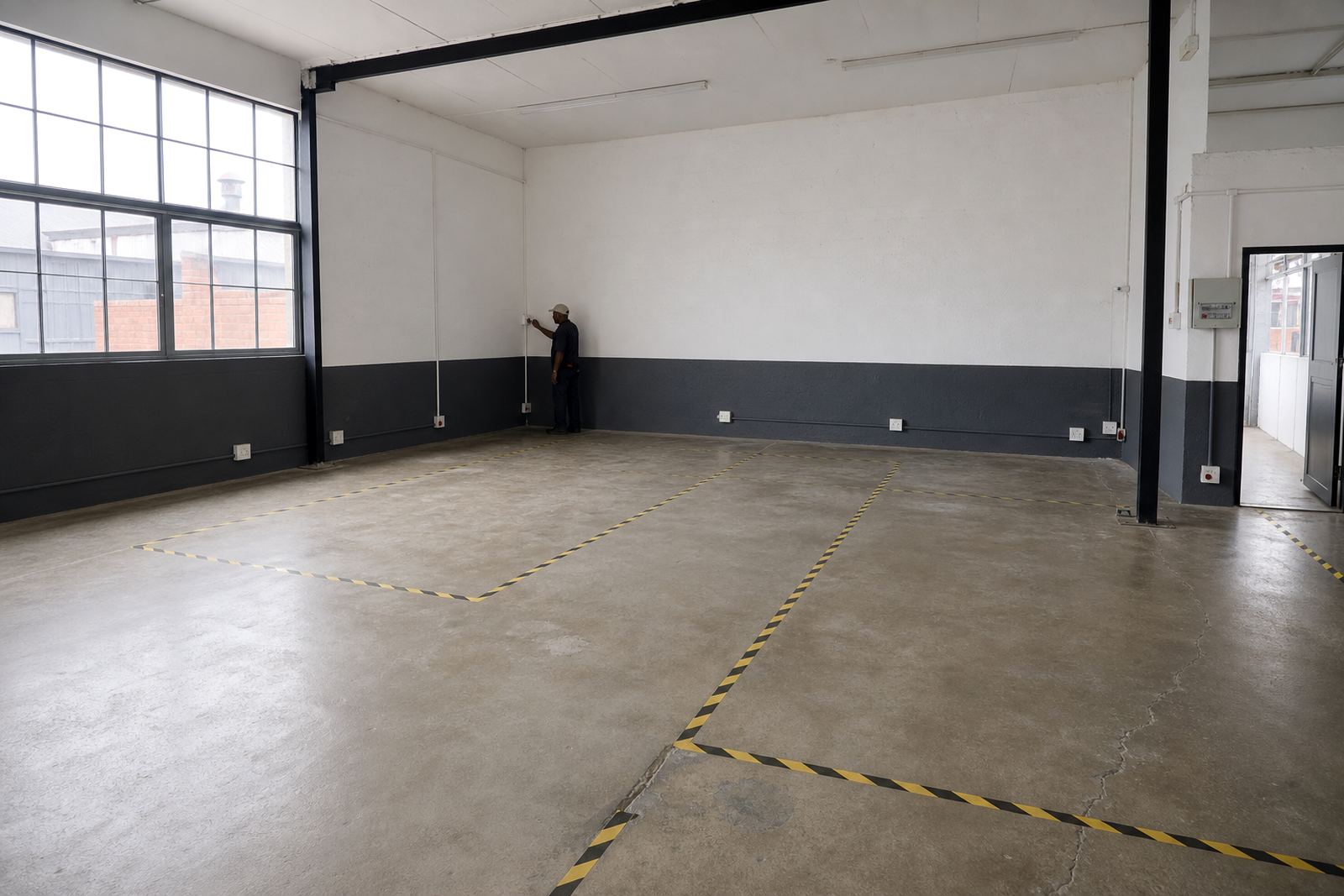
During planning we look at the full movement cycle, from receiving boards to loading, printing, inspection and dispatch. If you are doing retail panels, exhibition signs or short run production, the room should allow for different sheet sizes without constant rearranging. In some sites this means shifting racking, marking floor zones or changing the direction of traffic through the workshop.
- Entry route for rigid boards, crates or wrapped sheets
- Space for loading and offloading without blocking access
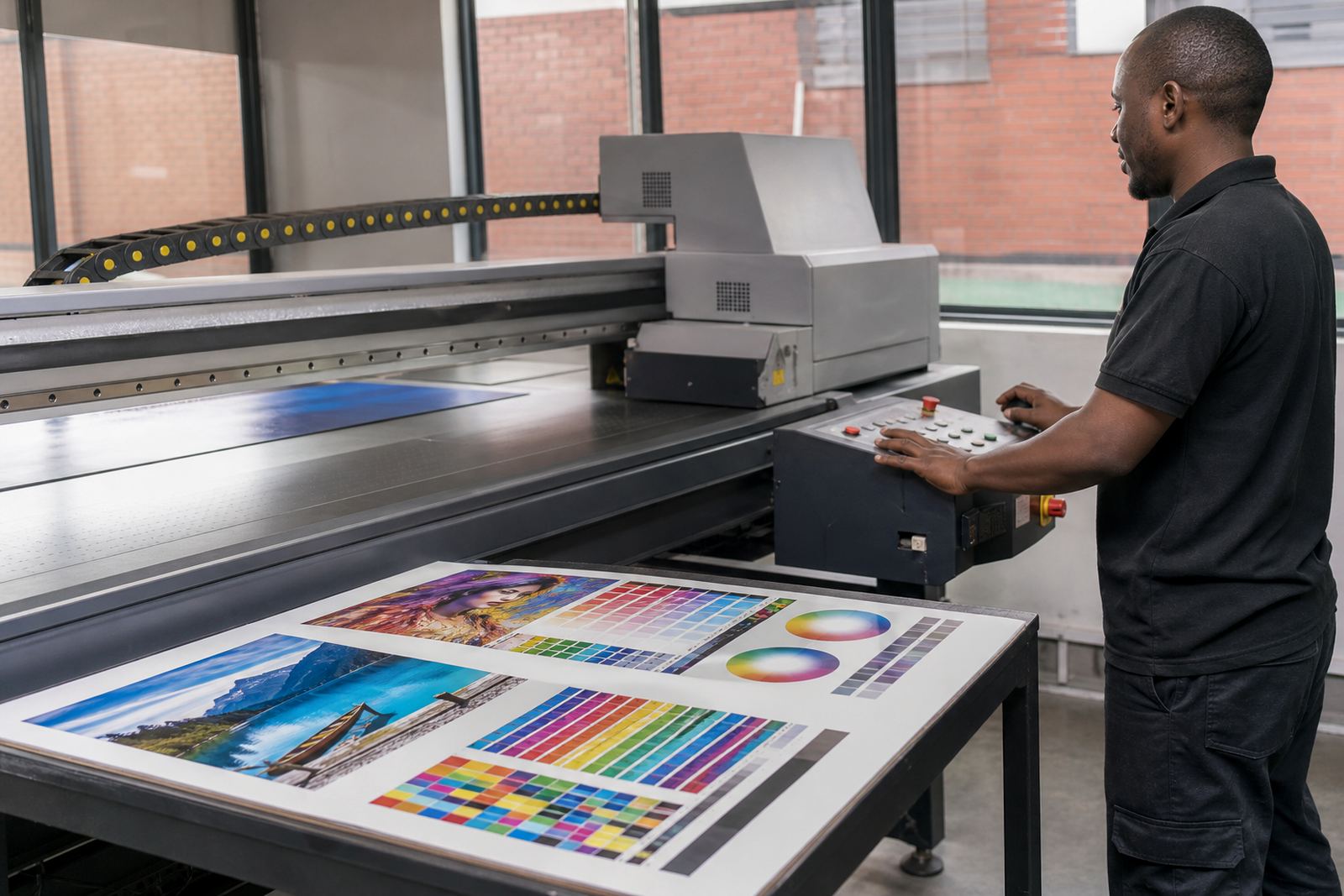
- Operator movement around the print bed and control point
- Area for curing, cooling and final inspection
Power, Ventilation And Environmental Checks
Power stability matters for UV printing, especially where load-shedding, voltage dips or older wiring can interrupt production. We check the available supply, distribution points and earthing before delivery, then advise on what should be in place for safe operation. Where needed, we also discuss backup planning, surge protection and how to protect the workflow during outages.
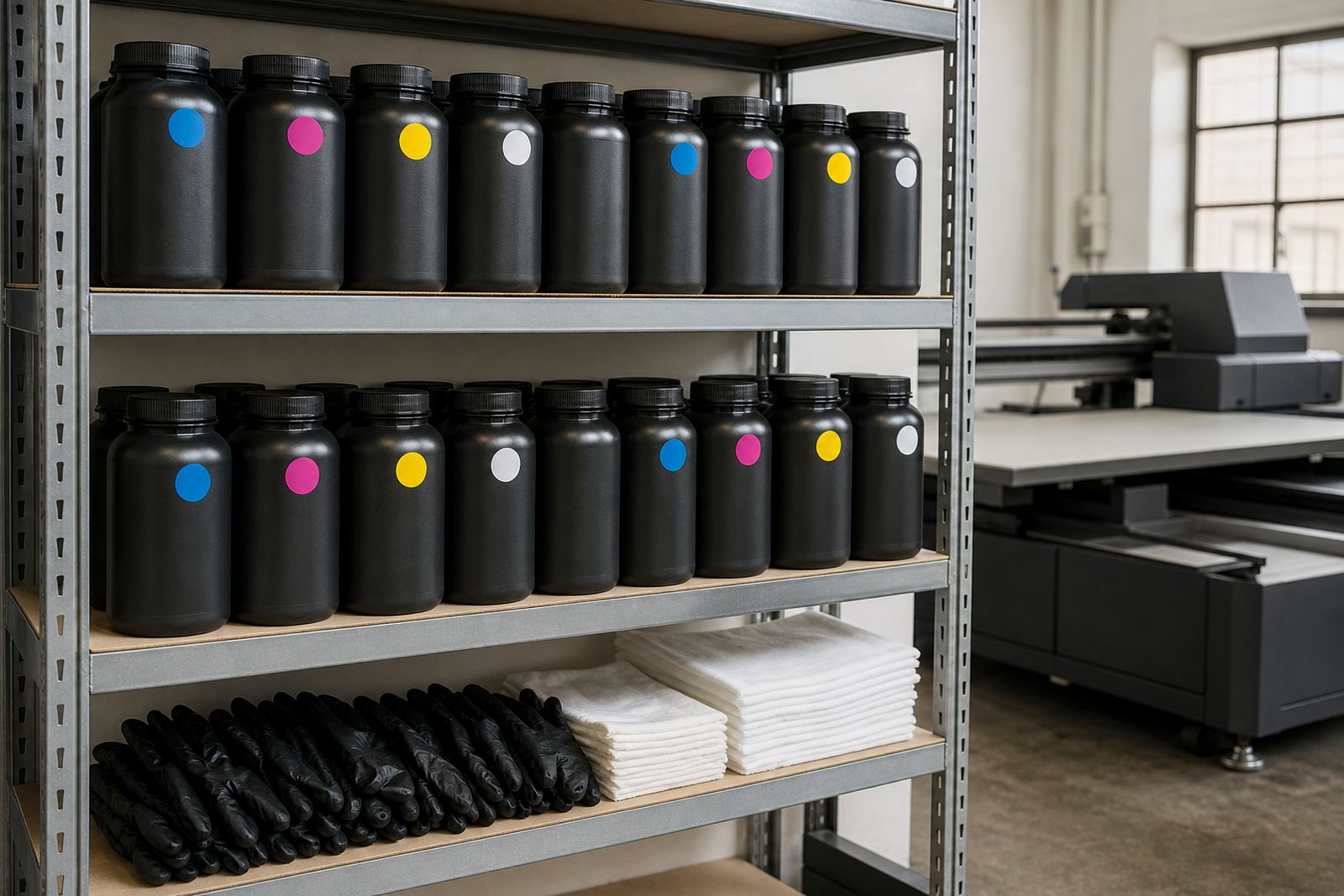
Environmental conditions matter too. Coastal humidity in Durban or Gqeberha can affect media storage and handling, while dusty workshop conditions in parts of Gauteng can lead to contamination on the print surface. We guide customers on ventilation, temperature control and keeping the area free of loose dust, overspray and chemical fumes. Simple changes like better storage and cleaner extraction can improve output consistency.
- Power point location and cable routing
- Earthing and protection against surges
- Ventilation and extraction where required
- Humidity and dust control for media storage
Access, Safety And Delivery Readiness
Before delivery we confirm access routes, doorway widths, turning space and the condition of the floor path from the entrance to the final position. If the machine has to move through a tight loading bay or up a slope, that needs to be known in advance. This prevents delays and lowers the chance of damage to the site or equipment.
Safety checks also form part of the preparation. We look at emergency access, trip hazards, clear working space, and whether the site is ready for operators and service technicians to move safely around the equipment. In larger operations around Johannesburg, Pretoria or Cape Town, we may also advise on separating pedestrian routes from board-handling routes so the production area stays orderly. A small issue like one blocked exit can slow the whole workflow, so it is worth sorting early.
How The Preparation Process Works
The process begins with an enquiry through our contact page, then we review your site details, production goals and the kind of signage or board work you intend to run. From there we advise on the room setup, the likely support needs and any changes that should be completed before installation. For customers in Germiston, East Rand and Centurion, this often starts with a site review and a few practical photos or measurements.
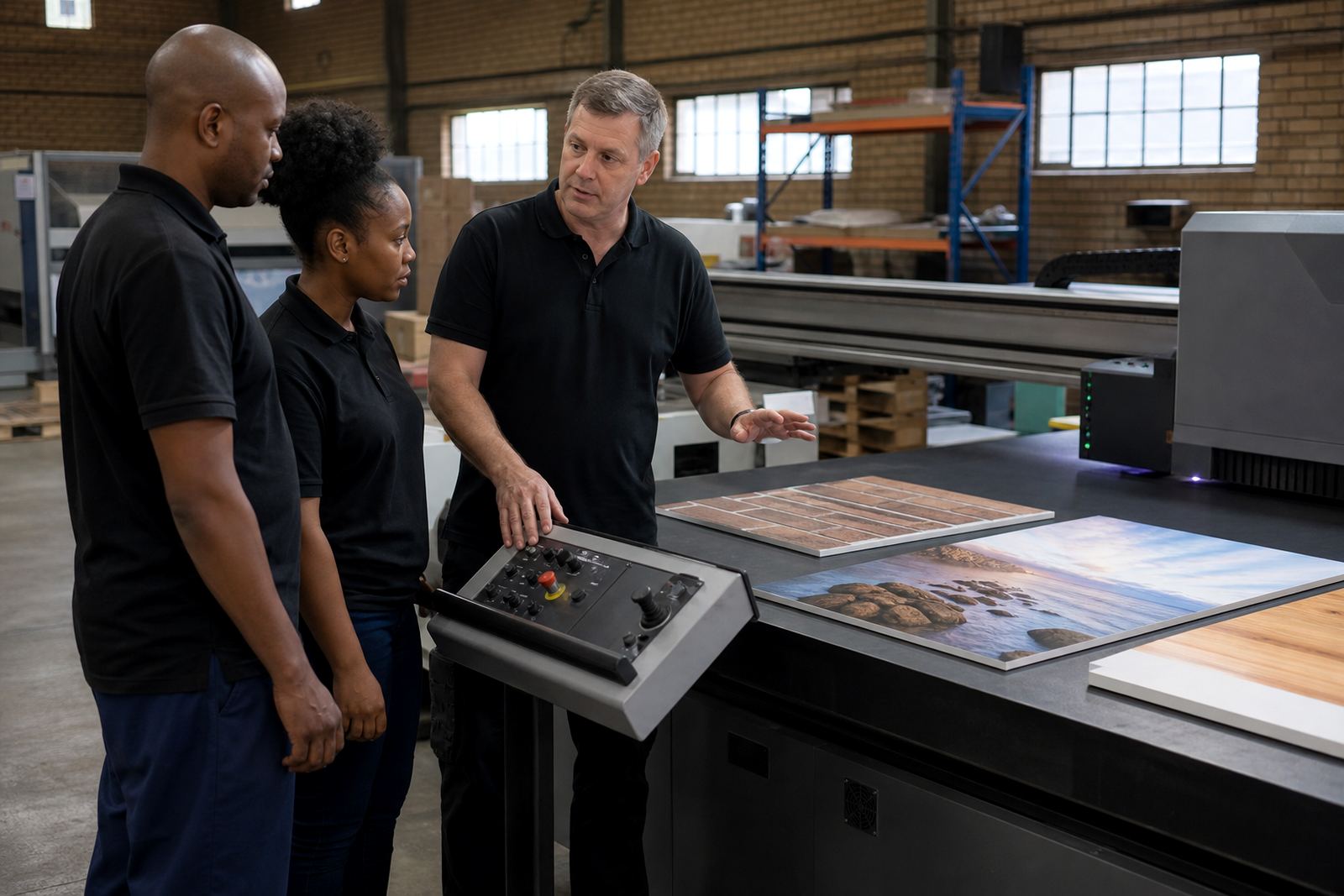
Once the basic plan is agreed, we confirm the readiness items and sequence the next steps with installation and training. The process is handled in plain language, with no guesswork around the room or the workflow. If your site needs more preparation time, we will say so before delivery instead of trying to force a machine into a space that is not ready.
- Initial enquiry and site information review
- Layout and readiness guidance
- Power and access confirmation
- Final checks before delivery and setup
Turnaround, Pricing And Ongoing Checks
Turnaround depends on how complete the site already is. A room that is ready with power, access and clear floor space may only need a short preparation cycle, while a site needing electrical changes, cleaning or layout adjustments will take longer. We keep the advice practical and tied to your schedule so production planning stays realistic.
Pricing is based on the scope of guidance required, site complexity and whether follow-up support is needed after the initial visit or review. We do not force a fixed package on every customer because no two sites are the same. For some businesses, one preparation round is enough. For others, a second check after changes have been made is useful. Maintenance intervals are then set around production volume, dust levels, media handling and how often the site is exposed to power interruptions or humidity changes.
After the site is live, we recommend regular checks on cleanliness, power quality, media storage and operator flow. A monthly walk-through is often enough for lighter use, while busier print rooms may need more frequent reviews. That helps keep the printer area ready and reduces avoidable stoppages.
Key facts
| Service type | Site preparation guidance for flatbed UV printing |
|---|---|
| Site focus | Layout, power, access, environmental readiness and workflow planning |
| Media focus | Rigid boards, signage panels and related flat substrates |
| Support regions | Germiston, Johannesburg, Pretoria, Durban, Cape Town and Gqeberha |
| Typical prep checks | Clearances, floor condition, dust control, storage zones and safe movement paths |
| Maintenance interval guidance | Monthly for lighter use, more often for busy rooms or harsh site conditions |