What an Outdoor Sign Printer Does in Daily Production
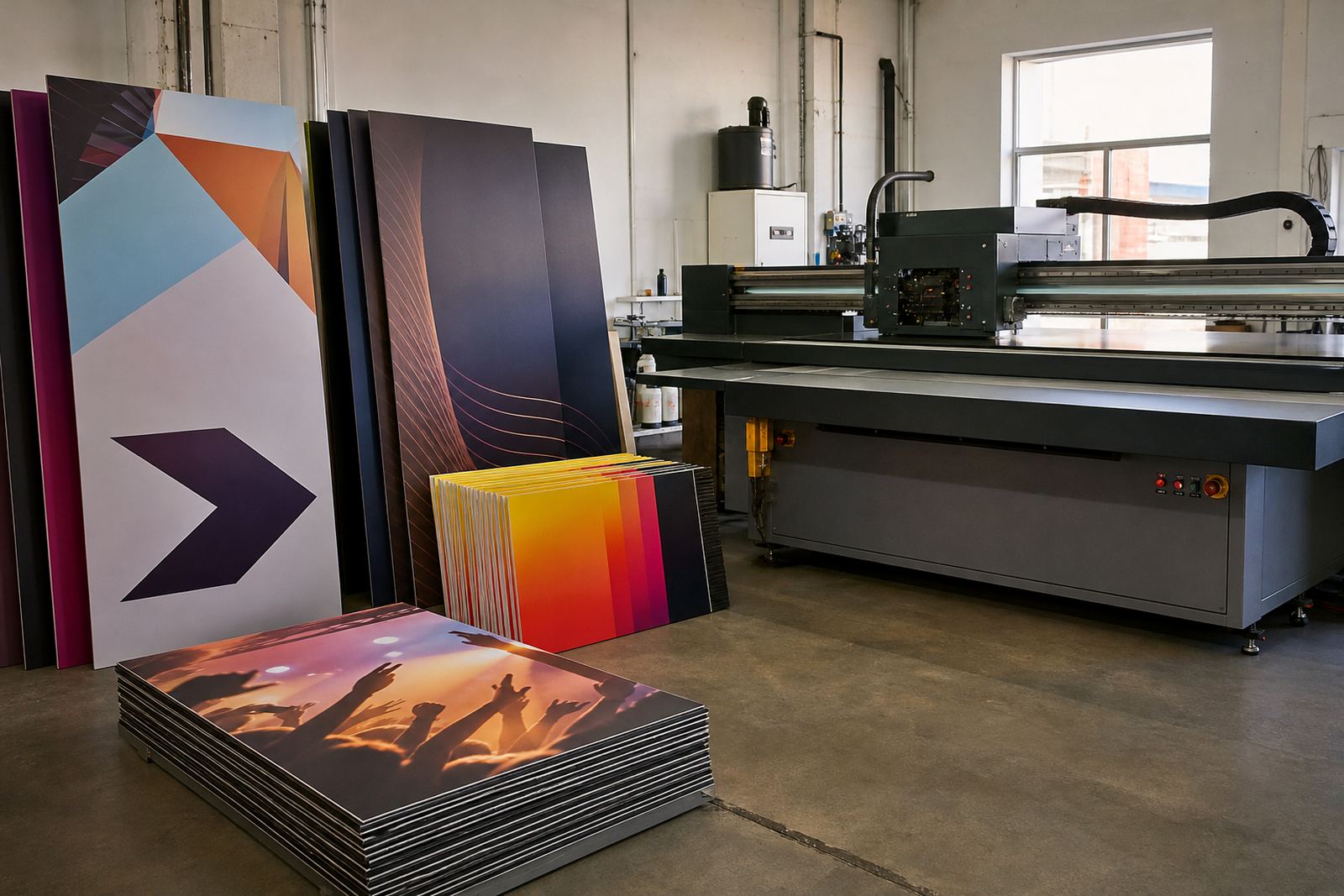
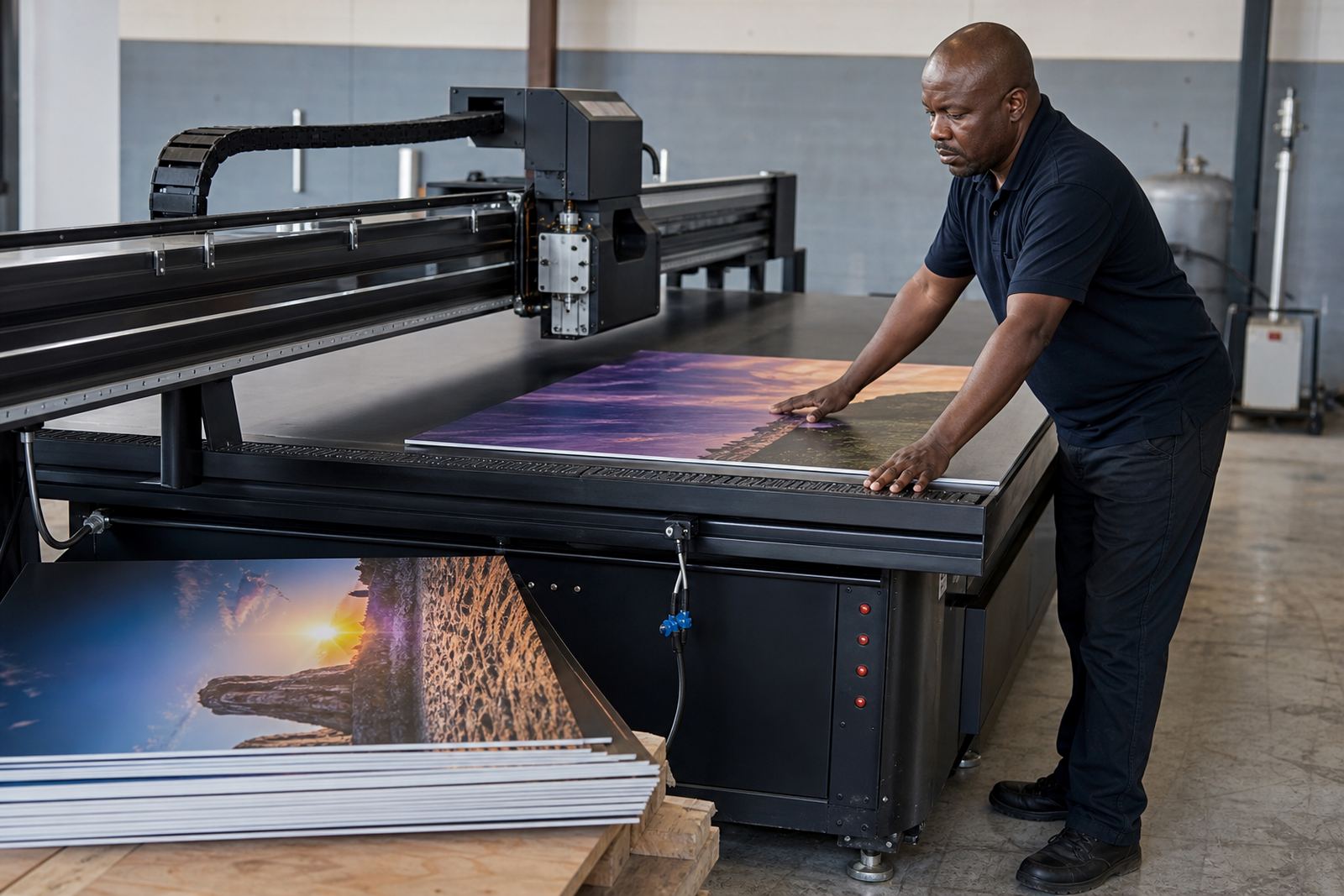
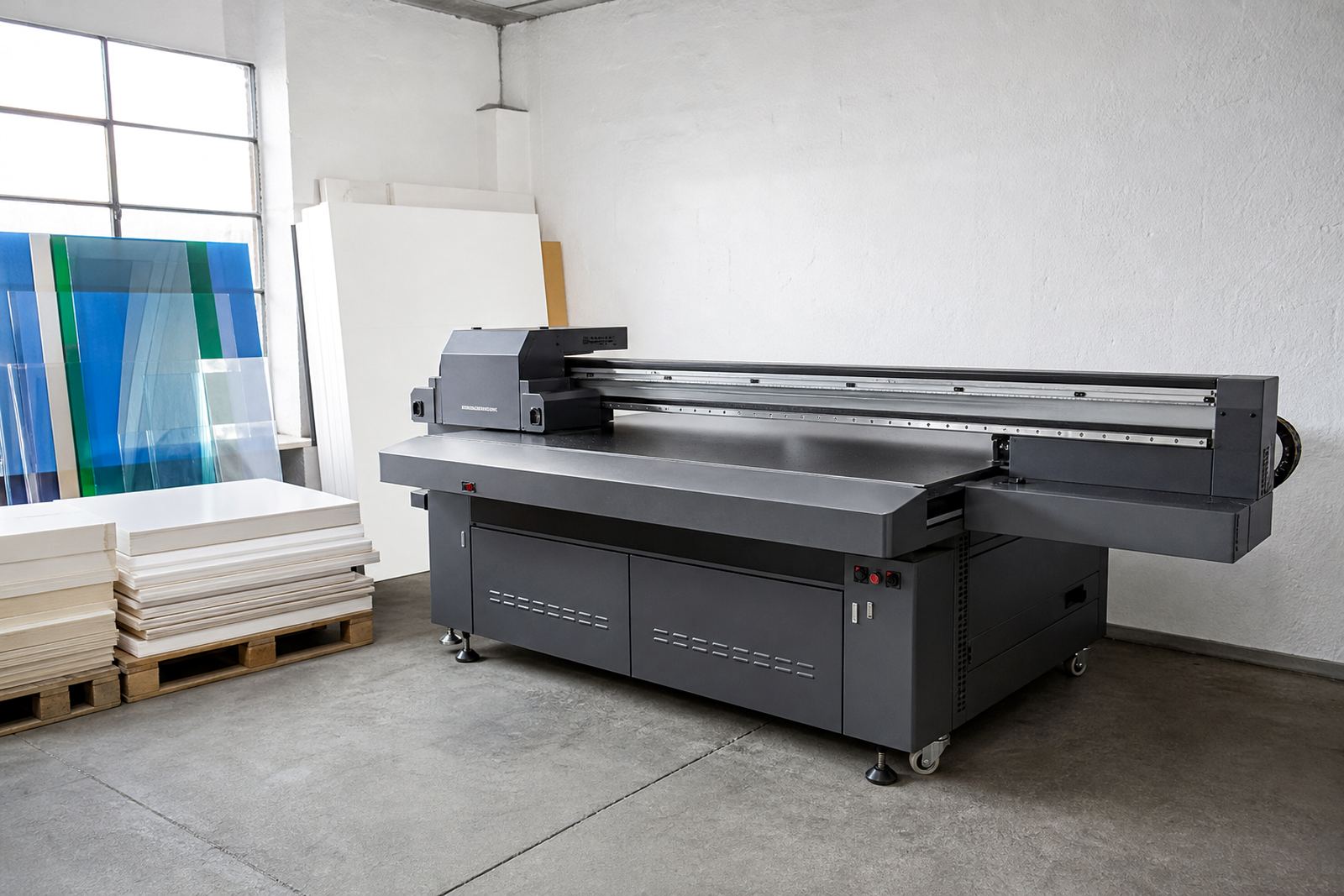
An outdoor sign printer is a flatbed UV printer used to print directly onto rigid materials without mounting a separate print first. It is commonly used for signage that needs to go out into harsher conditions such as retail forecourts, building sites, event venues, outdoor promotions and municipal display work. The UV ink cures as it prints, which helps the finished board handle handling, transport and outdoor exposure better than many ordinary print processes.
For a business in Germiston, or anywhere else in Gauteng, the main advantage is speed and control. You can print boards, let them cure, trim and send them onward with less waiting. That helps when the job is urgent and load-shedding has already pushed the schedule back once or twice. The printer is also useful where colour consistency matters across a run of signs, panels or directional boards.
Media Sizes and Print Options to Match the Job
These printers are selected by the type of board and the size of the work you plan to run. Flatbed UV systems are normally used for rigid media such as foam board, PVC board, ACM, acrylic, corrugated plastic, timber panels and coated display board. Some workshops also use them for layered or textured effects, varnish finishes and spot detail on signage. The exact material choice depends on the end use, the amount of sun exposure and whether the board will be fixed indoors or outdoors.
When choosing a system, check the printable area, the thickness the bed can accept and whether your regular jobs are full boards or smaller cut pieces. If your work includes many small signs, batch jobs or repeated wayfinding panels, a stable bed and good registration matter more than chasing a large headline number. For retail, schools, estate agents, contractors and event teams, the right size is the one that fits the common board format and keeps handling simple.
- Rigid boards for outdoor signs and point of sale panels
- Cut pieces for directional signage and short-run display work
- Layered graphics where white ink or spot effects are required
- Double sided or multi-board runs where repeatability matters
Where Outdoor Sign Printing Fits Best
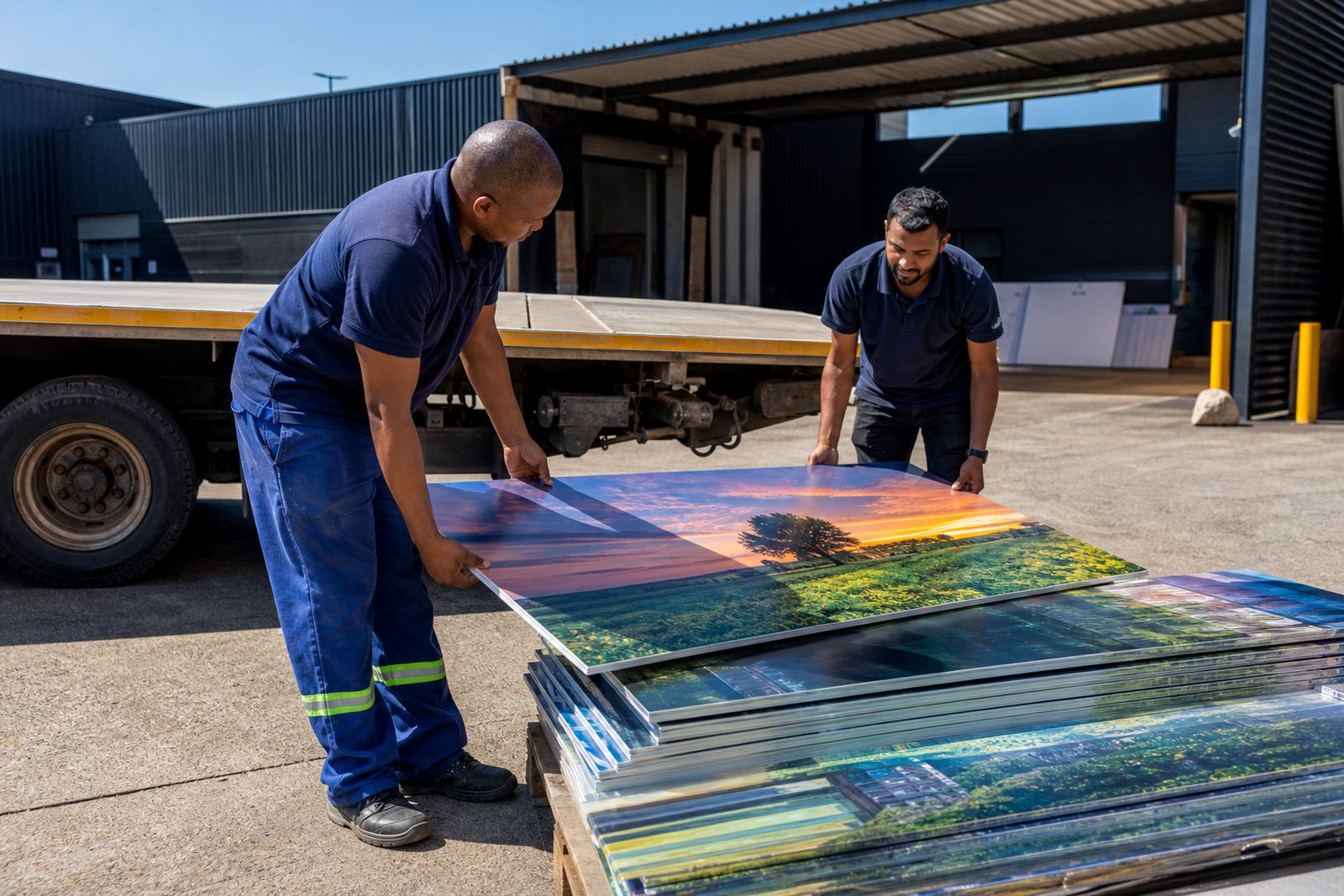
This type of printer suits shops that produce signage for streets, entrances, building wraps on boards, site notices, safety boards, event branding and retail displays. It is a practical fit for sign makers, print rooms, display suppliers and businesses that need rigid boards printed in house rather than sent out. Because the output is direct to board, it is also useful where turnaround is tight and the client wants a finished display with less handling between stages.
In coastal areas such as Durban or Gqeberha, materials and inks need to be chosen with humidity and salt air in mind. In inland areas like Pretoria, Johannesburg and Centurion, heat, dust and power interruptions often affect workflow more than moisture does. A good setup takes all of that into account. The printer, ink and media must work together, otherwise you end up with lifting edges, poor adhesion or a board that does not sit right once it leaves the shop.
- Retail signs, shelf headers and promotional boards
- Construction notices, safety boards and directional panels
- Event branding, temporary displays and staging graphics
- Longer run signage where repeat output is needed
Installation, Power and Site Readiness
Installing an outdoor sign printer is not only about placing the machine on a level floor. The site must allow for safe movement of boards, enough space for loading and unloading, proper ventilation and a clean area for finishing. In many Gauteng workshops, that means checking doorway widths, floor loading and whether pallets or board racks can move in and out without damage. If the printer is part of a wider production line, the layout should also allow for trimming, curing and packing without crossing paths.
Power needs vary by system, but a stable supply is essential. The machine should be protected against surges and sudden interruptions, especially where load-shedding or poor municipal supply is a regular issue. Some sites also need compressed air for certain handling or maintenance tasks, depending on the full setup. It is worth confirming the available supply early, rather than after delivery, because a printer that is difficult to power properly becomes a production headache very quickly.
- Level floor and enough clearance for boards and maintenance access
- Reliable electricity with surge protection and backup planning
- Ventilation and dust control for a cleaner print environment
- Safe storage for inks, media and cleaning materials
Caring for the Printer and Keeping Output Consistent
UV printing is dependable when the machine is kept clean and used regularly. Daily checks usually include printhead condition, media dust, curing lamps or curing units, gantry movement and general cleanliness around the bed. In a production shop, a little neglect can show up as banding, poor adhesion or blocked jets, and once that happens you lose time on scrap and rework. Preventive maintenance matters more than most people think.
Ink handling also needs attention. UV inks must be stored correctly and used within the working process recommended for the printer. If the shop changes from one media type to another, test first. A board that works well for indoor display might not hold the same on a more exposed outdoor board. With the right workflow, though, the printer will produce steady results day after day and the operator can focus on the job rather than on constant correction.
What to Check Before You Order
Before placing an order, confirm what you will print most often. A buyer that mainly runs rigid signage needs different priorities from one that mixes display work, short-run boards and special finishes. Check the media thickness, the printable area, the ink configuration, curing setup and whether the machine supports the finishes your customers ask for. If the work includes white ink or layered graphics, make sure that is properly planned into the workflow.
You should also think about training, after-sales support and spare parts coordination. A printer is only useful if the team knows how to run it, maintain it and recover from minor faults without losing a full day. At our Germiston base, we assist with installation, operator training, colour guidance, preventive maintenance, breakdown support, remote support, media testing and production consulting across South Africa. Clients in Johannesburg, Pretoria, Durban, Cape Town and Gqeberha can reach us through the enquiry form on our contact page.
- What rigid boards and media you plan to use most often
- Whether you need white ink, layered effects or special finishes
- How much space you have for loading, curing and trimming
- What support is needed after installation and during training
Key facts
| Print method | Direct UV printing onto rigid boards and signage media |
|---|---|
| Typical media | Foam board, PVC board, ACM, acrylic, corrugated plastic and coated display board |
| Ink system | UV-curable inks with options for standard colour and white ink workflows |
| Curing | In-line UV curing for immediate handling and faster turnaround |
| Site requirements | Level floor, clean working area, stable power and suitable ventilation |
| Support | Installation, operator training, maintenance, remote support and service across South Africa |